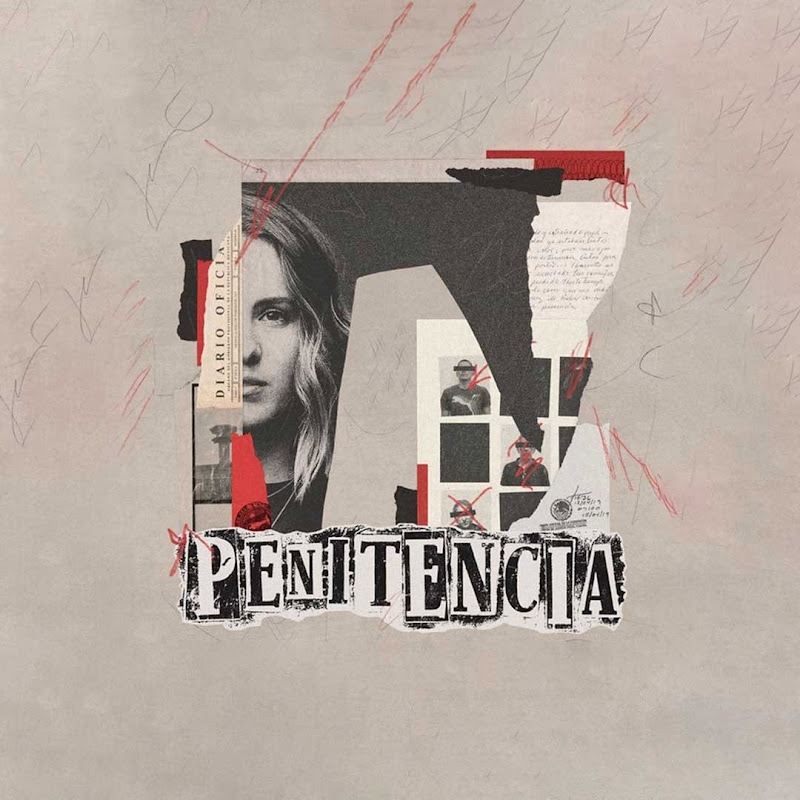
Desperté y mi hija de 5 años ya no estaba | Wendy #Penitencia 175 #México
YouTube · Z28QDf3iNkk
Quick Read
Summary
Takeaways
- ❖Wendy's 5-year-old daughter, Macdiel, disappeared from their home, discovered missing at 7 AM.
- ❖Wendy was immediately detained by police at the MP, accused of her daughter's disappearance, followed by her husband, Bruno.
- ❖Authorities held them for five days, focusing on extracting confessions rather than searching for Macdiel.
- ❖Four years later, after being told they were victims, they were re-arrested and spent six months in prison for forced disappearance.
- ❖The prosecution's evidence includes a blurry video of a car near their home, 'blood' found in their house three years after it was abandoned, and neighbor testimonies about their parenting style.
- ❖Crucially, the 'blood' evidence was never DNA tested against the family, despite samples being provided.
- ❖Wendy was pressured to declare against Bruno, briefly believing he might be involved due to manipulation by an activist.
- ❖Their younger daughter, now 7, is aware her sister was 'stolen' and that her parents were imprisoned, experiencing psychological distress exacerbated by external comments.
- ❖The family believes specific neighbors, who were outside their home the night Macdiel disappeared and later distanced themselves, may be involved.
- ❖Despite being under house arrest, Wendy and Bruno maintain hope for Macdiel's return, keeping her belongings and celebrating holidays for her.
Insights
1Immediate Detention and Misdirected Investigation
Upon reporting her daughter's disappearance, Wendy was immediately detained at the MP, accused of involvement. Her husband, Bruno, was also quickly brought in and detained. The authorities spent five days interrogating them, focusing on forcing a confession rather than initiating a comprehensive search for the missing 5-year-old. This initial response set a precedent for the entire investigation, prioritizing culpability over discovery.
Wendy recounts arriving at the MP around AM after discovering her daughter missing at 7 AM, only to be told, 'You're detained.' She states, 'far from helping us, it harmed us, and far from looking for the girl, the point was more than anything, to blame them, to frame the crime.'
2Lack of Concrete Evidence and Flawed Procedures
Despite the severe accusations, the prosecution's case lacks concrete, verifiable evidence. Wendy and Bruno provided DNA samples, clothing, and hair from Macdiel, but these were never reportedly used for DNA testing. The 'evidence' presented includes a blurry video of a car far from their house, 'blood' found in their abandoned home three years after the disappearance (after it had been looted and vandalized), and neighbor testimonies about their parenting, which the parents argue were misinterpretations of their lifestyle.
Wendy states, 'they have evidence of furniture and clothes and X, but... there's blood and that, but the evidence is not there.' Bruno adds, 'they found blood on the bed and in some shoes... but they are things that are not there.' He also mentions, 'they haven't done DNA tests... there's blood, but they don't know whose blood it is.' The house was re-inspected 3 years later, after being abandoned and looted, to find new 'evidence' like blood stains, which were not present in initial reports.
3Psychological Manipulation and False Accusations
During the initial four years, Wendy was manipulated into suspecting her husband, Bruno, by an activist and the authorities. She even made a statement against him, believing it would help find her daughter. This highlights the psychological pressure exerted on victims, forcing them to turn against each other in a desperate search for answers, further complicating their situation.
Wendy admits, 'I fell into that trap... I did declare against my husband.' She explains, 'they told me, 'you're going to be a protected witness, and in any case, it will be against him.' And I said, 'Okay, that's fine.' I said, 'If it's to find my daughter, do whatever it takes.''
4Re-arrest and Imprisonment Four Years Later
After four years of being told they were victims and that authorities were searching for Macdiel, Wendy and Bruno were re-arrested in March. They spent six months in separate prisons before being granted house arrest. This re-arrest, based on the same questionable evidence, reinforces the perception that authorities are more interested in closing cases with a 'culprit' than in solving them.
Wendy states, 'I was walking out one normal day to drop her off at school, and they cut me off again and said, 'Are you Wendy?'' She was re-arrested and taken to Chiconautla. Bruno also mentions, 'we were there for 5 days where they told us, you did it, you did something.'
5Impact on the Younger Daughter and Family Trauma
The disappearance of Macdiel and the subsequent legal battle and imprisonment of her parents have profoundly traumatized their younger daughter. She is aware her sister was 'stolen' and that her parents were in prison. She has been subjected to questioning by DIF psychologists and even told by officials not to have 'illusions' about reuniting with her parents, further exacerbating her emotional distress.
Wendy describes her younger daughter saying, 'Mom, I'm here. I'm with you. I know you'll never stop looking for my sister, but I'm here.' Bruno recounts his younger daughter telling him, 'Dad, I already know where you are... you're in prison, Dad, because of my little sister.' He also mentions a DIF official telling his daughter not to 'have illusions' about returning with her parents.
6Misinterpretation of Cultural Practices as 'Cult'
The presence of a Santa Muerte altar in their home, a common devotion in parts of Mexico, was misinterpreted by investigators as evidence of a 'cult.' This cultural bias was used to build a narrative against the parents, suggesting they were involved in something sinister, further prejudicing the case.
Bruno explains that an investigator saw the Santa Muerte altar, a photo of Macdiel, and a lock of her hair, concluding, 'No, you know what, this is a cult.' He clarifies that the altar was his father's and Macdiel's photo was placed there by Wendy in desperation.
Lessons
- Advocate for independent oversight bodies to review cases of child disappearance and ensure proper investigation protocols are followed, especially when parents are initially accused.
- Support organizations that provide legal aid and psychological support to families of disappeared persons, helping them navigate complex legal systems and cope with trauma.
- Raise awareness about the potential for victim-blaming and misdirection in investigations, encouraging public scrutiny and demanding accountability from justice institutions.
- Educate yourself and your community on legal rights and procedures in cases of disappearance to better protect families from wrongful accusations and ensure due process.
- Demand that all evidence, especially forensic, be thoroughly and impartially analyzed (e.g., DNA testing for blood samples) to prevent convictions based on circumstantial or fabricated information.
Quotes
"Se pierde, se pierde la intención de los procedimientos de desaparición. Los procedimientos de desaparición deben de tener esa finalidad, poder localizar a la persona."
"Y a raíz de eso, lejos de ayudarnos, se perjudicó y lejos de buscar a la niña, el punto era más que nada, como culparlos, como cuadrar el delito."
"Recuerdo abrir los ojos a las 7 de la mañana cuando suena mi alarma... Y lo primero que veo es la puerta entreabierta... Y ahí empieza el caos, porque pues yo levanto las cobijas y no la veo."
"Me dicen, '¿Te quedas detenida?' O sea, tú fuiste a pedir ayuda al... Tú llegaste como a qué hora, llegaste al MP, como 8:30, yo creo. Por mucho, una confianza absoluta de las autoridades de alguna manera. Exactamente. Entonces, me llevo los papeles de mi pequeña, me llevo todo. O sea, yo me paro ahí a pedir ayuda, ¿no? Y me dicen, '¿Sabes qué? No, este, dame los papeles, dame, me quitan todo y ya no me dejan salir.'"
"Digo, ¿por qué no han hecho pruebas de ADN? No, y no las han hecho. O sea, hay sangre, pero no saben de quién es la sangre, si es de tu hija, si no es de tu hija."
"Para mí, la verdad, para mi pensar es, doy un culpable, se acabó el caso y la búsqueda totalmente. De todos modos, yo siento que a mi hija no la están buscando."
"Mamá, yo estoy aquí. Yo estoy contigo. Yo sé que jamás vas a dejar de buscar a mi hermana, pero yo estoy aquí."
"No, es que este, o sea, hasta ahí se quedaba como que no, no es que eso no tiene nada que ver, es otra cosa. Vamos línea de investigación por línea y hasta que se agote una, continuamos a la siguiente y así."
"Mira, se encuentra o no se encuentra, tú ya te chingaste."
"Papá, ya sé dónde estás. Ah, sí. Digo, sí, es que ando acá por Acapulco. No, tú estás este, tú estás preso, papá, por lo de mi hermanita, sus palabra, por lo de mi hermanita, que los están acusando a ustedes de que ustedes le hicieron algo, pero no es cierto, papá, porque yo sé que ustedes nos quieren mucho y esto y esto."
Q&A
Recent Questions
Related Episodes

Amanda Knox and John Ramsey - Megyn Kelly's "Double Feature" of Fascinating Interviews
"This episode features two individuals, Amanda Knox and John Ramsey, whose lives were irrevocably altered by tragic crimes and subsequent wrongful accusations, revealing systemic failures in justice and media manipulation."
The Texas Yogurt Shop Exonerations | "Case by Case" | "48 Hours" Podcast
"Four men, including the late Maurice Pierce, were wrongfully accused and suffered decades of public scorn and legal battles for the 1991 Austin yogurt shop murders, only to be exonerated after DNA evidence identified the real killer, highlighting severe systemic failures and police misconduct."

BREAKING: $1 TRILLION WIPED OUT IN 5 MINS; XI HUMILIATES TRUMP; TRUMP CAUGHT INSIDER TRADING!!!
"The host details a series of alarming economic indicators, alleged high-level corruption within the Trump administration, and controversial foreign policy decisions, arguing that the US is facing systemic collapse and political deceit."

DEBUNKED: Iran War Cost LIES Get EXPOSED By Economist
"The Young Turks hosts vehemently argue that the US-led war against Iran, driven by Israeli influence and political corruption, is causing an economic catastrophe for Americans while exposing alleged war crimes and sexual abuse by Israeli forces against Palestinians."