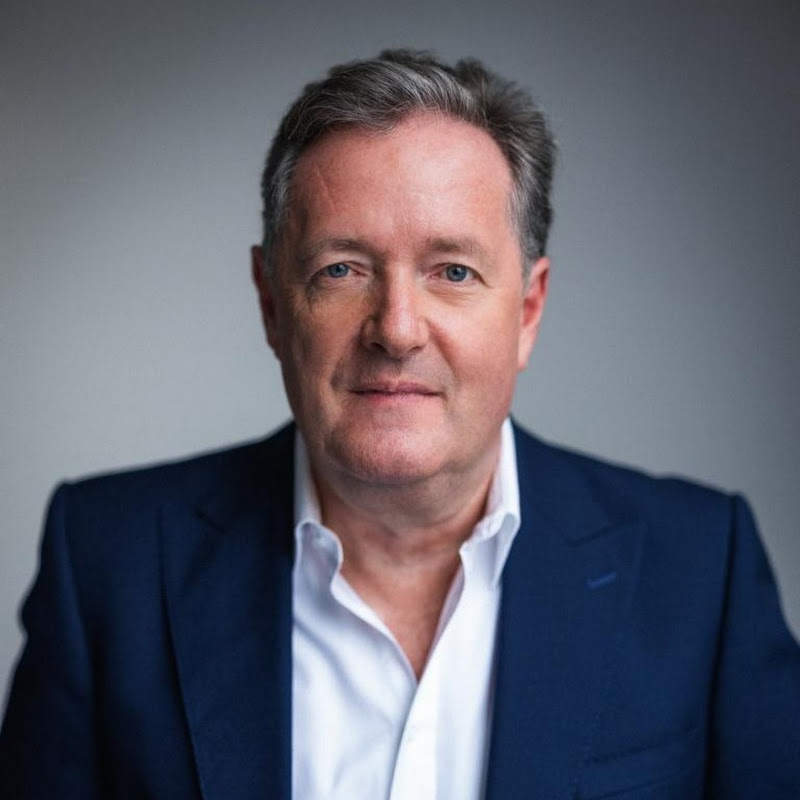
"Israel Is DESPISED!" Trump's US-Iran Deal Threatened By Hezbollah Strikes
YouTube · ZKAVZVUZLgY
Quick Read
Summary
Takeaways
- ❖The US-Iran deal is widely considered a failure for Trump, being at best equivalent to, or worse than, the Obama-era agreement.
- ❖The deal lacks multilateral signatories, giving Iran more leverage and making it easier to exit.
- ❖Israel is expected to actively undermine the agreement, with Hezbollah strikes already threatening its stability.
- ❖The Strait of Hormuz reopening is uncertain and will take time, with shippers demanding ironclad guarantees from Iran.
- ❖The war has significantly weakened US global standing, making it appear unpredictable and unreliable to allies.
- ❖The conflict has accelerated the global shift towards renewable energy, now viewed as a national security imperative.
- ❖Iran is using negotiations as a power strategy, aiming to gain more concessions and push US forces out of the region.
- ❖The Middle East is seeing a rise in the influence of China and Russia, as the US unipolar power wanes.
Insights
1Trump's Iran Deal: A Failure Worse Than Obama's
Ian Bremmer argues that the new US-Iran deal is 'at best the same as the Obama deal' and potentially worse. Unlike the Obama agreement, which had multiple international signatories providing leverage, this deal is unilateral, making it easier for Iran to disregard its terms. The lack of transparency (unsigned text) and the focus on secondary figures like J.D. Vance instead of Trump himself suggest a lack of pride in the outcome.
Bremmer states, 'The original Obama deal was a deal that had many signatories... This is a deal by the United States by itself.' He notes the absence of the deal's text and the focus on J.D. Vance by Lindsey Graham instead of Trump. ()
2Israel's Role in Escalation and Undermining the Deal
Jeffrey Sachs and Piers Morgan suggest that Benjamin Netanyahu and Mossad heavily influenced Trump's initial strategy to 'decapitate' the Iranian regime, which failed. Now, Israel is expected to do 'everything possible to undermine' the current agreement, potentially through continued Hezbollah strikes from Lebanon. Direct Israeli strikes against Beirut or Iran itself would escalate the conflict significantly, potentially leading to direct Iran-Israel warfare.
Piers Morgan states, 'Benjamin Netanyahu sat in the White House situation room... and they painted a picture to President Trump, 'If you decapitate the head of this regime, the whole thing collapses.'' Jeffrey Sachs adds, 'Israel will do everything possible to undermine this agreement. It already has started with new attacks in southern Lebanon.' (, )
3Fragile Reopening of the Strait of Hormuz and Iran's Growing Leverage
The reopening of the Strait of Hormuz is not immediate or guaranteed. Robert Pape highlights that shippers, who have suffered significant losses, demand 'ironclad promises from Iran' for their safety, not just from the US. He predicts that oil inventories will run dry within 60 days, increasing Iran's leverage significantly as global demand rises, making further disruptions catastrophic.
Robert Pape states, 'We're heading into an incredibly contentious 60 days... The biggest issue... is the stakeholder of the shippers... They want an ironclad promise from Iran, not Donald Trump.' He adds, 'By the time the 60 days are up, all those cushions are at zero... Iran's leverage will grow.' (, )
4Diminished US Global Standing and Rise of Multipolarity
Ian Bremmer and Jeffrey Sachs agree that the war has significantly weakened America's global standing. Allies view the US as unpredictable and unreliable, causing massive economic damage worldwide. This shift accelerates the end of the US as the 'unchallenged dominant power,' paving the way for a multipolar world where countries like China and Russia exert greater influence, particularly in the Middle East.
Bremmer notes, 'Allies of the United States around the world look at America and say, 'You're very unpredictable. You've just caused massive damage to our economies. You're unreliable.'' Sachs concludes, 'The days of the US being the unchallenged dominant power... This war has accelerated the end of that idea as well.' (, )
Bottom Line
The war has cemented renewable energy as a national security imperative, beyond just environmental or cost benefits. Countries are now prioritizing harnessing their own energy sources (solar, wind, hydro) to reduce reliance on volatile fossil fuel trade and long-distance transmission.
This accelerates investment and policy shifts towards green energy, creating new markets and challenges for traditional energy sectors. It implies a strategic decoupling from global fossil fuel supply chains.
Companies in renewable energy technology, infrastructure, and grid solutions will see increased demand driven by national security mandates, not just economic or environmental ones. Governments will likely offer more incentives for domestic energy independence projects.
Lessons
- Monitor the Strait of Hormuz for actual shipping traffic resumption, as initial announcements may be overly optimistic and shippers require specific guarantees from Iran.
- Track Israeli and Hezbollah actions closely, as any escalation, particularly direct Israeli strikes on Beirut or Iran, could derail the deal and trigger broader regional conflict.
- Evaluate geopolitical risks associated with US foreign policy unpredictability, especially for businesses with global supply chains or operations in the Middle East, and consider diversifying political risk exposure.
Quotes
"This is not a deal to be proud of. This isn't something where the Americans come out looking strong."
"Everybody hates you now. Everybody hates Israel now. This is true. But this is Netanyahu's doing, of course."
"The days of the US being the unchallenged dominant power... This war has accelerated the end of that idea as well."
"Iran is using negotiations, Piers, as a power strategy here. They're not trying to get out and get peace. They're trying to get power."
Q&A
Recent Questions
Related Episodes

Patrick Henningsen: Hezbollah JUST Fired Back at Israel - Iran Vows to “Crush” All Attacks
"Patrick Henningsen argues that the US and Israel initiated an illegal war against Iran, driven by Trump's incompetence and Israeli influence, leading to an inevitable escalation with severe global economic repercussions."
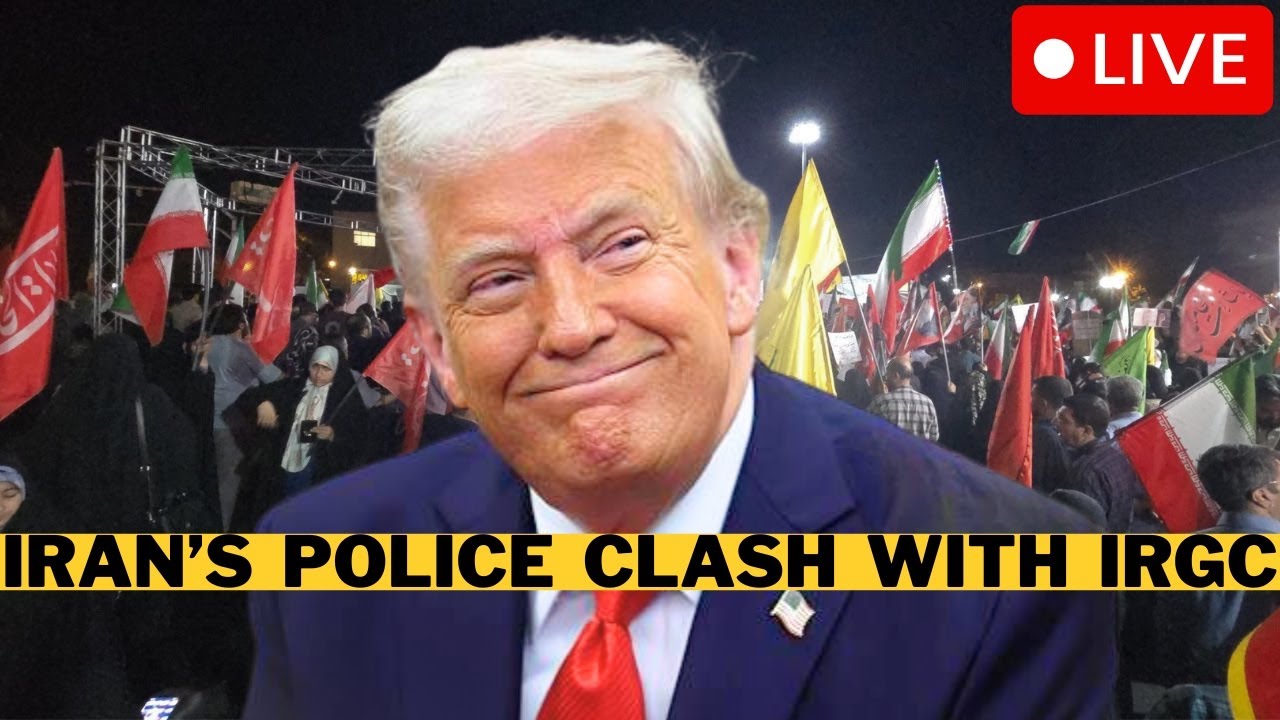
BREAKING: Protests ERUPT In Iran Over IRGC Surrendering To Trump - Infighting Clashes In Tehran
"Iran is experiencing severe internal infighting and protests as hardline IRGC elements clash with government figures over a perceived 'surrender' to the US, while mainstream Western media misrepresents the situation."

Alex Krainer: US STRIKES Iran – Iran RETALIATES Against Kuwait, Bahrain & Jordan!
"Amidst escalating US-Iran conflict and Iranian retaliation against regional US allies, this episode argues that US foreign policy is deeply controlled by an 'Anglo-Zionist conspiracy' led by the Rothschild banking dynasty, prioritizing Israeli interests over American ones."

LIVE: Trump HIDES FROM PUBLIC as US SOLDIER KILLED!!! 6/2/2026
"The host exposes alleged government cover-ups regarding military casualties, Trump's unexplained public absence, and questionable political appointments, arguing these reflect a 'regime of loser babies' and a failing foreign policy."