
STREAMING SUCCESS WITH KARLOUS MILLER, DC YOUNG FLY, & SPECIAL GUEST REGINALD | 85 SOUTH SHOW
YouTube · ZZzy8OGOfio
Quick Read
Summary
Takeaways
- ❖Comedy has evolved through three distinct generations: stand-up, social media viral content, and live streaming, all of which now intertwine.
- ❖To remain relevant, creators must be willing to adapt and integrate elements from different comedic lanes.
- ❖The guest streamer, Reginald, transitioned from creating skits to monetizing on YouTube, and then to Twitch streaming, recognizing the distinct opportunities of each.
- ❖Twitch offers a unique 'vibe' and audience attraction compared to other live platforms like Instagram or TikTok, due to its platform-specific build and multi-device accessibility.
- ❖Mastering stand-up comedy, as advised by Marlon Wayans, requires approximately 3,000 stage performances to develop timing, voice control, and audience adaptation.
- ❖The constant 'on-camera' demand of streaming can blur the lines between real life and content creation, necessitating intentional breaks for mental well-being.
- ❖Dealing with live chat negativity on streaming platforms requires emotional control, as trolls often aim to provoke reactions.
Insights
1Multi-Generational Adaptation in Comedy
The comedy landscape now comprises three intertwined generations: traditional stand-up, social media viral content, and live streaming. Successful comedians must learn from predecessors and teach successors, constantly adapting to new platforms and content formats to elevate their careers.
Karlous Miller and DC Young Fly discuss how stand-up, social media, and streaming intertwine, and how 'we all kind of got to like step in each other lane in order to continue to elevate.' Reginald's career path exemplifies this transition.
2Streaming as a Distinct Monetization Path
Reginald's journey from skits to YouTube to Twitch highlights a clear progression in monetizing comedic content. He notes that while Instagram and TikTok offer live features, Twitch provides a 'different vibe' and attracts audiences due to its platform architecture, making it a unique and lucrative avenue for creators.
Reginald states, 'ain't no money in the skit [shit].' He then moved to YouTube for monetization and later discovered Twitch, explaining, 'Twitch live is just something different about Twitch live that just people attract to it because of the way the platform is built.'
3The Rigor of Stand-Up Mastery
Achieving mastery in stand-up comedy requires extensive stage time, not just memorizing jokes. The 3,000-show benchmark, as cited from Marlon Wayans, is crucial for learning timing, voice modulation, pauses, and adapting to diverse audience and venue conditions (e.g., empty clubs, poor sound systems).
DC Young Fly mentions Marlon Wayans' advice: 'in order to be a comedian, you got to touch the stage 3,000 times.' Karlous elaborates, 'in them 3,000 times, that's when you learn how to tell jokes... to an empty club, to a pack club, to a club with a shitty sound system.'
4Navigating Online Criticism and Burnout in Streaming
Live streaming exposes creators to immediate and often harsh feedback from chat, including personal attacks ('rage bait'). This constant interaction can be mentally taxing and blur the lines between real life and online persona, making it essential for streamers to manage emotions and take breaks.
Reginald describes how chat members 'will purposely say [shit] that'll get under your skin' and how 'sometimes you will dumb down your mentality into thinking this is real life.' He emphasizes the need to 'spend time in reality and not always be in front of the camera.'
5The Evolution of Content Formats and Audience Perception
Older generations of creators may initially misunderstand newer content formats, like elaborate streaming 'skits' (e.g., Kai Cenat's jail stream), mistaking them for real events. This highlights a cultural evolution where live, interactive performances are becoming indistinguishable from traditional scripted content for some audiences.
DC Young Fly admits his initial confusion about Kai Cenat's jail stream: 'I was like, why these young [shits] in jail? ... I didn't get the concept of, hey, this is a stream. We going to be doing [shit] in here.' Reginald clarifies that 'skits are short form and long form videos... and live on Twitch is literally the same [shit] but the only difference you want people to feel like they're there with you and you want them to feel like this could be real.'
Opportunities
Multi-Platform Comedy Career Coaching
Offer coaching services for comedians and content creators on how to transition and monetize across different platforms (stand-up, short-form video, YouTube, Twitch). This would cover content adaptation, audience engagement strategies, and monetization models specific to each medium.
Specialized Streaming Production Kits for Comedians
Develop and sell curated streaming setup kits tailored for comedians, focusing on ease of use, quality audio/video, and integration with chat features. This addresses the hosts' initial hesitation about the 'hard work' and technical setup of streaming.
Audience Interaction Management Tools for Live Streamers
Create AI-powered tools or services that help streamers manage live chat, filter 'rage bait,' identify genuine engagement, and streamline interactions to reduce mental load and improve stream quality.
Key Concepts
Generational Blending in Creative Industries
The concept that different generations of creative professionals (e.g., stand-up comedians, social media creators, streamers) must learn from and adapt to each other's methods and platforms to achieve continued success and relevance. This involves 'stepping into each other's lane' rather than staying siloed.
The 3,000-Hour Rule for Mastery
Derived from Marlon Wayans' advice, this model suggests that true mastery in a craft like stand-up comedy isn't just about time, but about the sheer volume of practice (e.g., 3,000 shows) in varied conditions (empty clubs, bad sound, etc.) to refine delivery, timing, and audience connection beyond just memorizing jokes.
Lessons
- For aspiring comedians, prioritize extensive stage time (aim for hundreds, if not thousands, of shows) to develop fundamental comedic timing, voice control, and audience interaction skills.
- Content creators should actively explore and understand the unique characteristics and monetization models of various platforms, including short-form video (TikTok, Reels), long-form video (YouTube), and live streaming (Twitch).
- When transitioning to new platforms, study successful creators on that platform (e.g., Rod G, Kinette on Twitch) to understand audience expectations and content styles.
- Implement strategies to manage online negativity and 'rage bait' in live interactions, practicing emotional control and knowing when to disengage or ignore disruptive comments.
- Schedule intentional breaks from content creation and screen time to maintain mental well-being and prevent the blurring of online persona with real life.
- If considering streaming, start simple by leveraging existing content and conversational styles, as demonstrated by the ease with which the 85 South Show format could be adapted to a stream.
- Diversify content creation beyond a single format; what's funny in a skit might need adaptation for a live stream or a stand-up set.
Notable Moments
The hosts and guest engage in an extended, humorous freestyle rap battle, showcasing their improvisational skills and comedic chemistry.
This segment highlights the core entertainment value of the podcast and the hosts' ability to adapt their comedic talents to different formats, reinforcing the theme of multi-generational comedy.
Quotes
"We all intertwine. And we all kind of got to like step in each other lane in order to continue to elevate."
"Sometimes you will dumb down your mentality into thinking this is real life."
"It's like that adrenaline, you just want to say everything that's going to send you to the next level. And it's like you don't want to say the wrong [shit] either."
"You got to know how to alter your emotions. I ain't even tripping. Don't even get mad. There's no point. I'mma clean it up like a player. Life too short to be mad."
"Ain't no money in the skit [shit]. It's none. You got to find out how to make the money."
"Twitch live is just something different about Twitch live that just people attract to it because of the way the platform is built."
"In order to be a comedian, you got to touch the stage 3,000 times."
"You can have the funniest joke in the world, tell that [shit], you don't know how to tell it."
"Being funny, it's like it's like a superpower cuz it'll save you."
Q&A
Recent Questions
Related Episodes
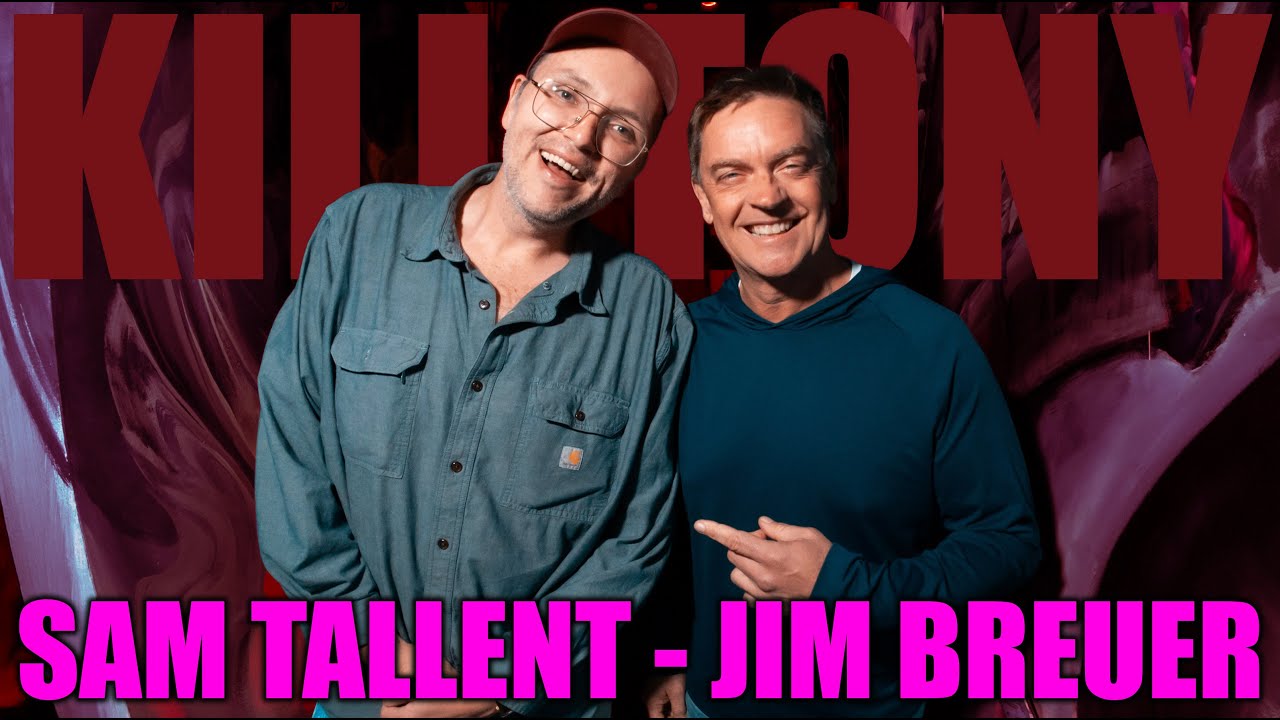
KT #753 - JIM BREUER - SAM TALLENT
"Veteran comedians Jim Breuer and Sam Tallent join Tony Hinchcliffe to critique a diverse lineup of aspiring stand-ups, from a one-year phenom to a 30-year open mic veteran, revealing raw truths about the comedy grind and personal lives."

MARVIN HUNTER | ENGLISH MAJORS SEASON 3 | EPISODE 18
"Comedian Marvin Hunter and the hosts deliver raw, unfiltered takes on modern societal shifts, from parenting and social media to the brutal realities of the stand-up comedy industry."

Ben "The Program" Mintz Is Going To Vegas For Barstool Spring Break | The Yak 4-15-26
"Barstool personalities debate the merits of 'torture streams' versus pure entertainment, while Ben Mintz secures a Vegas trip and Dana Beers shares insights from his college lecture on media leadership."

I have bad news.
"The H3 crew navigates the chaotic aftermath of a successful Subathon, featuring a host's 'blood debt' challenges and a deep dive into the controversial impact of AI on gaming and daily life."