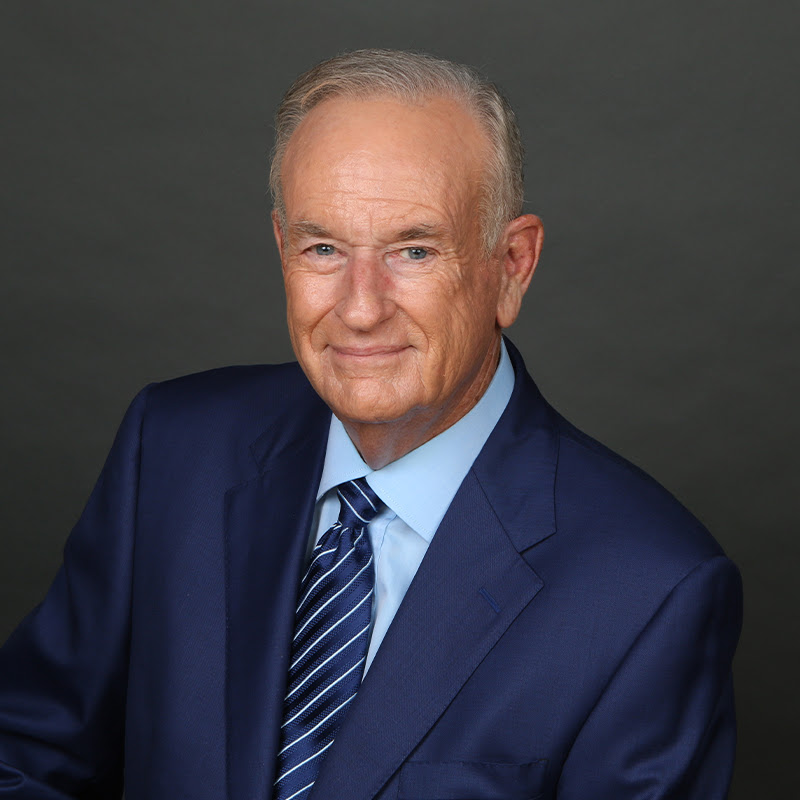
Highlights from BillOReilly.com’s No Spin News | June 19, 2026
YouTube · ZwJgyaXBCsM
Quick Read
Summary
Takeaways
- ❖President Trump's Iran deal is a memorandum of understanding, not a formal treaty, with a 60-day compliance period before potential military action.
- ❖The deal prohibits Iran from both producing and procuring nuclear weapons, a key distinction from previous agreements.
- ❖US taxpayers are not directly funding Iran; instead, frozen Iranian assets are unfrozen, and Gulf States are expected to engage in financial deals.
- ❖European allies are criticized for benefiting from de-escalation without contributing to the efforts to 'tamp down' the Iranian threat.
- ❖The host asserts that Iran had ramped up uranium enrichment and was a threat, contradicting the Democratic Party's narrative about the Obama deal.
- ❖The US has spent $30 billion on the Iranian conflict, with no contributions from European allies like Spain.
- ❖The control of the Strait of Hormuz remains undefined in the agreement, despite Iran's past use of intimidation to disrupt oil sales.
- ❖Dr. Bruce Jennison argues that Trump's war made the Iranian threat worse and that Iran was ready to negotiate a better deal before the bombing.
- ❖There is a significant division of opinion within Israel's intelligence and military community regarding the effectiveness of the Obama-era Iran deal and Netanyahu's political motivations.
Insights
1Trump's Iran Deal: A Conditional Memorandum Backed by Force
President Trump's agreement with Iran is a 'memorandum of understanding' that requires Iran to neither produce nor procure nuclear weapons. This deal comes with a 60-day compliance window, after which Trump explicitly states the US would resort to bombing if Iran fails to adhere. The host emphasizes that this is a significant step back from previous Iranian nuclear pursuits, though not a complete cessation.
Trump states, 'If it doesn't get done in 60 days, that's all right. We go back to bombing.' He also confirms Iran has agreed to 'neither produce nor procure a nuclear weapon.'
2Funding the Deal: No US Taxpayer Money, Reliance on Frozen Assets and Gulf States
Contrary to public concern, President Trump asserts that US taxpayers are not directly funding Iran's cooperation. Instead, the financial incentive for Iran comes from the unfreezing of its assets held in banks worldwide due to past sanctions, and anticipated financial deals with Gulf States. Vice President Vance confirms a potential $300 billion reconstruction fund for Iran, funded by the Gulf Coast Coalition, contingent on Iran honoring its obligations.
Trump: 'We don't give them money. We don't give them any of that.' He explains 'they're going to unfreeze Iranian money... and then there will be money coming from the Gulf States.' Vice President Vance confirms 'funded by the Gulf Coast Coalition.'
3The Strait of Hormuz: A Critical Unresolved Issue in the Agreement
A significant omission in the new agreement is the undefined control of the Strait of Hormuz. While the strait is now open for oil shipping, the question of who controls this vital waterway remains unanswered. Iran previously used intimidation, rather than direct military action, to paralyze oil sales through the strait, demonstrating its strategic importance as an economic weapon.
The host notes, 'Hormuz is still undefined. Okay, we just don't know what that's going to be.' He adds that Iran's 'big weapon' was creating chaos in oil shipping to cause a worldwide depression.
4Contrasting Views on the Deal's Efficacy and Historical Context
The host and Dr. Bruce Jennison present fundamentally opposing views on the effectiveness of Trump's approach versus the Obama-era Iran deal. O'Reilly argues that Obama's deal was ineffective and lacked proper inspections, necessitating Trump's more aggressive stance. Jennison counters that Trump's actions, specifically the bombing, worsened the situation, giving Iran new leverage (like the Strait of Hormuz) and that Iran was prepared to negotiate a better deal before the conflict escalated. He cites Israeli intelligence officials who believed the Obama deal was 'working pretty well.'
O'Reilly: 'Nobody can produce one weapons inspector... that was allowed in there to look at the uranium' during Obama's deal. Jennison: 'This war that President Trump started on February 28th has made the Iranian threat and problem worse, not better.' He quotes Israeli officials saying Obama's deal 'was working pretty well.'
Lessons
- Stay informed about geopolitical developments, particularly those involving major oil-producing regions and global trade routes like the Strait of Hormuz, as they can significantly impact global economics and energy prices.
- Evaluate political narratives critically by seeking out diverse perspectives and evidence, especially when contrasting claims are made about historical events or the effectiveness of policies.
- Consider participating in the stock market, particularly through diversified investments like the S&P 500, as a long-term strategy for capital growth, as emphasized by the host for financial security in a capitalist society.
Quotes
"If it doesn't get done in 60 days, that's all right. We go back to bombing."
"We don't give them money. We don't give them any of that. And what happens is with time, if they behave, if they be a citizen of the world, a reasonable citizen of the world... they're going to unfreeze Iranian money..."
"This war that President Trump started on February 28th has made the Iranian threat and problem worse, not better."
"Nobody can produce one weapons inspector, not one on this earth that was allowed in there to look at the uranium."
"His whole politics were based on pumping up the Iranian threat to distract from everything else that he was doing."
"40% of Americans don't participate in capitalism and a lot of them are yowling about high prices. Come on. You get 4% inflation here. Live in the real world."
Q&A
Recent Questions
Related Episodes
Robby Soave GOES OFF On ANNOYING Liberal Black Woman Making Emotional Trump Deranged Arguments!
"The host dissects a heated foreign policy debate, arguing that 'left-wing' emotionalism and 'Trump derangement' prevent a rational understanding of US sanction strategies against Cuba and Iran."

Iran Deal Skepticism. Whoopi Vs Vance. Potomac Park Invasion. Racist Hurls Slurs At Black Boy.
"This episode dissects multiple instances of alleged anti-Black policies and racial injustice, from the Trump administration's legal challenges to reparations and the Iran deal, to police brutality and the erasure of Black history."

Alex Krainer: US STRIKES Iran – Iran RETALIATES Against Kuwait, Bahrain & Jordan!
"Amidst escalating US-Iran conflict and Iranian retaliation against regional US allies, this episode argues that US foreign policy is deeply controlled by an 'Anglo-Zionist conspiracy' led by the Rothschild banking dynasty, prioritizing Israeli interests over American ones."

LIVE: Trump HIDES FROM PUBLIC as US SOLDIER KILLED!!! 6/2/2026
"The host exposes alleged government cover-ups regarding military casualties, Trump's unexplained public absence, and questionable political appointments, arguing these reflect a 'regime of loser babies' and a failing foreign policy."