
Peptides: The Science, Uses & Safety | Dr. Abud Bakri
YouTube · _DfqnpSbMfE
Quick Read
Summary
Takeaways
- ❖The 'Trinity Stack' of GLP-1s, growth hormone modulators, and androgen therapies is used by celebrities for rapid body transformations.
- ❖Peptides are biological communication molecules, categorized by whether they have known receptors (e.g., GLP-1s) or unknown/elusive receptors (e.g., BPC-157).
- ❖BPC-157, derived from gastric juices, shows impressive regenerative effects in animal studies for gut, tendon, nerve, and burn healing, but human data is minimal and mostly from one research group.
- ❖The legality and sourcing of peptides are complex; many are sold for 'research purposes only' on a gray market with unknown purity and dosage consistency.
- ❖Pinealon (EDR), a tripeptide, is an epigenetic modifier that may improve brain metabolism, cognitive performance, and REM sleep, with no known adverse effects in Russian literature.
- ❖Epitalon, from the pineal gland, influences clock genes and has shown potential in a 15-year Russian longevity study to reduce mortality from cardiovascular disease, infections, and cancers.
- ❖The thymus, crucial for immune cell training, undergoes involution after puberty; peptides like Thymosin Alpha 1 and Thymulin are being explored for immune regeneration.
- ❖GHK-Cu, a copper tripeptide, is a collagen regulator found in skin and hair, showing promise for aesthetic improvements and wound repair, often used topically.
- ❖Growth Hormone Secretagogues (GHS) increase endogenous growth hormone, offering benefits for muscle, skin, and thymus regeneration, but raise concerns about potential cancer promotion and insulin insensitivity.
- ❖GLP-1 agonists (Ozempic, Mounjaro) are transforming obesity and diabetes treatment, but long-term effects, brain interactions, and the need for continuous use are still under investigation.
Insights
1The 'Trinity Stack' for Rapid Transformation
Celebrities and CEOs are reportedly using a 'trinity stack' of GLP-1 agonists (for insulin sensitivity/weight loss), growth hormone or GHR modulators, and androgen modulation therapies (like TRT) to achieve rapid fitness and health transformations, including significant fat loss and muscle gain in short periods.
Host and guest discuss this as a 'celebrity protocol' for quick results.
2BPC-157: A Gut-Derived Regenerative Peptide with Unknown Receptors
BPC-157 is a 15-amino acid peptide derived from a larger gastric protein, discovered in Croatia in the 1990s. Despite extensive animal data showing impressive healing effects on tendons, nerves, and gut lining, its specific receptor remains unidentified. It is thought to modulate growth and healing pathways, including VEGF signaling and nitric oxide synthesis, and exhibits anti-stress effects.
Dr. Bakri details its discovery from Pavlov's gastric juice research, its origin from a 40,000 Dalton BPC protein, and its wide range of regenerative effects in animal models (e.g., severed Achilles, ACL, burn wounds, nerve regeneration).
3BPC-157's Neurological and Homeostatic Effects
Beyond musculoskeletal and gut healing, BPC-157 shows intriguing neurological effects in animal models, reducing intoxication and withdrawal symptoms from alcohol and potentially modulating dopaminergic signaling. Anecdotal human reports suggest it can blunt the effects of stimulants like Adderall and may induce anhedonia, indicating a homeostatic mechanism that prevents the brain from extreme states.
Dr. Bakri describes studies where mice given BPC-157 got 'less drunk' and didn't experience alcohol withdrawal symptoms. He also mentions anecdotal reports of blunted Adderall effects and anhedonia in humans.
4The Complex and Unregulated Peptide Market
The peptide market is a 'Wild West' due to inconsistent regulation. While FDA-approved peptides like GLP-1s are strictly controlled, many others (like BPC-157) exist in a gray market, sold 'for research purposes only.' Sourcing is a major concern, as active pharmaceutical ingredients (APIs) often come from China, and the quality, purity, and actual content of products from compounding pharmacies and research chemical websites can vary dramatically batch-to-batch.
Dr. Bakri explains BPC-157's shift to a Category 2 'do not compound' list, the rebranding as 'PDA' to circumvent regulations, and the widespread issue of inconsistent quality from gray market sources. He notes the API for most peptides originates from China.
5Pinealon (EDR) as an Epigenetic Cognitive Enhancer
Pinealon, a tripeptide (EDR sequence), originally thought to be from the pineal gland but actually derived from brain cortex extracts, acts as an epigenetic modifier. It binds to DNA grooves, influencing gene transcription to improve brain metabolism and cognitive performance. Anecdotal reports suggest it can reduce brain fog, enhance thinking, and surprisingly, increase REM sleep, especially when taken in smaller doses at night.
Dr. Bakri clarifies its origin, its mechanism as an epigenetic modifier, and its reported effects on cognitive performance in athletes and reduced brain fog in users. The host shares his personal experience of increased REM sleep.
6Thymus Involution and Immune Decline
The thymus gland, critical for T-cell development and immune function, undergoes significant shrinkage (involution) after puberty, driven by hormones like androgens and corticosteroids. This decline in thymic function correlates with increased risk of autoimmunity, cancers, and cardiovascular disease with age. Peptides like Thymosin Alpha 1 and Thymulin, derived from the thymus, are being explored to regenerate thymic tissue and boost immune response.
Dr. Bakri explains the thymus's role, its involution from puberty onwards, and its link to various age-related diseases, citing a Nature paper on thymic scores and mortality. He discusses Thymosin Alpha 1's FDA approval for specific immune deficiencies and its use as an adjuvant therapy in other countries.
7GHK-Cu for Collagen and Aesthetic Enhancement
GHK-Cu, a copper tripeptide, is a natural component of type I collagen fibers found in skin and connective tissues. Its levels dramatically decrease with age, leading to interest in its use for aesthetic purposes. Topical application, sometimes combined with red light therapy, is anecdotally reported to improve skin appearance, reduce wrinkles, and aid in wound repair by regulating both collagen synthesis and breakdown.
Dr. Bakri explains its discovery by Dr. Lauren Pikart, its presence in collagen, its age-related decline, and its use in topical formulations for skin and hair, with some studies showing positive aesthetic outcomes.
8GLP-1s: Reshaping Medicine and Public Health
GLP-1 agonists (e.g., Ozempic, Mounjaro) are transforming the treatment of obesity and diabetes, offering unprecedented weight loss (10-30% body weight) and potentially averting a collapse of the healthcare system due to metabolic disease epidemics. While highly effective, concerns remain about long-term use, potential side effects (e.g., anhedonia, low blood sugar from misuse), and their impact on brain function and neuroplasticity, especially in younger users.
Dr. Bakri describes their role in reversing chronic disease, their origin from Hila monster saliva, and the dramatic weight loss observed. He also shares his personal experience of severe side effects from an accidental overdose and discusses concerns about cognitive and social impacts.
Bottom Line
The historical practice of consuming animal gastric juices (e.g., Pavlov selling dog gastric juices) for healing foreshadowed the discovery of peptides like BPC-157, highlighting a long-standing human intuition about organ-derived compounds.
This historical context suggests that the concept of 'organoprotective' compounds from animal tissues is not new, lending a deeper, albeit anecdotal, lineage to modern peptide research.
Re-examining historical practices through a modern scientific lens could uncover other beneficial, naturally occurring peptides or compounds that were previously dismissed.
The rise of GLP-1 agonists has inadvertently normalized self-injection, accelerating the adoption and demand for other injectable peptides in the gray market, creating a 'post-GLP-1 world' where people are more comfortable with this delivery method.
This shift has democratized access to various peptides but also amplified risks due to unregulated sourcing and lack of medical guidance, as consumers are now more willing to self-experiment.
Develop robust, accessible educational platforms and physician-led telehealth services that can guide individuals through safe and informed peptide use, capitalizing on the increased comfort with injectables while mitigating risks.
The lymph-to-monocyte ratio from a standard, inexpensive CBC blood test (often overlooked by physicians) can serve as a simple, general indicator of immune status and disease risk, with a higher ratio suggesting a more robust immune state.
This readily available metric offers a low-cost, accessible way for individuals and clinicians to monitor immune health and potentially stratify disease risk, without requiring complex or expensive tests.
Integrate lymph-to-monocyte ratio analysis into direct-to-consumer health platforms and advocate for its inclusion in routine clinical assessments, potentially linking it to interventions (e.g., lifestyle changes, specific peptides) to track immune modulation.
The absence of 'thymologists' as a specialized medical field, despite the thymus's critical role in immunity and its age-related decline, represents a significant gap in modern healthcare.
This lack of specialization means immune health, particularly age-related immune decline, is often not proactively addressed, contributing to increased susceptibility to infections, cancers, and autoimmune diseases.
Establish dedicated research and clinical programs focused on thymic health, exploring interventions (peptides, hormones, lifestyle) to maintain or regenerate thymus function, and educate the public and medical community on its importance.
The 'looks maxing' trend, particularly among young men, is driving increased interest and use of peptides like GHK-Cu for aesthetic purposes, expanding the peptide market beyond traditional bodybuilding or anti-aging demographics.
This new demographic is seeking rapid cosmetic improvements, often without medical guidance, increasing the demand for unregulated products and potentially exposing a younger population to unknown risks.
Develop targeted, evidence-based aesthetic peptide protocols under medical supervision, offering safer alternatives to gray market products and educating this demographic on the importance of holistic health for appearance.
Opportunities
Physician-Led Telehealth Peptide Platforms
Develop and launch telehealth platforms that connect patients with peptide-educated physicians who can provide guidance, prescriptions (from reputable compounding pharmacies), and monitoring for peptide use, ensuring safety and efficacy while navigating state-specific regulations.
Crowdfunded Independent Peptide Research
Establish a crowdfunded initiative to finance independent, unbiased clinical trials on promising peptides like BPC-157, Epitalon, and Thymosin Alpha 1. This would address the lack of financial incentive for large pharmaceutical companies to invest in compounds with expired or easily circumvented patents.
Standardized Peptide Nomenclature Committee
Form an international committee to establish clear, accessible, and scientifically accurate nomenclature for peptides, similar to genetics nomenclature committees. This would reduce confusion in public discourse and clinical practice, making it easier to discuss and research peptides effectively.
Pet Peptide Industry with Veterinary Oversight
Develop a regulated industry for pet-specific peptides (e.g., BPC-157 for joint issues, Thymosin Alpha 1 for immune support in aged animals), leveraging existing animal data and collaborating with veterinarians to ensure safe and effective use for companion animals.
Integrated Immune Health Monitoring & Intervention Services
Offer services that combine routine blood tests (like lymph-to-monocyte ratio) with advanced imaging (thymic score from full-body MRIs) to provide a comprehensive immune health profile. This would be coupled with personalized recommendations for lifestyle, nutrition, and potentially peptides to optimize immune function.
Key Concepts
Peptide Receptor Classification
Peptides can be broadly categorized into those with known, specific receptors (like GLP-1s, leading to strong, predictable clinical effects) and those with unknown or elusive receptors (like BPC-157, whose mechanisms are less clear but still show biological impact). This distinction is crucial for understanding their predictability and safety profiles.
Thymic Involution and Immune Health
The thymus gland, vital for training T-cells, dramatically shrinks after puberty (thymic involution), leading to decreased immune function with age. This process is accelerated by stress and certain hormones (androgens, estrogens, corticosteroids). Maintaining or regenerating thymic size through interventions like growth hormone or specific peptides is a potential strategy for improving longevity and reducing disease risk.
The Post-GLP-1 World
The advent of highly effective GLP-1 agonists for weight loss has fundamentally reshaped medicine and public perception of injectables. This 'post-GLP-1 world' is characterized by increased comfort with self-injection, a booming gray market for peptides, and a critical need to understand the long-term metabolic, neurological, and social implications of these powerful drugs.
Lessons
- Prioritize foundational health habits: Ensure adequate sleep, morning sunlight exposure, a minimally processed diet, and stress management before considering any peptide interventions.
- Seek physician guidance: If considering peptides, consult a physician who is knowledgeable about their science, risks, and legal status, and who can monitor your health parameters.
- Demand transparent sourcing: If obtaining peptides from compounding pharmacies, inquire about their testing protocols for purity, sterility, and accurate dosage. Avoid gray market 'research chemicals' due to unreliable quality.
- Monitor your lymph-to-monocyte ratio: Ask your doctor to check this inexpensive metric from your routine CBC blood test, as it can provide a general indication of your immune system's readiness and robustness.
Notable Moments
Dr. Bakri's tricep tear healing with BPC-157
Dr. Bakri's personal anecdote of a rapid 3-4 week recovery from a severe tricep tear using locally injected BPC-157 (at a higher dose than typically recommended) highlights the peptide's impressive, albeit unproven, regenerative potential and the current gap in human dosage understanding.
Host's rapid neck injury recovery with BPC-157
Huberman's personal experience of a 2-day recovery from a severe neck pull after a BPC-157 injection, obtained via prescription from a compounding pharmacy, further underscores the anecdotal efficacy of the peptide for musculoskeletal injuries, while acknowledging the placebo effect and lack of controlled data.
Host's unique REM sleep response to Pinealon (EDR)
Huberman's detailed account of Pinealon dramatically increasing his REM sleep (especially when taken mid-night) and having lingering effects on subsequent nights, despite no mention of REM in Russian literature, highlights the unexpected and individualized effects peptides can have, and the need for modern sleep tracking in research.
Dr. Bakri's accidental Ozempic overdose
Dr. Bakri's severe experience of projectile vomiting and misery after self-injecting a high dose of Ozempic (thinking it was 'bunk') serves as a stark warning against self-experimentation with high doses and underscores the importance of careful titration and medical supervision for GLP-1 agonists.
The 'Wolverine Stack' and 'Glow Stack'
The informal naming of peptide combinations like the 'Wolverine Stack' (BPC-157 + TB-500 for healing) and the 'Glow Stack' (adding GHK-Cu for aesthetics) illustrates the rapid, unregulated evolution of peptide use in online communities and the cultural integration of these compounds into performance and 'looks maxing' trends.
Quotes
"People are now stacking their GLP-1 as their insulin sensitivity tool, their growth hormone or their GHR and their androin modulation therapies as this trinity stack to get very fit, very healthy quickly."
"We don't naturally make BPC157. That's what you'll commonly hear online. We make BBC the big uh protein."
"The best job in 2025 was to be a peptide affiliate. Like people made my yearly salary in in a month selling peptides illegally on TikTok."
"Either BBC is as amazing as we think it is and it's unfortunate that millions of people don't have access to it or BBC is actually either ineffective or harmful to people and millions of people are injecting it right now by buying it through online sources. Both cases are very bad endpoints."
"I'm propeptid for pets. Let's say let's say I think there would be beneficial effects. We know dogs when they vomit they end up licking some of the vomit... is he trying to get peptides back from the gastric tract like the first from a pavlovian dog?"
"Our medical system if we didn't have these interventions was going to collapse on itself thanks to the obesity pre-diabetes diabetes epidemics."
"There's no actual scientific category of peptides that gives you a functional definition that's discussable between two people because what do you mean by peptide? Do you mean carnosine or do you mean ratitude?"
Q&A
Recent Questions
Related Episodes
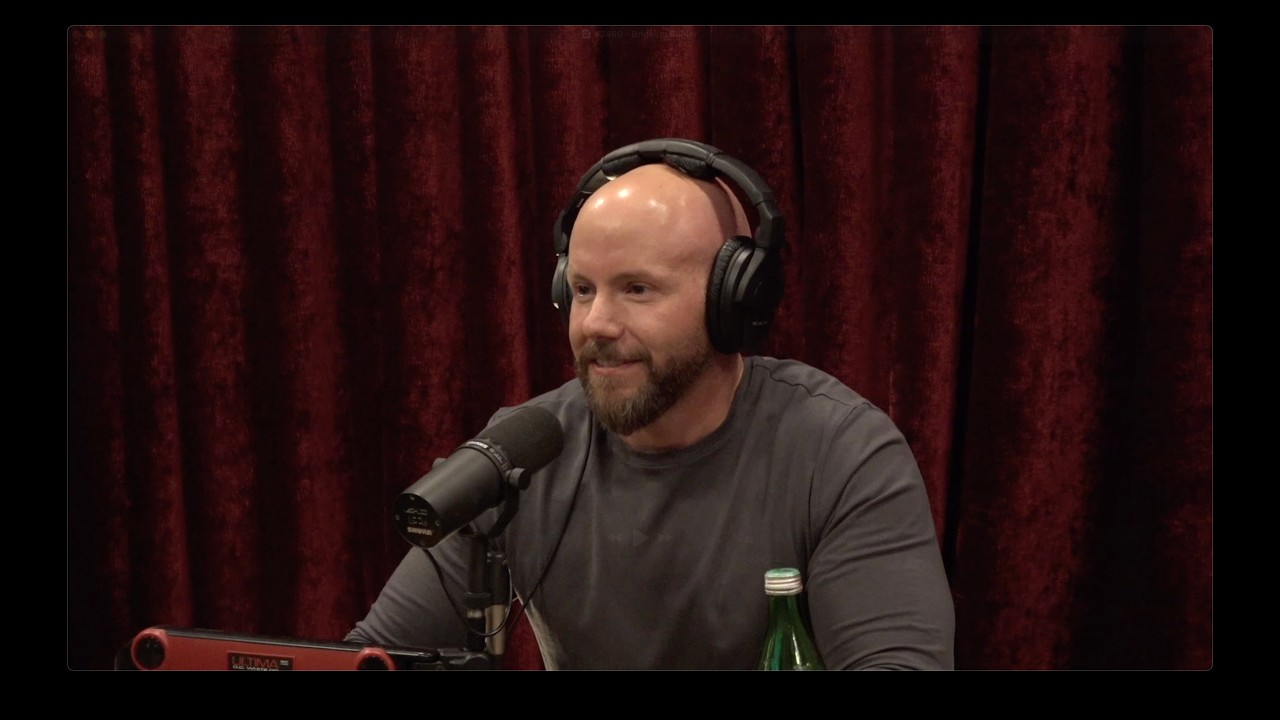
Joe Rogan Experience #2469 - Brigham Buhler
"Brigham Buhler reveals how big pharma's lobbying, outdated regulations, and a 'sick care' system stifle innovation in preventative medicine, while cutting-edge therapies like peptides, gene sequencing, and Muse stem cells are poised to revolutionize health, often through cash-pay models and state-level legislative efforts."

Josh Duhamel - Survival Skills, Off-Grid Living, AI Robots, Billionaires Building Bunkers | SRS #310
"Actor Josh Duhamel details his shift from Hollywood to off-grid living, driven by fears of AI and societal collapse, and shares his personal journey into longevity and spiritual grounding."

Peptide Expert: The Breakthrough Drugs Big Pharma and the FDA Buried
"A peptide expert reveals how groundbreaking compounds with vast health benefits were suppressed by regulatory bodies and Big Pharma, only to re-emerge as potential trillion-dollar drugs, challenging traditional medicine and offering unprecedented personalization."

Beyond the Hype on GLP-1s. Bad Breath Causes. The Push for Better Oral Health in Kids #SecondOpinion
"This episode dissects the widespread use of GLP-1s, uncovers the health implications of chronic bad breath, and highlights critical strategies for establishing early oral health habits in children."