Karmelo Anthony Verdict - GUILTY of Murder - Instant Reaction and Analysis
YouTube · aKqMBiAAXIo
Quick Read
Summary
Takeaways
- ❖Carmelo Anthony was found guilty of murder after only three hours of jury deliberation, indicating overwhelming evidence.
- ❖Legal experts largely agreed with the murder verdict, dismissing the possibility of manslaughter due to lack of provocation.
- ❖The defense's decision not to have Carmelo Anthony testify was a major strategic error, especially for a self-defense claim.
- ❖Defense witnesses were reportedly weak and unprepared, with some even corroborating the prosecution's narrative.
- ❖The Anthony family's spokesperson, Dominique Alexander, was heavily criticized for injecting racial narratives into the case without evidence, potentially harming the defense.
- ❖The court immediately moved into the sentencing phase, with the jury deciding between 5 and 99 years or life, a highly unusual and emotionally taxing process.
- ❖The defense presented only Carmelo Anthony's mother as a mitigation witness during sentencing, a move criticized for its inadequacy.
- ❖Texas law mandates parole eligibility for juvenile offenders, even with a life sentence, distinguishing it from adult cases.
Insights
1Swift Guilty Verdict for Murder
The jury found Carmelo Anthony guilty of murder in just three hours, which legal experts interpreted as a strong indication of overwhelming evidence and a unified jury.
Phil Holloway stated, "Three hours means that the jury was not hung. They didn't have any questions... It looks like the jury was united." This quick decision suggested the evidence clearly pointed to murder over manslaughter. The verdict was announced: "A Colin County jury has found Carmelo Anthony guilty of murder in the death of Austin Metaf."
2Defense's Critical Strategic Errors
The defense made several significant missteps, including not having Carmelo Anthony testify and presenting unprepared witnesses, which severely weakened their self-defense claim.
Megyn Kelly and guests repeatedly highlighted the rarity and detriment of a self-defense case where the defendant does not take the stand. Phil Holloway noted, "The defense witnesses by all accounts were weak, didn't really see much... on cross-examination admitted that Carmelo Anthony was in the wrong and he was the aggressor." Cody Thomas from Court TV described a defense witness admitting they had only spoken for 2 minutes before testifying, while the prosecution had prepped extensively.
3Rejection of Manslaughter Argument
Despite the judge including a manslaughter option, legal experts believed the evidence strongly supported murder, as there was no sudden provocation or heat of passion to justify the deadly force.
Mark Iglar argued for manslaughter based on "reckless indifference" rather than intent to kill, but Phil Holloway and Dave Aronberg countered that plunging a knife into someone's heart constitutes murder, as the law presumes intent for the consequences of one's actions. Megyn Kelly stated, "You cannot respond to a shove with deadly... Manslaughter is reserved for things where you catch your wife in bed with another man and it's extreme emotional distress. This is not extreme emotional distress."
4Controversial Racial Narratives
The Anthony family's spokesperson, Dominique Alexander, repeatedly injected racial rhetoric into the case, accusing the court and country of racism, which was widely condemned by the panel as unfounded and a disservice to justice.
The panel criticized Alexander for attempting to racialize the case without evidence, calling Austin Metaf a "white supremacist," and suggesting the all-minority (but no Black) jury was biased. This was seen as an attempt to nullify the jury or create public unrest. Dominique Alexander's soundbite: "This is a racist ass country. We in a racist ass state. This is a racist ass court... When has a white boy been before an all black jury?"
5Immediate and Limited Sentencing Phase
The court moved directly to sentencing after the guilty verdict, with the jury determining the punishment. The defense called only Carmelo Anthony's mother as a mitigation witness, a strategy criticized as insufficient.
This immediate transition is unusual, and the defense's limited presentation of mitigation evidence (only the mother testifying to his remorse) was seen as a major weakness, potentially leading to a harsher sentence. It was reported: "Carmelo Anthony's mother is taking the stand now... She's the only witness the defense plans to call."
Bottom Line
The lack of cameras in the courtroom fueled speculation and allowed false narratives to proliferate. Implementing live streaming for all trials could increase transparency and combat misinformation, ensuring the public sees the evidence directly.
Public trust in the justice system is eroded when high-profile cases are not transparent, leading to external pressures and misinterpretations of legal outcomes.
Advocates could push for legislative changes to mandate cameras in courtrooms for public interest cases, improving civic education and accountability.
The Anthony family's choice of a controversial spokesperson with a criminal history, who injected racial narratives unsupported by evidence, likely backfired, alienating the jury and undermining the defense.
Poor PR strategy in legal cases can not only fail to sway public opinion but actively damage the defendant's standing in court and exacerbate societal divisions.
Legal teams should integrate sophisticated, ethically sound PR strategies that prioritize factual accuracy and respect for the legal process, rather than inflammatory rhetoric.
Key Concepts
Proportionality in Self-Defense
The legal principle that the force used in self-defense must be proportionate to the threat. Experts argued Anthony's use of a knife against a push was disproportionate and not justifiable.
Jury Nullification
The concept where a jury disregards the law and evidence to acquit a defendant based on conscience or perceived injustice. The panel discussed how external racial narratives attempted to encourage this, but the jury adhered to the law.
Ineffective Assistance of Counsel
A ground for appeal where a defendant claims their lawyer's performance was so deficient it prejudiced the outcome. Experts debated if the defense's actions could lead to such a claim, but concluded it would be hard to prove given the strong evidence.
Lessons
- Prioritize Defendant Testimony in Self-Defense Cases: If alleging self-defense, ensure the defendant is prepared to testify to convey fear and intent, as their absence can be highly detrimental to the jury's perception.
- Thoroughly Prepare All Witnesses: Invest significant time in preparing both prosecution and defense witnesses to ensure their testimony is consistent, credible, and effectively supports the case narrative, preventing cross-examination from undermining their statements.
- Avoid Inflammatory External Narratives: Public relations strategies for legal cases should be fact-based and avoid injecting unsupported, divisive rhetoric (e.g., racial accusations) that can alienate the jury and public, and distract from the legal merits of the case.
Notable Moments
Jury deliberates for only three hours before reaching a verdict.
The remarkably short deliberation period for a murder trial immediately signaled to legal experts that the jury likely found the evidence overwhelmingly conclusive, indicating a clear-cut case.
Verdict of Guilty for Murder announced for Carmelo Anthony.
This moment marked the legal conclusion of the guilt phase, confirming the host's and most experts' predictions and bringing a measure of justice to the victim's family.
Court immediately transitions to the sentencing phase with the jury determining the punishment.
This expedited process, particularly with the jury determining the sentence, put immense pressure on all parties and highlighted the Texas legal system's approach to serious crimes.
Dominique Alexander, the Anthony family's spokesperson, makes inflammatory racial accusations outside the courthouse.
These public statements underscored the external pressures and divisive narratives surrounding the case, which the panel argued were unfounded and aimed at undermining the legal process and public trust.
Quotes
"There's just no chance in my mind that they are not going to find him guilty... I will be shocked, shocked if this is anything other than guilty on the murder count."
"His goose is cooked, Megan. Three hours means that the jury was not hung."
"You don't bring a knife to a verbal assault and a pushing fight. The only thing that got bruised was the ego of the offender."
"This is a racist ass country. We in a racist ass state. This is a racist ass court."
"If you're going to put that defense out there and not put the defendant on the stand, you might as well take that justification affirmative defense and not put it out before that jury."
"He compounded his murder by trying to blame it on the victim and still asserting that now further compounds his own guilt."
Q&A
Recent Questions
Related Episodes

LIVE | Kouri Richins Sentencing Memo. So much new info. It's time for prison.
"The Kouri Richins sentencing memo reveals chilling new details, including children's fears and Corey's calculated malice, while a major education software provider, Canvas, pays a ransom after a widespread data breach."
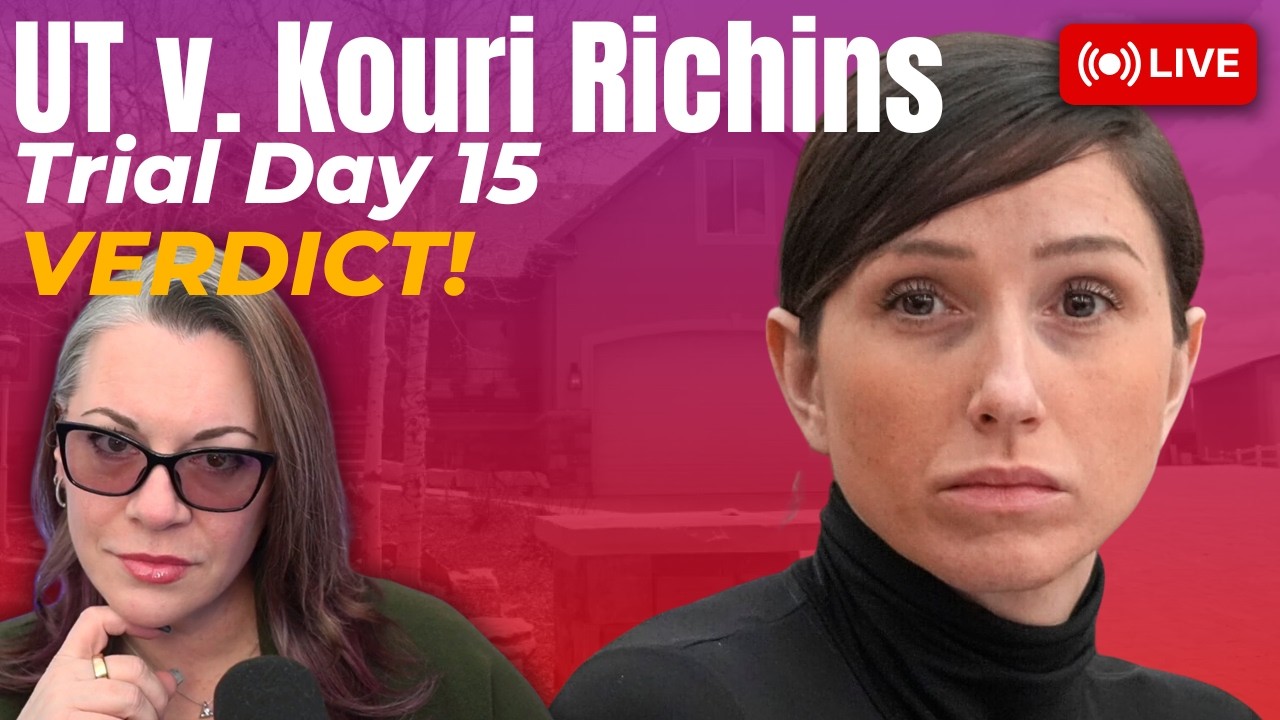
VERDICT -- UT v. Kouri Richins - Trial Day 15
"Kouri Richins was found guilty on all five counts, including aggravated murder, after less than three hours of jury deliberation, surprising the legal analyst and court observers."

Mackenzie Shirilla’s Mom Defends Daughter After “Remorseless” Netflix Interview
"Ashleigh Banfield and Chris Cuomo dissect the Mackenzie Shirilla murder case, her family's controversial defense, and the broader implications of true crime narratives on public perception and the justice system."
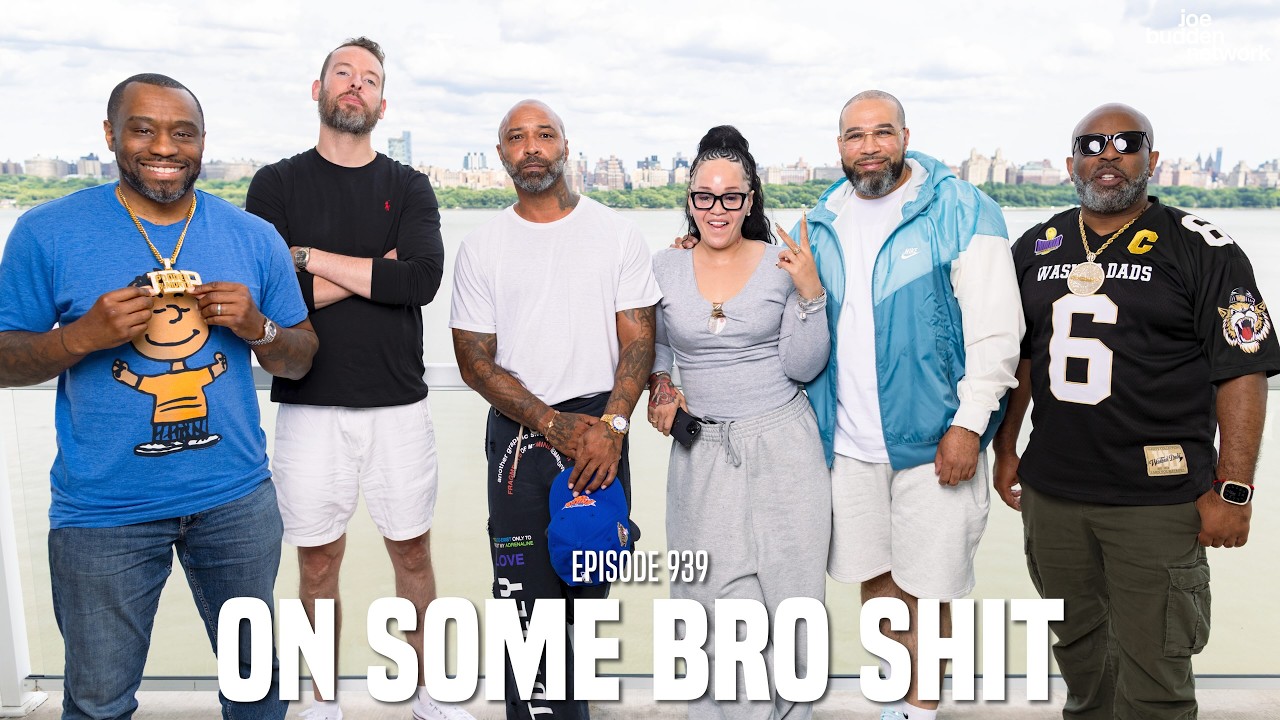
The Joe Budden Podcast Episode 939 | On Some Bro Shit
"The Joe Budden Podcast crew dives into personal grooming, the chaotic Knicks championship parade, the decline of unique cultural experiences, and controversial celebrity revelations, sparking lively debates on relationships, addiction, and public behavior."