
The White House Wants Distance. MAGA Media Wants Blood.
YouTube · aOtQaS7CD4M
Quick Read
Summary
Takeaways
- ❖The White House attempted to moderate its response to the Alex Prey shooting by replacing Greg Bovino with Tom Homan, signaling a desire for distance from the incident.
- ❖MAGA media reacted with outrage, viewing any moderation as a sign of weakness and a victory for the opposition.
- ❖Prominent right-wing commentators like Megan Kelly and Tim Pool expressed a complete lack of empathy for Alex Prey, rationalizing his death as a consequence of 'interfering' with law enforcement.
- ❖The right-wing media's long-standing philosophy of 'no compromise ever' drives their demand for maximalist policies, regardless of political backlash.
- ❖This media environment creates an echo chamber that insulates the administration, making it feel justified in pursuing extreme actions without accountability.
- ❖Social media figures like Nick Stor actively pressure the administration to maintain aggressive stances, further reinforcing the echo chamber.
Insights
1White House Seeks Moderation, MAGA Media Demands Aggression
Following the Alex Prey shooting, the White House indicated a desire to distance itself and moderate its approach, exemplified by replacing Greg Bovino with Tom Homan. However, MAGA media personalities vehemently rejected this, seeing any compromise as weakness and a surrender to the 'leftist activists.' They advocate for maintaining or even escalating aggressive tactics.
The White House's clear indications for distance and moderation (), the appointment of Tom Homan (), and the MAGA media's 'revolt' against supposed moderation ().
2MAGA Media's Lack of Empathy and Rationalization of Force
Key figures in MAGA media displayed a striking lack of empathy for Alex Prey, openly stating they felt no sorrow for his death and rationalizing the use of lethal force. They framed his death as a consequence of 'interfering' with government operations, even attempting to justify an agent's actions by suggesting a phone could be mistaken for a gun.
Megan Kelly's statement, 'I don't give a [__] that this person was killed' (), and Greg Kelly's attempt to rationalize the shooting by suggesting Prey's phone 'looks like a gun' ().
3The Echo Chamber Effect on Administration Policy
The right-wing media's uncompromising stance and audience capture create an echo chamber that blinds the administration. This environment fosters a belief that they don't need to apologize or step back from controversial actions, as their base demands continued aggression. This insulation can lead to politically damaging decisions, as the administration loses touch with broader public perception.
The host states, 'it creates this cocoon that can be blinding for the administration where they feel like, oh, okay, we don't actually have to apologize or we don't have to step back' (). The Gateway Pundit reporter's question at the White House press briefing, deflecting from Prey to Ashley Babbot, exemplifies this insular thinking ().
Lessons
- Analyze media narratives: Pay close attention to how different media outlets frame controversial events to understand underlying political agendas and potential administration responses.
- Identify echo chambers: Recognize when an administration or political movement is operating within a self-reinforcing media environment, as this can lead to predictable and often extreme policy decisions.
- Monitor social media influencers: Understand the role of social media personalities in shaping public opinion and pressuring political figures, as they can significantly impact policy direction and public discourse.
Quotes
"I know I'm supposed to feel sorry for Alex Prey, but I don't. I don't. Do you know why I wasn't shot by Border Patrol this weekend? Because I kept my ass inside and out of their operations. It's very simple."
"When these people come out and go, 'Tim's a bootlicker for defending us.' I'm like, 'No, no, you misunderstand. It's my boots. IT'S MINE. I VOTED FOR THEM. I'M WEARING THE BOOT. I'M STOMPING ON THE GROUND. I AIN'T LICKING ANYBODY.'"
"First, with respect with respect to the shooting in Minneapolis, we're seeing massive outrage from mainstream media and the left. But I'm I'm just wondering where was that outrage when Ashley Babbot, an Air Force veteran, was executed by Capitol Police officer Michael Bird, who she posed no threat to in the US capital."
Q&A
Recent Questions
Related Episodes

America Feels Like A Powder Keg (w/ Jessica Tarlov) | The Focus Group
"This episode unpacks the profound political divisions in America, revealing how voters across the spectrum feel angry, sad, and financially strained, and explores strategies for bridging these divides through direct engagement and a focus on material concerns."

A major shift is happening right now
"Donald Trump is losing his grip on the Republican party and movement, evidenced by internal dissent and a broader political landscape grappling with a collapse of accountability and truth."

HOT TOPICS | Trump's America 250 Kicks Off... and It's a TOTAL FLOP!
"Don Lemon and guests dissect the perceived flop of Trump's 'America 250' event, the Supreme Court's controversial asylum ruling, and the fervent, often contradictory, views of Trump supporters."
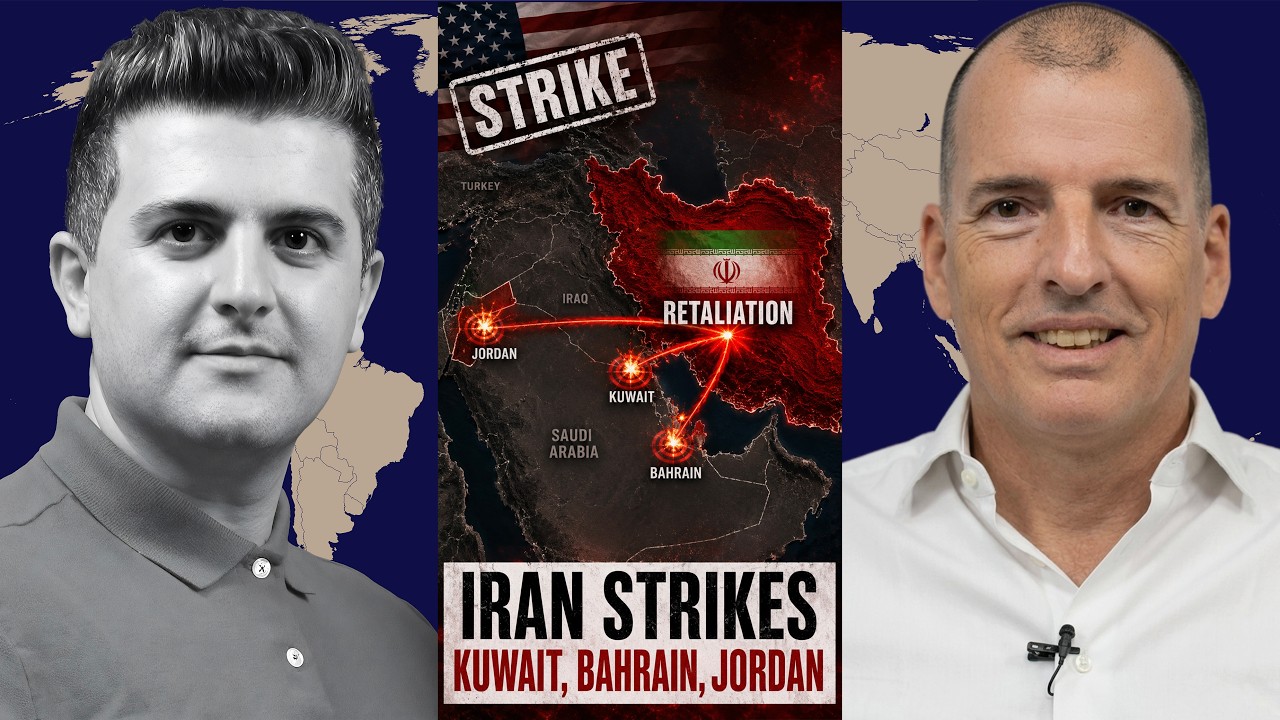
Alex Krainer: US STRIKES Iran – Iran RETALIATES Against Kuwait, Bahrain & Jordan!
"Amidst escalating US-Iran conflict and Iranian retaliation against regional US allies, this episode argues that US foreign policy is deeply controlled by an 'Anglo-Zionist conspiracy' led by the Rothschild banking dynasty, prioritizing Israeli interests over American ones."