BREAKING: Iran DROWNS In Oil; Trump Weighs War; IDF Hits Hezbollah | TBN Israel
YouTube · aWs3FmVJOBs
Quick Read
Summary
Takeaways
- ❖Iran's oil reserves are nearing collapse, with 10 million barrels returned due to a tightening naval blockade, forcing storage at sea and in abandoned tanks.
- ❖The Iranian economy, heavily reliant on oil exports, is estimated to collapse within weeks, leading to fears of renewed internal protests.
- ❖The US rejects Iran's proposal to separate Strait of Hormuz negotiations from nuclear talks, insisting on an all-inclusive agreement covering nuclear, ballistic missiles, and proxy funding.
- ❖Israeli strikes have damaged Iran's oil storage, petrochemical, and steel industries, impacting raw materials for its war machine.
- ❖The US strategy involves sustained economic and military pressure, refusing to pause the blockade during negotiations to prevent Iran from buying time.
- ❖Internal power struggles in Iran show the Revolutionary Guards strengthening their grip, with diplomatic teams lacking authority to make nuclear concessions.
- ❖Hezbollah and Hamas are rebuilding infrastructure in civilian areas, prompting Israeli strikes and highlighting their strategy of using civilians to create diplomatic pressure.
Bottom Line
The US naval blockade is not just impacting Iran's current oil revenue but is causing physical damage to its oil fields by forcing production cuts, which can lead to long-term impairment of wells and require advanced technology (unavailable under sanctions) for recovery.
This suggests a 'scorched earth' economic strategy that aims to permanently degrade Iran's primary economic asset, making post-sanction recovery significantly harder and potentially altering global oil supply dynamics for years.
Companies specializing in advanced oil well recovery or alternative energy solutions could see future demand if Iran's fields are indeed permanently damaged and the regime eventually seeks to rebuild its energy sector under different political conditions.
Iran's attempt to export oil by train to China is an 'unusual and unprofitable move,' indicating the extreme desperation caused by the maritime blockade and lack of storage.
This highlights the effectiveness of the naval blockade in disrupting Iran's most efficient export routes and forcing it into economically unviable alternatives, further exacerbating its financial crisis.
Monitoring such desperate measures can provide early indicators of a regime's breaking point, offering intelligence for strategic planning in sanctions enforcement or future diplomatic engagements.
Lessons
- Recognize that Iran's diplomatic overtures, such as separating the Strait of Hormuz from nuclear talks, are likely negotiation tactics to buy time and weaken resolve, rather than genuine attempts at comprehensive peace.
- Understand that economic pressure, particularly targeting critical infrastructure like oil storage and petrochemicals, can inflict long-term damage beyond immediate revenue loss, affecting a nation's future productive capacity.
- Be aware of the 'hourglass' effect in economic warfare: physical decisions (like cutting oil production due to lack of storage) must be made immediately, even if the full economic impact is delayed, creating irreversible consequences for the target regime.
US 'Maximum Pressure' Negotiation Playbook Against Iran
Maintain and intensify economic and military pressure (blockades, sanctions, strikes) without pause, even during negotiation attempts, to prevent the adversary from buying time or relieving pressure.
Reject compartmentalized or partial negotiation proposals; insist on an all-inclusive agenda that addresses all core issues (e.g., nuclear, ballistic missiles, proxy funding) simultaneously.
Publicly expose and call out the adversary's negotiation tactics, such as drawing out talks or sending unauthorized negotiators, to delegitimize their efforts and maintain international focus on their intransigence.
Leverage physical constraints (e.g., oil storage capacity) to force immediate, damaging decisions on the adversary, creating irreversible long-term consequences for their economy and infrastructure.
Communicate clear 'red lines' and demonstrate a willingness to escalate military action if diplomatic solutions fail to achieve comprehensive objectives.
Notable Moments
Report to Supreme National Security Council in Tehran estimates economy will collapse within weeks due to naval blockade.
This internal assessment highlights the severe and immediate impact of the US blockade, indicating the regime is under extreme pressure and facing an existential threat from within.
US officials assess Iran's negotiating team is not authorized by the Supreme Leader or senior Revolutionary Guards to make nuclear concessions.
This suggests that Iran's diplomatic efforts are largely performative, lacking the genuine authority to achieve a comprehensive deal, reinforcing the US position that military pressure may be necessary for real change.
German Chancellor Frederick Mez criticizes Donald Trump's strategy, stating Americans lack a convincing negotiation strategy and are being 'humiliated' by Iran.
This reveals a crack in the Western alliance, with some NATO members distancing themselves from the US-Israeli approach, potentially complicating international efforts against Iran.
Quotes
"The American pressure is walking and the Islamic Republic is drowning in its own oil."
"Iran's economy depends almost completely on oil exports. And right now, because of the blockade, the revolutionary guards are being forced to take unusual and unprecedented steps to store the oil surplus."
"The US has figured out how the Iranians have negotiated in the past and they're using their own place against them in this negotiation."
"A ceasefire does not erase terror infrastructure. It only changes the pace of the operation against it."
"A regime being economically strangled can choose compromise, but it can also choose fire and escalation."
Q&A
Recent Questions
Related Episodes

Patrick Henningsen: Hezbollah JUST Fired Back at Israel - Iran Vows to “Crush” All Attacks
"Patrick Henningsen argues that the US and Israel initiated an illegal war against Iran, driven by Trump's incompetence and Israeli influence, leading to an inevitable escalation with severe global economic repercussions."
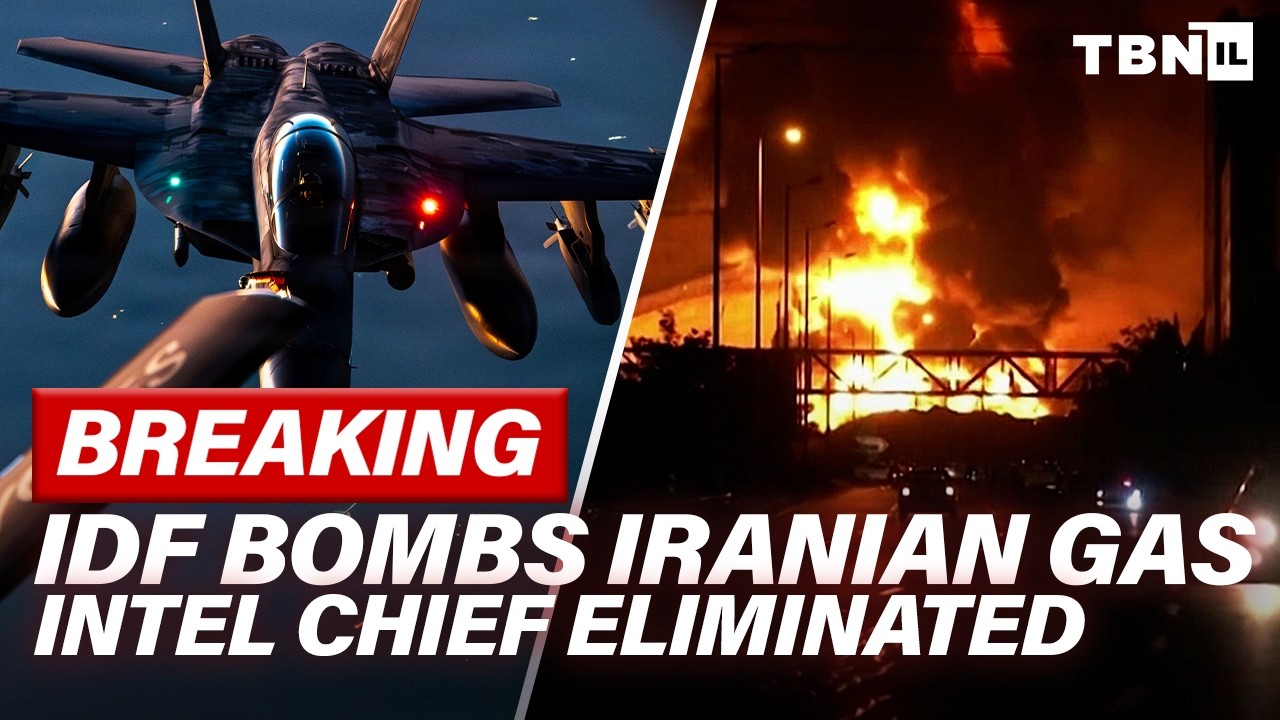
BREAKING: Israel BOMBS Major Iran Gas Site; Top Mullah ELIMINATED; Iran Vows VENGEACE | TBN Israel
"Israel and the United States have escalated their 'Roaring Lion War' against Iran, striking its largest gas facilities, eliminating key intelligence and military figures, and disrupting missile production, while Iran threatens a broader energy war in the Gulf."

BREAKING: Iran Threatens To END Talks; U.S. Vows Retaliation; Hezbollah Collapsing? | TBN Israel
"Iran is leveraging Hezbollah and the Strait of Hormuz to manipulate US negotiations, while Israel asserts its right to dismantle Hezbollah's eroding but still dangerous infrastructure in Lebanon, independent of international talks."

Alex Krainer: US STRIKES Iran – Iran RETALIATES Against Kuwait, Bahrain & Jordan!
"Amidst escalating US-Iran conflict and Iranian retaliation against regional US allies, this episode argues that US foreign policy is deeply controlled by an 'Anglo-Zionist conspiracy' led by the Rothschild banking dynasty, prioritizing Israeli interests over American ones."