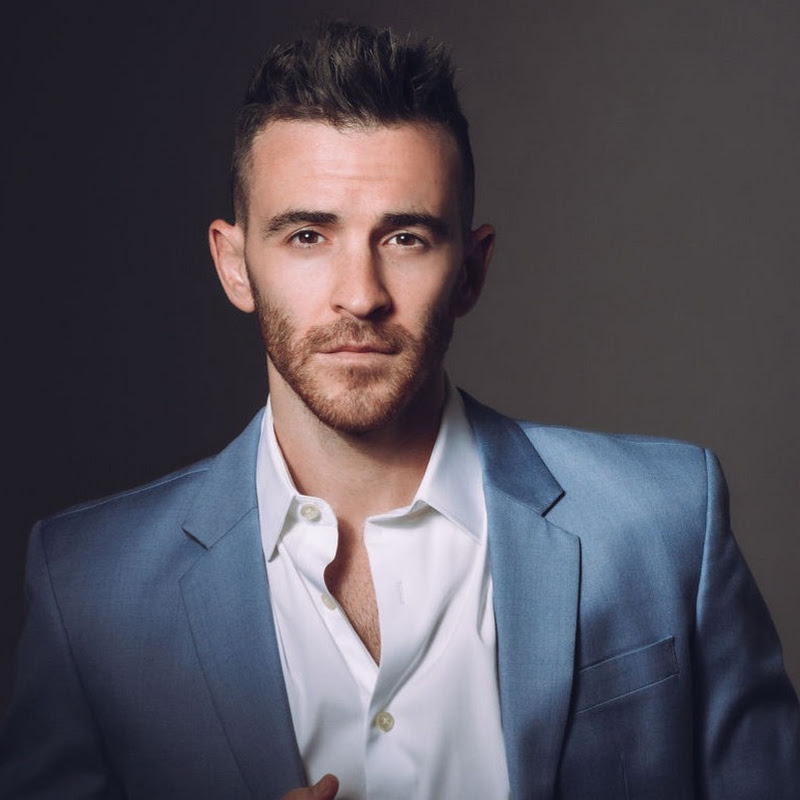
Most hated politician in America gets BAD NEWS
YouTube · b7cH9yOCmig
Quick Read
Summary
Takeaways
- ❖Bobby Le Pin's candidacy forced incumbent Bill Ferguson to reverse his position on 287g agreements, which previously led to deportations.
- ❖Ferguson, as Senate President, allegedly killed a widely supported redistricting bill without debate or vote.
- ❖Le Pin criticizes establishment Democrats for focusing on DC while MAGA systematically takes over state and local offices.
- ❖High energy bills in Maryland are linked to Ferguson's acceptance of over $100,000 from utility monopolies like BGE.
- ❖Le Pin advocates for affordability, rent stabilization, and making homeownership accessible for young people.
- ❖He stresses the power of 165 million working people to fund campaigns with small donations, countering billionaire influence.
Insights
1Challenging Incumbents Can Force Policy Shifts
Bobby Le Pin's announcement of his candidacy against Bill Ferguson directly led to Ferguson changing his position on 287g agreements, which previously allowed Maryland law enforcement to cooperate with ICE. This demonstrates that even the threat of a challenge can influence policy.
Le Pin states, 'just hours after I announced my candidacy, he turned he turned his uh he changed his position on 287g agreements and we actually passed the ban in this in this session. It's been signed into law.'
2Local Politics as a Battleground for Democracy
Le Pin argues that state and local legislatures are critical arenas where impactful decisions are made, often without public scrutiny. He cites Ferguson's use of power as Senate President to kill a popular redistricting bill in committee, preventing a debate or vote, as an attack on the foundations of democracy.
Le Pin explains, 'Bill Ferguson used his power as Senate President to basically kill it in committee. Didn't have a hearing, didn't have a vote.' He adds, 'by my opponent disallowing the rest of the 46 senators in the state of Maryland from even having a debate or a vote on the floor, it literally attacks the foundations of democracy itself.'
3Corporate Influence on Local Policy and Affordability
Le Pin directly links high energy bills in Maryland to incumbent Bill Ferguson's financial ties to utility companies. He highlights that Ferguson received significant campaign contributions and attended exclusive, high-cost events funded by utility executives, while simultaneously blaming the utility companies for rising costs.
Le Pin states, 'the guy I'm running against has taken over $100,000 as the Senate President from BGE, our local uh uh utility monopoly.' He further details a '$25,000 per ticket Colorado getaway' attended by utility CEOs that Ferguson hosted.
4The Strategic Neglect of Local Elections by Democrats
The guest and host contend that establishment Democrats' excessive focus on federal politics (DC) has allowed conservative movements, like MAGA, to quietly and methodically gain control of state and local offices, including school boards, city councils, and state legislatures, with significant long-term consequences.
Le Pin states, 'while we're all focusing on Donald Trump and everyone is focusing on DC... MAGA has quietly and methodically been looking at state races. They've been trying to take over school boards. They've been trying to take over city council races.'
5Grassroots Funding as a Counter to Billionaire Influence
Le Pin emphasizes that despite the vast financial disparity in political campaigns, the collective power of 165 million working people making small donations (e.g., $27) can overcome the influence of billionaires and corporate-backed candidates.
Le Pin contrasts his opponent's $2 million campaign with the potential of '165 million working people in this country. If we rise up together, if those people would find a guy like me and donate 27 bucks to a campaign... This is how we take our voices back.'
Bottom Line
The 'most hated Democrat' label for an incumbent can be a powerful rallying cry for challengers, framing the election as a clear choice against an unpopular establishment figure.
This narrative simplifies the political landscape for voters, potentially mobilizing those disaffected with the status quo within their own party, and can attract broader support than a typical intra-party challenge.
Candidates can strategically leverage public dissatisfaction with incumbents, even within their own party, by highlighting specific unpopular actions or perceived corruption to galvanize support and differentiate their campaign.
The true battleground for policy and democratic integrity is increasingly at the state and local level, while federal politics often remains gridlocked and symbolic.
This implies that efforts to effect meaningful change should prioritize local elections, as these bodies directly control critical aspects of daily life and are more susceptible to grassroots influence than the federal government.
Progressive movements and voters should reallocate resources and attention to state legislative, county, and city council races, recognizing them as the most effective points of intervention for policy reform and countering authoritarian trends.
Lessons
- Prioritize engagement in local and state elections, recognizing their direct impact on daily life and the potential for grassroots influence.
- Support progressive candidates who refuse corporate PAC money and are committed to representing working people, even with small donations.
- Actively participate in local political processes, such as signing petitions or volunteering, to hold elected officials accountable for their actions.
- Educate others on the importance of local government and how state legislatures influence issues like energy prices, education, and civil rights.
- Challenge incumbent politicians who are perceived to be beholden to corporate interests or who obstruct democratic processes like redistricting.
Grassroots Strategy for Local Political Change
Identify specific local issues (e.g., high energy bills, immigration policies, redistricting) where incumbents are perceived to be failing or acting against public interest.
Launch a campaign focused on these tangible local issues, positioning the candidate as a 'working person fighting for working people' against corporate-backed establishment figures.
Leverage small-dollar donations ($27 suggested) from a broad base of working people to counter the financial advantage of corporate-funded opponents.
Utilize social media and community organizing to raise awareness, gather signatures for petitions, and pressure incumbents on key policy stances.
Emphasize the direct impact of local government on citizens' lives and highlight how state legislative actions (or inactions) affect issues like affordability, civil rights, and democratic processes.
Notable Moments
Bobby Le Pin's campaign announcement directly led to incumbent Bill Ferguson reversing his stance on 287g agreements, which previously allowed cooperation with ICE.
This demonstrates the immediate impact a credible challenger can have on an incumbent's policy positions, even before an election.
Bill Ferguson, as Senate President, killed a redistricting bill that overwhelmingly passed the House of Delegates, preventing a Senate debate or vote.
This action is framed as an attack on democratic principles, highlighting how powerful individuals can obstruct popular legislation at the state level.
Le Pin reveals that Ferguson received over $100,000 from BGE and other utility companies, and hosted a $25,000-per-ticket getaway attended by utility CEOs, amidst soaring energy bills for residents.
This directly links corporate campaign contributions to policy outcomes (high energy prices) and exposes potential corruption or undue influence at the state level.
The hosts and guest argue that MAGA's success stems from a methodical focus on state and local races (school boards, city councils, state legislatures) while Democrats remain overly focused on federal politics.
This offers a critical strategic insight into how political power is being built and consolidated at the grassroots, suggesting a necessary re-evaluation of political priorities for progressive movements.
Quotes
"The guy that I'm running against twice killed a provision in a bill that would have prevented Maryland law enforcement cooperation with ICE, the called 287g agreements."
"Bill Ferguson used his power as Senate President to basically kill it in committee. Didn't have a hearing, didn't have a vote."
"While we're all focusing on Donald Trump and everyone is focusing on DC... MAGA has quietly and methodically been looking at state races. They've been trying to take over school boards. They've been trying to take over city council races."
"The biggest investment you can make in life, the biggest investment is investing in someone who will go to, you know, whatever your state house is or whatever your city council is and literally bring your voice with them."
"The guy I'm running against has taken over $100,000 as the Senate President from BGE, our local uh uh utility monopoly."
"For seven cents, Bill Ferguson sold these senior citizens out, sold these working families out, struggling young people trying to still afford a life."
"We don't have to settle for bad Democrats. We don't have to settle for bought and sold Democrats. We have a solution here. It's right in front of us."
Q&A
Recent Questions
Related Episodes

Crazy Eyes Kash Patel is Utterly Screwed | Tim's a Streamer Now
"The host dissects the absurdity of James Comey's 'seashell' indictment and Trump's economic policies, while offering sharp critiques on Democratic Party strategy and the 'doomerism' among young progressives."

Tucker Carlson: Iran War Is The END Of Trump And MAGA
"The Young Turks hosts dissect Tucker Carlson's sharp criticisms of Donald Trump and the 'Iran War,' expose congressional cowardice regarding war powers, and detail the devastating human cost of military conflicts, all while advocating for a unified populist movement to dismantle political corruption."

We're finally breaking it...
"The hosts argue that young, progressive Democrats must abandon outdated political norms, adopt aggressive communication strategies, and reject corporate money to effectively counter Republican tactics and restore faith in democracy."

Trump’s UFC event descends into CHAOS
"This episode exposes alleged political corruption and hypocrisy, from Trump's controversial UFC event and alleged cover-up efforts regarding the Epstein files to the Republican Party's stance on censorship, alongside a data-driven forecast of upcoming US elections."