
The Killing of Theresa Fusco | Full Episode
YouTube · cA-6LrUPbXo
Quick Read
Summary
Takeaways
- ❖15-year-old Kelly Morrissey disappeared on June 12, 1984, followed by her friend, 16-year-old Theresa Fusco, five months later on November 10, 1984, both from Lynbrook, Long Island.
- ❖Theresa Fusco's body was found 25 days after her disappearance, raped, beaten, and strangled, buried under leaves and pallets.
- ❖John Kogut confessed to Theresa's murder after a 12-hour interrogation, implicating John Restivo and Dennis Halstead, despite later recanting.
- ❖The 'Lynbrook 3' (Kogut, Restivo, Halstead) were convicted in 1987 based on Kogut's confession and two hairs allegedly found in Restivo's van.
- ❖In 2003, advanced DNA testing exonerated all three men, revealing the DNA belonged to an unknown male.
- ❖In 2005, John Kogut was acquitted in a retrial after a judge deemed his confession false and incredible.
- ❖In 2025, genetic genealogy matched the unknown DNA to 63-year-old Richard Bilodeau, who lived a mile from the crime scene in 1984.
- ❖Bilodeau's defense attorneys argue the DNA is the only evidence and question the DA's office's shifting stance on DNA's importance compared to the original trials.
- ❖Kelly Morrissey's and Jackie Martarella's murders remain unsolved, leaving their families without closure.
Insights
1Initial Disappearances and Police Response
Kelly Morrissey, 15, vanished on June 12, 1984, initially dismissed by police as a runaway. Five months later, her friend, 16-year-old Theresa Fusco, disappeared on November 10, 1984, after leaving her job at Hot Skates roller rink. Theresa's body was found 25 days later, having been raped, beaten, and strangled.
Kelly's mother, Iris, reported her missing, but police wouldn't take a report for 24 hours (). Theresa's body was discovered by two boys in the woods near Hot Skates (, ).
2Coerced Confession and Wrongful Convictions
John Kogut, who had briefly dated Kelly, was interrogated for nearly 12 hours, leading to a videotaped confession to Theresa's murder, in which he implicated John Restivo and Dennis Halstead. Despite later recanting and a van alibi, the confession and disputed hair evidence led to the convictions of all three men, who were sentenced to over 30 years to life.
Kogut was interrogated through the night for nearly 12 hours (). Detective Joseph Volpe wrote down Kogut's confession (). Kogut was videotaped by Assistant District Attorney George Peck (). The van used in the alleged abduction was reportedly out of commission (). Two hairs belonging to Theresa were allegedly recovered from Restivo's van ().
3Exoneration by Advanced DNA Testing
In 2003, nearly 19 years after Theresa's murder, more sophisticated DNA testing became available. This testing not only excluded Kogut, Halstead, and Restivo but also pointed to an unknown male, leading to the overturning of their convictions.
DNA testing in 2003 led to the overturning of the convictions of Kogut, Restivo, and Halstead (). New testing ruled out the three men and pointed to an unknown male ().
4The DA's Shifting Stance on DNA and Confessions
During Kogut's 2005 retrial, the prosecution still centered its case on his videotaped confession, downplaying the new DNA evidence by suggesting Theresa had a consensual encounter before her abduction. However, in 2025, the same DA's office now relies solely on DNA evidence to indict Richard Bilodeau, highlighting a significant shift in their evidentiary priorities.
The confession became the centerpiece of the case against Kogut at his second trial (). Prosecutors suggested Theresa had a consensual sexual encounter to explain the unknown DNA (). Theresa's best friend Lisa testified Theresa was not sexually active (). In 2025, DA Ann Donnelly stated, 'When you have a DNA match, 100% match. We got the guy.' ().
5Identification of Richard Bilodeau via Genetic Genealogy
After two decades of the case running cold, the FBI used genetic genealogy to match the unknown DNA found on Theresa to Richard Bilodeau. Further surveillance and a discarded smoothie cup confirmed his DNA, leading to his arrest in 2025. Bilodeau was 23 and living about a mile from Hot Skates at the time of the murder.
The FBI used genetic genealogy to find a match to the unknown DNA (). Richard Bilodeau, 63, was arraigned for the murder of Theresa Fusco (). A straw in a discarded smoothie cup confirmed his DNA (). He was 23 and living about one mile from Hot Skates in 1984 ().
Lessons
- Advocate for stringent standards in police interrogations to prevent coerced confessions, especially for vulnerable individuals, and ensure all interrogations are fully recorded.
- Support funding and research for advanced forensic technologies like genetic genealogy, as they are crucial for solving cold cases and rectifying past injustices.
- Demand transparency and accountability from legal institutions regarding past errors, including apologies and compensation for wrongful convictions, to rebuild public trust.
Quotes
"When you have a DNA match, 100% match. We got the guy."
"The court will not accept the confession and, accordingly, finds the defendant not guilty of murder in the second degree under count one."
"I trust in the DNA this time. I am so hopeful that there will be a conviction and we can finally put this to rest."
Q&A
Recent Questions
Related Episodes

True-crime cases with recent developments | 48 Hours Full Episodes
"This episode reconstructs four complex true-crime cases, detailing the harrowing searches for missing persons, the challenges of prosecuting murders without bodies, and the enduring quest for justice in cold cases spanning decades."
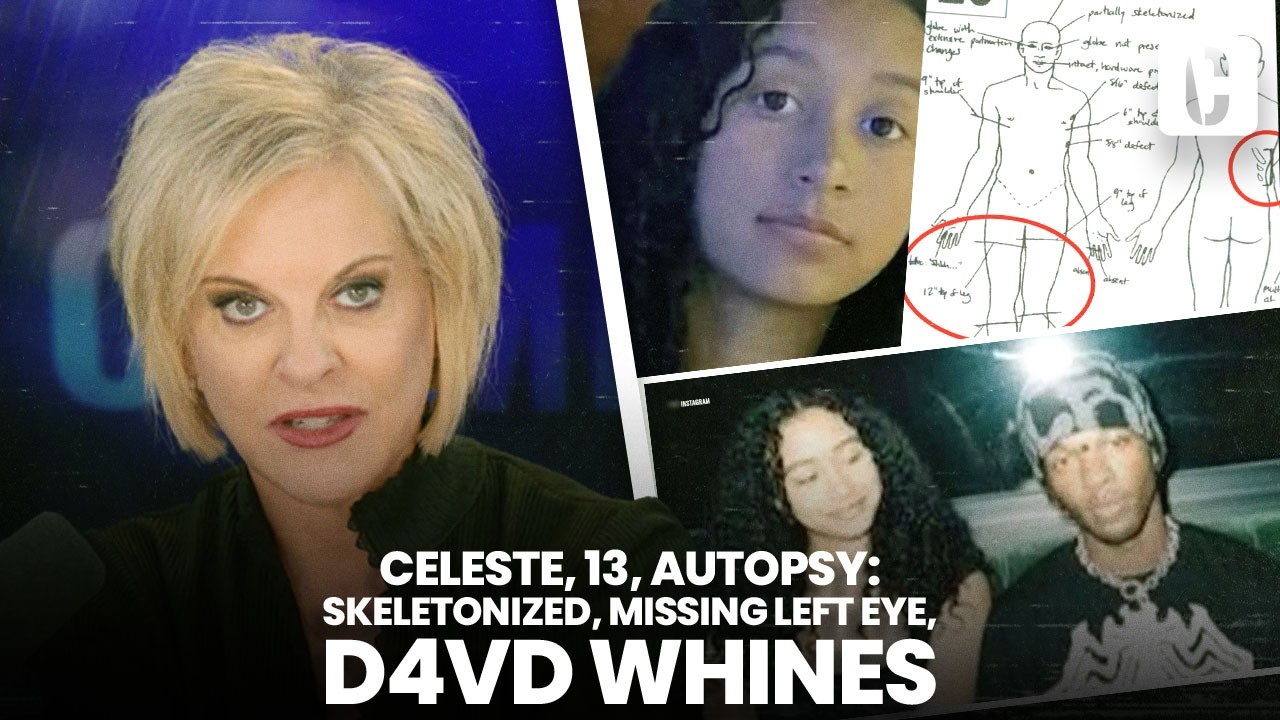
CELESTE, 13, AUTOPSY: SKELETONIZED, MISSING LEFT EYE, D4VD WHINES
"A 13-year-old girl, Celeste Rivas, was found partially skeletonized with a missing left eye, traces of meth and MDMA, and fatal stab wounds, while the accused musician David Anthony Burke (D4VD) complains about jail conditions."

Why is Sheriff not accepting help in Nancy Guthrie search? Exclusive details on Cajun Navy proposal
"The search for Nancy Guthrie enters day 32 with a critical DNA dead end, a refocused FBI-Sheriff task force, and the Pima County Sheriff's controversial refusal of advanced search assistance from the United Cajun Navy."

Mamá me golpeaba, busqué a papá y él me trajo a la cárcel | Yahana #Penitencia 196 #México
"Yahana recounts her harrowing journey from a childhood marred by domestic violence and parental abandonment to drug addiction and eventual incarceration, directly caused by her father's actions."