Falsely accused: innocent people dragged through the mud in Nancy Guthrie case and Idaho murders
YouTube · cHeVBv0ZGc4
Quick Read
Summary
Takeaways
- ❖Online speculation in true crime cases frequently targets innocent people, causing significant personal and professional harm.
- ❖A TikTok psychic, Ashley Gillard, was ordered to pay $10 million for defaming Idaho Professor Rebecca Scoffield by falsely accusing her of the Idaho murders.
- ❖The legal battle, which included the defendant representing herself and cross-examining the victim's family, highlights the emotional and financial toll of online defamation.
Insights
1The Pervasive Problem of Online False Accusations in True Crime
The host observes a recurring issue in major crime cases: individuals with large online followings falsely accuse innocent people of crimes. These theories often go viral without any factual basis, leading to severe real-world consequences for the accused and their families, even after the actual perpetrator is identified.
The host notes this trend in the Nancy Guthrie case, where Tomaso's bandmate, Dominic Evans, was falsely implicated, and extensively in the Idaho murders case (, ).
2$10 Million Defamation Judgment Against TikTok Psychic
In a landmark case related to the Idaho murders, TikTok psychic Ashley Gillard was found liable for defaming University of Idaho Professor Rebecca Scoffield. Gillard had relentlessly posted videos accusing Scoffield of orchestrating the murders based on 'tarot card readings and psychic abilities,' despite a complete lack of evidence.
A federal jury awarded Professor Scoffield $10 million ($2.5 million in compensatory and $7.5 million in punitive damages) for the harm caused by Gillard's false accusations (, , ).
3The Irreversible Damage to Falsely Accused Individuals
False accusations spread online have lasting, often irreversible, negative impacts on the lives and careers of innocent people. Their names become permanently associated with the crime in search results, affecting employment, reputation, and mental health.
Dominic Evans, a teacher, had his career and life threatened by online theories in the Nancy Guthrie case (). Professor Scoffield, a Harvard-educated academic, suffered damage to her career, reputation, and mental health, including a PTSD diagnosis, with experts stating it takes 25-40 years to shake such a reputation (, ).
4Psychic Intuition vs. Legal Facts in Court
Ashley Gillard's defense in the defamation trial was that her intentions were to advocate for victims and that psychics use intuition, not facts. However, the court emphasized the absence of any factual basis for her claims, ultimately leading to the substantial judgment.
Gillard asserted her belief in her psychic abilities and claimed she 'got these other issues correct' (, ). Scoffield's attorney, Wendy Olsen, countered that Gillard had 'no facts, nor have you ever had any facts' (). Gillard's response: 'psychics don't use facts, they use intuition' ().
5The Legal Process and Defendant's Self-Representation
Professor Scoffield pursued legal action after Gillard ignored cease and desist letters, even mocking one in a video. Gillard chose to represent herself in federal court, leading to highly uncomfortable cross-examinations of Scoffield, her family, and her therapist, marking the first time the accuser and victim directly interacted.
Scoffield sent two cease and desist letters, with Gillard mocking one on a toilet paper roll in a video (). Gillard's self-representation resulted in her cross-examining Scoffield, her best friend, therapist, husband, and mother ().
Lessons
- Before sharing or amplifying unverified claims about individuals in true crime cases, consider the profound and lasting damage it can inflict on their lives and reputations.
- Understand that online platforms do not grant immunity from defamation laws; spreading false accusations, even with claims of 'intuition,' carries significant legal and financial risks.
- Support journalistic standards that prioritize facts, attribution, and verification in crime reporting, rather than engaging with sensationalized or unsubstantiated theories that prioritize clicks over truth.
Quotes
"I feel like someone's taken my name. I don't know monetary clickbait to be relevant entertainment, but there are innocent people that get hurt."
"You have no facts, nor have you ever had any facts to point to Rebecca Scoffield as being involved at all."
"It takes 25 to 40 years for something like this to shake from someone's reputation and their name."
Q&A
Recent Questions
Related Episodes

Nancy Guthrie Investigation Mess, Shock Lawsuit Against "The Tell" Author, Kouri Richins Bombshells
"Megyn Kelly and her legal panel dissect a bombshell lawsuit against author Amy Griffin for allegedly stealing a sexual assault story, the ongoing Kouri Richins murder trial involving fentanyl poisoning, and a harrowing IVF clinic mix-up where parents received the wrong baby."
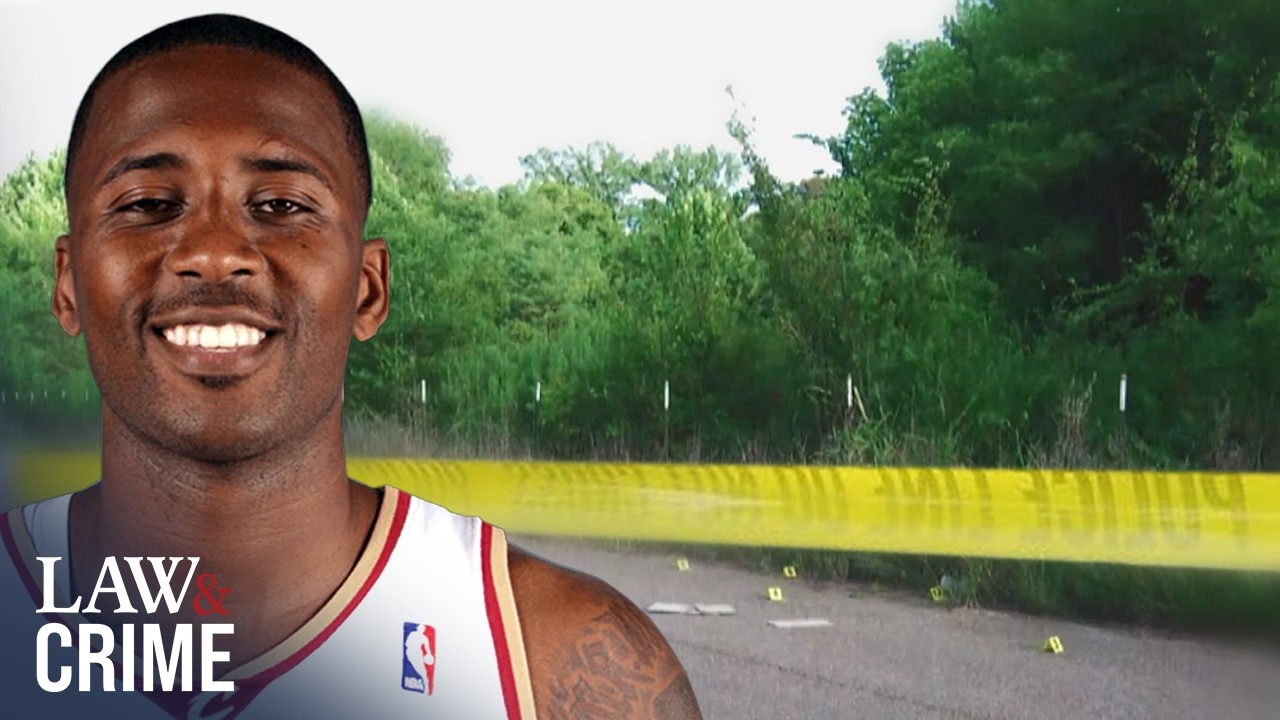
Killer Cases: NBA Star Lured to Execution In Rural Tennessee
"The decade-long cold case of NBA star Lorenzen Wright's murder was cracked through a persistent mother, a jailed informant, and a covert police operation that recovered the murder weapon from a lake and exposed a conspiracy driven by greed."
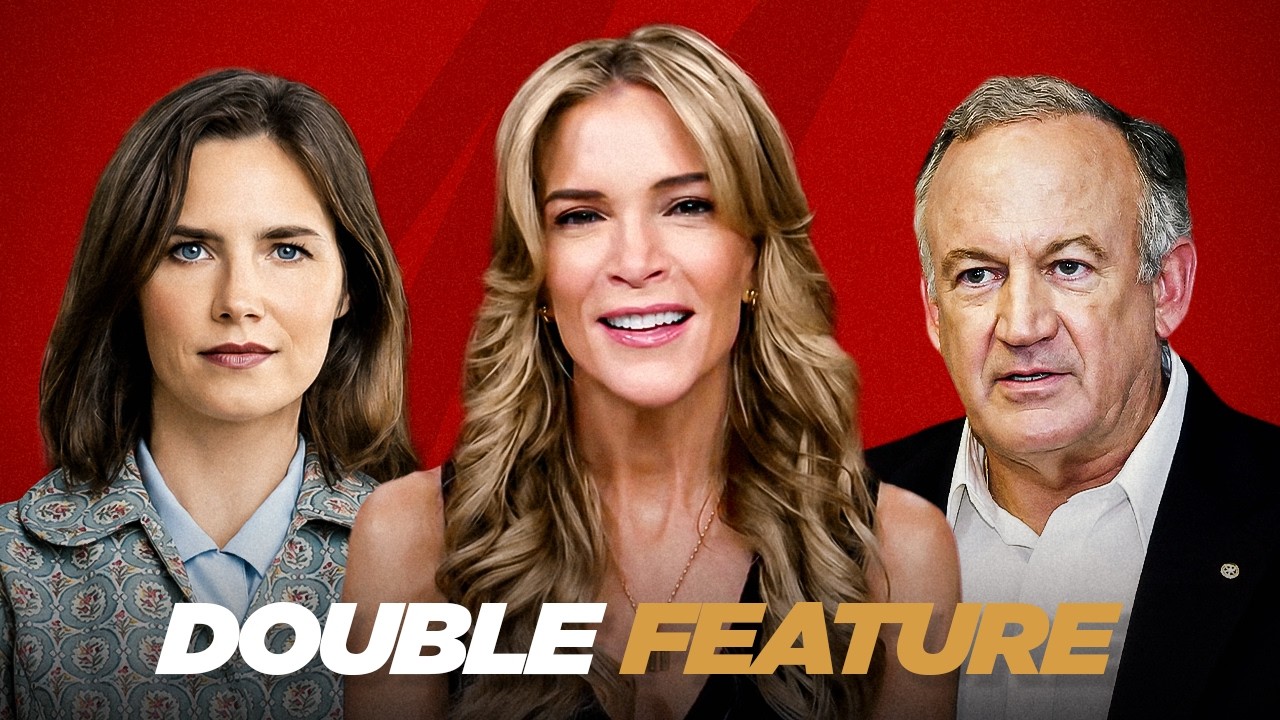
Amanda Knox and John Ramsey - Megyn Kelly's "Double Feature" of Fascinating Interviews
"This episode features two individuals, Amanda Knox and John Ramsey, whose lives were irrevocably altered by tragic crimes and subsequent wrongful accusations, revealing systemic failures in justice and media manipulation."
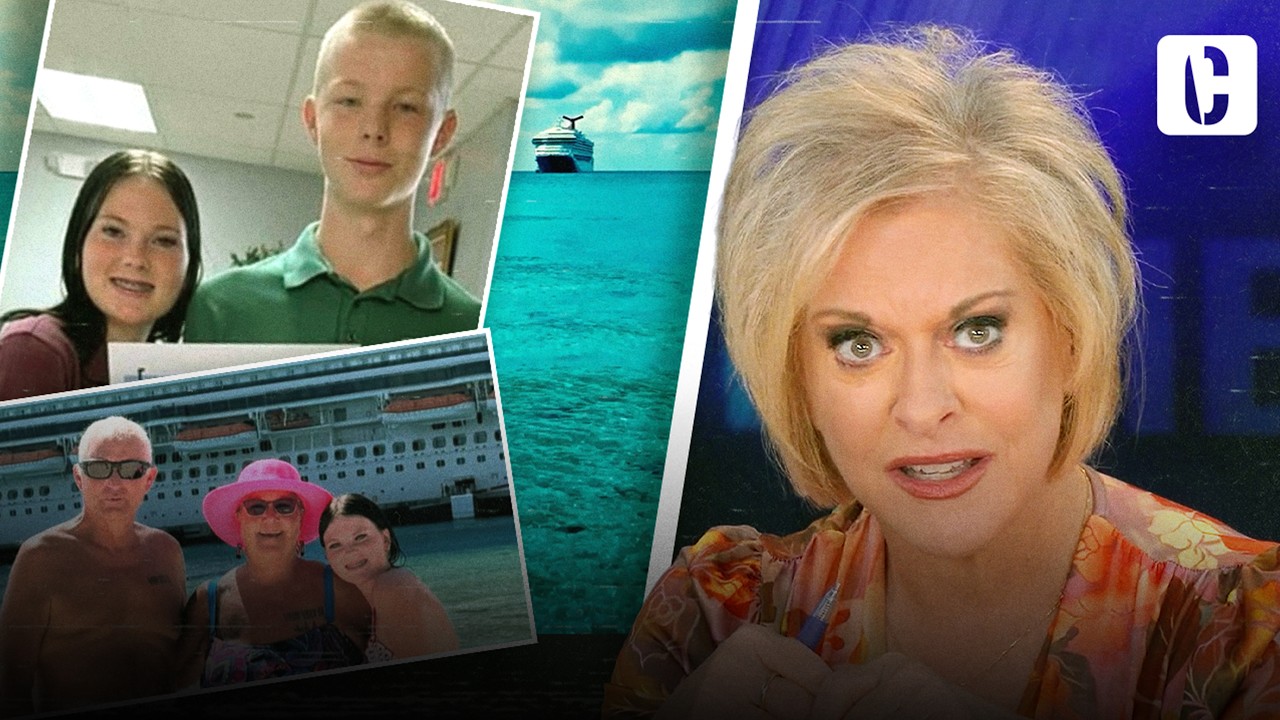
TEEN'S DNA REVEALED IN ANNA KEPNER'S R*** KIT
"The investigation into Anna Keaptainner's death on a cruise ship reveals shocking DNA evidence, a previously unknown male minor, and critical questions about evidence handling and family dynamics."