
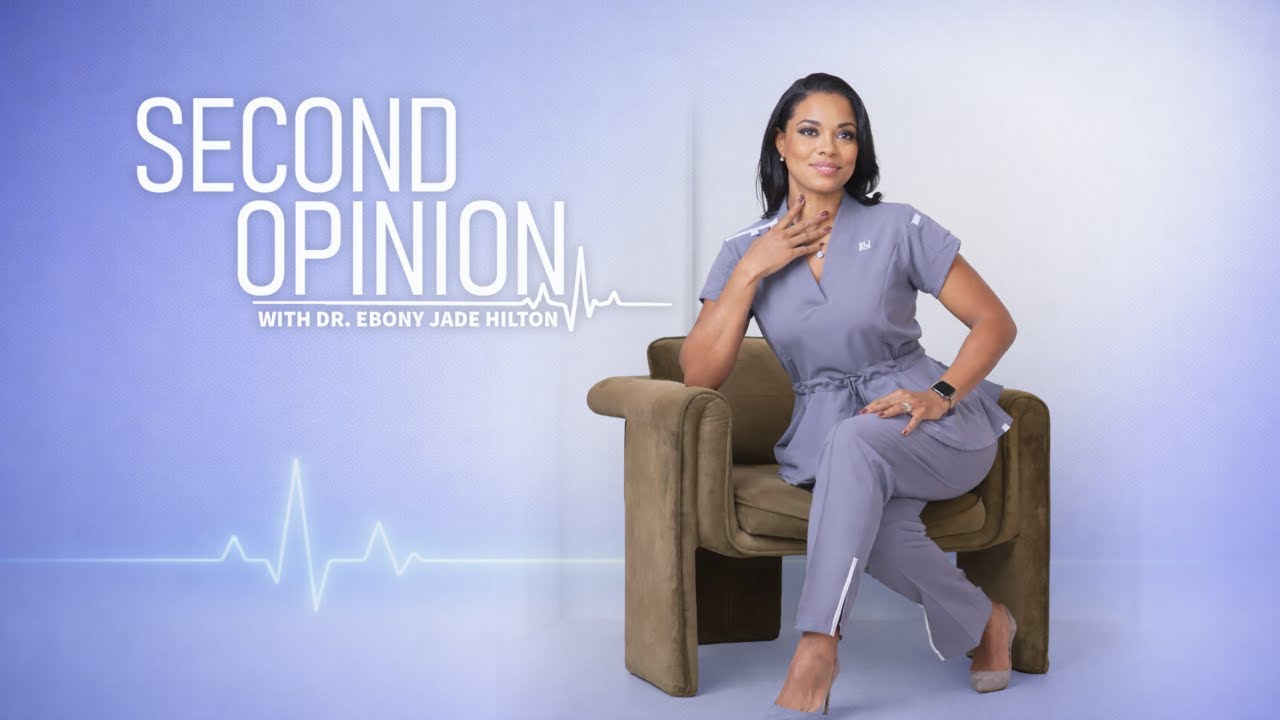
Sickle Cell Truth. Hormone Imbalance. Cancer Risk for Unmarried Adults #SecondOpinion
YouTube · clb-9SLcyDg
Quick Read
Summary
Takeaways
- ❖Sickle cell anemia is a genetic blood disorder, not a 'black disease,' disproportionately affecting Black and brown people due to a malaria-related genetic advantage.
- ❖Sickle cell pain crises are often described as more severe than childbirth or heart attacks, yet patients frequently face medical bias and undertreatment.
- ❖New gene therapies for sickle cell exist but are prohibitively expensive ($2 million), making policy advocacy crucial for accessibility.
- ❖Hormones are chemical messengers; imbalances can be caused by stress, processed foods, B6/Vitamin D deficiencies, and endocrine disruptors like hair relaxers.
- ❖Synthetic hormones (e.g., in birth control) can worsen hormonal imbalances and contribute to conditions like fibroids and PCOS.
- ❖A 2026 study found unmarried men have a 68% higher cancer risk and unmarried women an 83% higher risk compared to married adults.
- ❖Marriage's health benefits stem from built-in social support, accountability, better mental health, and economic stability, not just the marital status itself.
- ❖Women in marriages often carry a disproportionate 'invisible labor' load (60-80% of household management), leading to significant mental and emotional stress.
- ❖Managing cortisol (the stress hormone) through sleep, exercise, stress reduction, and balanced meals is vital for overall health and preventing chronic issues.
Insights
1Sickle Cell Anemia: A Blood Disease, Not a Black Disease
Sickle cell anemia is an inherited genetic blood disorder caused by a single point mutation affecting hemoglobin, leading to rigid, crescent-shaped red blood cells that block tiny blood vessels. While over 90% of U.S. patients are non-Hispanic Black or African-American, this is due to a historical 'malaria effect' where the sickle cell gene provided a survival advantage against malaria in ancestral populations, not because it's exclusive to Black people. The disease causes incredibly painful 'vaso-occlusive crises' and systemic organ damage.
Dr. Leia Bailey states, 'It is not a black disease. It is a blood disease.' She explains the 'malaria effect' where individuals with the sickle gene in malaria-prone areas were more likely to survive to reproductive age, passing on the gene. She also describes the pain as worse than childbirth or heart attacks.
2Systemic Bias in Sickle Cell Healthcare
Patients with sickle cell disease, particularly Black and brown individuals, frequently experience severe bias and undertreatment for their pain in healthcare settings. This systemic issue stems from a medical culture where some still believe Black people feel less pain, leading to misdiagnosis and inadequate care, even for children who cannot articulate their pain.
Dr. Bailey shares her mother was accused of Munchausen syndrome when seeking help for her at age three. She highlights that 'tens of thousands' of sickle cell patients are 'treated horribly' and that some medical professionals 'genuinely graduate medical school believing black people feel less pain.'
3Hormonal Imbalance Causes and Holistic Solutions
Hormones, essential chemical messengers, can be thrown out of balance by numerous factors including chronic stress, diets high in processed sugars and foods, deficiencies in vitamins like B6 and D, and exposure to endocrine disruptors found in products like hair relaxers, makeup, and cleaning supplies. These imbalances can manifest as heavy bleeding, severe PMS, fibroids, endometriosis, insomnia, anxiety, and even male pattern baldness or facial hair growth.
Aosa Edisan, the 'hormone lady,' explains hormones as 'chemical messengers' and lists stress, diet (processed sugars/foods, B6 deficiency), and endocrine disruptors (specifically hair relaxers) as causes. She notes the increased risk of fibroids in young Black women using relaxers.
4Dangers of Synthetic Hormones vs. Benefits of Bioidentical Hormones
Synthetic hormones, such as those found in birth control pills, can exacerbate hormonal imbalances and contribute to conditions like fibroids and PCOS. A holistic approach focusing on diet, stress management, and lifestyle is preferred. When hormone replacement therapy is necessary, bioidentical hormones (structurally identical to those naturally produced by the body) are recommended, particularly using bioidentical progesterone to oppose estrogen and reduce risks of cancer, stroke, and blood clots.
Aosa Edisan states synthetic progesterones in birth control 'increase hormonal imbalance' and cause issues like fibroids to 'continue to grow.' She advocates for bioidentical hormones, emphasizing that 'when anyone is taking estrogen, you always want to have bioidentical progesterone to oppose it,' likening progesterone to 'the police' that keeps estrogen's unchecked growth under control and reduces cancer/stroke risk.
5Marriage and Social Support Linked to Lower Cancer Risk
A 2026 study revealed that never-married adult men have a 68% higher risk and women an 83% higher risk of developing cancer compared to married adults. This correlation is primarily attributed to the built-in social support, accountability, better mental health, and economic stability often found in healthy marriages. Unmarried individuals may delay seeking care, lack consistent health monitoring, and engage in less healthy behaviors.
Dr. Paul Harvey cites a 2026 study and a 2013 SEER trial involving 1.2 million cancer patients, showing unmarried individuals had more metastasized cancers, received less disease-directed therapy, and had lower survival rates. He details social factors (caregiver support, mental health, economic stability) and behavioral factors (encouragement to seek care, reduced smoking/drinking, better diet) that contribute.
6The Burden of "Invisible Labor" in Marriage
Research indicates that women in marriages frequently carry a disproportionate mental and emotional load, managing 60-80% of household and family responsibilities, often referred to as 'invisible labor.' This constant, unseen decision-making and emotional management (e.g., scheduling, remembering birthdays, monitoring children's well-being) leads to chronic stress, resentment, and negatively impacts women's physical and mental health, even within otherwise healthy marriages.
Licensed therapist Robin May discusses research showing 'men fare better in marriage much more than women do because of that invisible labor.' She defines invisible labor as 'the unseen weight that often women carry,' detailing the constant mental tabs (appointments, dues, vaccinations, emotional states of children, gifts, trip planning) that weigh on women.
Key Concepts
The Malaria Effect (Sickle Cell Trait)
Individuals with sickle cell trait in malaria-prone regions historically had a survival advantage against malaria, leading to the gene's prevalence in their descendants, primarily in Black and brown populations, despite sickle cell disease being a global blood disorder.
Endocrine Disruptors
Substances (like chemicals in hair relaxers, cleaning products, makeup) that mimic or interfere with natural hormones, docking in receptors and sending incorrect messages, leading to hormonal imbalances and increased health risks like fibroids.
Invisible Labor / Cognitive Load / Emotional Load
The unseen, unacknowledged mental and emotional work, often disproportionately carried by women in relationships, involving constant planning, decision-making, and emotional management for the household and family. This 'invisible backpack' of responsibilities contributes to chronic stress and negative health outcomes.
Lessons
- For sickle cell patients, actively seek out organizations like the Sickle Cell Community Consortium (sicklecellconsortium.org) for resources, advocacy, and community support.
- To balance hormones holistically, prioritize a diet high in cruciferous vegetables and low in processed sugars, ensure adequate B6 and Vitamin D intake, and actively manage stress through daily rituals.
- Avoid synthetic hormones (e.g., birth control) if possible, and if considering hormone replacement therapy, discuss bioidentical progesterone with your doctor to oppose estrogen and mitigate risks.
- If unmarried, intentionally build a diverse 'advisory team' of friends, family, and colleagues for social support and accountability, establish a regular rhythm for connecting, and create structure in your life through volunteer work or clubs.
- Couples should openly discuss and explicitly divide 'invisible labor' responsibilities, setting clear agreements and regularly reviewing what's working to prevent resentment and reduce the mental load on one partner.
- Prioritize sleep, regular exercise, stress management (breathing, mindfulness), and balanced meals to support healthy cortisol levels and shift your body from 'survival mode to healing mode.'
Building a Robust Support System (for Unmarried Individuals)
Intentionally build a diverse 'advisory team' of best friends, family, and work relationships to share vulnerabilities and hold you accountable for health and well-being.
Establish a consistent 'rhythm' for connecting with your team, whether it's monthly brunches, regular video calls, or shared activities, to maintain ongoing social engagement.
Create structure in your life by joining volunteer teams, book clubs, or other structured group activities that provide consistent social interaction and accountability.
Seek professional counseling or therapy to gain a trusted, objective perspective, process life events, and create a therapeutic synergy for personal growth and mental health support.
Quotes
"All of my friends that have had children say a crisis is worse than child birth."
"There are still individuals that genuinely graduate medical school believing black people feel less pain."
"I think of progesterone actually kind of like the police because it keeps the unchecked growth of estrogen under control."
"Everything that we put on our body, including our heads, can actually affect our hormones."
"The research, if you keep going deeper into it, will show you that if a marriage is consistently contentious, if it's filled with trauma or drama, those people will fare just as low or maybe worse than unmarried adults."
"Men fare better in marriage much more than women do because of that invisible labor."
"Cortisol isn't the enemy, it's a signal. And when you learn how to regulate that signal, your body can shift from survival mode to healing mode."
Q&A
Recent Questions
Related Episodes

Sickle Cell Truth. Hormone Imbalance. Cancer Risk for Unmarried Adults #SecondOpinion
"This episode unpacks critical health issues, from the systemic bias in sickle cell treatment and the pervasive impact of hormone disruptors, to the surprising link between marital status and cancer risk, and the hidden burden of 'invisible labor' in relationships."

Relationship PROBLEMS! || Reddit Stories || Two Hot Takes Podcast
"This episode dives into a series of Reddit relationship dilemmas, from hygiene clashes and chore imbalances to past traumas and classist prejudices, revealing the complex challenges couples face."
Difficult People. Stress Headaches. Dementia Care. What’s Taking a Toll #SecondOpinion
"This episode explores how difficult relationships accelerate aging, the physical toll of stress leading to chronic headaches, and the critical aspects of understanding and caring for loved ones with dementia and Alzheimer's."

Black Infertility Struggles. Vaping Risks. Aging Myths. What Doctors Want You to Know #SecondOpinion
"This episode dissects critical health topics, from the disproportionate impact of infertility on Black women and the hidden dangers of vaping for teens, to challenging societal fears around aging and advocating for comprehensive reproductive health."