BREAKING: U.S. Ultimatum To Iran; Israel Hammers Missile Sites; Gulf Threat Grows | TBN Israel
YouTube · dmfQYRDRvVw
Quick Read
Summary
Takeaways
- ❖The U.S. issued an ultimatum to Iran: a diplomatic deal or military escalation, with significant troop reinforcements in the region.
- ❖Israel conducted over 230 strikes in 24 hours, targeting Iran's ballistic missile production, R&D centers, and chemical weapons development facilities (SPND).
- ❖The UAE is actively considering joining a U.S.-led military effort to reopen the Strait of Hormuz by force, banning Iranian nationals and institutions.
- ❖Iran's Revolutionary Guards have effectively established a military dictatorship, blocking the president's access to power and recruiting Iraqi militias to suppress internal unrest.
- ❖Iran threatened to destroy facilities of major American technology companies (Cisco, HP, Intel, Oracle, Microsoft, Apple, Google, Meta, IBM) in the Middle East.
- ❖IDF operations in Lebanon continue to dismantle Hezbollah infrastructure, eliminating key engineering figures and exposing Hezbollah's use of Christian villages as human shields.
- ❖Canadian Prime Minister Mark Carne condemned IDF actions in Lebanon as an 'illegal invasion,' drawing outrage from Israel.
Insights
1Israel's 'Death Blow' to Iran's Missile Production
The Israeli Air Force executed over 230 strikes in 24 hours, part of a campaign that has hit over 7,000 targets. These strikes specifically targeted Iran's ballistic missile production sites, R&D centers, missile engine testing facilities, and a factory producing air defense systems. The IDF also struck a plant supplying fentanyl to the SPND organization, responsible for chemical weapons development, aiming to dismantle Iran's non-conventional production chain.
IDF revealed over 800 strike sorties, 16,000 munitions, and 5,000 new targets identified. Specific targets included 20 production sites, missile engine testing, and SPND-linked chemical plant.
2UAE Preparing for Direct Military Intervention in Strait of Hormuz
The United Arab Emirates is actively preparing to join a U.S.-led military campaign to forcibly reopen the Strait of Hormuz. This move, potentially with or without UN authorization, is driven by the strait's vital importance to the UAE's economy, energy exports, and regional stability. The UAE has reportedly banned Iranians from entering its territory and shut down Iranian institutions in Dubai, signaling a significant shift from quiet partnership to open confrontation.
Abu Dhabi is pushing for a UN decision but examining military participation without full international backing. Reports indicate potential mine clearance, base support, and even air support roles.
3Iran's Internal Shift to Military Dictatorship
Information indicates Iran is moving towards an effective military dictatorship. The Revolutionary Guards have blocked President Masud Pakistan's access to the supreme leader and pushed the civilian government to the sidelines, consolidating power. The religious establishment now serves as a 'religious shell' over a military-security regime. This internal rupture suggests any future negotiations will be with a 'nervous, suspicious, more extreme and much narrower military structure.'
President Pakistan was blocked from reaching the supreme leader. Revolutionary Guards are the main authority in decision-making.
4Iran Threatens American Tech Companies
The Revolutionary Guards issued a new category of threats, declaring that facilities belonging to major U.S. technology companies in the Middle East would become legitimate targets starting 'tomorrow.' The list includes Cisco, HP, Intel, Oracle, Microsoft, Apple, Google, Meta, and IBM. Iran views these companies as part of the 'planning, tracking and intelligence ecosystem,' indicating a shift towards 'softer targets' as a sign of dangerous weakness under pressure.
Threats to destroy American companies, specifically naming major tech firms, 'starting tomorrow.'
5Hezbollah's Use of Christian Villages as Human Shields
Hezbollah has taken over the Christian village of Kawazakah in southern Lebanon, turning it into a launch base for terrorist operations. Operatives are deliberately basing themselves in Christian villages, assuming proximity to churches and minority communities will provide immunity from Israeli strikes. The IDF issued a severe warning, stating it will act forcefully to remove the threat even from such areas, highlighting Hezbollah's tactic of using diverse civilian populations as human shields.
Hezbollah took over Kawazakah, operating rockets and anti-tank missiles from civilian spaces, assuming immunity.
Bottom Line
Iran's threats against major U.S. technology companies are a sign of weakness, not strength, indicating a shift towards 'softer targets' as military infrastructure is degraded.
This reveals a desperate strategy by a regime under intense pressure, suggesting its conventional military options are severely limited. It also expands the scope of potential targets beyond traditional military assets to include civilian technological infrastructure.
Companies operating in the Middle East must re-evaluate their cybersecurity and physical security protocols, particularly for data centers and critical infrastructure, and enhance intelligence gathering on non-state actor threats targeting civilian assets.
The internal power shift in Iran towards a military dictatorship, dominated by the Revolutionary Guards, will make future negotiations more difficult and lead to a more extreme and less flexible Iranian stance.
This fundamental change in governance structure means that traditional diplomatic channels or civilian-led negotiations may be ineffective. The regime's decision-making will be centralized, suspicious, and less amenable to compromise, complicating de-escalation efforts.
International actors need to adapt their diplomatic strategies, potentially engaging directly with military leadership or recognizing that current negotiation frameworks may be obsolete. This also implies a higher risk of miscalculation due to a narrower, more rigid decision-making body.
The United Arab Emirates' potential open military entry into the conflict over the Strait of Hormuz marks a historic turning point, transforming Gulf states from quiet partners to active combatants against Iran.
This signifies a profound regional realignment and a willingness by Gulf states to take direct military action to protect their economic lifelines. It could lead to a broader, more direct regional conflict involving multiple state actors.
Businesses dependent on shipping through the Strait of Hormuz should reassess supply chain vulnerabilities and insurance policies. Defense and security firms may see increased demand for naval and air defense capabilities in the Gulf region.
Key Concepts
Deal or Escalation (Game Theory)
The U.S. ultimatum to Iran presents a classic game theory scenario where two outcomes are possible based on Iran's choice: a negotiated settlement or a heightened military confrontation. This model highlights the strategic pressure applied to force a decision.
Regime Consolidation (Political Science)
Iran's internal shift towards a military dictatorship, with the Revolutionary Guards sidelining the religious establishment and the president, exemplifies a regime consolidation model. This involves the concentration of power in a specific military-security apparatus, often in response to external pressure and internal instability, leading to a more extreme and less flexible governance structure.
Lessons
- Monitor U.S. and Israeli military communiques for signs of further escalation or shifts in operational focus, particularly regarding the Strait of Hormuz and Iran's nuclear program.
- Assess geopolitical risk for operations in the Middle East, specifically considering Iran's threats against American technology companies and the potential for expanded conflict in the Gulf.
- Understand the implications of Iran's internal power shift to a military dictatorship for regional stability and the viability of diplomatic solutions, recognizing a more rigid and extreme decision-making structure.
Notable Moments
The hosts, Ya Pinto and Mati Shashani, emphasize their 'boots on the ground' perspective and highlight the supernatural aspect of Israel's survival during Passover.
This segment grounds the geopolitical analysis in a specific cultural and religious context, framing the conflict as a modern-day biblical struggle and reinforcing the hosts' credibility as direct observers.
A humanitarian aid branch in Dimona, Israel, was hit by a missile, displacing 470 residents and severely damaging the facility, yet operations continued.
This illustrates the direct civilian impact of the conflict and the resilience of local aid organizations, providing a concrete example of the human cost of the war beyond military statistics.
Quotes
"The American Secretary of Defense is issuing an ultimatum, a deal or escalation."
"The war against Iran will not continue longer, much longer."
"We are moving towards a sustained, decisive outcome against Iran."
"For those countries who are missing jet fuel, come and get it. Come and take it. We've done the dirty work for you on the ground versus Iran. Come and get the jet fuel because it's waiting for you. Come and pull it out of the hands of the Iranian regime."
"Iran has been destroyed. The hard part is over. Go get oil."
"The IDF will act with force to remove the threat even from such areas."
"Canada and their prime minister is giving terrorist organization political cover in Lebanon and accuses the IDF, the only army that is trying to dismantle the threat of this terrorist organization of doing something illegally."
Q&A
Recent Questions
Related Episodes
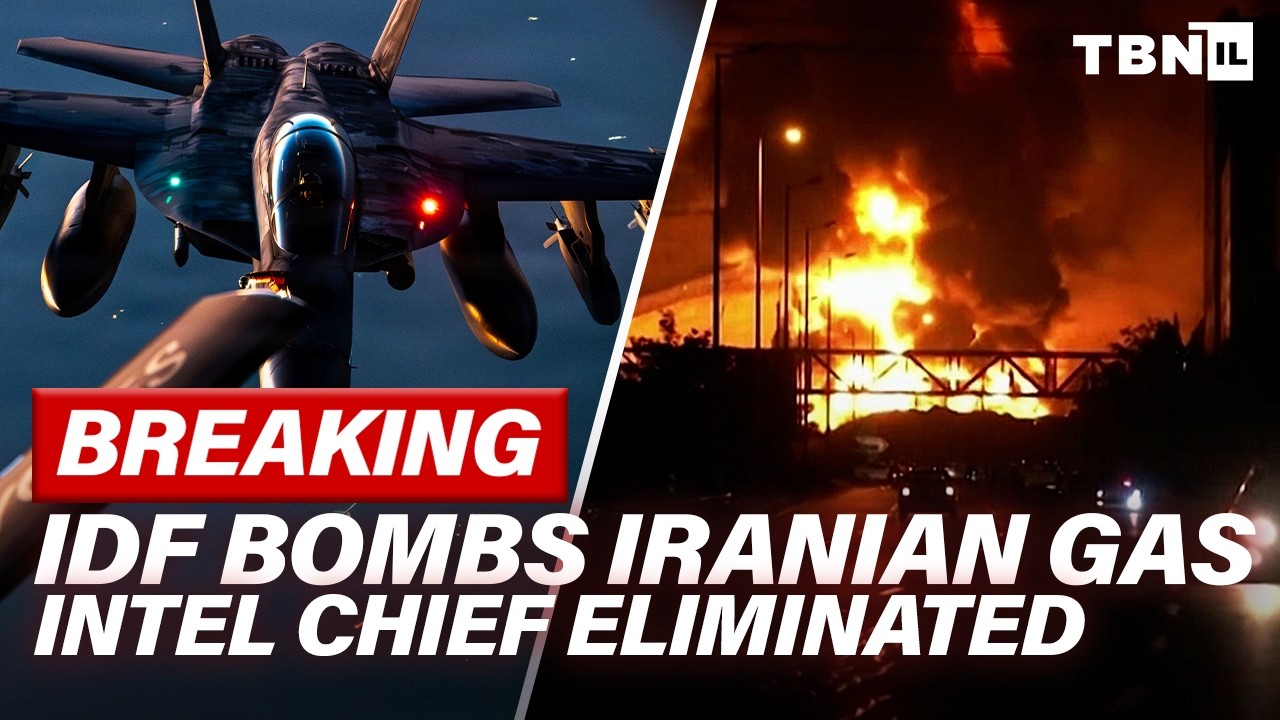
BREAKING: Israel BOMBS Major Iran Gas Site; Top Mullah ELIMINATED; Iran Vows VENGEACE | TBN Israel
"Israel and the United States have escalated their 'Roaring Lion War' against Iran, striking its largest gas facilities, eliminating key intelligence and military figures, and disrupting missile production, while Iran threatens a broader energy war in the Gulf."

Patrick Henningsen: Hezbollah JUST Fired Back at Israel - Iran Vows to “Crush” All Attacks
"Patrick Henningsen argues that the US and Israel initiated an illegal war against Iran, driven by Trump's incompetence and Israeli influence, leading to an inevitable escalation with severe global economic repercussions."

LIVE: Trump HIDES FROM PUBLIC as US SOLDIER KILLED!!! 6/2/2026
"The host exposes alleged government cover-ups regarding military casualties, Trump's unexplained public absence, and questionable political appointments, arguing these reflect a 'regime of loser babies' and a failing foreign policy."
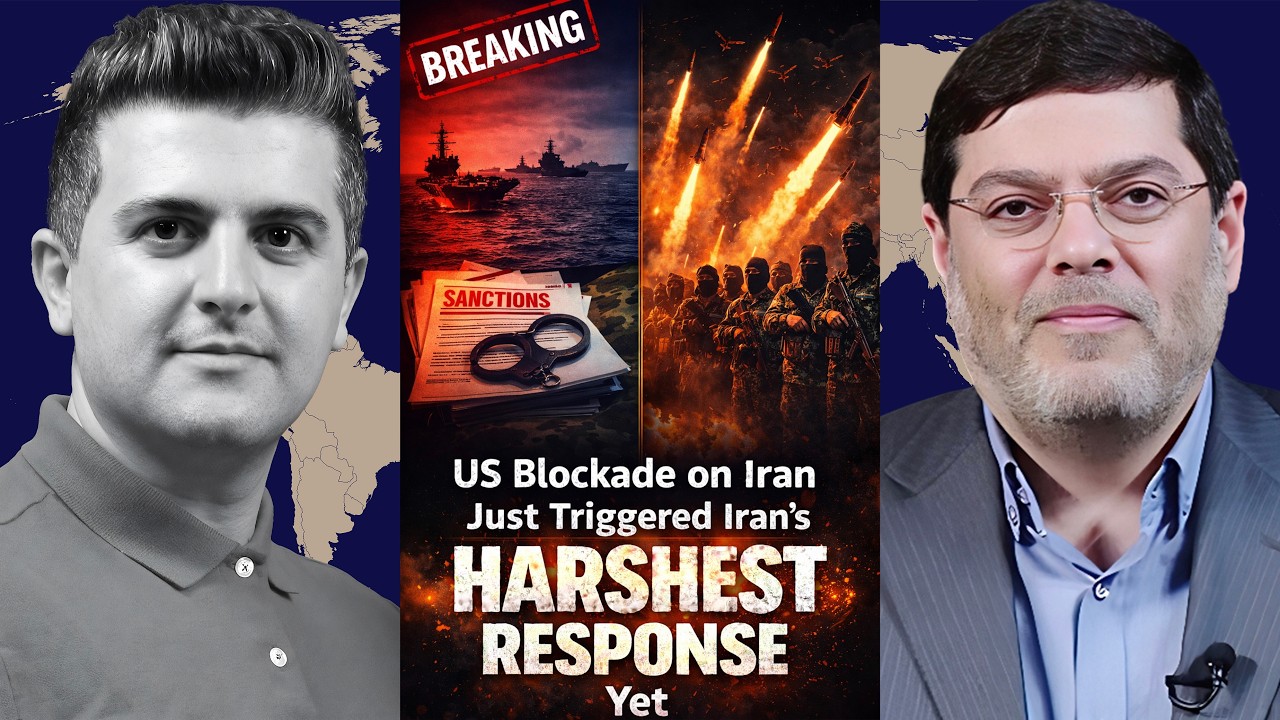
Seyed M. Marandi: US Blockade on Iran Just Triggered Iran’s HARSHEST Response Yet
"An Iranian professor details how US demands and an imposed blockade triggered Iran's harshest response, exposing American strategic missteps and the vulnerability of Gulf Arab states."