BREAKING: Ballistic Missile SLAMS Israel; U.S. Mobilizes Troops; Saudi Eyes Joining War | TBN Israel
YouTube · eXEPBEIy--Q
Quick Read
Summary
Takeaways
- ❖An Iranian ballistic missile directly hit Aad, southern Israel, causing extensive civilian infrastructure damage but no fatalities.
- ❖US President Trump announced a 5-day delay in planned strikes on Iranian energy facilities, claiming 'serious negotiations' with Iran, including agreements on nuclear weapons and uranium transfer.
- ❖Iran's senior official, Muhammad Bagir Galibbaf, and official media outlets flatly denied any negotiations with the US, attributing Trump's pause to Iranian threats and market manipulation.
- ❖The US military is moving nearly 50,000 troops, over 150 aircraft, destroyers, and submarines towards the Strait of Hormuz, indicating preparation for broader military options.
- ❖Saudi Arabia and the UAE are reportedly close to actively joining the fighting against Iran, with Saudi Arabia already allowing US military base usage for strikes.
- ❖Israel's Air Force conducted targeted strikes deep inside Iran, eliminating a missile array commander (Kamid Mizra) and a senior scientist (Dr. Sed Shaman Khali) in their homes.
- ❖Iranian missile launches towards Israel have decreased from hundreds per day to approximately 10 per day, shifting strategy to focus on symbolic, high-impact penetrations.
- ❖The Zaka organization, composed of 4,000 volunteers, provides critical first response, search and rescue, and casualty management services in Israel and internationally, operating with extensive training.
- ❖Iran is increasing attempts to harm Israeli embassies globally, including drone attacks, indicating an effort to globalize the conflict.
Insights
1Conflicting Narratives on US-Iran Negotiations Amidst Escalation
President Trump announced a 5-day delay in planned strikes on Iranian energy infrastructure, claiming 'serious' negotiations with Iran that included agreements on nuclear weapons and enriched uranium transfer. However, Iran, through its parliamentary speaker Muhammad Bagir Galibbaf and official media, vehemently denied any direct talks, asserting that Trump's pause was a result of Iranian threats and an attempt to calm oil markets. This creates a dual narrative where diplomacy is publicly claimed by one side and denied by the other, while military preparations continue.
Trump's announcement of a 5-day delay and claims of 15 points of agreement (, , ). Iranian denials from senior official Moshen Razi and Muhammad Bagir Galibbaf, stating 'no negotiations' and 'war will continue' (, , ).
2Massive US Military Mobilization to Strait of Hormuz
Despite Trump's diplomatic overtures, the Pentagon is moving significant forces towards the Strait of Hormuz, including nearly 50,000 US troops, over 150 aircraft, destroyers, and submarines. This substantial deployment suggests that the US is preparing for all military options, indicating that the '5 days of grace' might be a tactical move to allow for force build-up rather than a genuine de-escalation towards an agreement.
Reports of American military moving nearly 50,000 US troops towards the Strait of Hormuz (, ). Details of reinforcements including Marines, 150+ aircraft, destroyers, submarines, and potential third aircraft carrier ().
3Gulf States Shift Towards Active Involvement Against Iran
Patience in the Gulf states has run out after repeated Iranian attacks on their oil infrastructure and tourism centers. Saudi Arabia and the United Arab Emirates are reportedly close to actively joining the fighting against Iran, with Saudi Arabia already allowing the US to use military bases on its territory for strikes. Bahrain has also circulated a draft UN Security Council resolution authorizing the use of 'all necessary means' to ensure freedom of navigation in the Strait of Hormuz, signaling a regional front forming against Iran.
Saudi Arabia and Emirates close to joining fighting (, ). Riyad allowing US military base usage (, ). Bahrain's draft resolution for UN Security Council under Chapter 7 for freedom of navigation ().
4Israeli Targeted Eliminations of Iranian Missile Personnel
Israel continues its war against the Revolutionary Guards, conducting targeted strikes deep inside Iran. Reports confirm the elimination of Kamid Mizra, a commander in the Zul Fagar missile array, and Dr. Sed Shaman Khali, a senior electrical engineering professor identified with missile and defense infrastructure. These strikes directly hit their homes, aiming to dismantle both the launch chain and the technological knowledge base of Iran's missile industry.
Reports of eliminations in the heart of Iran, including missile array commander and senior scientists (, ). Specific names: Kamid Mizra (Zul Fagar missile array commander) and Dr. Sed Shaman Khali (electrical engineering professor) eliminated in direct strikes on their homes (, ).
5Iranian Missile Strategy Shifts to Lower Quantity, Targeted Hits
A senior IDF official revealed that Iran's missile capabilities have been significantly degraded. While Iran initially aimed for hundreds of missile launches per day, it has now dropped to an average of around 10 launches per day. The new strategy focuses on less quantity but more effort to create moments of penetration, symbolic hits, and difficult images, indicating attrition but still posing a dangerous threat.
Senior IDF official clarifying persistent damage to Iranian regime but also rebuilding efforts (, ). Iran no longer capable of hundreds of launches per day, now around 10 per day (, ). Shift to less quantity, more effort for symbolic hits ().
6Zaka's Expertise in Mass Casualty and Missile Strike Response
The Zaka organization, an Israeli first responder and search and rescue group, plays a vital role in the aftermath of missile strikes. Its 4,000 volunteers, including medics and paramedics, undergo extensive training (3.5 months for Zaka certification, one tier above community search and rescue) to manage mass casualty events, understand structural collapses, and locate survivors. Their work involves immediate life-saving, information gathering, and providing dignity to casualties, as exemplified by their response to the Aad missile strike where, miraculously, no fatalities occurred despite extensive damage.
Interview with Zaka rescue worker Simha at the Aad missile hit site (). Zaka's role as first responders, saving lives, dealing with chaos, and managing injured (, ). Details on 3.5 months of training for volunteers, including EMT/medic/paramedic skills, IDF and fire department collaboration, and dealing with collapsed buildings (, , ). Discussion of the missile's blast effect peeling facades off buildings ().
Lessons
- Support organizations like Zaka, which are on the front lines of emergency response, saving lives and providing dignity in the aftermath of attacks. (zaka.org)
- Stay informed about geopolitical events by seeking out diverse news sources and sharing information to counter misinformation.
- Engage in prayer for peace and protection for those affected by conflict, including soldiers and civilians in the Middle East.
Notable Moments
Host Mati Shosani reports live from Aad, southern Israel, at the site of a direct Iranian ballistic missile hit, showing the extensive damage to civilian buildings.
This on-the-ground reporting provides immediate, visual evidence of the conflict's direct impact on Israeli civilians, grounding the geopolitical discussion in concrete reality.
An interview with Simha, a Zaka rescue worker, at the Aad missile strike site, detailing the organization's response protocols, the nature of blast damage, and the miraculous absence of fatalities.
This segment offers a rare glimpse into the humanitarian aspect of missile attacks, highlighting the critical role of highly trained first responders and the unexpected outcomes of such events.
Quotes
"The war will continue until we receive compensation and the sanctions are fully removed."
"This doesn't look like a military moving into war ending mode. It looks like a military preparing all the options."
"This is no longer only an American response. It is the beginning of a formation of a regional and international front around the principle that freedom of navigation must be preserved by force if necessary."
"Israel is operating not only against the stockpile but also against the people who keep the machine running."
"If there ever was a holy, if there ever was a sanctified work, it's saving lives."
Q&A
Recent Questions
Related Episodes
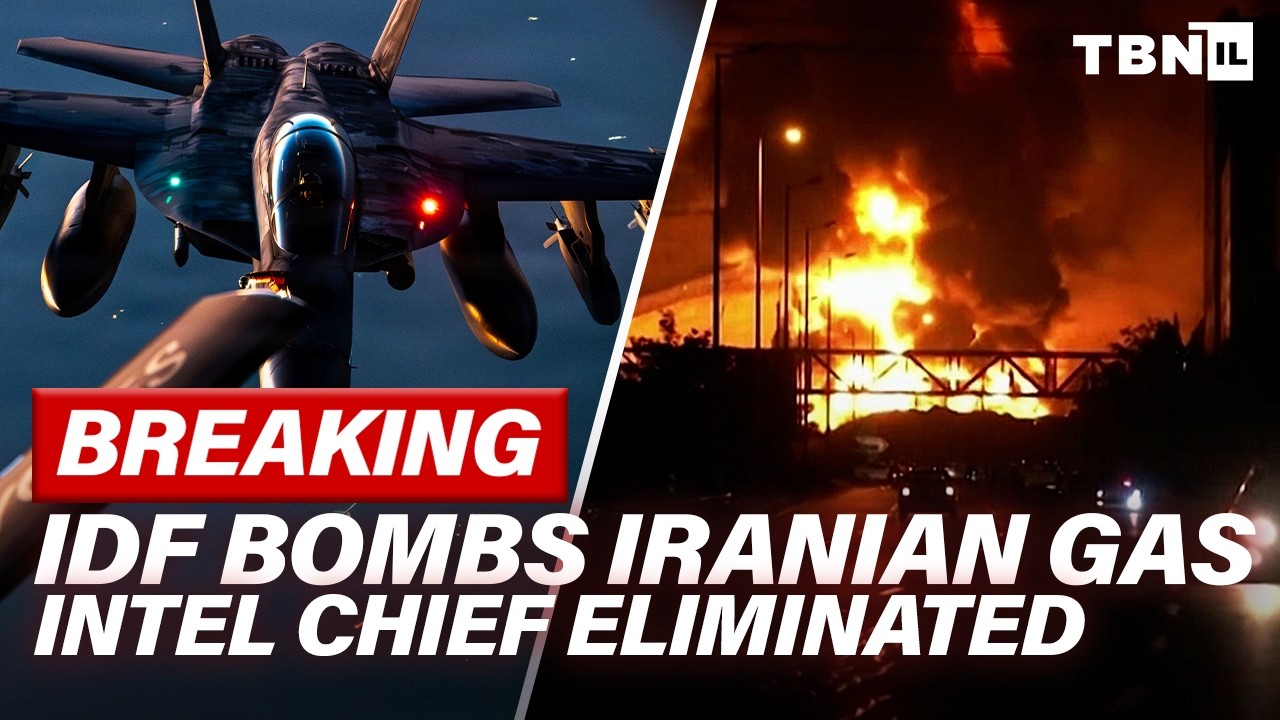
BREAKING: Israel BOMBS Major Iran Gas Site; Top Mullah ELIMINATED; Iran Vows VENGEACE | TBN Israel
"Israel and the United States have escalated their 'Roaring Lion War' against Iran, striking its largest gas facilities, eliminating key intelligence and military figures, and disrupting missile production, while Iran threatens a broader energy war in the Gulf."

Patrick Henningsen: Hezbollah JUST Fired Back at Israel - Iran Vows to “Crush” All Attacks
"Patrick Henningsen argues that the US and Israel initiated an illegal war against Iran, driven by Trump's incompetence and Israeli influence, leading to an inevitable escalation with severe global economic repercussions."
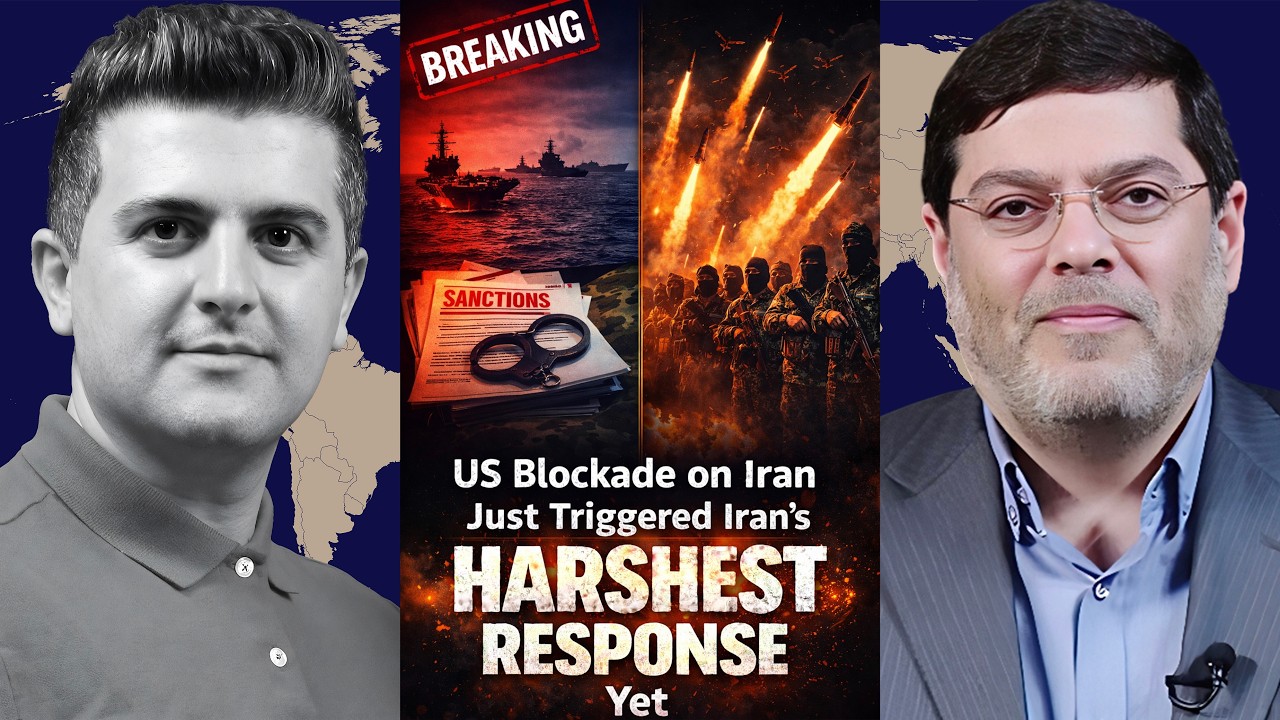
Seyed M. Marandi: US Blockade on Iran Just Triggered Iran’s HARSHEST Response Yet
"An Iranian professor details how US demands and an imposed blockade triggered Iran's harshest response, exposing American strategic missteps and the vulnerability of Gulf Arab states."

🚨 TOTAL F*CKING CHECKMATE 😂😂😂
"The host argues that Trump's 'ceasefire' with Iran was a calculated '5D chess' move to orchestrate a global energy market reshuffle, while simultaneously lambasting 'woke' domestic policies and the 'freefall' of anti-Trump conservative figures."