
Dark Secrets of Hawaii’s Big Island Exposed: Vanished in Paradise
YouTube · g8OZ2KmH0CM
Quick Read
Summary
Takeaways
- ❖The Big Island has seen nearly 100 disappearances in the last five years, with many cases remaining unsolved and investigations suspended.
- ❖Many missing individuals, like Kelly Gravit, William Bishop, and Landon Fairbanks, were outsiders seeking peace or dealing with personal struggles, often last seen in high-crime areas like Pajoa.
- ❖Families of the missing consistently report police inaction, including failure to collect crucial evidence, slow response times, and detectives taking extended leave during critical periods.
- ❖The Hawaii Police Department is severely understaffed (75 officers short) and has a history of officer misconduct, including tampering with evidence and falsifying records.
- ❖A recurring pattern involves missing persons' vehicles being found with new occupants, often women, who provide inconsistent stories, and evidence like blood in cars is dismissed or mishandled.
Insights
1Alarming Rate of Disappearances on the Big Island
In the past five years, nearly 100 people have disappeared from Hawaii's Big Island, averaging one person every 2-3 weeks. Most of these disappearances occur in high-crime areas such as Hilo, Kyua, Kona, and Pajoa. The average age of the missing is 44, older than typical missing person demographics, with 13 individuals aged 65 and over.
The host states, "Kelly Grabbit is one of nearly 100 people who have disappeared from the Big Island of Hawaii in just the past 5 years. That's about one person every 2 to 3 weeks." () Public police records analysis showed 93 disappearances tracked from the last 5 years, mostly from Hilo, Kyua, Kona, and Pajoa ().
2Systemic Police Inaction and Misconduct
Families of the missing consistently report severe negligence and lack of urgency from the Hawaii Police Department. This includes suspended investigations due to 'lack of leads,' failure to retrieve critical video evidence before it's overwritten, detectives taking extended leave during active cases, and dismissing suspicious circumstances (e.g., blood in a car) as 'not suspicious.' The department itself has faced numerous accusations of officer misconduct, including assault, drunk driving, tampering with evidence, and falsifying records, and is significantly understaffed.
Kelly Gravit's family reported police never retrieved vape shop video evidence until it was recorded over (). William Bishop's family was told police suspended his case (). Landon Fairbanks' mother was told by a detective they couldn't retrieve a crucial note because they 'didn't want to make her mad' (). The host details that since 2021, at least a dozen officers have been discharged for various crimes, and dozens more suspended for misconduct ().
3Vulnerability of 'Outsiders' and Off-Grid Communities
Many missing individuals were 'Howley's' (outsiders) who moved to the Big Island seeking peace or escape, often finding themselves in vulnerable situations. Kelly Gravit, a veteran with PTSD and TBI, lived in an alleged cult called Cinderland, where he was threatened before his disappearance. Landon Fairbanks, struggling with bipolar disorder and sobriety, had threatening messages on his phone regarding drug debts. These individuals often lacked strong local support systems, making them targets.
Kelly Gravit's father states, "He was an outsider. And it's not easy to be one on the Big Island. The locals call them people like Kelly Howley's." () Kelly chose to live at Cinderland, described as a 'cult' (). Landon Fairbanks' mother mentioned he was 'struggling to stay sober' and had 'threatening messages and voicemails on his phone threatening him' due to drug debts (, ).
4Recurring Pattern of Vehicle Involvement and Suspicious Circumstances
Several disappearance cases involve the missing person's vehicle being found with new occupants, often women, who provide inconsistent or evasive stories. In William Bishop's case, his car was found with a woman who gave shifting accounts, and blood was discovered inside. In Landon Fairbanks' case, a woman called his mother claiming Landon 'signed over' his car, but refused to provide the note and Landon's personal items were left in the vehicle. This pattern suggests a potential connection or method in some disappearances.
William Bishop's car was found with Robera Perry's daughter, and Perry's story about acquiring the car shifted drastically after a polygraph (, ). Landon Fairbanks' car was found with a woman who claimed he signed it over, but she was evasive and refused to give the note to police (, ). Former NYPD detective Mark Pooie notes, "There's seems to be at least one or two women involved in the direct custody of all these vehicles." ()
Bottom Line
The Big Island's unique blend of isolation, off-grid communities (some cult-like), and a strained police force creates a 'perfect storm' for disappearances, particularly for vulnerable 'outsiders' seeking a new life.
This environment allows criminal elements to operate with perceived impunity, making it difficult for law enforcement to track individuals or investigate crimes effectively, especially when victims are transient or socially marginalized.
There is a critical need for external, specialized task forces (e.g., state or federal agencies) to investigate these cases, bypassing local police limitations and focusing on patterns of exploitation within off-grid communities and high-crime areas.
The repeated pattern of missing persons' vehicles being found with new, often evasive, occupants (specifically women) suggests a potential organized network or common modus operandi for acquiring and disposing of victims' property.
This pattern, if thoroughly investigated, could link multiple cases and identify individuals or groups involved in these disappearances, moving beyond treating each case as isolated.
Law enforcement should prioritize cross-referencing all missing persons cases where vehicles were recovered with new occupants, focusing on the individuals who came into possession of these vehicles and their connections.
Lessons
- Families of missing persons on the Big Island should consider bypassing local police if investigations stall, and instead contact state or federal agencies like the FBI, especially if there are clear patterns of negligence or lost evidence.
- Advocate for the establishment of a dedicated multi-agency task force for missing persons on the Big Island, equipped with sufficient resources and independent oversight to overcome local police limitations.
- Individuals considering moving to off-grid or 'eco-villages' on the Big Island should thoroughly research these communities for any history of crime or cult-like behavior, and maintain strong connections with family and friends off-island.
Notable Moments
Kelly Gravit's family discovers disturbing Facebook videos showing him being confronted and threatened by Cinderland residents over an accidental fire, months before his disappearance.
These videos provide direct evidence of threats and a motive for foul play, highlighting the dangerous environment Kelly was in and the potential leads police failed to act on effectively.
William Bishop Senior's son receives an anonymous text message offering the location of his father's remains for an $800 payment, explicitly stating the information would expose 'the old lady' (Robera Perry).
This exchange suggests direct knowledge of Bishop's fate and implicates a specific individual, yet the lead went cold after the texter demanded upfront payment, underscoring the desperation of families and the potential for information to be held for ransom.
Landon Fairbanks' mother is told by a detective that they couldn't seize a crucial note from the woman who had Landon's car because they 'didn't want to make her mad.'
This statement exemplifies the perceived lack of investigative rigor and willingness to confront potential suspects by the local police, leaving critical evidence unexamined and undermining public trust.
Chenise Ogata Stoddinger's family recounts how police scent dogs tracked her scent in the parking lot where she was last seen, but not to the coastline, suggesting she did not simply get swept away by the ocean.
This detail contradicts the initial assumption of an accidental drowning and points towards a potential abduction or other foul play, yet her case was still suspended.
Quotes
"There's something going on on the Big Island. There are too many people that just disappear into thin air."
"Kelly Grabbit is one of nearly 100 people who have disappeared from the Big Island of Hawaii in just the past 5 years. That's about one person every 2 to 3 weeks."
"The island either accepts you or eats you alive. Sometimes the island takes something as a sacrifice."
"The surgeon told me, 'I'm just going to tell you, it doesn't look good. I don't think he's going to make it.'"
"I don't give a [expletive] about making her mad. I need that piece of paper. And why won't she give it to me? You police should have that piece of paper. That's evidence."
"Any blood being present in a car where the the family is saying that the that you know the father was this meticulous, very very neat, clean person... that's a huge red flag."
Q&A
Recent Questions
Related Episodes

M&M's Employee Steals $26 MILLION (How He Did It)
"This episode details a series of white-collar crimes, from an M&M's sugar expert embezzling $26 million to a fake immigration attorney scamming undocumented immigrants, highlighting vulnerabilities in various systems and the surprising leniency of some sentences."
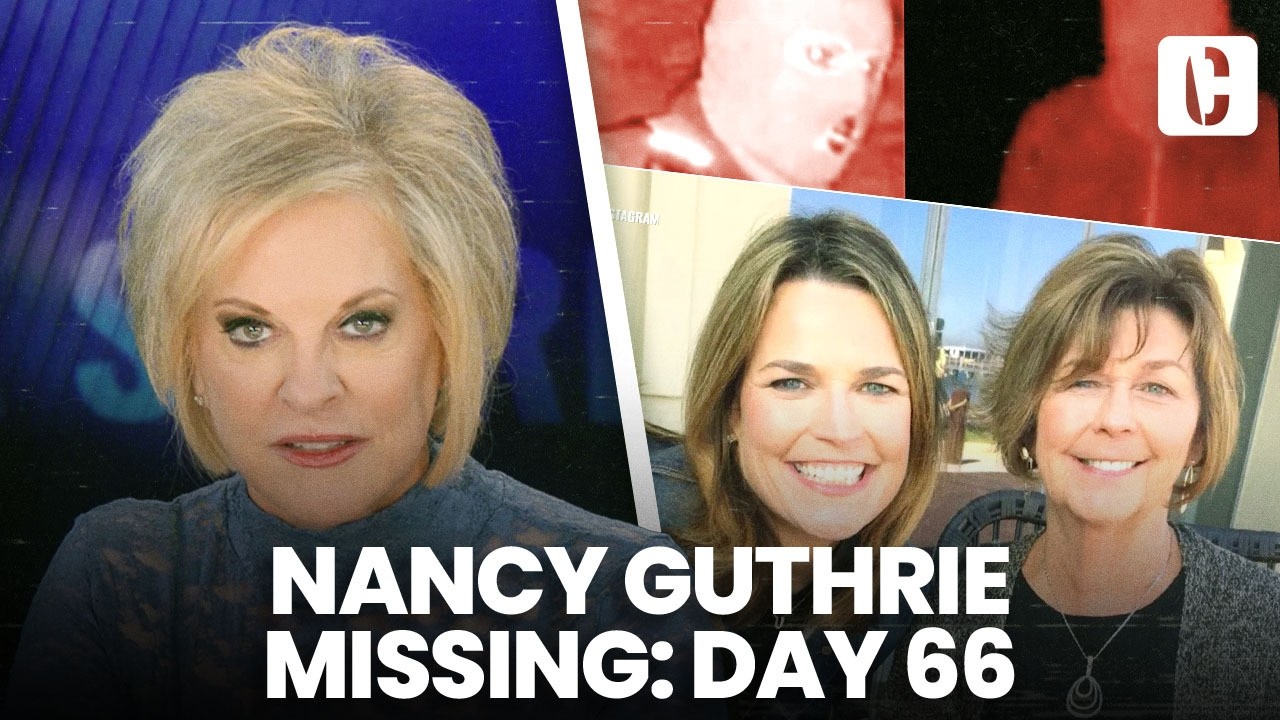
SAVANNAH GUTHRIE'S MOM MISSING: DAY 66
"On day 66 of Nancy Guthrie's disappearance, investigators grapple with two distinct sets of Bitcoin ransom notes, digital tracing challenges, and potential physical evidence like shoe coverings, as new, dubious claims emerge from a 'hyena' seeking payment for information."

True-crime cases with recent developments | 48 Hours Full Episodes
"This episode reconstructs four complex true-crime cases, detailing the harrowing searches for missing persons, the challenges of prosecuting murders without bodies, and the enduring quest for justice in cold cases spanning decades."
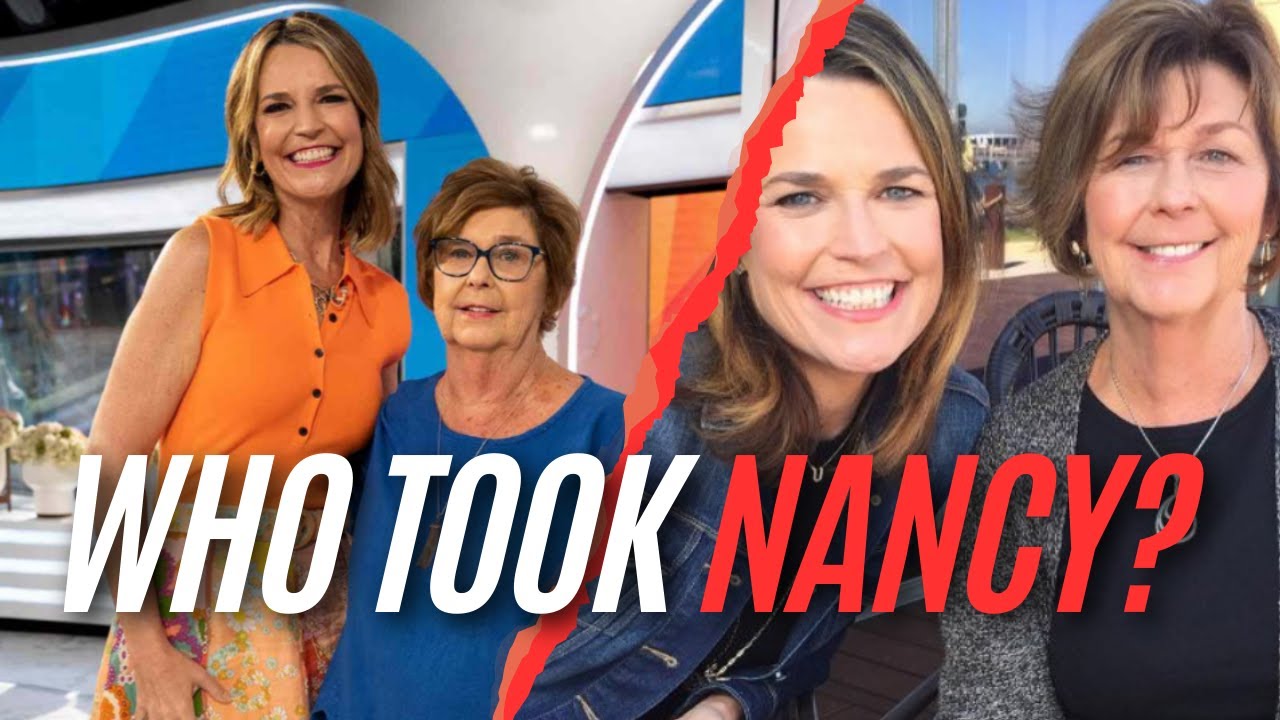
Who took Nancy Guthrie? Savannah Guthrie's mother missing and police call her home a crime scene
"The 84-year-old mother of TV host Savannah Guthrie has vanished from her Arizona home, with police declaring the residence a crime scene and suspecting foul play rather than a simple disappearance."