
Extended interview: Israeli Prime Minister Benjamin Netanyahu
YouTube · gL2jFwZ16xo
Quick Read
Summary
Takeaways
- ❖The 'war with Iran' is ongoing, targeting nuclear material, enrichment sites, proxies, and ballistic missiles, with military re-engagement as an option if economic pressure fails.
- ❖The Iranian regime is believed to be at its weakest since 1979, with internal fissures exacerbated by joint military actions.
- ❖Israel has significantly degraded Hezbollah's missile arsenal and prevented a large-scale invasion, but the threat remains.
- ❖Prime Minister Netanyahu proposes phasing out US financial aid to Israel over a decade, moving towards a mutual partnership based on shared R&D and intelligence.
- ❖Foreign bot farms and manipulated social media campaigns are identified as a major 'eighth front' in the conflict, eroding support for Israel and sowing division in the US.
- ❖Israel's post-October 7th accomplishments include degrading Iran's nuclear program and breaking the 'barrier of fear' by operating over Iranian skies.
Insights
1Iran's Nuclear and Proxy Threat Remains Unresolved
Prime Minister Netanyahu asserts that the 'war with Iran' is far from over. Key objectives include removing enriched nuclear material, dismantling enrichment sites, and neutralizing Iran's extensive network of proxies like Hezbollah and Hamas, which continue to pose significant threats with ballistic missiles.
Netanyahu states, 'it's not over because there's still nuclear material, enriched uranium that has to be taken out of Iran. There is still enrichment sites that have to be dismantled. There are still proxies that Iran supports.'
2Iran's Regime is at its Weakest Point Since 1979
Netanyahu believes that coordinated military and economic pressure from the US and Israel has significantly weakened the Iranian regime, leading to internal fissures and debates among hardliners about the sustainability of their current path. This weakness is seen as a potential precursor to regime change.
Netanyahu claims, 'I think it's at the weakest point it's been since the since it hijacked the Iranian people into since 1979... there are fissures in the in the regime... they've been hit very hard by our joint efforts our joint military efforts.'
3Proposed Shift from US Aid to US-Israel Partnership
Netanyahu advocates for Israel to phase out all US financial support, including military aid, over the next decade. He envisions a new relationship based on joint projects in intelligence, weapons development, and missile defense, where both countries contribute equally, leveraging Israel's booming high-tech economy and talent.
Netanyahu states, 'I want to draw down to zero the American financial support, the financial component of the military cooperation that we have... I think it's time that we weaned ourselves from the remaining military support and go from aid to partnership.'
4The 'Eighth Front': The Social Media Information War
Netanyahu identifies social media as a critical and manipulated battlefield where foreign adversaries, using bot farms and fake accounts, actively work to undermine American sympathy for Israel and sow division. He acknowledges Israel's exposure on this front and the need for new strategies to combat disinformation.
Netanyahu explains, 'We have several countries that basically manipulated social media with bot farms, with fake addresses to break the American sympathy to Israel... While we were fighting the physical military battle on seven battlefields... we were completely exposed on the eighth front, the media war, really the the social media war.'
5Israel's Post-October 7th Accomplishments Against Iran's Axis
Beyond immediate defense, Israel's strategic achievements include degrading Iran's nuclear and ballistic missile programs, crippling military industries, and eliminating top nuclear scientists. Crucially, operations over Iranian skies broke the 'barrier of fear' and the regime's 'mask of invincibility,' signaling a new era of direct engagement.
Netanyahu highlights, 'the degradation of their nuclear program, the degradation of their ballistic missile program, the degradation of their military industries, the knocking out of their military command and political command.' He also notes, 'We broke the barrier of fear... We had our brave pilots and your brave pilots over the skies of Tehran, over the skies of Iran. that changed. That broke that mask of invincibility.'
Bottom Line
The decline of the Iranian Supreme Leader's authority (Khamenei) is contributing to internal disruptions within the regime, which Netanyahu views as a positive development for external pressure campaigns.
A weakened central authority could lead to greater instability or opportunities for external actors to influence internal dynamics, potentially accelerating regime change or policy shifts.
Intelligence agencies could exploit these internal fissures to further destabilize the regime or support dissenting factions, rather than solely focusing on external military pressure.
Netanyahu's proposal to end US financial aid to Israel and shift to a partnership model is not just an economic move but a strategic assertion of Israel's growing self-reliance and technological prowess.
This shift could redefine the US-Israel relationship, moving it from a patron-client dynamic to a more equal alliance, potentially influencing other US foreign aid relationships and fostering new models of international cooperation.
The US could explore similar 'aid to partnership' models with other technologically advanced allies, focusing on joint R&D and shared benefits rather than traditional financial assistance, potentially optimizing defense spending and fostering innovation.
Key Concepts
Peace Through Strength
Netanyahu's core philosophy that free societies must be strong to deter and defeat fanatical regimes. He believes that when Israel is strong, it extinguishes the hope of its enemies for its elimination, which can lead to a 'change of heart' among some adversaries and foster alliances with Arab states.
The Eighth Front (Information Warfare)
This model describes the contemporary battle space where social media is weaponized by hostile states through bot farms and fake accounts to manipulate public opinion, erode alliances, and sow internal divisions within target nations. Netanyahu argues Israel was 'completely exposed' on this front while fighting a 'seven-front war' physically.
Lessons
- Develop and deploy advanced strategies to counter foreign-orchestrated social media disinformation campaigns, focusing on democratic principles rather than censorship.
- Explore and negotiate a transition from traditional financial aid to a mutual strategic partnership with key allies, emphasizing joint R&D, intelligence sharing, and co-development of critical technologies.
- Continuously assess and exploit internal fissures within adversarial regimes, combining external military and economic pressure with targeted support for internal dissent to accelerate desired political outcomes.
Notable Moments
Netanyahu corrects a New York Times report, stating that during a White House meeting, he did not 'hard sell' a 'certain victory' for regime change in Iran but acknowledged significant uncertainty and risk.
This highlights the discrepancy between media reporting and the Prime Minister's account of high-stakes diplomatic and military discussions, underscoring the complexities and sensitivities of such deliberations.
Netanyahu recounts two separate meetings with Donald Trump (in 2016 and 8 years later), where Trump's first statement in both instances was a consistent commitment to preventing Iran from acquiring nuclear weapons.
This illustrates Trump's long-standing and unwavering stance on Iran's nuclear program, suggesting a consistent policy approach regardless of the specific political context or intervening events.
Quotes
"This war, this war cannot end until all those things are eliminated."
"You don't want a fanatic regime like that that hates America... You don't want them to have nuclear weapons."
"We cannot let Iran have nuclear weapons. I'm going to walk out of that terrible Iran deal."
"We smashed the terror axis. It's not finished. We have still work to do, but it's clear that Israel has emerged as the most powerful country in the Middle East."
"The most important thing in destroying fanaticism is to destroy a certain hope. When Israel is too strong, that prepares the ground for a change of heart."
"While we were fighting the physical military battle on seven battlefields, seven front war, we were completely exposed on the eighth front, the media war, really the the social media war."
"I want to draw down to zero the American financial support, the financial component of the military cooperation that we have."
"The greatest accomplishment is we're alive. They didn't destroy us and they're not going to destroy us next month."
Q&A
Recent Questions
Related Episodes
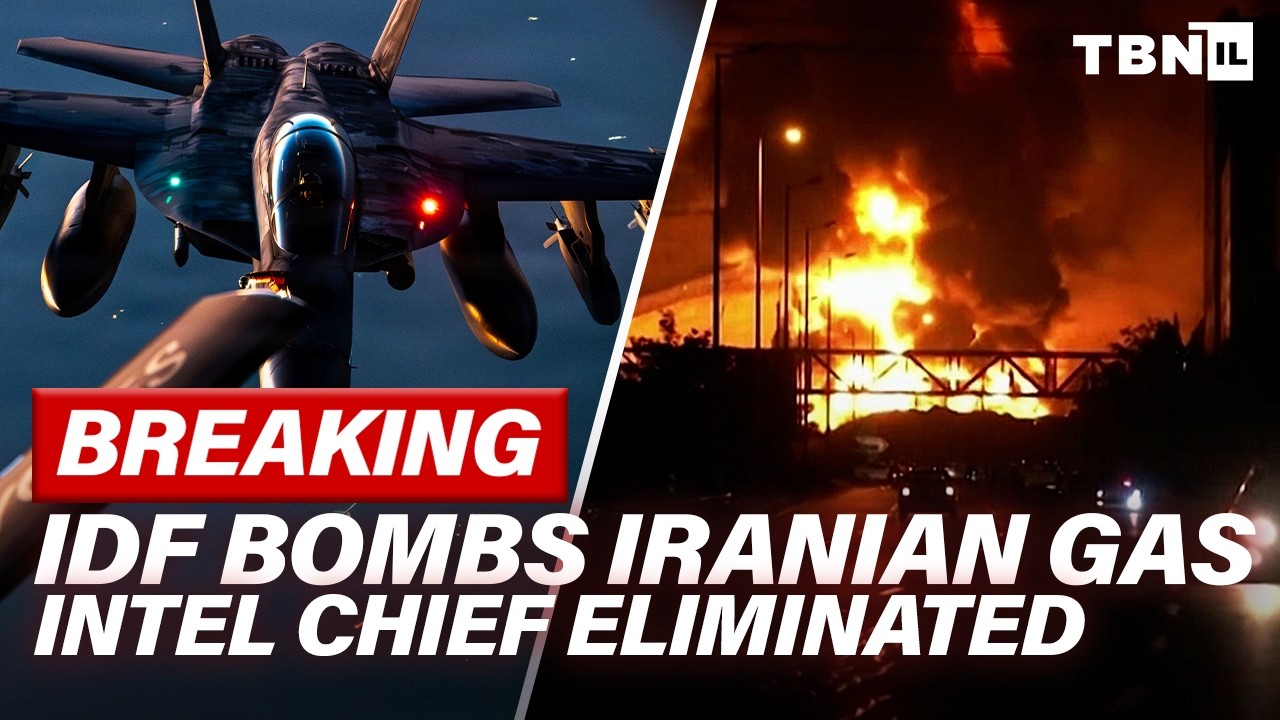
BREAKING: Israel BOMBS Major Iran Gas Site; Top Mullah ELIMINATED; Iran Vows VENGEACE | TBN Israel
"Israel and the United States have escalated their 'Roaring Lion War' against Iran, striking its largest gas facilities, eliminating key intelligence and military figures, and disrupting missile production, while Iran threatens a broader energy war in the Gulf."

BREAKING: Trump REJECTS Iran Deal - Panic In IRGC - U.S. Military & IDF Plan War
"President Trump rejected Iran's latest deal proposal, labeling it 'unacceptable,' while the US and Israel reportedly planned military strikes and Saudi Arabia urged the US to 'destroy the regime,' signaling a major escalation in Middle East tensions."
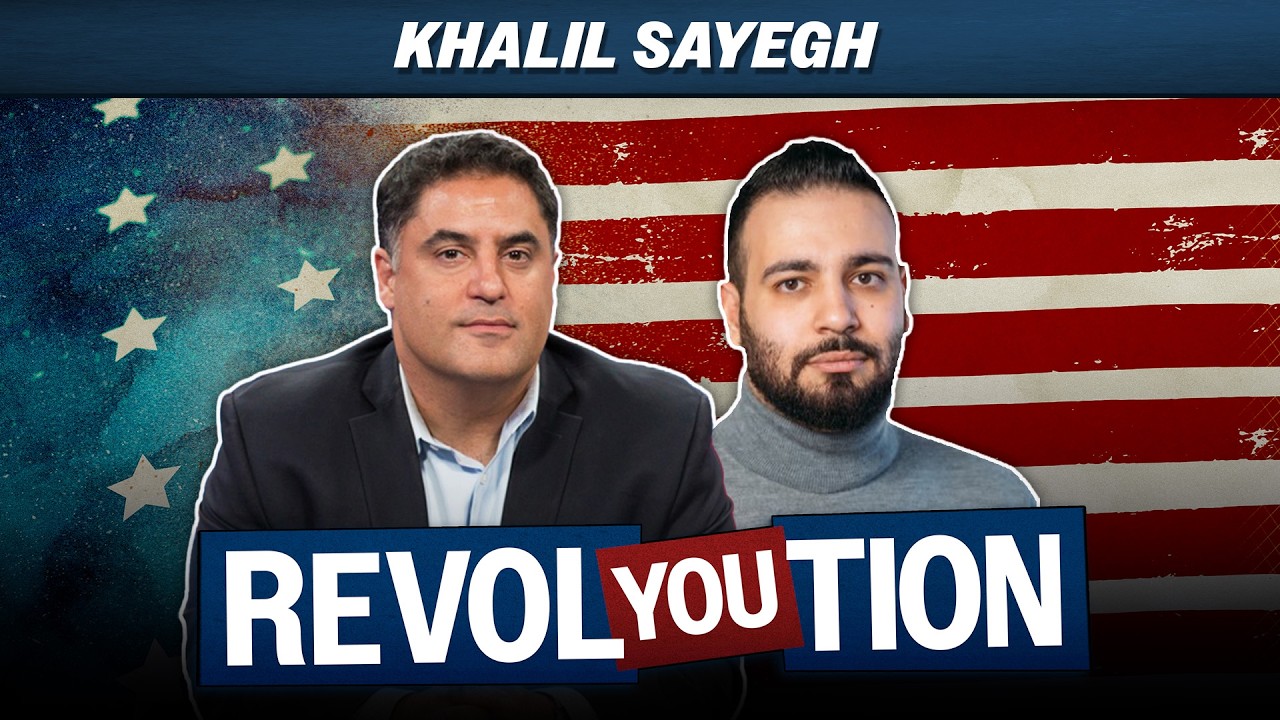
Palestinian Evangelical Analyst REACTS To U.S-Israeli War In Iran!
"The Young Turks dissect the US-Israeli war in Iran, alleging it's driven by Israeli expansionist goals, fueled by US political and media subservience, and resulting in devastating civilian casualties and economic fallout, while a Palestinian Christian analyst details the brutal realities of Israeli occupation and humiliation."
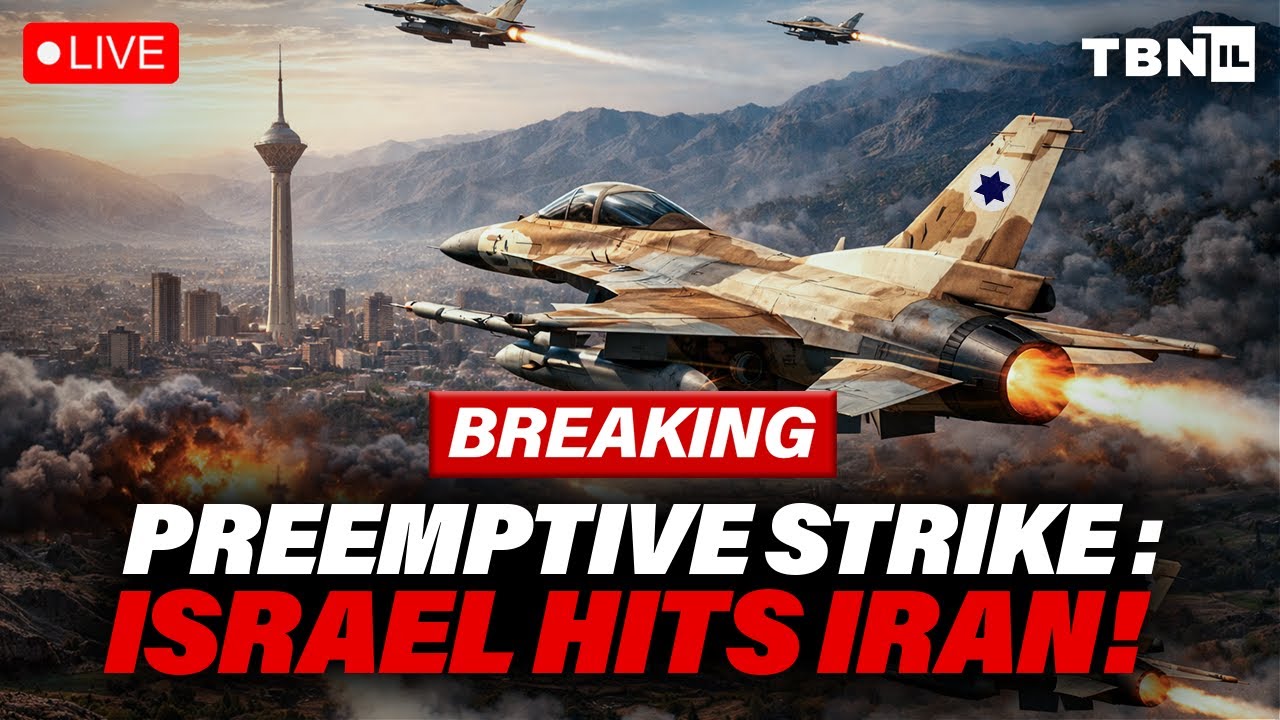
BREAKING: Israel Preemptive Strike on Iran - Explosions in Tehran LIVE! | | TBN Israel
"Israel and the United States launched a coordinated preemptive strike against Iran, targeting regime and military assets, triggering immediate Iranian missile retaliation against Israel and US bases in the region."