
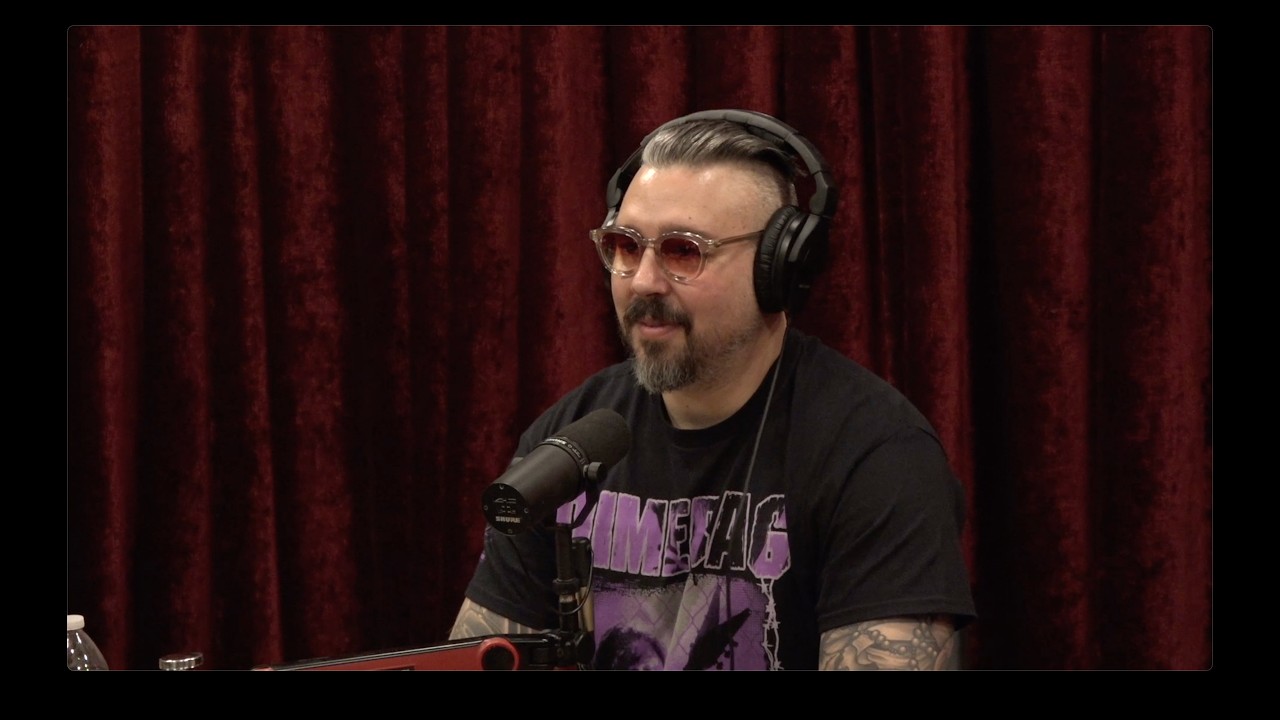
JRE MMA Show #176 with Dustin Poirier
YouTube · gqhGi1-816U
Quick Read
Summary
Takeaways
- ❖UFC needs more weight classes to prevent extreme weight cuts, which push fighters to the brink of death before competition.
- ❖Fighter pay percentages in MMA are significantly lower than in other major sports like the NFL or NBA, despite fighters being the core product.
- ❖The transition from 'fight life' to 'civilian' life post-retirement can cause a deep identity crisis for athletes, even those who planned for it.
- ❖Wearable recovery tech (Oura, Whoop) is often ignored by active fighters during camp because pushing through 'red zone' warnings is seen as necessary for peak condition.
- ❖The 'tainted supplement' defense is often viewed skeptically, but actual cross-contamination in manufacturing is a real issue, especially with highly sensitive drug tests.
- ❖Calf kicks, initially underestimated, became a devastating technique, causing compartment syndrome and potentially long-term nerve damage due to unique calf muscle physiology.
- ❖American Top Team's model of a 'super gym' with dorms, diverse coaches, and low fighter percentages (5%) set a blueprint for modern MMA training facilities.
- ❖New platforms like Netflix and YouTube entering combat sports could significantly increase fighter pay and create more opportunities, challenging the UFC's long-standing dominance.
- ❖Angola prison hosts a boxing league where prisoners compete for extra meals and free time, highlighting extreme motivations for athletic performance in unique environments.
Insights
1The Dangers and Inadequacy of Current Weight Classes
Extreme weight cutting is identified as the most detrimental aspect of fighting, often pushing athletes to the brink of death before entering one of the world's most dangerous sports. Joe Rogan and Dustin Poirier advocate for more weight classes, citing the large gaps in UFC divisions compared to boxing. They highlight the absurdity of a 265lb heavyweight limit and the extreme cuts made by fighters like Alex Pereira (25+ lbs for 185lb division) and Anthony 'Rumble' Johnson (who fought at 170lbs while walking around at 230lbs). California's rule of limiting dehydration to 15-20% of body weight is praised as a positive step.
Dustin details feeling 'like that' (near collapse) many times after weight cuts. Rogan mentions Pereira cutting 25+ lbs for 185, fighting at 225. Discussion of Rumble Johnson cutting to 170lbs from 230lbs. California's 15-20% dehydration limit is noted. The 50-pound gap between 205lbs and 265lbs in UFC heavyweight is criticized.
2Fighter Pay Disparity and UFC's Market Dominance
Joe Rogan argues that fighters should earn a significantly higher percentage of event revenue, drawing a parallel to his comedy club where comedians receive 80% of ticket sales. Dustin acknowledges the UFC's powerful position, where being outside the organization means a lack of mainstream attention, regardless of fighter talent. He also notes the generational aspect, where future fighters will likely earn more, mirroring his own experience seeing older fighters earn less than current prelim fighters.
Rogan states comedians make 80% of money at his club (). Dustin saw Dan Henderson's 'crazy money' contract years ago (). Dustin mentions Mike Brown's observation that current prelim fighters make more than he did defending a WEC belt (). Dustin states, 'if you're not in the UFC, people are not paying attention' ().
3Evolution of Training and the Impact of Wearable Tech
MMA training has evolved dramatically from unstructured, daily 'beat each other up' sessions in the early 2000s (e.g., 4oz glove sparring) to highly organized 'super gyms' like American Top Team. However, modern wearable recovery devices (Oura, Whoop) present a dilemma for fighters: they often advise rest when intense training is deemed necessary for fight preparation. Fighters, especially younger ones, frequently push through 'red zone' warnings, forcing their bodies to adapt faster.
Dustin describes early 2000s training as 'just sparring and choking each other out with 4 oz gloves' (). He mentions American Top Team having 'a hundred professional fighters on the mats at all times' (). Dustin states he stopped using wearables during camp because 'every day wasn't ready. Need to rest. Red, red, red every day' ().
4The Double-Edged Sword of Performance-Enhancing Drugs (PEDs)
The discussion covers the 'juicy' eras of MMA (Pride, TRT era) and the current strict USADA testing. While PEDs like testosterone were seen to enhance durability and vitality (e.g., Alistair Overeem's 'Uber' transformation), the current stringent testing (detecting picograms) makes doping extremely difficult. Peptides, which aid recovery without direct performance enhancement, are still banned, frustrating fighters like Poirier who believe they would extend careers and improve health.
Enson Inoue's Pride contract stated 'We do not test for steroids' (). Rogan calls Alistair Overeem's 'Uber' transformation the 'best argument for TRT ever' (). Dustin mentions being scared of creatine in early career and competing clean (). Dustin wishes he could have used peptides like BPC-157 (banned) while fighting to aid recovery from daily injuries ().
5The Devastating Effectiveness of Calf Kicks and Compartment Syndrome
Calf kicks are highlighted as a relatively recent, game-changing technique in MMA, causing severe, localized damage due to the calf's unique physiology. Unlike thigh kicks, calf injuries don't 'come back' quickly because the calf lacks chambers for fluid drainage, leading to compartment syndrome. This can cause immense pain, nerve damage, and potentially loss of function in the ankle and foot if not treated, sometimes requiring surgical incisions to relieve pressure.
Dustin describes his fight with Jim Miller as one of the 'first examples of calf kicks being really dangerous' (). He recounts being told at the hospital that his calf lacked fluid drainage chambers, causing compartment syndrome and severe pain (). Uriah Faber's leg 'blew up like a balloon' after calf kicks from Jose Aldo (). Dustin's corner advised against jumping guillotines because he was 'giving up takedowns' ().
6Post-Retirement Identity Crisis for Fighters
Dustin Poirier openly discusses the profound mental and emotional challenge of transitioning from a professional fighting career to 'civilian' life. After two decades of waking up with the sole focus of being a better fighter, the sudden absence of that driving purpose led to a period of depression and a feeling of 'relearning who I am.' This struggle is common among elite athletes who have dedicated their lives entirely to their sport.
Dustin states, 'retiring is scary, man. Days are long. I have a lot of time' (). He describes a week-long 'funk' or 'depressed' feeling, asking 'what the hell am I going to do with my life?' (). He explains, 'I don't know who I am without fighting' after 20 years ().
Bottom Line
Angola prison in Louisiana operates a boxing league where inmates compete against other prisons, with fights broadcast via CCTV to other facilities. Participation offers tangible benefits like extra meals and more free time.
This reveals an extreme example of how competitive sports can be integrated into correctional systems, providing motivation and structure in harsh environments. It also highlights the potential for compelling, untapped narrative content.
A documentary exploring the Angola prison boxing league could offer a unique perspective on human resilience, the role of sport in rehabilitation (or survival), and the ethical complexities of such programs. Dustin Poirier suggests this would be a 'great documentary'.
Opportunities
MMA/Combat Sports Content Platform on Netflix/YouTube
Leverage the massive global reach and subscriber base of platforms like Netflix and YouTube to host high-profile MMA and combat sports events. This would bypass traditional pay-per-view models and potentially offer greater visibility and compensation for fighters, challenging existing promotional structures.
Specialized Fighter Recovery & Longevity Clinics
Develop clinics focused on advanced recovery and injury prevention for combat athletes, utilizing cutting-edge therapies like specific stem cell treatments, hyperbaric chambers, and targeted peptide protocols. The goal would be to extend careers and improve post-career health, addressing the unique wear-and-tear of fighting.
Authentic, Fighter-Developed Consumer Products (e.g., Hot Sauce)
Create and market consumer products (like hot sauce) that are genuinely developed and reflect the fighter's personal brand and background, rather than being white-labeled. Success hinges on authenticity, quality, and leveraging the fighter's platform for promotion.
Key Concepts
The Red Queen Effect (in MMA Training)
Fighters must constantly evolve and push beyond perceived limits just to maintain their competitive edge. Wearable tech might suggest rest, but the demands of MMA training camps often force athletes to train in the 'red zone,' pushing their bodies to adapt faster than competitors. This continuous, high-intensity adaptation is necessary to stay relevant in a rapidly evolving sport.
The Prize Fighter's Dilemma
Fighters, particularly those outside the UFC, often face a trade-off between maximizing their earnings and securing mainstream recognition. While the UFC offers unparalleled exposure, other organizations or crossover fights (like those on Netflix) might offer significantly larger purses, leading fighters to prioritize financial gain over traditional 'legacy' within a specific promotion.
Lessons
- For aspiring combat athletes: Prioritize foundational technique over brute strength, especially in grappling, as demonstrated by smaller, highly technical practitioners.
- For MMA promotions: Consider implementing more granular weight classes and stricter dehydration limits to mitigate the extreme health risks associated with current weight cutting practices.
- For retired athletes: Actively seek new challenges and professional opportunities that leverage the discipline and drive cultivated in sports, as the transition to 'civilian' life can be mentally challenging.
Notable Moments
Dustin Poirier's daughter, at Whole Foods, checks food labels for ingredient count, reflecting his ingrained fighter's discipline in diet.
This anecdote highlights how the extreme discipline required for a fighter's diet can become a family value, influencing even young children towards healthier eating habits and ingredient awareness.
Dustin Poirier describes the profound identity crisis and 'funk' he experienced after retiring from fighting, despite knowing it was coming.
This offers a raw, honest look into the mental health challenges faced by athletes post-retirement, emphasizing the difficulty of shedding a career that defined one's daily purpose for decades.
Dustin Poirier recounts attending a boxing league in Angola prison, where inmates fight for extra meals and free time, with matches broadcast to other prisons.
This is a unique and startling insight into extreme motivational structures within a correctional facility, demonstrating how basic needs can drive intense competition and discipline in unexpected environments.
Quotes
"You're getting someone to the brink of death 24 hours before they have an MMA fight, which is the most, if not the most dangerous sport, one of the most dangerous sports in the world. And you're doing something to your body to extremely weaken it 24 hours before you fight. It's bananas."
"It's like I'm relearning who I am. Like I always knew fighting was just something I did. It wasn't who I was. But after 20 years of doing it, even though you know that and you think that, like it, I don't know who I am without fighting."
"Doesn't matter if you're better at back gaming, right? You dumped on me, but I'll beat your ass. Yeah. Beating someone's ass is the, that's the end goal. That's what all sports aspire to be. Is combat sports."
Q&A
Recent Questions
Related Episodes
JRE MMA Show 178 with Dan Hardy
"Dan Hardy and Joe Rogan dissect the current state of MMA, from controversial referee decisions and the UFC's impact on fighter development to the future of organizations like PFL and the psychological warfare in the cage."

Nate Diaz & Chris Avila | This Past Weekend w/ Theo Von #649
"MMA legends Nate Diaz and Chris Avila share raw insights on their Stockton roots, the philosophy behind their fighting careers, and candid takes on the UFC, upcoming Netflix fights, and the true meaning of a 'Stockton Slap.'"

JRE MMA Show #181 with Justin Gaethje & Trevor Wittman
"Justin Gaethje and coach Trevor Wittman break down Gaethje's historic UFC White House victory, emphasizing mental fortitude, strategic evolution, and the unique challenges of elite combat sports."

The Pat McAfee Show Live | Tuesday June 16th 2026
"Pat McAfee and his crew deliver a high-energy breakdown of the World Cup, the college football gambling scandal involving Brendan Sorsby, Sugar Sean O'Malley's White House UFC fight, and a top high school recruit's commitment to Oregon."