British vs. American Which Dish Isn't Real? (ft. SortedFood)
YouTube · hNPUgquMxQw
Quick Read
Summary
Takeaways
- ❖Cock-a-leekie soup, an ancient Scottish dish, traditionally includes prunes, reflecting medieval sweet-savory culinary trends.
- ❖Peas Pudding Pearls, despite a convincing historical narrative, were a fabricated dish, highlighting how easily plausible stories can be created around food.
- ❖The Hangtown Fry, a real 1850 California Gold Rush dish, combines fried oysters, bacon, and eggs, created as a luxury meal for a newly wealthy miner.
- ❖The Chow Mein Sandwich, a genuine New England dish, originated from Chinese immigrants adapting their cuisine for European factory workers in the 19th century.
- ❖Hawaiian Haystacks, a real 1950s Mormon potluck dish, features cream of chicken soup, rice, canned fruit, and chow mein noodles, reflecting post-WWII Polynesian fascination and pantry staples.
- ❖Pop-Tart Lasagna, presented as a 1975 Life magazine recipe, was a fake, though the historical context of Kellogg's marketing battles was factual.
- ❖Gallette Saucisse (sausage galette) is a real French street food, often eaten at football clubs.
- ❖The South African 'chicken feet and steamed dumpling' dish was the fake international breakfast, designed to mimic a plausible regional cuisine.
Insights
1British Regional Dishes: Ancient Origins and Clever Fakes
The first round explored regional British dishes. Cock-a-leekie soup, a Scottish national dish with chicken, leeks, and prunes, was real, showcasing medieval sweet-savory pairings. Grouty Pudding (or Grouty Dick), an oat-based pudding, and Gusna Cake, a simple caraway seed biscuit from Lancashire, were also authentic. The fake was 'Peas Pudding Pearls,' a concoction of split peas and oysters, despite a convincing narrative about oyster abundance.
Ben Everil presented Cock-a-leekie soup (), explaining its fowl and leek base with prunes () for medieval sweet-savory balance. He introduced Grouty Pudding () as an oat pudding and Gusna Cake () with caraway seeds. The 'Peas Pudding Pearls' () with oysters were revealed as the fake (), despite the host's belief in its plausibility due to historical oyster abundance.
2American Regional Dishes: Gold Rush Luxury and Immigrant Innovation
The American round featured dishes rooted in specific historical moments. The Hangtown Fry, an 1850 California Gold Rush luxury dish of fried oysters, bacon, and eggs, was real. The Chow Mein Sandwich, a genuine New England creation from Chinese immigrants adapting to local tastes, was also real. Hawaiian Haystacks, a 1950s Mormon potluck staple with canned goods and chow mein noodles, was authentic. The fake was 'Pop-Tart Lasagna,' a dessert supposedly from a 1975 Life magazine, though the marketing history of Pop-Tarts was factual.
The Hangtown Fry () was described as an 1850 Gold Rush dish from 'Hangtown' (Placerville), featuring expensive eggs and oysters (). The Chow Mein Sandwich () was presented as an immigrant innovation from New England (). Hawaiian Haystacks () were linked to 1950s Mormon potlucks and post-WWII Polynesian influence (). Pop-Tart Pie/Lasagna (), despite a detailed history of Kellogg's marketing (), was revealed as the fake ().
3International Breakfasts: Ethiopian Staples and French Street Food
The final round presented international breakfast dishes. Ethiopian Geno, a North African mound of grain, was real. Gallette Saucisse, a French buckwheat crepe with sausage and cheese, was also authentic street food. Indonesian Tinino Tuan, a fish, fruit, and chili paste dish, was real. The fake was a 'chicken feet and steamed dumpling' dish, which was a fabricated attempt at a Chinese-inspired breakfast.
Ethiopian Geno () was identified as a real North African dish. Gallette Saucisse () was recognized as a French dish, confirmed as real (). Indonesian Tinino Tuan () was also real (). The chicken feet and steamed dumpling dish () was revealed as the fake (), a 'fake Chinese biscuits and gravy' () concocted by the Kitcheners.
Opportunities
CPG Market for Novel/Historical Food Concepts
While the 'Peas Pudding Pearls' was a fake dish, the host jokingly suggested it wouldn't hit the CPG market. This implies an opportunity for brands to explore historical or culturally unique food concepts for modern consumer packaged goods, focusing on compelling narratives and unique flavor profiles, even if the original dish was a 'fake' but tasted good.
Lessons
- Explore regional food histories to understand cultural evolution and surprising culinary adaptations.
- Question 'traditional' food narratives; many dishes have unexpected or even fabricated origins that become accepted over time.
- Experiment with unusual ingredient combinations, like sweet and savory (e.g., prunes in soup), which were common in older cuisines.
Notable Moments
The host is fooled by the 'Peas Pudding Pearls' despite its alliterative name, believing the historical context of abundant oysters made it plausible.
This highlights how a compelling, historically-rooted narrative can make even a fabricated dish seem authentic, especially when it aligns with known historical practices (like oysters being a common, cheap food).
The guest correctly identifies Pop-Tart Lasagna as fake, but is fooled by the Chow Mein Sandwich, which has a rich, real history of immigrant adaptation.
This demonstrates the challenge of discerning authenticity when both plausible fakes and genuinely bizarre real dishes exist, often rooted in complex socio-economic histories.
Quotes
"I thought nothing could sound more menacing than spotted dick. And then I met grouchy dick."
"The whole point of a sandwich is it's it's portable. It's transportable. It's easy to eat. This is none of those things. And yet it's delicious."
Q&A
Recent Questions
Related Episodes

These Memes Cooked Us (Who Meme'd It)
"Smosh cast members compete in a hilarious 'Who Meme'd It' game, guessing which colleague created various internal jokes and viral content, including two 'Secret Shayne' memes worth bonus points."
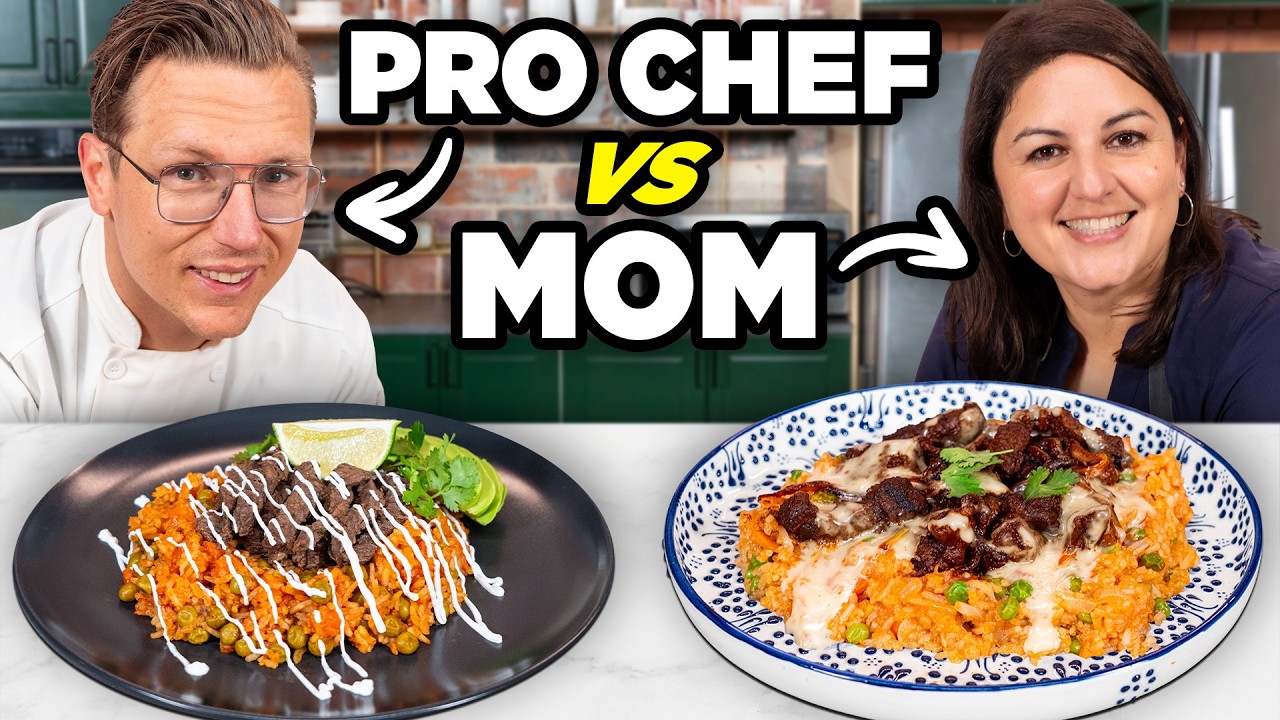
Pro Chef vs. Mom: Who Makes Better Comfort Food?
"A professional chef challenges a mother to a comfort food cook-off, revealing how love and convenience shape beloved recipes."

Rhett vs. Link Cooking Challenge (School Lunch Edition)
"Rhett and Link revisit their childhood school lunches, transforming nostalgic, and sometimes questionable, meals into elevated culinary creations in a competitive cooking challenge."

Hugh Jackman Eats His Last Meal
"Hugh Jackman shares his 'last meal' menu, revealing how childhood comfort foods, the myth-making of his Robin Hood role, and a lifelong drive to conquer fear have shaped his identity and career."