BREAKING: Iran Demands Control Of Hormuz, BILLIONS In Assets; Israel Targets Hezbollah | TBN Israel
YouTube · iiBesXQP674
Quick Read
Summary
Takeaways
- ❖Iran immediately issued new conditions for the US-Iran agreement, demanding the release of $24 billion in frozen assets and a $300 billion economic reconstruction plan.
- ❖Iran claims it will manage the Strait of Hormuz traffic jointly with Oman, contradicting Trump's announcement of a fee-free, open strait.
- ❖Israel views the agreement as a 'nuclear trap' and a temporary delay, expressing deep suspicion over its terms and the deferral of nuclear program discussions.
- ❖Prime Minister Netanyahu stated Israel is not bound by the agreement's Lebanese clause and will not withdraw from southern Lebanon, continuing operations against Hezbollah.
- ❖The agreement's official text remains unpublished, leading to conflicting interpretations from the US (peace, open oil flow) and Iran (American surrender, asset release, end of war on all fronts).
- ❖Concerns are high in Israel that released Iranian funds will fuel the Revolutionary Guards, Hezbollah, Houthis, and other militias, without strict inspection mechanisms.
- ❖The nuclear program, ballistic missiles, and support for terror proxies were reportedly removed from the immediate agenda, which Israel considers a strategic gift to Iran.
Insights
1Conflicting Interpretations of the US-Iran Agreement
While President Trump announced a completed deal, immediate ceasefire, and open Strait of Hormuz, Iran quickly countered with new, strict conditions. Iran's state media reported demands for the release of $24 billion in frozen assets, a $300 billion economic reconstruction plan, and claimed practical control over Strait of Hormuz traffic. This stark contrast in public statements highlights a fundamental disagreement on the agreement's scope and immediate implications, particularly concerning economic relief and regional control.
Trump announced understandings had been reached, Strait of Hormuz would open without fees (, ). Iran claimed they would manage Hormuz with Oman (, ). Iranian news reported demands for $24 billion in frozen assets and a $300 billion reconstruction plan (, ).
2Israel's Rejection of the Lebanon Ceasefire Clause
Despite the agreement's reported inclusion of a permanent ceasefire on all fronts, including Lebanon, Israel's Prime Minister Netanyahu explicitly informed President Trump that Israel would not withdraw from Lebanon. Israel does not consider itself obligated by this clause and intends to maintain its military presence and operations against Hezbollah, viewing the organization as an ongoing terrorist threat connected to Iran.
Pakistan's PM announced the ceasefire includes Lebanon (, ). Iranian Deputy Foreign Minister confirmed a permanent end to war on all fronts, including Lebanon (). Netanyahu told Trump Israel will not withdraw from Lebanon and is not obligated by the Lebanese clause (, ).
3Deferred Nuclear and Missile Issues Raise Israeli Concern
The most critical issues, including the future of Iran's nuclear program, uranium enrichment levels, and stopping its missile project, have been pushed off to future talks within a 60-day timetable. This deferral, coupled with reports that Iran's ballistic missile program and support for terror proxies were removed from the immediate agenda, is a major source of concern for Israel, which views these as existential threats that remain unaddressed.
The most critical issues, like the nuclear program and missile project, were pushed off to future talks (, ). Reports from Tehran indicated Iran's ballistic missile program and support for terror proxies were removed from the agenda ().
4Strait of Hormuz as an Economic Weapon
The Strait of Hormuz, through which one-fifth of the world's oil passes, has become an economic weapon for Iran. Even without defeating the American Navy, Iran can disrupt global shipping by making it more expensive, slower, and frightening through threats, UAVs, or fear of mines, thereby influencing oil prices and exerting macroeconomic blackmail. This strategy is central to Iran's 'hybrid warfare' model.
Iran's strategy involves turning the Strait of Hormuz into a tool of macroeconomic blackmail (). One threat, one UAV, or fear of mines is enough to raise insurance prices and move oil prices ().
Bottom Line
Iran's demand for economic relief *before* hard commitments on nuclear issues represents a strategic shift in negotiation order, aiming to enter future talks from a position of greater strength.
If Iran receives billions in asset release and sanctions relief without strict, verifiable commitments on its nuclear program, it gains significant leverage and resources, potentially funding its military and proxy networks before any real disarmament occurs.
For analysts, this highlights the importance of scrutinizing the sequencing of concessions in international agreements, especially with actors known for strategic ambiguity. For policymakers, it underscores the need for robust verification mechanisms and a 'snap-back' sanctions framework if initial conditions are not met.
The 'new equation' in the Middle East involves Iran's use of asymmetric military pressure and global economic coercion, merging control over strategic chokepoints like Hormuz with proxy deployments to test adversaries' weak points.
This 'hybrid warfare' model means traditional military deterrence alone is insufficient. Adversaries like Israel face continuous attrition fronts and economic vulnerabilities, requiring a multi-faceted response that addresses both military and financial/logistical networks.
Defense strategists need to develop integrated responses that counter both kinetic and economic warfare tactics. This includes strengthening maritime security, disrupting shadow fleets and illicit financial networks, and bolstering economic resilience against energy market manipulation.
Key Concepts
Hybrid Warfare
Iran's strategy of combining military pressure (e.g., threats against global energy flows) with economic coercion to achieve strategic objectives, a model that traditional military deterrence alone cannot defeat.
Economic Blackmail
The tactic of using control over strategic economic choke points, like the Strait of Hormuz, to exert leverage and extract concessions, making shipping more expensive, slower, and frightening without direct military confrontation.
Notable Moments
The elimination of Ali Musa Dakduk, a senior Hezbollah figure and commander of the Golan fire, by the IDF.
Dakduk was a critical 'knowledge hub' with deep connections to the Iranian world, holding operational memory and experience. His elimination represents a significant blow to Hezbollah's command structure and explains Iran's urgency to include Lebanon in the ceasefire agreement, aiming to stop Israel from dismantling further command layers.
Quotes
"The agreement is supposed to be signed this coming Friday in Switzerland. The American president noted that the straight of Omuz will open without fees and tariffs and the naval blockade will be lifted immediately. But contrary to Trump's announcement in Iran, they claim we will manage the straight of Hormuz together with Oman as part of the agreement."
"I hereby fully authorize the fee free opening of the Strait of Hmouth and at the same time authorized the removal of the United States naval blockade immediately. Ships of the world, start your engines. Let the oil flow."
"Under our law, any nuclear agreement with Iran will be sent to Congress for review and a vote. I look forward to examining the final product."
"Trump is selling a deal that prevents nuclear weapons and restores the flow of oil. Iran is selling an American surrender, the removal of the blockade, the end of the war on all fronts, including Lebanon, and the release of assets. Israel's question is very simple. Which one of them is right?"
"If Thran receives relief before it gives a hard commitment, it enters the negotiating room stronger than it has the night before this announcement."
Q&A
Recent Questions
Related Episodes

BREAKING: Iran Threatens To END Talks; U.S. Vows Retaliation; Hezbollah Collapsing? | TBN Israel
"Iran is leveraging Hezbollah and the Strait of Hormuz to manipulate US negotiations, while Israel asserts its right to dismantle Hezbollah's eroding but still dangerous infrastructure in Lebanon, independent of international talks."
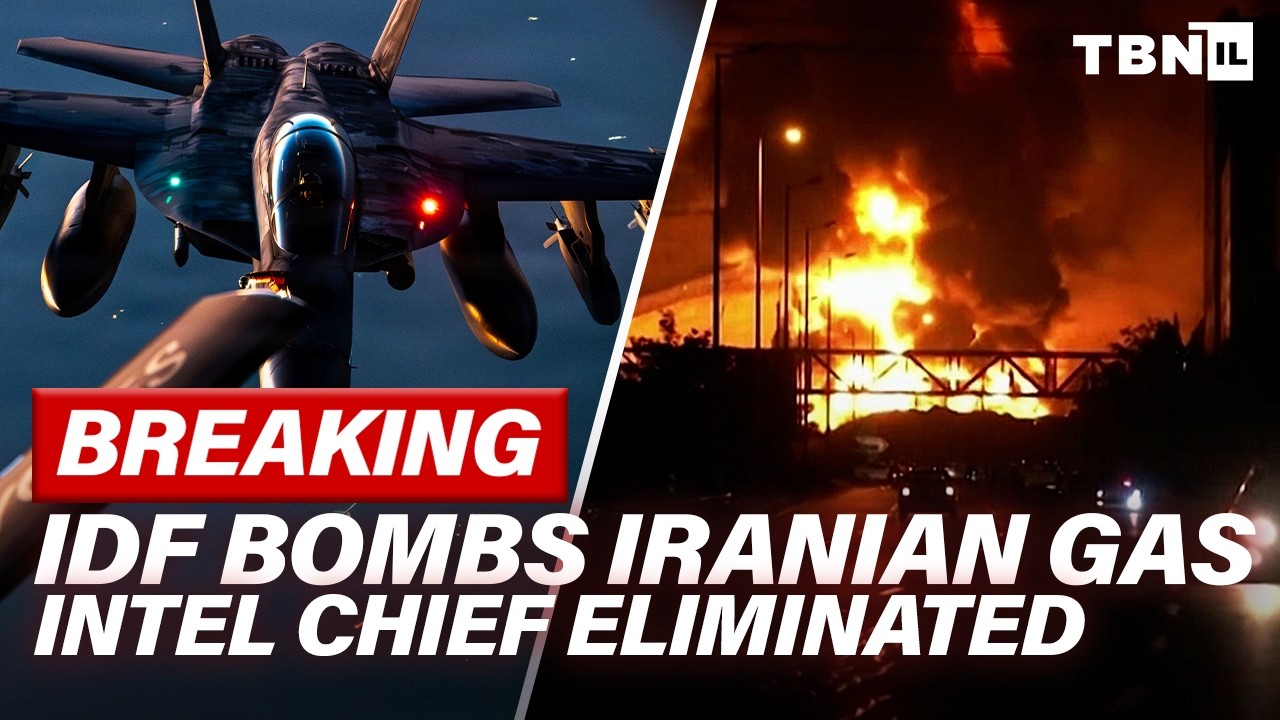
BREAKING: Israel BOMBS Major Iran Gas Site; Top Mullah ELIMINATED; Iran Vows VENGEACE | TBN Israel
"Israel and the United States have escalated their 'Roaring Lion War' against Iran, striking its largest gas facilities, eliminating key intelligence and military figures, and disrupting missile production, while Iran threatens a broader energy war in the Gulf."
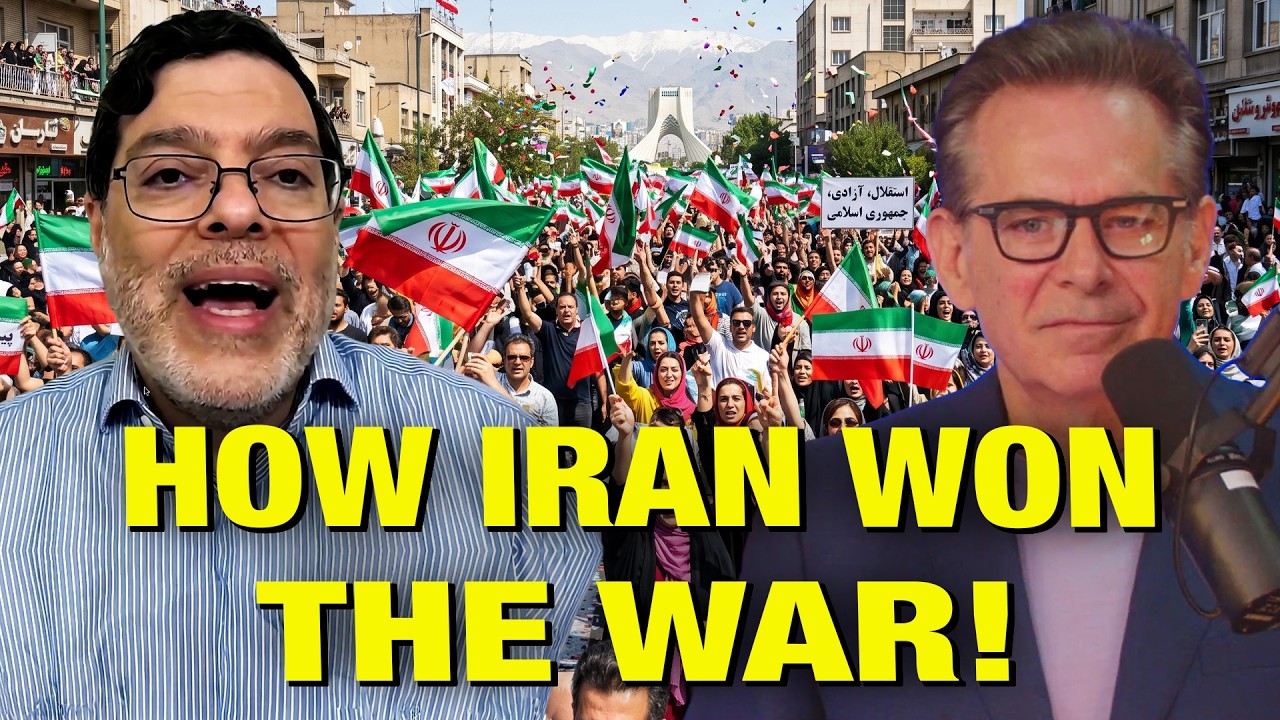
The REAL Story About The War From INSIDE IRAN! – Jimmy Interviews Prof. Marandi
"Professor Marandi, an Iranian academic, details how Iran emerged stronger from recent conflicts, now controlling the Strait of Hormuz and possessing a credible deterrent against its adversaries, despite facing economic siege and Western-backed regional proxies."

BREAKING: U.S. SINKS Iranian Boats; Iran Talks Stall; Israel Hits Beirut | TBN Israel
"The U.S. and Israel escalate military actions against Iran and its proxies, while diplomatic talks stall over Iran's nuclear program, Strait of Hormuz fees, and the future of Hezbollah."