SHOCK BREAKING: BOMBSHELL INFO REVEALED AFTER WHITE HOUSE SHOOTING!
YouTube · j1eAfypbLAE
Quick Read
Summary
Takeaways
- ❖Trump reacted with anger and denial when confronted with the shooter's manifesto terms ('pedophile, rapist, traitor') during his 60 Minutes interview.
- ❖Melania Trump called for Jimmy Kimmel's firing over a joke implying she would be an 'expectant widow,' which the host views as hypocritical given Trump's past rhetoric.
- ❖The host criticizes both right-wing and some liberal online communities for rapidly generating and consuming unsubstantiated conspiracy theories after major events.
- ❖Juan Williams on Fox News acknowledged Trump's role in fueling political division, a rare moment of introspection on the network.
- ❖The host argues that prioritizing loyalty over competence in administrations, as seen with Trump, can lead to security lapses like the White House shooting attempt.
- ❖The resignation of a Turning Point USA chapter president highlights internal turmoil and declining momentum within MAGA-aligned youth organizations.
Bottom Line
The online independent media space is increasingly incentivized to produce 'salacious conspiracies' and 'clickbait' content for views and money, often at the expense of factual accuracy.
This trend contributes to the degradation of reality and public trust, making it harder for audiences to discern truth and fostering a 'race to the bottom' in content creation.
Creators committed to factual integrity, even if it means sacrificing short-term viewership, can build a more resilient and trustworthy audience base that values truth over sensationalism.
Political violence, even when targeted at a divisive figure like Trump, can be strategically counterproductive, often bolstering the power of authoritarian regimes and justifying the erosion of rights.
This perspective challenges the emotional reaction to political violence by highlighting its long-term strategic implications, suggesting that peaceful democratic processes are not just morally superior but also more effective in opposing authoritarianism.
Advocates for democratic processes should consistently articulate the strategic failures of political violence, alongside its moral reprehensibility, to discourage its use across the political spectrum.
Lessons
- Prioritize factual evidence over sensationalist theories: Actively seek out and support content creators who prioritize truth and substantiation, rather than those who invent or amplify conspiracies for views.
- Maintain critical thinking in online spaces: Be wary of immediate, definitive explanations for complex events, especially those that align perfectly with pre-existing biases, and question the motivations behind such content.
- Condemn political violence unequivocally: Oppose all forms of political violence, regardless of the target or perpetrator, and advocate for peaceful democratic processes to resolve differences.
Notable Moments
Trump's angry reaction during his 60 Minutes interview when confronted with the shooter's manifesto, where he called Norah O'Donnell 'horrible people' for reading it.
This moment showcases Trump's characteristic deflection and refusal to engage with criticisms, even when related to serious threats against him, and his attempt to control the narrative.
Melania Trump's public statement calling for Jimmy Kimmel's firing over a joke, framing it as 'hateful' and 'corrosive rhetoric'.
This illustrates the perceived hypocrisy of the Trump camp regarding 'cancel culture' and free speech, as they demand censorship for jokes while often defending or engaging in inflammatory rhetoric themselves.
Juan Williams's commentary on Fox News, suggesting Trump contributes to political division, even when he is the target of violence.
This was a rare instance of introspection on a network typically supportive of Trump, highlighting a nuanced perspective on political responsibility that often gets lost in partisan media.
The host's elaborate, humorous, and fictional conspiracy theory about Laura Loomer, Melania, and Trump, culminating in the White House shooting attempt being staged.
This serves as a satirical demonstration of the absurd and unsubstantiated nature of many online conspiracy theories, underscoring the host's plea for factual integrity.
The resignation of the Turning Point USA University of Georgia chapter president, citing a departure from the organization's original principles and concerns about its current direction.
This indicates internal strife and potential decline within key MAGA-aligned youth organizations, suggesting a broader weakening of the movement's organic support and energy.
Quotes
"I was waiting for you to read that because I knew you would because you're you're horrible people. Horrible people. Yeah, he did write that. Uh I'm I'm not a rapist. I didn't rape anybody."
"You shouldn't be reading that on 60 Minutes. You're a disgrace. But go ahead. Let's finish the interview."
"I do think that the hate speech of the Democrats, much more so, is is very dangerous. I really think it's very dangerous to the country."
"President Trump plays on division. He sends out Twitter messages that are full of violent images and he has to take them down because people object... The country is in an anxious place."
"His monologue about my family isn't comedy. His words are corrosive and deepens the political sickness within America. People like Kimmel shouldn't have the opportunity to enter our homes each evening to spread spread hate."
"Do you think it's more likely that dozens of Trump administration officials all coordinated to fake an assassination attempt... or do you think one of the many many people who hate Trump did something bad?"
Q&A
Recent Questions
Related Episodes

🚨 LEFTISTS ARE F*CKING SEETHING 😂😂😂
"The host aggressively celebrates perceived 'wins' for the right-wing, from global conflicts and domestic politics to cultural shifts, framing them as a 'humiliation' for the 'leftist world order' and a testament to Donald Trump's influence."
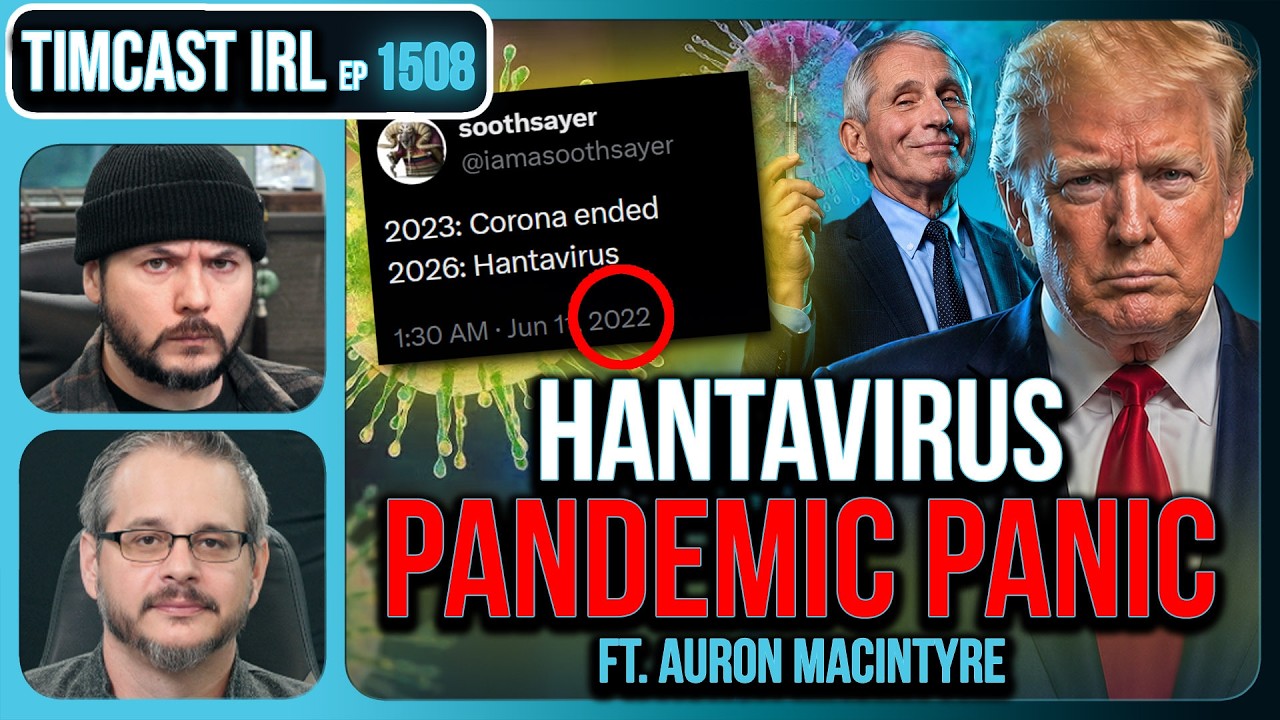
HANTAVIRUS PANDEMIC PANIC, Human To Human Spread Feared | Timcast IRL
"Tim Pool and his guests dismiss the Hantavirus panic as media desperation, pivot to discussing escalating political polarization, the rise of technocracy, and the weaponization of social issues."
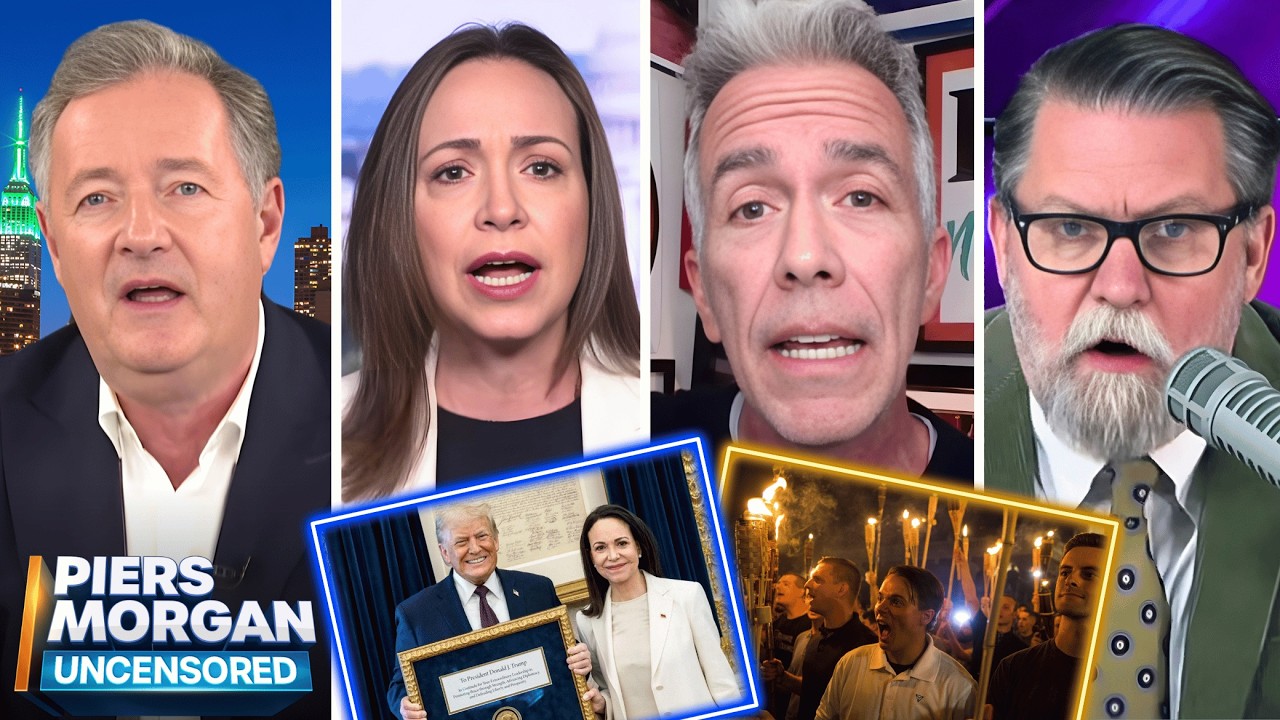
"Fighting Solves EVERYTHING!" Who's To Blame For Political Violence? + Maria Machado On Trump
"This episode dissects the escalating political violence in the US, with panelists fiercely debating the role of partisan rhetoric and media in radicalization, alongside an interview with Venezuelan opposition leader Maria Machado on US intervention and her country's future."

A major shift is happening right now
"Donald Trump is losing his grip on the Republican party and movement, evidenced by internal dissent and a broader political landscape grappling with a collapse of accountability and truth."