
Triumphant Clues | "48 Hours" Full Episodes
YouTube · jOCQELwvtf0
Quick Read
Summary
Takeaways
- ❖Mark Castellano initially claimed Michelle Warner stormed out after an argument, but his story quickly unraveled under interrogation.
- ❖Dr. Phil's interview with Castellano highlighted his narcissistic tendencies and inconsistencies, prompting detectives to intensify their investigation.
- ❖Detectives used psychological tactics, framing Castellano's actions as protecting his son, to elicit his confession to Michelle's murder.
- ❖Michelle Warner's body was located in a shallow grave in West Texas with the help of FaceTime, as Castellano directed police in real-time.
- ❖Kathy McNottton meticulously documented her husband Alec McNottton's abuse through hidden photos, notes, and even a secretly recorded argument.
- ❖Alec McNottton's alibi was disproven by cell phone tower data, placing him near the crime scene when he claimed to be an hour away.
- ❖Testimony from Alec McNottton's three ex-wives revealed a consistent pattern of domestic violence and threats, contradicting his claims of a loving marriage.
- ❖Chris Tap was wrongfully convicted of Angie Dodge's 1996 murder based on a coerced confession after 28 hours of interrogation.
- ❖Familial DNA searches using public genealogy databases, initially leading to Michael Usri Jr. as a suspect, ultimately identified the true killer, Brian Drips.
- ❖The use of genetic genealogy led to the world's first exoneration based on this technology, freeing Chris Tap after 20 years in prison.
Insights
1Michelle Warner Case: Psychological Interrogation and Digital Clues
Mark Castellano, Michelle Warner's boyfriend and father of her son, initially claimed she left after a fight. However, his story was inconsistent, and his behavior, including removing hard drives from his computers and asking police if he should appear on Dr. Phil, raised suspicion. Detectives used a psychological approach during interrogation, appealing to his love for his son, Kaden, to elicit a confession. Castellano admitted to killing Michelle and disposing of her body. The body's location in a remote West Texas oil field was pinpointed using FaceTime, with Castellano guiding officers in real-time.
Castellano's shifting narratives, his question to police about appearing on Dr. Phil, the missing hard drives, Detective Waters' psychological interrogation strategy, and the use of FaceTime to locate the body.
2Kathy McNottton Case: Victim's Hidden Evidence and Pattern of Abuse
Kathy McNottton was found stabbed to death, with her husband Alec McNottton claiming a loving marriage and a solid alibi. However, investigators discovered hidden disposable cameras, notes, and a secretly recorded argument in Kathy's closet. These revealed a history of physical abuse, financial disputes, and threats from Alec. Cell phone tower data contradicted Alec's alibi, placing him near the crime scene when he claimed to be an hour away. Testimony from his three previous ex-wives further established a pattern of violence and control, ultimately leading to his murder conviction.
Kathy's hidden photos showing bruises, her notes detailing threats and financial issues, Alec's secretly recorded argument where Kathy mentions pictures and affidavits, cell phone tower data disproving Alec's alibi, and consistent testimonies from Alec's three ex-wives regarding his abusive behavior.
3Angie Dodge Case: Wrongful Conviction and Genetic Genealogy Breakthrough
Angie Dodge was brutally murdered in 1996, with a pristine DNA sample left at the scene. Christopher Tap was wrongfully convicted based on a coerced confession after extensive interrogation, despite his DNA not matching the killer's. For decades, Angie's mother, Carol Dodge, tirelessly pursued justice. In 2014, a familial DNA search using a public database (ancestry.com) led to Michael Usri Jr. as a suspect, though he was later cleared. Years later, advanced genetic genealogy on a different public database (Jed Match) identified a distant relative, leading investigators to Brian Drips, who lived across the street from Angie. Drips' DNA matched the crime scene, leading to his arrest and the exoneration of Chris Tap after 20 years.
The pristine DNA profile from the crime scene, Chris Tap's coerced confession, the Idaho Innocence Project's work, the familial DNA search on ancestry.com leading to Michael Usri Sr. and Jr., the subsequent advanced genetic genealogy on Jed Match identifying Brian Drips' family tree, Drips' proximity to Angie's apartment, and his confession after his DNA matched the crime scene.
Lessons
- Always seek corroborating evidence for confessions, especially those obtained after prolonged interrogations, as they can be coerced and lead to wrongful convictions.
- Document signs of domestic violence, such as injuries, threats, and financial control, as this evidence can be crucial in future legal proceedings.
- Understand the privacy implications of sharing personal genetic information with public databases, as law enforcement may access this data for criminal investigations, potentially implicating relatives.
- Advocate for the use of advanced forensic technologies like genetic genealogy in cold cases, as they can provide new leads and correct past injustices, but also be aware of the ethical considerations.
- Recognize that a victim's own foresight in documenting abuse can be a powerful tool for justice, even after their death.
Quotes
"We don't have a scene. We don't have a witness. We don't have evidence. We don't have a body."
"It's really odd for a mother to just not check on, find out anything about a child."
"It wasn't about hurting Michelle. It was about the love and the strength of that love that you have for Kaden and protecting him from anybody that would threaten or hurt him."
"He put the bag over her head because he was tired of looking at her."
"You don't just an accident murder someone and feel nothing."
"I mean, women are now y'all are replacing men in a lot of aspects. Y'all are becoming the big time aggressors."
"I think this guy is very hedonistic. I think this relationship was on the downslope. I think it was falling apart and I think he felt her slipping away. I think it was one of those situations where if I can't have you, nobody will."
"We received calls from his own siblings who called us and said, 'Hey, I want to be off the record cuz I'm scared of him, but I think my brother did it.'"
"I think the comment he made was there's not a snowballs chance in hell that a jury would convict me on this."
"This case is the world's first exoneration by way of genealological DNA testing."
"Without technology, without genealogology research, uh we would have never found Angie's killer. It is the key that opens the door to justice."
Q&A
Recent Questions
Related Episodes

True-crime cases with recent developments | 48 Hours Full Episodes
"This episode reconstructs four complex true-crime cases, detailing the harrowing searches for missing persons, the challenges of prosecuting murders without bodies, and the enduring quest for justice in cold cases spanning decades."
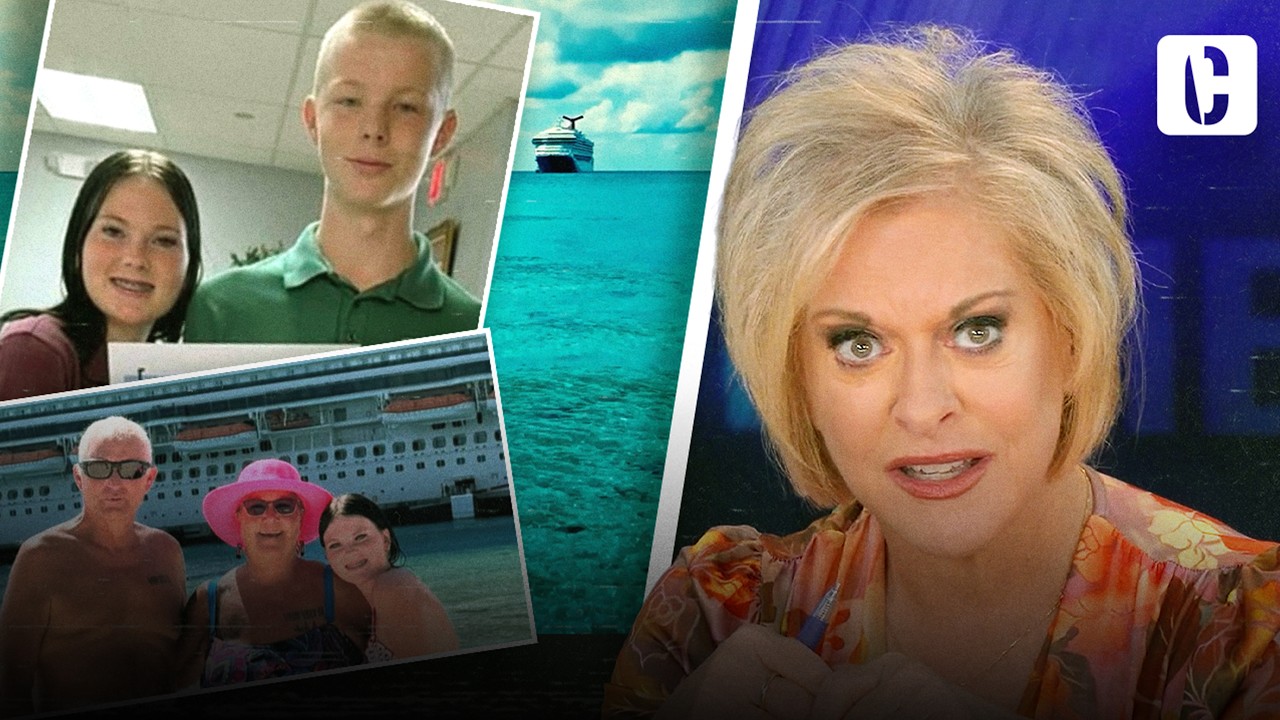
TEEN'S DNA REVEALED IN ANNA KEPNER'S R*** KIT
"The investigation into Anna Keaptainner's death on a cruise ship reveals shocking DNA evidence, a previously unknown male minor, and critical questions about evidence handling and family dynamics."

The Lindbergh Conspiracies | Post Mortem
"Explore the enduring mystery of the 1932 Lindbergh kidnapping, from the compromised investigation and Bruno Hauptmann's unfair trial to Charles Lindbergh's controversial character and the modern resurgence of conspiracy theories."

Hell On Wheels: Mackenzie Shirilla's Double Murder Crash
"A seemingly accidental car crash that killed two young men in Strongsville, Ohio, was meticulously uncovered by investigators to be a deliberate act of double murder by the 17-year-old driver, Mackenzie Shirilla, amidst a tumultuous relationship and a shocking lack of remorse."