What could have saved Monique and Spencer Tepe? Warnings about alleged killer Michael McKee
YouTube · jmHOKKSE778
Quick Read
Summary
Takeaways
- ❖An unsealed indictment against Michael McKee detailed his history of abuse, threats, forced sex, and strangulation against Monique Tepe.
- ❖McKee's actions, including leaving his phone at work, using a silencer, and scouting the Tepe home, indicate significant premeditation.
- ❖A clerical error in a 2025 divorce filing may have triggered McKee's renewed obsession and subsequent actions.
- ❖Domestic violence victims face systemic barriers, including fear of escalating abuse by reporting and the difficulty of proving stalking to law enforcement.
- ❖Former prosecutor Kim Donia advises victims to proactively document all incidents, seek restraining orders, and utilize victim advocacy resources.
- ❖While legal protections are vital, a determined abuser with sociopathic tendencies may not be deterred by a restraining order alone.
Insights
1Unsealed Indictment Reveals McKee's Abusive History and Threats
The indictment against Michael McKee, Monique Tepe's ex-husband, detailed a history of abuse, including forced unwanted sex, strangulation, and threats such as 'he could kill her at any time and would find her and buy the house right next to her that she will always be his wife.'
Host Brian Entin discusses the unsealed indictment () and reads from it, detailing Monique's accounts to friends and family ().
2Clerical Error Potentially Triggered Renewed Harassment
A clerical error in Monique and Michael McKee's 2017 divorce filing, which resurfaced in 2025, may have sent a notification to McKee, potentially re-igniting his dormant obsession with Monique.
Former prosecutor Kim Donia agrees with the host's attorney friends that a 2025 clerical error could have triggered McKee's actions, stating, '100% the 2025 incident could have triggered this kind of obsession that he already had that was laying dormant for her.'
3Systemic Barriers for Domestic Violence Victims
Women facing domestic violence, particularly from ex-partners, encounter significant barriers within the criminal justice system, including fear that reporting will escalate violence, a lack of education on available resources, and the emotional exhaustion required to pursue legal protection.
Kim Donia states, 'I do think there's barriers that there's not enough education out there to give women the power to know what to do in this situation' () and acknowledges victims' fear that reporting 'will become 100% worse for them' ().
4Abusers Exploit Law Enforcement Complacency
Abusers often understand the legal 'line' they can walk, knowing that law enforcement may be complacent or require substantial evidence for action, making it difficult for victims to get immediate, impactful intervention for behaviors like stalking.
Donia notes, 'Sadly, the abusers know better than anyone the line that they can walk and how complacent law enforcement is with this type of behavior' (). She explains that an arrest for trespassing might only result in a 24-hour detention, leading victims to question if it's 'worth it to go through all this hassle, get Michael even more agitated.'
5Premeditation Evident in McKee's Actions
Evidence such as McKee's use of a silencer, leaving his phone at home to avoid tracking, and scouting the Tepe residence weeks before the murders strongly indicates premeditation, making a mental health or insanity defense difficult.
Donia states, 'He goes to the home with a silencer, making it abundantly clear what he's going to do... to me, that's complete premeditation' (). She adds that leaving his phone at home 'shows a sophistication in planning a murder that most people don't have unless you're premeditating the murder.' ()
Key Concepts
Cycle of Abuse
This model describes the repetitive pattern of abuse followed by a period of 'love bombing' or reconciliation, which makes it difficult for victims to leave or report, as they often hope the abuser will change. The prosecutor notes that this cycle rarely improves without forced intervention.
Premeditation Indicators
This model identifies specific actions taken by an offender that demonstrate prior planning and intent to commit a crime. In this case, McKee's use of a silencer, leaving his phone at home to avoid tracking, and scouting the victims' house weeks in advance are all strong indicators of premeditation, crucial for proving first-degree murder.
Lessons
- Victims of domestic violence should proactively document all incidents, including threats, communications, and suspicious activities, to build a strong record for legal action.
- Seek restraining orders through either criminal (police report, victim advocate) or civil (civil courthouse) avenues, and persistently report any violations to ensure enforcement.
- Utilize available resources such as the National Domestic Violence Hotline (1-800-799-SAFE), local district attorney victim advocates, family justice centers, and legal aid services for guidance and support.
Proactive Steps for Domestic Violence and Stalking Victims
Document every incident: Keep detailed records of all threats, unwanted communications (texts, calls), and suspicious activities (e.g., being seen near your home). This evidence is crucial for legal proceedings.
Seek a restraining order: Pursue a protective order through law enforcement (criminal) or the civil court system. If a criminal case is filed, work with a victim advocate. If not, go to the civil courthouse to document harassment and request a civil restraining order.
Report all violations: If a restraining order is in place, immediately report any violation to law enforcement. Consistent reporting helps build a stronger case against the abuser and demonstrates their disregard for legal mandates.
Enhance personal security: Implement practical safety measures such as installing an alarm system and security cameras. Remain alert to your surroundings and keep track of your abuser's movements if they are known to be stalking.
Utilize support networks: Connect with victim advocates, legal aid, and domestic violence hotlines (e.g., 1-800-799-SAFE). These resources provide guidance, emotional support, and help navigate the legal system.
Notable Moments
Monique Tepe's distress at a Big 10 Championship game, leading her to leave early due to an issue with her ex-husband, Michael McKee.
This incident, occurring weeks before the murders, suggests Monique was actively experiencing harassment or stalking from McKee, potentially related to his earlier presence outside her home, indicating her awareness of his renewed activity and the emotional toll it took.
Spencer Tepe's co-workers expressed immediate concern when he didn't show up for work, prompting a welfare check.
This suggests that the Tepe's inner circle was aware of the ongoing issues with Michael McKee, leading to heightened concern and quick action when Spencer was unexpectedly absent, indicating the severity of the situation was known to others.
Quotes
"I do think there's barriers that there's not enough education out there to give women the power to know what to do in this situation. The power to go to law enforcement to get the restraining order, the power to go to the district attorney's office, your local district attorney's office, ask for a victim advocate to help you with a protective order. These things are out there and in place for for these types of situations."
"Sadly, the abusers know better than anyone the line that they can walk and how complacent law enforcement is with this type of behavior."
"It is kind of disturbing though that at the end of the I guess this is just the way it works, but that it's on the the the victim to continue to have to push and fight and report and you're if you're already being victimized like I would imagine sometimes you just don't have the energy or you're just too fearful to do that."
"A piece of paper that says you're restrained from coming within 50 yards of this victim, if they're set on killing somebody, it's not going to stop them. If their sociopathic tendencies have gone so far that they've premeditated, they've thought about the killing, and then they put in an action plan, you're right, a piece of paper restraining them isn't going to do one thing."
Q&A
Recent Questions
Related Episodes
5 Most Wicked Murder Cases Caught On Bodycam
"Bodycam footage provides an unfiltered, real-time look into five brutal murder investigations, exposing the immediate aftermath of horrific crimes and the initial interactions with suspects and witnesses."
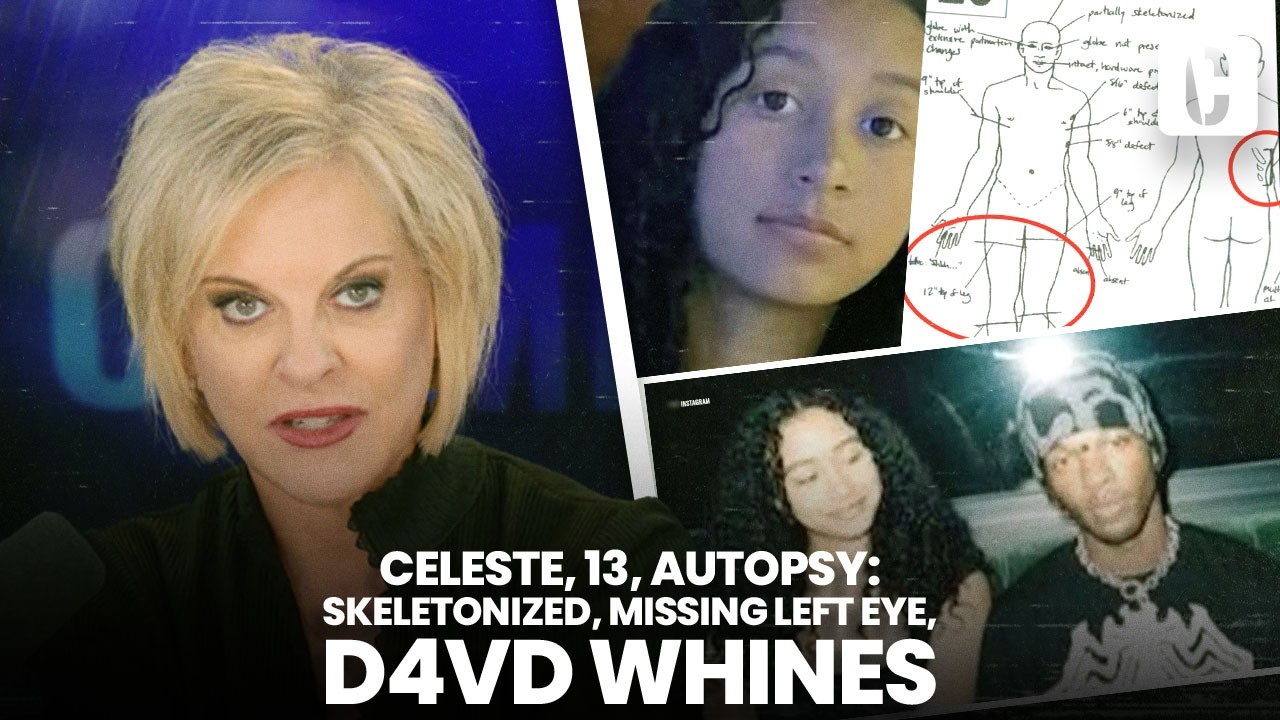
CELESTE, 13, AUTOPSY: SKELETONIZED, MISSING LEFT EYE, D4VD WHINES
"A 13-year-old girl, Celeste Rivas, was found partially skeletonized with a missing left eye, traces of meth and MDMA, and fatal stab wounds, while the accused musician David Anthony Burke (D4VD) complains about jail conditions."
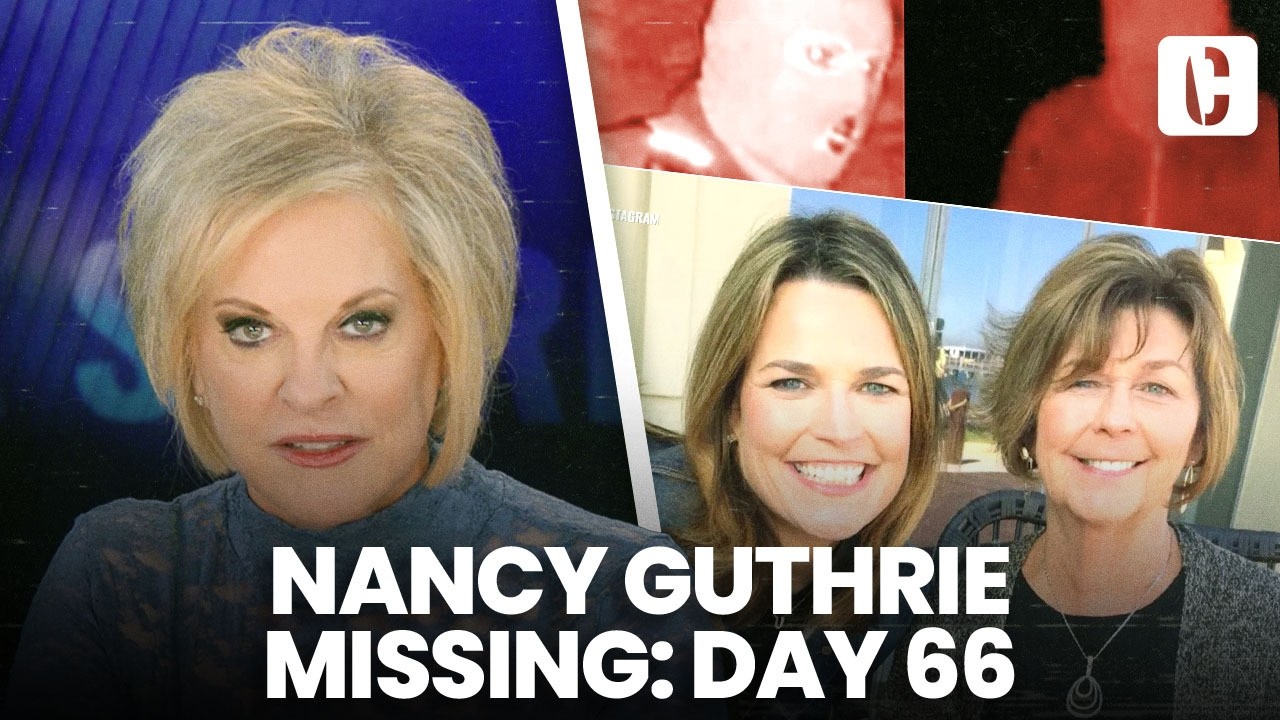
SAVANNAH GUTHRIE'S MOM MISSING: DAY 66
"On day 66 of Nancy Guthrie's disappearance, investigators grapple with two distinct sets of Bitcoin ransom notes, digital tracing challenges, and potential physical evidence like shoe coverings, as new, dubious claims emerge from a 'hyena' seeking payment for information."

True-crime cases with recent developments | 48 Hours Full Episodes
"This episode reconstructs four complex true-crime cases, detailing the harrowing searches for missing persons, the challenges of prosecuting murders without bodies, and the enduring quest for justice in cold cases spanning decades."