Polygraphs in Nancy Guthrie case — how they could be narrowing the search to find a suspect
YouTube · jqGNEX8e_oI
Quick Read
Summary
Takeaways
- ❖Rumors of a named suspect in the Nancy Guthrie case are false; investigators are still processing a high volume of tips.
- ❖Former detective John Bueller believes Nancy Guthrie likely did not survive the abduction due to lack of ransom demands and significant blood evidence.
- ❖Polygraphs are valuable investigative tools for assessing cooperation and can lead to confessions when combined with skilled interviewing.
- ❖Potential obstacles in the investigation include inter-agency friction between the Sheriff's office and the FBI, and the possible transfer of experienced violent crime investigators.
- ❖The perpetrator was likely a single, inexperienced individual, indicated by poor planning (e.g., gun holster, not anticipating doorbell cameras).
- ❖Key investigative steps include examining wills for monetary motives, tracking car data in the area, reverse keyword searches for Nancy's address, and alibiing tradespeople and parolees.
Insights
1Polygraphs as a Strategic Investigative Tool
Polygraphs are not admissible in court without mutual agreement, but they are crucial for gauging a person's cooperation level and can be leveraged by skilled operators to elicit admissions or confessions. The process involves establishing a baseline of truth-telling and deception, followed by a post-polygraph interview to dissect reactions, which can lead to significant breakthroughs.
John Bueller describes working with a skilled polygraph operator who 'rolled them into confessions on crimes' after they passed voice stress analysis, emphasizing the importance of the post-polygraph interview and the operator's communication skills.
2Challenges in Managing High-Volume Tips and Inter-Agency Dynamics
Large-scale investigations like Nancy Guthrie's often generate thousands of tips, making prioritization difficult and risking crucial information being overlooked. Additionally, friction or rivalries between law enforcement agencies (e.g., Sheriff's office and FBI) or inexperienced administrative leadership can impede the investigative process, potentially slowing down critical forensic analysis like DNA processing.
Bueller recounts a case where a killer's hand-drawn map was missed for days in a stack of mail. He also notes 'a bit of friction between the agency… the sheriff's office and the FBI' and questions the decision to send DNA to a private lab instead of the FBI's Quantico.
3Perpetrator Profile and Abduction Dynamics
The perpetrator was likely a single, inexperienced individual, indicated by poor planning such as an unusual gun holster and failure to anticipate doorbell cameras. The motive was likely financial, possibly connected to Savannah Guthrie's notoriety. Nancy Guthrie's poor health, age, and pacemaker, combined with the significant blood evidence and lack of immediate ransom demands, suggest she likely did not survive the abduction.
Bueller states, 'I've never thought there were more than one person from the beginning.' He points to the 'ridiculous sportsman holster' and the 'poor planning' regarding the Nest camera. He attributes his fear for Nancy's survival to 'no instantaneous demand for a reward' and the 'amount of blood that was present'.
4Critical Investigative Avenues for Unsolved Abductions
Beyond initial crime scene work, ongoing investigation should focus on financial motives by reviewing wills, leveraging modern technology like car tracking data and reverse keyword searches for the victim's address, and scrutinizing individuals with potential connections or criminal histories such as tradespeople who worked at the house or recently released violent parolees.
Bueller lists specific actions: 'I want to see the will,' 'car tracking would be something I would look into,' 'reverse keyword search on that' for her address, and investigating 'trades people' or 'parolees' who fit a violent offender profile.
Lessons
- When facing a complex problem with overwhelming information, establish a robust prioritization system, but remain open to revisiting low-priority items, as critical clues can be buried.
- In high-stakes collaborations, proactively address potential inter-agency friction or leadership issues to ensure seamless information flow and optimal resource allocation.
- For security, assume all potential entry points and surveillance systems (e.g., doorbell cameras) are known to potential perpetrators, and plan accordingly to avoid 'poor planning' vulnerabilities.
Quotes
"There might be something in there that we're waiting on that it could break it wide open."
"I'm a big fan of the polygraph, not because you can use it in court... but reaction to the request for a polygraph is a signal on the cooperation level."
"If there's something good to say about the defendant or the guy that you're looking at, the suspect, you put it in the report. And if there's some bad stuff that indicates he did it, you put it in the report."
"There were far more guys that I arrested for homicide that I actually liked than there were guys that I arrested that I didn't like."
Q&A
Recent Questions
Related Episodes
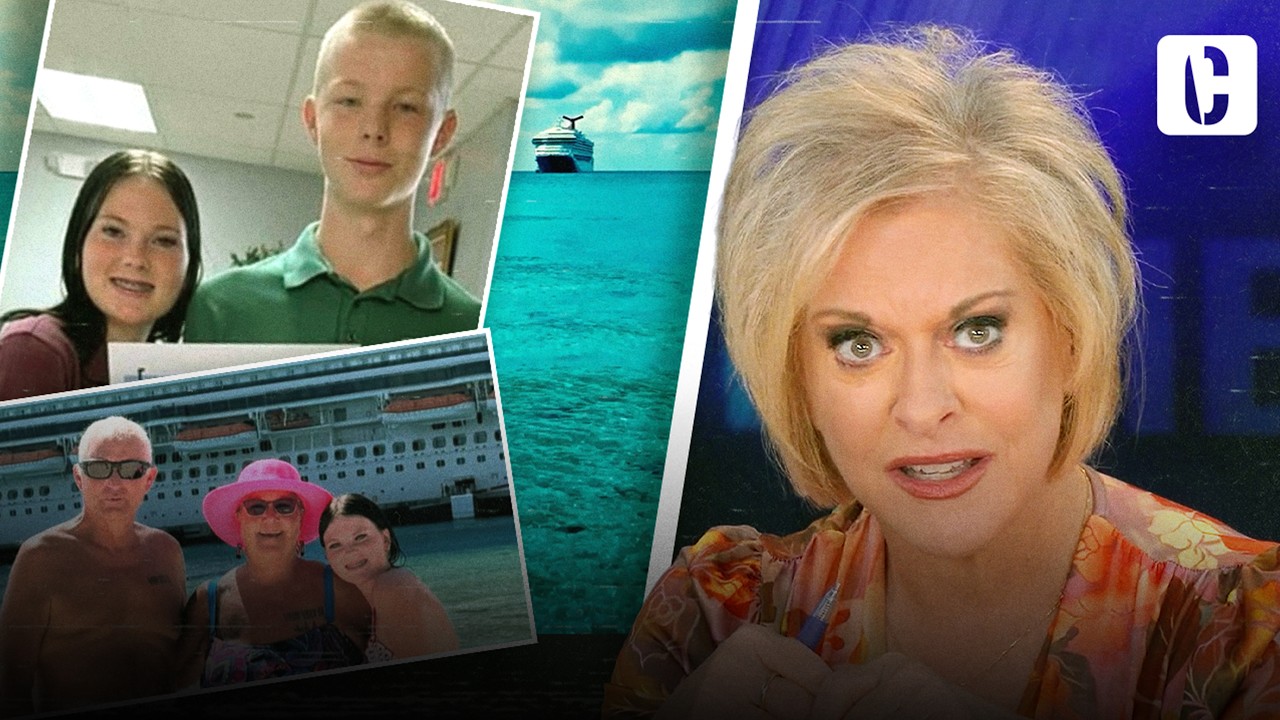
TEEN'S DNA REVEALED IN ANNA KEPNER'S R*** KIT
"The investigation into Anna Keaptainner's death on a cruise ship reveals shocking DNA evidence, a previously unknown male minor, and critical questions about evidence handling and family dynamics."

The Lindbergh Conspiracies | Post Mortem
"Explore the enduring mystery of the 1932 Lindbergh kidnapping, from the compromised investigation and Bruno Hauptmann's unfair trial to Charles Lindbergh's controversial character and the modern resurgence of conspiracy theories."
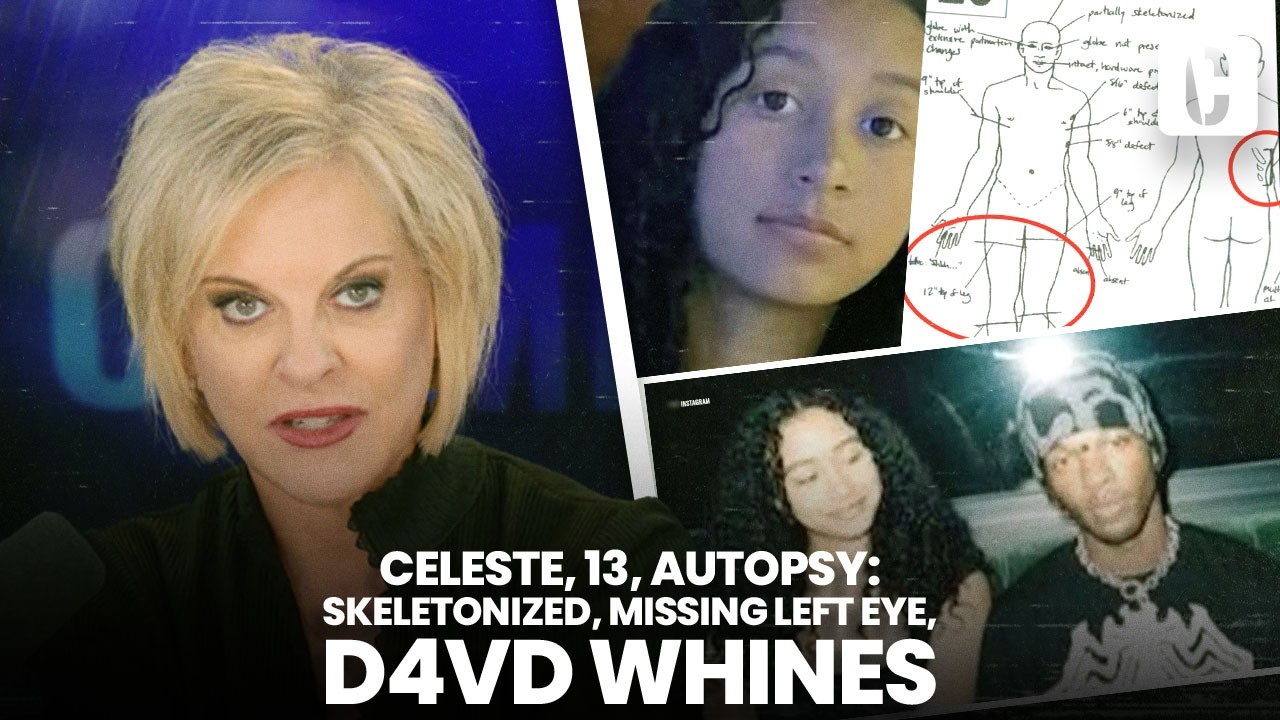
CELESTE, 13, AUTOPSY: SKELETONIZED, MISSING LEFT EYE, D4VD WHINES
"A 13-year-old girl, Celeste Rivas, was found partially skeletonized with a missing left eye, traces of meth and MDMA, and fatal stab wounds, while the accused musician David Anthony Burke (D4VD) complains about jail conditions."

True-crime cases with recent developments | 48 Hours Full Episodes
"This episode reconstructs four complex true-crime cases, detailing the harrowing searches for missing persons, the challenges of prosecuting murders without bodies, and the enduring quest for justice in cold cases spanning decades."