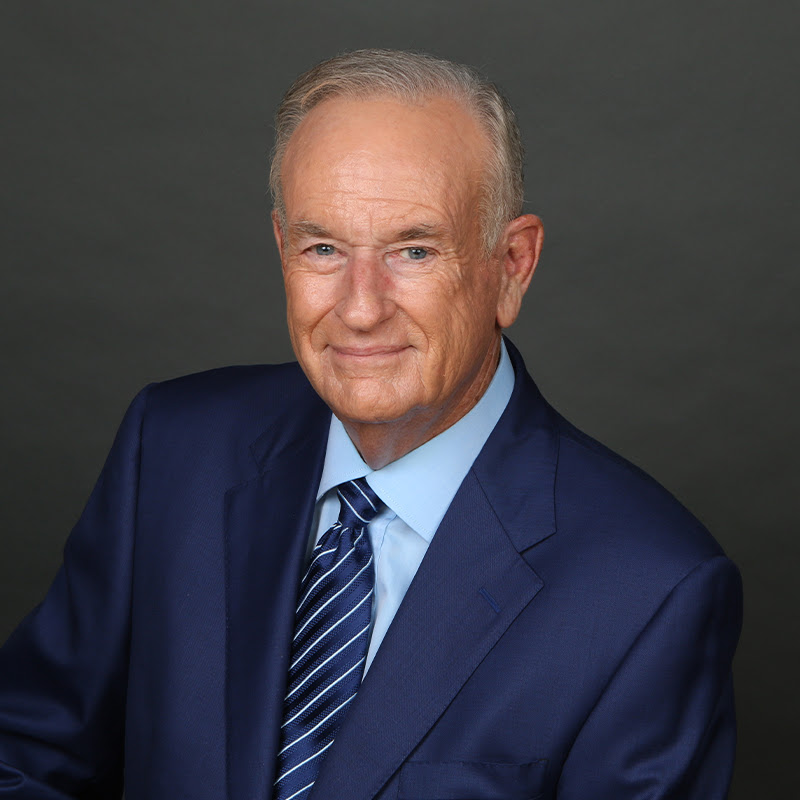
Bill O'Reilly Talks to Barack Obama's Former Home Security Secretary Jeh Johnson
YouTube · kqRYuscsk58
Quick Read
Summary
Takeaways
- ❖The Obama administration, under Jeh Johnson, had high deportation numbers and achieved some of the lowest border crossings since 1972 due to robust enforcement and cooperation with Mexico.
- ❖Jeh Johnson believes the current immigration crisis under Biden is largely due to a perception of 'soft' enforcement, which he identifies as an 'information sensitive phenomenon' where illegal immigration reacts sharply to policy signals.
- ❖Both O'Reilly and Johnson agree that political motivations often overshadow the desire for smart, bipartisan immigration policy, with politicians sometimes benefiting more from the problem's existence than its solution.
Insights
1Obama Administration's Robust Immigration Enforcement
Under President Obama, particularly during Jeh Johnson's tenure as Homeland Security Secretary, the U.S. saw high deportation numbers—surpassing Trump's first term—and some of the lowest illegal border crossings since 1972. This was achieved through a combination of interior enforcement, border security, and cooperation with Mexico on its southern border.
Johnson states, 'President Obama was labeled the deporter-in-chief in 2013-2014... my second full year in office... illegal border crossings were... the second lowest number since 1972.' He also notes, 'President Pinetto agreed to do more enforcement on his southern border' in 2014.
2Political Shift in Democratic Party Stance on Immigration
Bill O'Reilly highlights a significant shift in the Democratic party's approach to immigration enforcement. While the party largely supported the Obama administration's efforts to regulate who entered the country, there's a perceived move towards less enforcement under the Biden administration, which O'Reilly attributes to using the issue against the Trump administration.
O'Reilly asks, 'What's changed now that you have a flood because of President Biden? Why isn't Chuck Schumer saying, 'No, we got to get this under control.'' Johnson confirms that during Obama's term, 'the party, Schumer, all these guys, they supported you and Barack Obama in trying to regulate who was coming into the country.'
3Politics Overwhelm Smart Immigration Policy
Jeh Johnson asserts that the political landscape surrounding immigration has become so polarized that it prevents the implementation of smart, effective policy. He suggests that politicians on both sides often prefer to maintain the problem as a talking point rather than genuinely fix it, citing the failure of a bipartisan border security bill.
Johnson states, 'The politics of immigration have overwhelmed any desire for smart policy.' He references a 'pretty good bipartisan bill' negotiated by Senators Langford and Murphy that failed because 'the politicians didn't want to fix the problem. They'd rather have the problem as something to complain about.'
4Impact of Perceived Enforcement Policy on Migration Flows
Illegal immigration is highly sensitive to perceptions of U.S. enforcement policy. When an administration is perceived as 'soft' on the border, crossings increase, as seen under Biden. Conversely, a perception of strict enforcement, like under Trump initially, leads to a drop in numbers, though 'push factors' eventually cause numbers to revert.
Johnson explains, 'Illegal immigration... is a very information sensitive phenomenon. It reacts sharply upward or downward to perceived changes in our enforcement policy on the southern border. When Biden came into office, he was perceived as being soft and you saw the result. When Trump came into office, the numbers plummet.'
Bottom Line
Politicians often benefit more from the existence of an immigration problem than from its solution.
This insight suggests that legislative gridlock on immigration may not always be a failure of negotiation but a strategic choice by political actors to maintain a potent wedge issue for electoral advantage, hindering genuine reform.
For policymakers, understanding this dynamic is critical to designing solutions that either circumvent political incentives or create new incentives for cooperation. For the public, it highlights the need to demand accountability for inaction and support leaders genuinely committed to problem-solving over politicking.
The effectiveness of interior immigration enforcement hinges on cooperation with local authorities, which can be derailed by controversial ICE tactics.
Aggressive or poorly executed ICE operations can alienate local governments (mayors, city councils, governors), leading them to withdraw cooperation and declare 'sanctuary' policies. This makes it harder for federal agents to target high-priority individuals like felons, ultimately undermining public safety objectives.
Federal agencies need to prioritize de-escalation training and community-oriented approaches to maintain trust and cooperation with local law enforcement. This could involve clearly defined priority enforcement programs that focus on serious criminals, making it easier for local officials to justify collaboration to their constituents.
Key Concepts
Information Sensitive Phenomenon (Immigration)
Illegal immigration is highly reactive to perceived changes in enforcement policy. When enforcement is seen as strict, numbers drop; when perceived as soft, numbers surge. This dynamic means policy signals alone can significantly alter migration patterns, even before full implementation.
Lessons
- Analyze political rhetoric on immigration to identify whether leaders are genuinely seeking solutions or using the issue for political leverage, especially when bipartisan bills fail.
- Advocate for immigration policies that balance border security with humane treatment, recognizing the 'information sensitive' nature of migration flows and the impact of perceived policy changes.
- Support initiatives that promote de-escalation training and community engagement for federal law enforcement agencies like ICE, as local cooperation is essential for effective interior enforcement and public safety.
Notable Moments
Jeh Johnson's surprise at Biden's 'open border' policy.
This highlights a significant policy shift that even a former high-ranking DHS official found unexpected, underscoring the dramatic change in approach from one Democratic administration to the next and its immediate consequences on border flows.
Discussion on the 'racist component' in border security concerns.
Johnson acknowledges a 'racist element' in some criticisms of illegal crossings but simultaneously affirms that securing the border is a 'legitimate government objective.' This nuanced perspective attempts to bridge ideological divides by separating valid security concerns from potentially prejudiced motivations.
Quotes
"President Obama was labeled the deporter and chief in 2013 2014 and I knew that that aggravated him because it was in the midst of an effort to try to achieve comprehensive immigration reform."
"You probably have found the right balance when both sides are screaming at you or you don't hear anything at all about this issue."
"The politics of immigration have overwhelmed any desire for smart policy."
"Illegal immigration Bill is a very information sensitive phenomenon. It reacts sharply upward or downward to perceived changes in our enforcement policy on the southern border."
Q&A
Recent Questions
Related Episodes

Trump’s Half-Baked Border Plan Collides With Legal Reality (w/ Andrew Weissmann) | Illegal News
"Legal experts dissect how Trump's politically motivated legal strategies, from targeting Jerome Powell to fabricating border trespassing charges, consistently collide with judicial scrutiny and legal precedent."

Ilhan Omar Finally Got Scared After New Proof of Her $5M Winery Fraud Just Went Viral
"The episode exposes alleged financial fraud by Ilhan Omar and her husband, criticizes Democratic immigration policies, and discusses the 'Red-Green Alliance' and recent Epstein file revelations, all framed as threats to American values."

BREAKING: Border Agents Who MURDERED Alex Pretti Identified | LIVE Alex Pretti VIGIL
"A live vigil for Alex Pretti in Minneapolis reveals the identities of the Border Patrol agents involved in his death, alongside powerful calls for justice, union strength, and accountability against the Trump administration's policies."

Highlights from BillOReilly.com’s No Spin News | January 2, 2026
"Bill O'Reilly and John Solomon dissect the alleged political motivations behind current immigration policies, criticize mainstream media narratives, and a war correspondent shares harrowing field experiences."