
‘Cold’ Ex-Husband Shows No Emotion in Ohio Double Murder Arraignment
YouTube · mB5Kv-kKB04
Quick Read
Summary
Takeaways
- ❖Dr. Michael McKe, a vascular surgeon, was arraigned for the December 30th double murder of his ex-wife, Monnique Tepee, and her husband, Spencer Tepee.
- ❖McKe is charged with four counts of aggravated murder and one count of aggravated burglary, with firearm specifications, and allegedly used a silencer.
- ❖Police allege McKe drove over seven hours from Rockford, Illinois, to Columbus, Ohio, committed the murders, and drove back.
- ❖Key evidence includes a Nest camera capturing a person of interest (believed to be McKe) near the crime scene, and his vehicle tracked arriving and leaving the area.
- ❖A preliminary link has been established between weapons found at McKe's property and the homicides.
- ❖Monnique's family described McKe as emotionally abusive and threatening during their brief 2015-2017 marriage.
- ❖McKe's former girlfriend claimed he portrayed himself as a victim of the divorce, stating Monnique simply left him.
- ❖Months before the murders, McKe was named in a malpractice lawsuit in Las Vegas, where process servers struggled to locate him, and a coworker stated he "just disappeared."
- ❖McKe's defense attorney, Diane Manashi, entered a not-guilty plea and waived bond during the arraignment.
- ❖Legal experts note the defense will focus on challenging law enforcement's evidence and avoiding attacking the victims' credibility due to public sympathy.
Insights
1Alleged Premeditated Double Murder by Ex-Husband
Dr. Michael McKe, a vascular surgeon, is accused of driving over seven hours from Illinois to Ohio to murder his ex-wife, Monnique Tepee, and her new husband, Spencer Tepee, in their home. The crime involved breaking into their residence and using a silencer, suggesting premeditation.
Police allege McKe drove from Rockford, Illinois, to Columbus, Ohio, on December 29th/30th, entered the Tepee home, shot the couple multiple times in their bedroom, and then drove back to Illinois. He is charged with aggravated murder and aggravated burglary, with firearm specifications for using a silencer.
2Crucial Surveillance and Vehicle Tracking Evidence
A significant break in the investigation came from a Nest camera capturing a person of interest near the Tepee home around the time of the murders. This individual, believed to be McKe, was linked to a vehicle registered to him, which was tracked arriving in Columbus before the murders and leaving shortly after.
A Nest camera captured a man in dark clothing with a 'unique gait' walking near the Tepee home between 2 and 5 AM on December 30th. Police identified this person as McKe and confirmed his vehicle was on neighborhood surveillance, arriving just before and leaving shortly after the homicides. The vehicle was located in Rockford, Illinois, and evidence showed McKe's possession before and after the incident.
3Suspect's Troubled Past and Disappearance from Practice
McKe's background, initially appearing pristine, revealed a tumultuous past. His brief marriage to Monnique ended quickly with allegations of verbal abuse. Months before the murders, he was named in a malpractice lawsuit in Las Vegas, where he reportedly 'disappeared' from his surgical practice, making him difficult to locate for legal service.
Monnique's family stated McKe was verbally abusive during their 2015-2017 marriage. In a 2024 malpractice lawsuit related to a 2023 procedure, process servers made nine attempts to find McKe in Las Vegas. His coworker, Dr. Peter Caravella, at Las Vegas Surgical Associates, stated McKe 'just disappeared' and had 'no idea where Dr. Michael McKe is now.' McKe's Nevada medical license also expired in June 2025 (as of the podcast's recording).
4Defense Strategy in High-Profile Cases
The defense attorney's initial focus in a high-profile case like this is building client rapport, gathering discovery, and preparing to challenge the prosecution's evidence, particularly concerning ballistics and the suspect's presence at the scene. They must carefully navigate public perception and avoid attacking the victims to maintain jury neutrality.
Criminal defense attorney Sky Lazaro explained that initial steps involve building trust with the client, assembling a legal team, and reviewing discovery. She noted the difficulty of overcoming surveillance evidence (McKe's car and presence) and ballistics. Lazaro emphasized the need to 'stay away from anything that might be in any way disrespectful' to the victims or their families to avoid alienating the jury, focusing instead on potential law enforcement errors.
Lessons
- Recognize that domestic violence can manifest in various forms, including emotional abuse, and can have long-lasting, severe consequences, even years after a relationship ends.
- Understand the critical role of surveillance footage and digital tracking (e.g., vehicle GPS, Nest cameras) in modern criminal investigations, often providing crucial evidence to link suspects to crime scenes.
- Appreciate the complex ethical tightrope criminal defense attorneys walk in high-profile cases, balancing client advocacy with ethical duties to the court and managing public perception without attacking victims.
Notable Moments
Initial 911 call treated as a missing person's case due to the unexpected nature of the incident.
Highlights the initial disbelief and difficulty in comprehending such a horrific crime, even by emergency services, underscoring the shocking nature of the event for the community.
A friend discovers Spencer Tepee's body after police initially went to the wrong address for a wellness check.
Illustrates the tragic delay in discovering the victims and the children, and how a simple error can complicate initial response to critical situations.
Quotes
"She never called him by name. She would just call him her ex-husband. Um and just how much of a monster he was to be honest. Um emotionally abusive and threatening."
"He said he has no idea where Dr. Michael McKe is now. Said he just disappeared."
"No attorney can put somebody on the stand to suborn perjury. So if your client says, 'I did it.' It doesn't mean you can't represent them. It doesn't mean you can't fight the state's evidence or fight suppression issues or do the very best job that you can for them. What you can't do is put them on the stand and let them sit there and say, 'I didn't do it.'"
Q&A
Recent Questions
Related Episodes
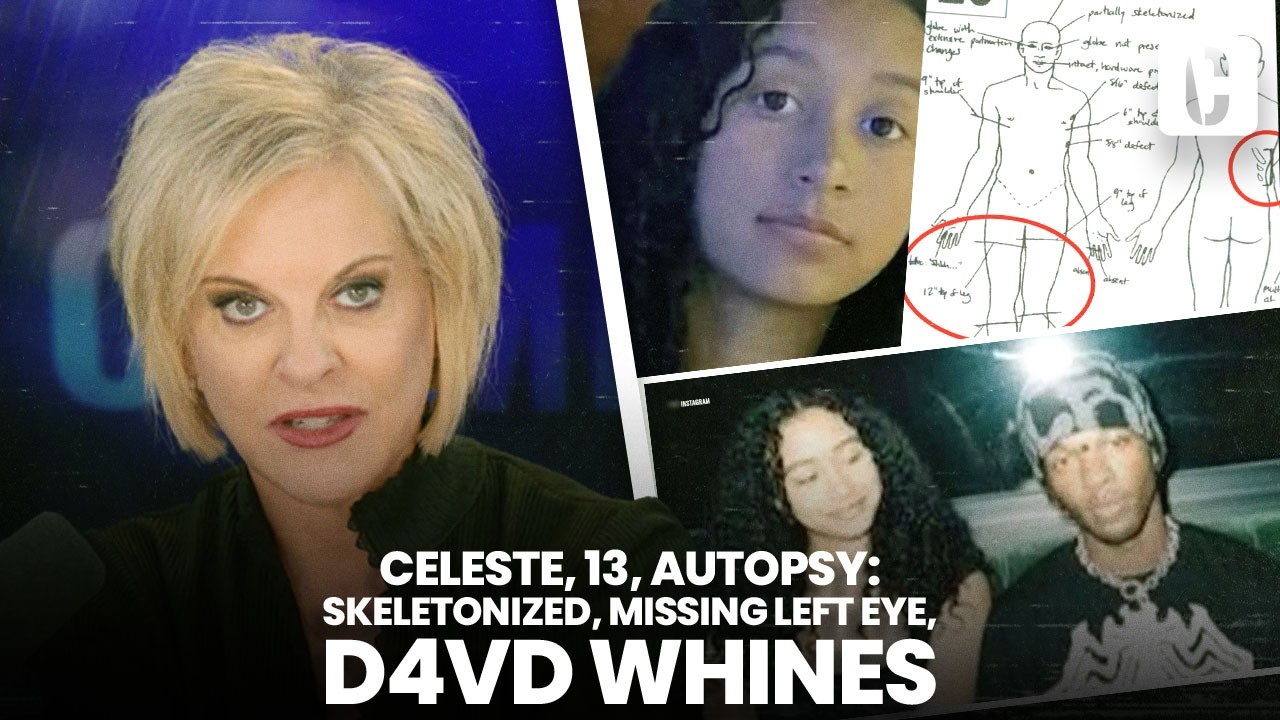
CELESTE, 13, AUTOPSY: SKELETONIZED, MISSING LEFT EYE, D4VD WHINES
"A 13-year-old girl, Celeste Rivas, was found partially skeletonized with a missing left eye, traces of meth and MDMA, and fatal stab wounds, while the accused musician David Anthony Burke (D4VD) complains about jail conditions."
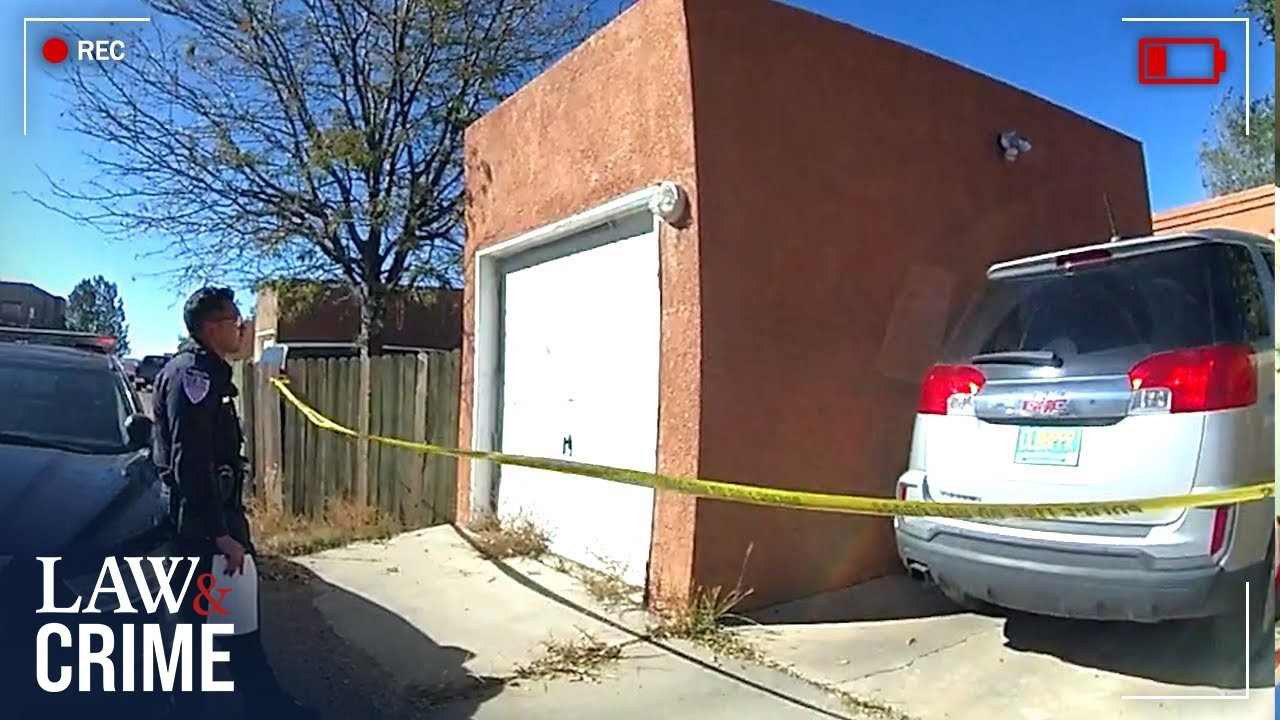
5 Most Wicked Murder Cases Caught On Bodycam
"Bodycam footage provides an unfiltered, real-time look into five brutal murder investigations, exposing the immediate aftermath of horrific crimes and the initial interactions with suspects and witnesses."
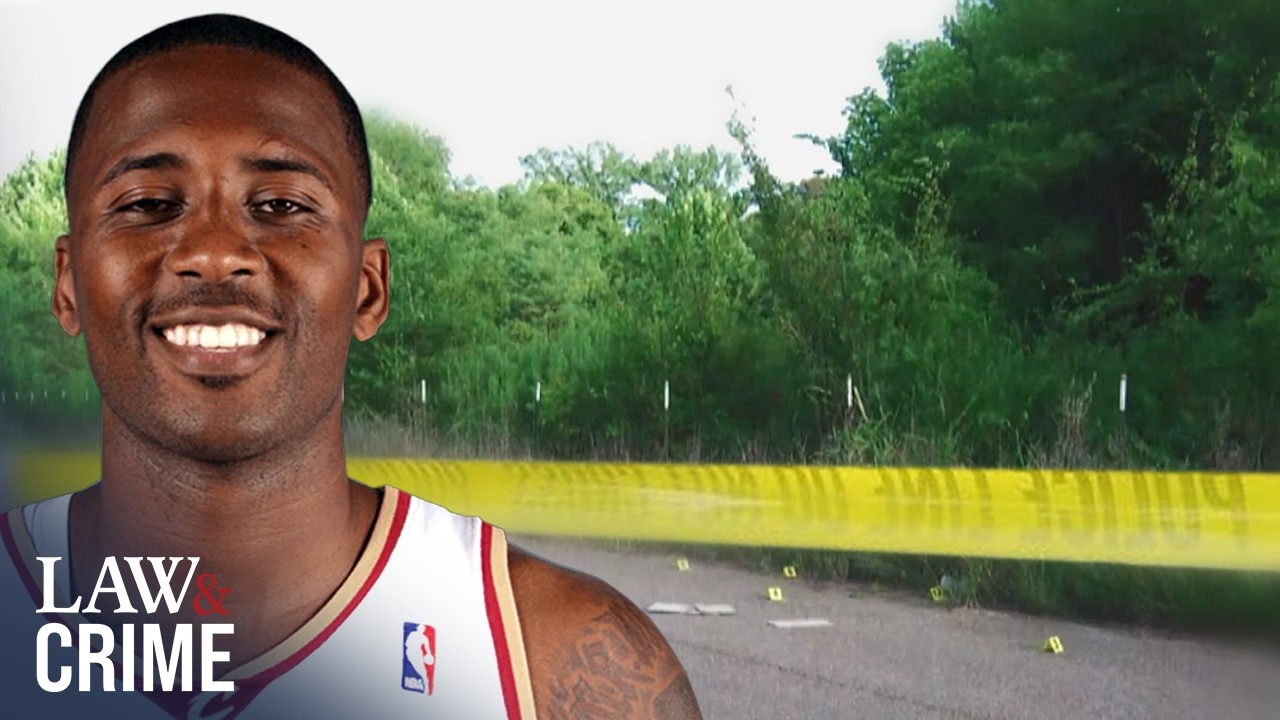
Killer Cases: NBA Star Lured to Execution In Rural Tennessee
"The decade-long cold case of NBA star Lorenzen Wright's murder was cracked through a persistent mother, a jailed informant, and a covert police operation that recovered the murder weapon from a lake and exposed a conspiracy driven by greed."
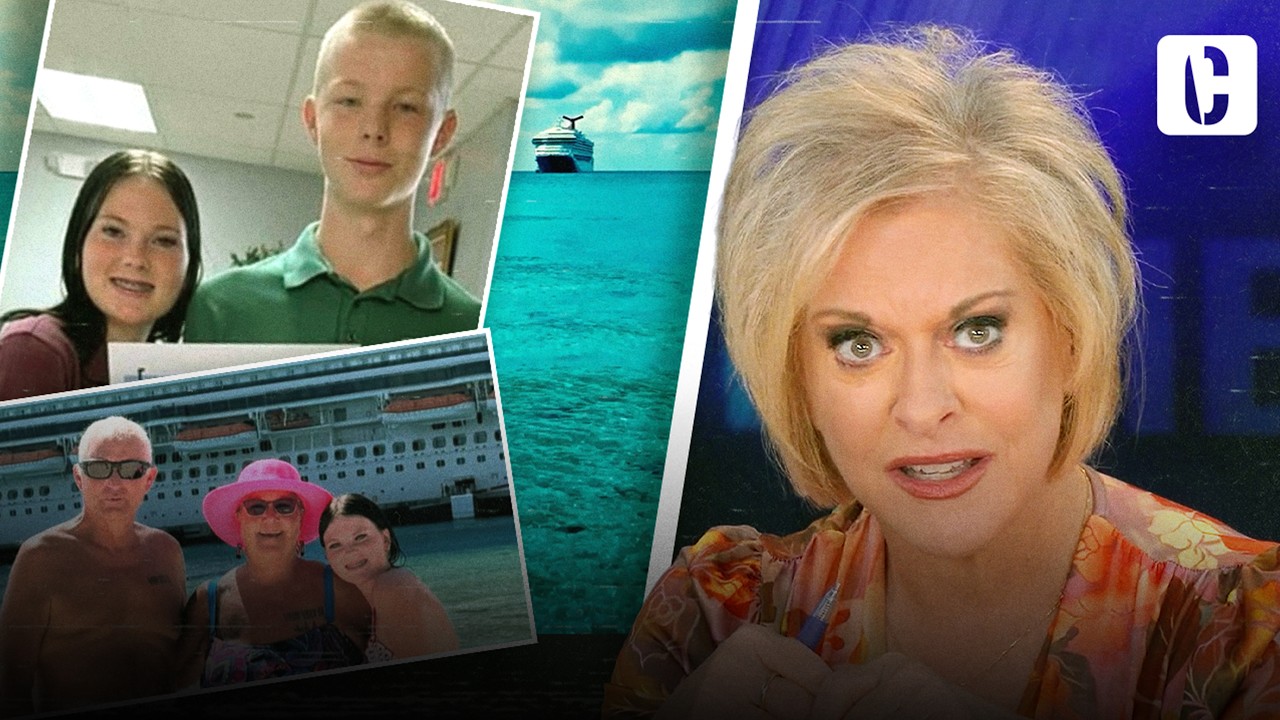
TEEN'S DNA REVEALED IN ANNA KEPNER'S R*** KIT
"The investigation into Anna Keaptainner's death on a cruise ship reveals shocking DNA evidence, a previously unknown male minor, and critical questions about evidence handling and family dynamics."