
El MUERTO que se LEVANTÓ | Relatos Macabros de Embalsamadores
YouTube · o9SX9gzaHFQ
Quick Read
Summary
Takeaways
- ❖Embalmers and forensic experts describe distinct 'energies' in morgues, noting that bodies of sudden or violent deaths often carry a heavier, colder presence.
- ❖Unexplained phenomena like 'crying' corpses, bodies opening eyes, or making sounds are reported by seasoned professionals, challenging scientific explanations.
- ❖Professionals develop coping mechanisms, including talking to the deceased and creating scientific rationales for unexplainable events, to manage the psychological impact of their work.
Insights
1Distinction Between Morgue and Embalming Room Energies
Jessica clarifies that a morgue (SEMEFO) is for investigating the cause of death (homicide, suicide, accident), while an embalming room prepares bodies for burial. She notes that morgues often have a more 'complicated' energy due to sudden, unexpected deaths, whereas embalming rooms carry a 'sadder' energy reflecting family grief.
Jessica explains, 'La morgue es en donde vamos a buscar la causa de muerte... Y la embalsamadora es donde preparamos los cuerpos... en los semefos es un poquitito más complicado... son las personas que no siempre estaban listas para irse... en una embalsamadora, la energía es como más un poquito como más triste.'
2The Phenomenon of 'Crying' Corpses
Both the host and Jessica recount separate instances where deceased bodies appeared to shed tears. The host's story involves a father preparing his best friend's body, witnessing tears and a momentary return of 'brilliance' in the eyes. Jessica experienced a similar event with a police officer's body, which shed a tear when she adjusted its head, despite her scientific explanation of dilated tear ducts.
The host describes the daughter seeing 'el cadáver estaba también llorando. Se veía como salían lágrimas de sus ojos... ese brillo regresó por unos segundos.' (). Jessica recounts, 'Al momento que yo lo muevo así, le sale lágrima y el jovencito que me ayudaba a mí se quedó con cara como de y yo solo con los dedos pulgares se lo limpié.' (). She later adds, 'Es que yo te digo a mí eso de que llore un cuerpo, yo llevo en esto más de 10 años... es el único cuerpo que me ha llorado.' ()
3A 'Witch's Curse' and a Child's Apparent Reanimation
A forensic doctor, Jimena, recounts a hospital where an elderly woman, believed to be a witch, cursed the deceased, stating they would 'never rest.' Following the curse, staff reported impossible phenomena, including a body that 'got up, spoke, asked for water, drank two glasses, walked, and then fell again.' Jimena herself experienced a child's body grabbing her hand and attempting to speak, causing her to faint.
Jimena's story details the witch's curse: 'toda la gente que muera de de este lugar, de este hospital, ni estando muertos van a descansar.' (). She describes the reanimation: 'Una persona que llevaba horas... la persona se levanta, habla, pide agua... camina y se cae.' (). Her personal experience: 'sintió como que alguien le aprieta la mano y al voltear dice que ve el bracito que le estaba pues literalmente le estaba agarrando la mano... empezó a abrir la boca muy grande, como que quería hablar.' ()
4Ritualistic Mutilation and Cannibalism Suspicions
Jessica describes a female body with over 50-60 cross-shaped cuts across her entire body, suggesting a ritualistic killing rather than simple identification prevention. The host shares a story of an elderly woman found to have human bones in her stomach, with marks on her wrists and ankles indicating she was bound. This raises suspicions of forced cannibalism or dark rituals, which the hospital director immediately suppressed.
Jessica: 'Nos tocó una fémina que traía eh más de 50 60 cruces por todo el cuerpo. Cort en cruces... la causa de muerte en realidad fue la que al momento que hicieron los cortes se llevaron un par de veces las arterias.' (). Host: 'cuando sacan lo que estaba atorado... se dan cuenta que dentro había un hueso, pero no era ningún hueso animal, era un hueso que pertenecía a un ser humano.' (). Also, 'en muñecas y tobillos tenía la marca como de alambres.' ()
5The Practice of Naming Unidentified Infants
Jessica recounts the heartbreaking frequency of unidentified newborn or infant bodies found in trash bins. To ensure these children do not leave this world without a name, she and her colleagues would take turns assigning them names, often biblical, common, or, in her case, superhero names.
Jessica: 'Era muy común que nos llegaran este recién nacidos, porque no sé por qué, pero van y los avientan al basurero... lo que hacíamos nosotros es que nos turnábamos para ponerles nombre y no se fueran sin nombre.' (). She mentions her choices: 'Yo les ponía nombres de superhéroes, le ponía She Hulk, este, Diana Prince... para que no se fueran en calidad desconocidos y tuvieran por lo menos un hombre en esta tierra.' ()
6The 'Cold of the Dead' and Sensory Adaptation
Professionals working with bodies experience a distinct 'cold of the dead' that differs from ambient cold, causing goosebumps. They must also adapt to the intense, acidic smell of human decomposition, which is far stronger and more complex than animal decomposition due to human diet and toxins. Jessica instructs her students to 'smell it, swallow it, savor it' to acclimate.
Jessica: 'Una cosa es el frío del ambiente y otra cosa es que te acerques tú al cuerpo y sientas frío que hasta se te enchina la piel. Eso es distinto. Entonces, el frío de muerto, el frío de muerto en esa energía de ese muerto.' (). On smell: 'Cuando un ser humano muere, va a oler mucho ácido... literal, huélelo, trágatelo, saboréalo porque es tu muerto.' ()
7Coping Mechanisms: Talking to the Deceased and Rituals
Both the host's father and Jessica engage in personal rituals when working with bodies. The father would 'bless' himself and speak to the deceased, introducing himself and asking for peaceful cooperation. Jessica touches the head of each body and tells them, 'May your energy transmute well,' especially for those who died violently or unexpectedly, believing it helps them find peace.
Host: 'Su papá se ñicaba y se santiguaba... se sentaba y hablaba por varios minutos con la persona. Le decía quién era... por favor, déjame trabajar en paz.' (). Jessica: 'Siempre antes de trabajarlo le toco la cabeza y le digo que tu energía transmute bien para que se vayan lo más en paz que se pueda ir.' ()
Lessons
- Acknowledge the profound psychological and emotional burden carried by forensic professionals and embalmers, who constantly confront extreme trauma and death.
- Consider the possibility of energetic or spiritual dimensions to death, as reported by experienced professionals, even when scientific explanations are sought.
- Develop coping mechanisms or personal rituals when dealing with emotionally taxing situations, recognizing the need to process difficult experiences for mental well-being.
Quotes
"La morgue es el lugar al que nadie quiere entrar, pero alguien tiene que hacerlo."
"Yo creo en las energías. Yo creo que todo es energía. Este, pero sí también creo que hay un bueno y un malo."
"Si a mí un cadáver se me mueve, perdón, en las en el semefo, hombre, yo corro o en la embalsamadora, yo corro doble porque ya no se deben de mover."
"Lo que vive un médico forense no cualquier persona lo puede soportar. Ver muchos cadáveres en distintos escenarios te hace perder el miedo a la misma muerte."
"La mirada que tiene ese es la de un cascarón, evidentemente, pero que en ese momento que su papá tenía la mano de su mejor amigo, ese brillo regresó por unos segundos. Estaba ese brillo puesto ahí. No era una mirada vacía, era una mirada consciente y aparte estaba lleno de lágrimas."
"No me gusta trabajar con los muertos porque no se quejan."
"Siempre antes de trabajarlo le toco la cabeza y le digo que tu energía transmute bien para que se vayan lo más en paz que se pueda ir."
"La bruja dijo que todos los muertos que estuvieran aquí estando muertos iban a descansar."
"Una cosa es el frío del ambiente y otra cosa es que te acerques tú al cuerpo y sientas frío que hasta se te enchina la piel. Eso es distinto. Entonces, el frío de muerto, el frío de muerto en esa energía de ese muerto."
"Huélelo, trágatelo, saboréalo porque es tu muerto. Y si no lo si logras adaptar ese olor, no vas a poder trabajarlo."
"Siento que algo me está picoteando aquí, como oprimiendo el pecho y nunca me había pasado."
Q&A
Recent Questions
Related Episodes

Amanda Knox and John Ramsey - Megyn Kelly's "Double Feature" of Fascinating Interviews
"This episode features two individuals, Amanda Knox and John Ramsey, whose lives were irrevocably altered by tragic crimes and subsequent wrongful accusations, revealing systemic failures in justice and media manipulation."
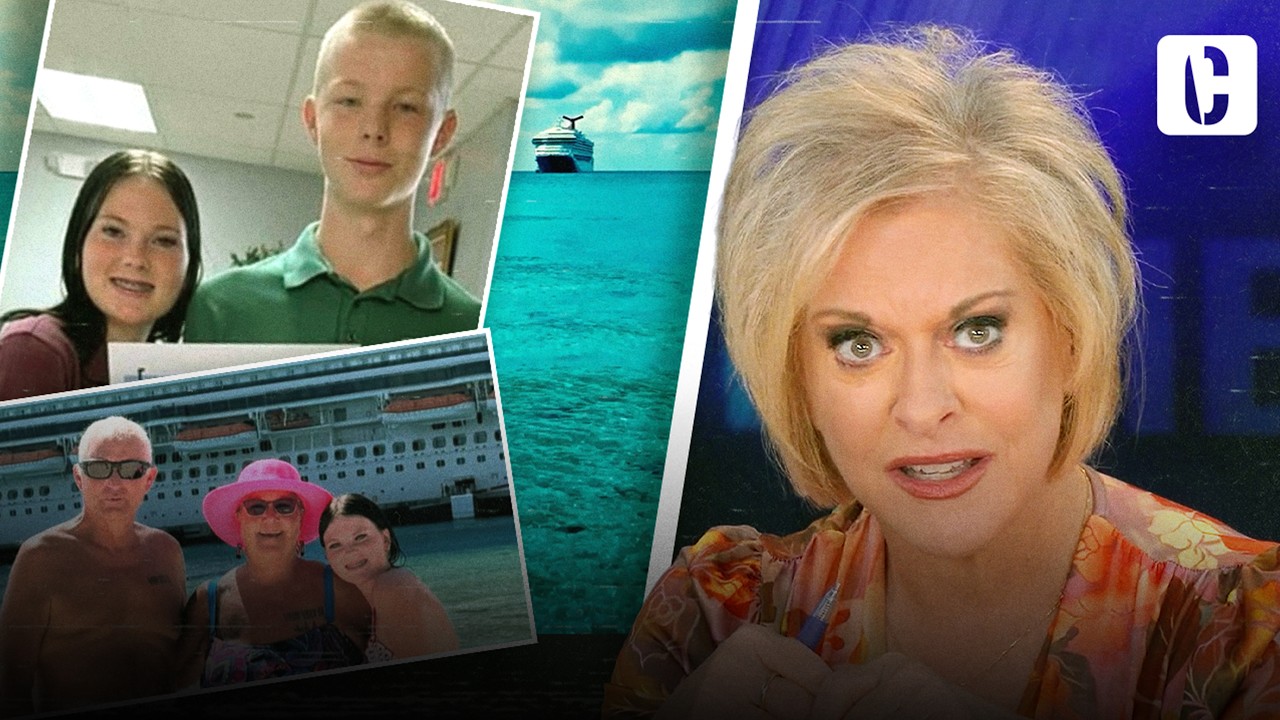
TEEN'S DNA REVEALED IN ANNA KEPNER'S R*** KIT
"The investigation into Anna Keaptainner's death on a cruise ship reveals shocking DNA evidence, a previously unknown male minor, and critical questions about evidence handling and family dynamics."

The Lindbergh Conspiracies | Post Mortem
"Explore the enduring mystery of the 1932 Lindbergh kidnapping, from the compromised investigation and Bruno Hauptmann's unfair trial to Charles Lindbergh's controversial character and the modern resurgence of conspiracy theories."
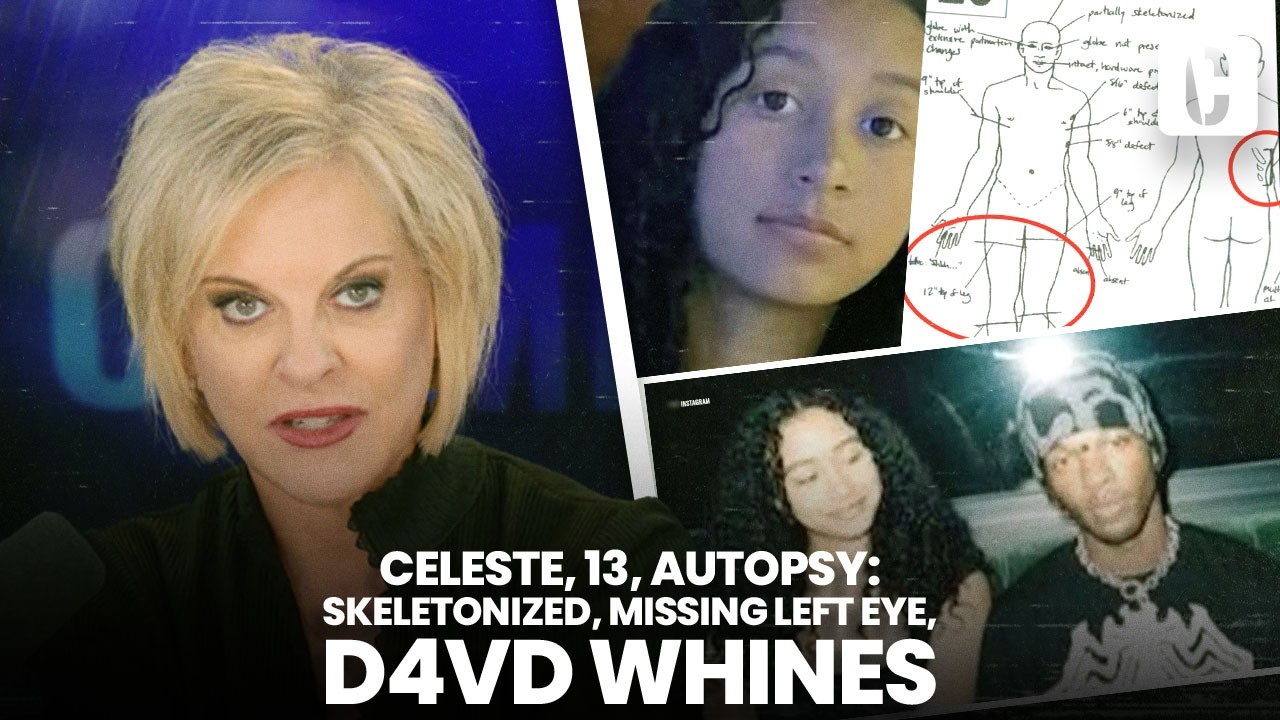
CELESTE, 13, AUTOPSY: SKELETONIZED, MISSING LEFT EYE, D4VD WHINES
"A 13-year-old girl, Celeste Rivas, was found partially skeletonized with a missing left eye, traces of meth and MDMA, and fatal stab wounds, while the accused musician David Anthony Burke (D4VD) complains about jail conditions."