Trump’s Plan: War Abroad, Chaos at Home
YouTube · oCTKKvTC_MQ
Quick Read
Summary
Takeaways
- ❖Donald Trump issued a 48-hour ultimatum to Iran to open the Strait of Hormuz, threatening to 'hit and obliterate their various power plants.'
- ❖The hosts question the effectiveness of Trump's 'crazy threat' strategy, noting Iran has shown no indication of blinking.
- ❖Economic pain from a closed Strait of Hormuz would be global, not just concentrated in Iran, contradicting Trump's statements about US energy independence.
- ❖The administration's strategy of destroying Iran's missile capabilities is disconnected from Iran's actual low-tech methods of closing the Strait (speedboats, drones).
- ❖Deploying ICE agents to airports to alleviate TSA bottlenecks is seen as a political move, with concerns about their training and potential for chaos.
- ❖Republicans are using DHS funding as leverage, avoiding a direct debate on the merits of ICE's actions, which Democrats view as popular.
- ❖A 'Save America Act' graphic shared by Mike Lee, depicting a hypothetical future Democratic administration, is ridiculed for its factual errors and perceived desperation.
Insights
1Trump's Iran Ultimatum: High Stakes, Contradictory Strategy
Donald Trump issued a 48-hour ultimatum to Iran, threatening to 'hit and obliterate their various power plants' if the Strait of Hormuz is not fully opened. The hosts express deep concern over the potential for catastrophic human and economic tolls, noting Iran's stated intent to retaliate. They highlight Trump's contradictory statements regarding the Strait's importance to the US economy and the global oil market, suggesting a fundamental misunderstanding of global interdependence.
Trump's social media post at , host's discussion of economic pain (), Trump's previous statements on the Strait (), and the global nature of oil markets ().
2Mismatched Military Tactics for Strait of Hormuz Reopening
The administration's public strategy, articulated by Treasury Secretary Scott Besson, focuses on destroying Iran's missile systems and fortifications. However, the hosts argue this is ineffective because Iran is closing the Strait using low-tech methods like speedboats and drones, not missiles. This disconnect suggests the US is not addressing the actual threat, potentially leading to a need for ground troops, which would escalate the conflict significantly.
Scott Besson's statements on Sunday shows (), the host's explanation of Iran's low-tech tactics (), and the implication of needing ground troops ().
3ICE Deployment to Airports: Political Maneuver Amidst Chaos
Amidst severe airport bottlenecks, the Trump administration announced it would deploy ICE agents to assist at airports. The hosts view this as a politically motivated decision, questioning ICE agents' training for airport security roles and their ability to alleviate the problem. They suggest it's a tactic to shift blame from the administration's failure to adequately fund the TSA, using DHS funding as political leverage against Democrats.
Trump's administration sending ICE to airports (), host's skepticism about ICE training (), and the political leverage argument ().
Lessons
- Recognize that official statements on foreign policy, especially during crises, may contain internal contradictions and serve political aims rather than clear strategic objectives.
- Understand that military responses to geopolitical challenges may not always align with the specific tactics employed by adversaries, potentially leading to ineffective or escalating actions.
- Be critical of government solutions to domestic issues that involve deploying agencies outside their primary expertise, as these can be politically motivated and exacerbate existing problems.
Quotes
"If Iran doesn't fully open without a without threat, I don't know why he needed without threat there, the straight of Hormuz within 48 hours of this exact from this exact point in time, the United States of America will hit and obliterate their various power plant. Starting with the biggest one first. Thank you for your attention this matter. President Don Trump."
"The fact that they are saying like, 'Please let us pass this one piece of election legislation that will permit us to cling to power is kind of an amazing thing for them to be saying out loud.'"
Q&A
Recent Questions
Related Episodes

Patrick Henningsen: Hezbollah JUST Fired Back at Israel - Iran Vows to “Crush” All Attacks
"Patrick Henningsen argues that the US and Israel initiated an illegal war against Iran, driven by Trump's incompetence and Israeli influence, leading to an inevitable escalation with severe global economic repercussions."
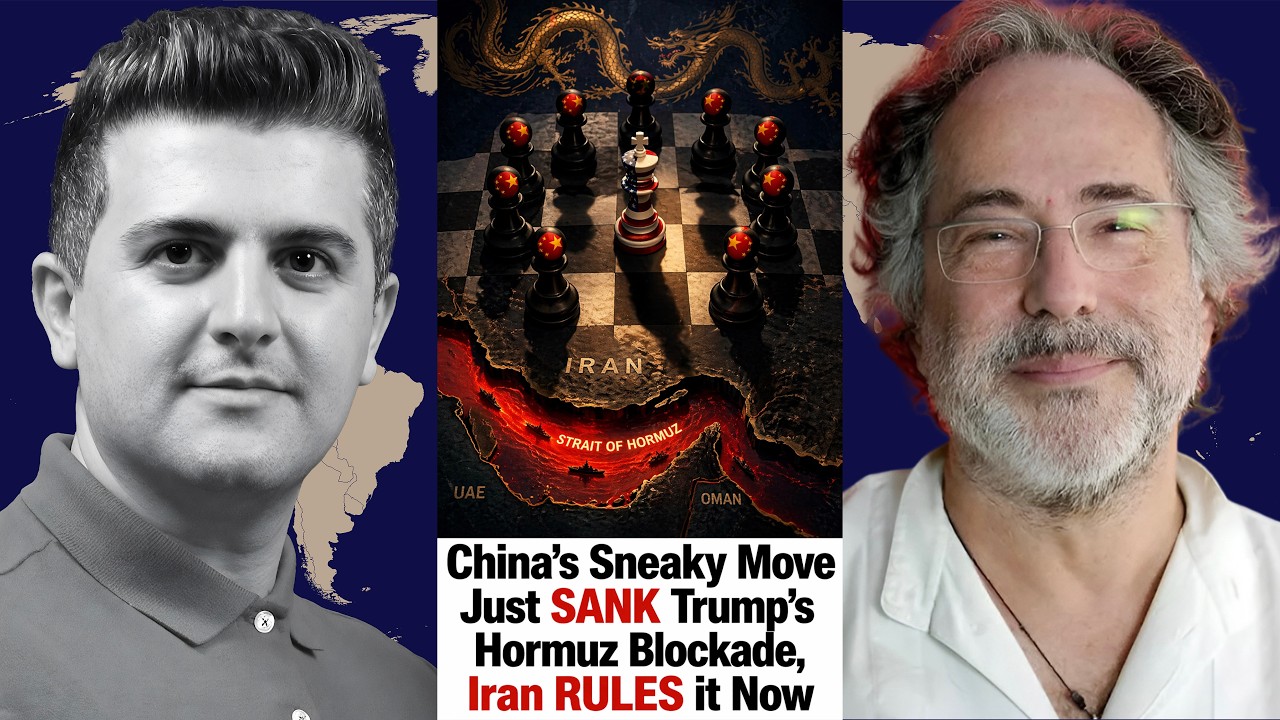
Pepe Escobar: “Total Failure”: Trump’s Blockade Just Backfired Disastrously
"Pepe Escobar argues that the US blockade against Iran, spearheaded by Donald Trump, has utterly failed and backfired, accelerating global economic chaos and challenging US geopolitical dominance."

🚨 TOTAL F*CKING CHECKMATE 😂😂😂
"The host argues that Trump's 'ceasefire' with Iran was a calculated '5D chess' move to orchestrate a global energy market reshuffle, while simultaneously lambasting 'woke' domestic policies and the 'freefall' of anti-Trump conservative figures."
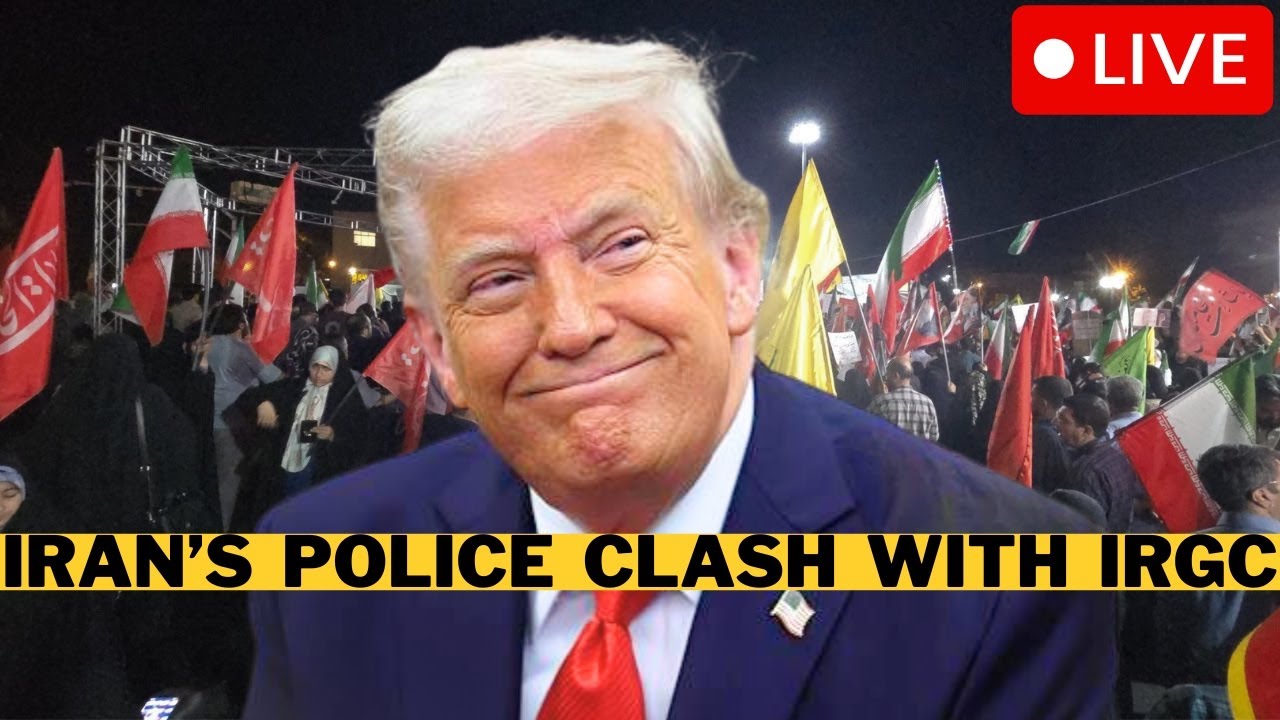
BREAKING: Protests ERUPT In Iran Over IRGC Surrendering To Trump - Infighting Clashes In Tehran
"Iran is experiencing severe internal infighting and protests as hardline IRGC elements clash with government figures over a perceived 'surrender' to the US, while mainstream Western media misrepresents the situation."