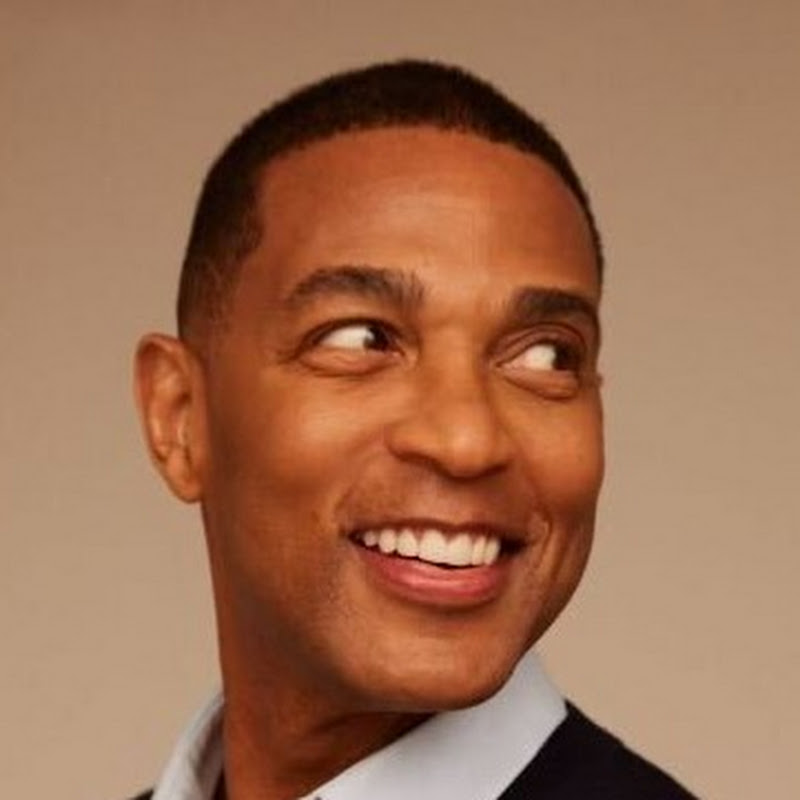
BREAKING: Don Lemon ARRESTED!
YouTube · q9EZ95nQ0QI
Quick Read
Summary
Takeaways
- ❖Don Lemon and Georgia Fort were arrested by federal agents, accused of conspiracy against rights and interfering with religious freedom.
- ❖Legal experts and civil rights advocates view the arrests as a politically motivated intimidation tactic by the Trump administration, lacking sufficient evidence.
- ❖Career DOJ prosecutors reportedly refused to pursue the case, indicating its weakness.
- ❖The arrests are framed as a direct assault on press freedom, the First Amendment, and democratic principles.
- ❖The timing of the arrests is linked to the release of Epstein files, suggesting a distraction tactic.
- ❖The use of the KKK Act (18 USC 241) against Black journalists is highlighted as deeply ironic and disturbing.
- ❖Independent media is seen as crucial for truth-telling, especially as mainstream media is perceived to be compromised.
- ❖Public and political figures, including Mayor Karen Bass and Vice President Kamala Harris, condemned the arrests.
- ❖Don Lemon was released on his own recognizance, delivering a defiant statement vowing to continue his work.
- ❖The incident is considered a "red line" and an "inflection point" for American democracy, demanding collective resistance.
Insights
1Politically Motivated Arrests of Journalists
Don Lemon and Georgia Fort's arrests by federal agents are widely interpreted as a deliberate political act by the Trump administration to intimidate independent journalists. This is supported by reports that career DOJ prosecutors in both Minnesota and Los Angeles refused to participate due to insufficient evidence.
Their attempts to go through a magistrate judge in order to secure an arrest warrant were both denied which left them with very few options which was to go in front of the grand jury. () MS now reporter Carol Lenning earlier today confirmed that there were career DOJ prosecutors in both Minnesota... as well as in Los Angeles... who refused to participate in the arrest and the indictment and and the prosecution of this case because they felt like the evidence did not match the facts. ()
2Weaponization of Legal Statutes and Processes
The charges against Lemon and Fort (18 USC 241 - conspiracy against rights, and 18 USC 248 - Freedom of Access to Clinic Entrances/FACE Act) are seen as misapplied and absurd, particularly the FACE Act's extension to places of worship, and the KKK Act against a Black journalist. The grand jury process is criticized as easily manipulated by prosecutors to secure indictments without strong evidence.
charged under 18 USC 241 and 248. () The thing about going in front of a J grand jury that our audience needs to understand is, you know, the old saying is very much so true that you can indict a ham sandwich. () The fact that they're using a law out of the KKK act of 1871 to arrest a black journalist. ()
3Attack on Press Freedom and Democratic Principles
The arrests are viewed as a direct assault on the First Amendment and the role of a free press in holding power accountable. Speakers emphasize that journalism is not a crime and that such actions are characteristic of authoritarian regimes, aiming to create a chilling effect on reporting.
arresting journalists for news gathering is a direct threat to press freedom. () Journalism that holds power to account is not a crime. Uh and and we uh continue to assert that the First Amendment is not optional. () This is dictator behavior. This is not civilized democracy behavior. ()
4Targeting of Black Journalists and Activists
The selection of Don Lemon and Georgia Fort, both Black journalists, along with Black activists, is highlighted as intentional, leveraging racial biases to normalize the administration's actions and create a narrative of "rabble-rousing blacks" threatening Christianity.
It is very uncharacteristic to have government officials... so openly and so brazenly talk about their intentions... They've done that writ large with respect to Don Lemon around this. () The fact that they're using a law out of the KKK act of 1871 to arrest a black journalist. () It's an attack on the humanity of black people. It's an attack on the idea that there can be legitimacy to what black people do. ()
5Broader Implications for Civil Liberties and Resistance
The incident is presented as a critical moment for all Americans, regardless of political affiliation, as it sets a dangerous precedent for government overreach. The need for collective action, financial support for legal defense, and continued vocal opposition is stressed to prevent further erosion of democratic norms.
If it is allowed to stand upon the changing of the guard at some point they can do that with media that they disagree with and it may be media that you support. () If you're wondering, folks, what you would have done in Nazi Germany in 1936, this is the day. () We need to be activating every lever of our power so that they cannot operate with impunity in the areas that we control. ()
Bottom Line
The administration's aggressive tactics, including arrests of journalists and raids on election offices, are a sign of political weakness and desperation rather than strength, as their approval ratings decline and economic policies fail.
This suggests that sustained public pressure and resistance can be effective in challenging authoritarian actions, as the administration is reactive to its declining popularity.
Activists and independent media can capitalize on this weakness by amplifying the administration's failures and overreaches, potentially galvanizing broader public opposition and influencing upcoming elections.
The use of federal agents (HSI, part of ICE) in the arrest of a journalist for a domestic incident is highly unusual and signals the weaponization of a powerful agency for political purposes.
This indicates a dangerous blurring of lines between law enforcement and political intimidation, undermining public trust in government institutions.
Legal challenges and public scrutiny of DHS's involvement can expose abuse of power and potentially lead to reforms or limitations on how federal agencies are deployed in domestic matters.
The timing of Don Lemon's arrest coincided with the release of millions of documents from the Epstein files, suggesting a deliberate distraction tactic.
This highlights the administration's strategic use of media narratives to divert attention from potentially damaging information, indicating a sophisticated approach to information control.
Independent media and vigilant citizens must actively connect these seemingly disparate events to expose the administration's manipulative strategies and ensure accountability for all alleged wrongdoings.
Opportunities
Establish a robust, crowdfunded legal defense network for independent journalists.
Create an organization that provides immediate legal triage and long-term defense funding for independent journalists targeted by politically motivated legal actions, ensuring they are not silenced due to financial strain.
Develop a "pre-bunking" and media literacy platform to counter disinformation.
Create an educational initiative focused on teaching critical media literacy skills, including how to identify deepfakes and disinformation, and promoting a "fact-check before sharing" culture to build resilience against propaganda.
Lessons
- Actively support independent media outlets and journalists by subscribing, sharing content, and contributing to legal defense funds to counter government intimidation.
- Engage with elected officials at all levels (local, state, federal) to demand accountability for abuses of power and to advocate for the protection of First Amendment rights.
- Educate oneself and others on the administration's tactics, connecting seemingly disparate events (e.g., arrests, economic policies, document releases) to understand the broader political strategy.
Blueprint for Democratic Resistance
Amplify Truth: Support and promote independent journalists and media platforms that report unfiltered truth, countering state-sponsored propaganda.
Demand Accountability: Pressure elected officials to defund agencies engaged in abuses of power and to legislate stronger protections for civil liberties.
Build Solidarity: Form coalitions across diverse communities and political affiliations to present a united front against authoritarianism, recognizing that attacks on one group threaten all.
Educate and Mobilize: Foster critical thinking and media literacy to inoculate against disinformation, and mobilize citizens for sustained engagement in democratic processes, from voting to local advocacy.
Notable Moments
Monnique Presley announces Don Lemon's arrest by federal agents in Los Angeles, along with Georgia Fort's arrest in Minneapolis.
This sets the stage for the entire episode, highlighting the unprecedented nature of the arrests of prominent journalists by federal agents.
Charles Coleman explains the legal process, noting federal government's inability to secure arrest warrants from magistrate judges, leading to grand jury indictments.
This reveals the administration's desperation and the perceived weakness of their case, as they bypassed standard legal channels after initial rejections.
Discussion of specific charges: 18 USC 241 (conspiracy against rights) and 18 USC 248 (FACE Act), highlighting their alleged misapplication.
The specific legal charges are scrutinized, exposing what speakers view as a blatant misuse of statutes, including one originally intended to protect civil rights and abortion access.
Reports that career DOJ prosecutors refused to participate in the case due to lack of evidence.
This further undermines the legitimacy of the arrests, suggesting that even within the Department of Justice, the case is considered politically motivated and lacking legal merit.
Clay Kane highlights the irony of using the 1871 KKK Act against a Black journalist.
This points to a disturbing inversion of justice, where a law designed to protect Black citizens from racial violence is allegedly used to persecute a Black journalist.
Video footage of Georgia Fort's arrest at her home, with masked agents present, while her children are inside.
This visual evidence underscores the aggressive and intimidating tactics used by federal agents, raising concerns about the psychological impact on families and the broader chilling effect on journalists.
Mayor Karen Bass and Vice President Kamala Harris issue statements condemning the arrests as an attack on press freedom.
The high-profile condemnation from political leaders signals the severity of the situation and mobilizes broader public and political opposition against the administration's actions.
Don Lemon is released on his own recognizance and delivers a defiant statement, vowing to continue his journalistic work.
Lemon's release and resolute stance serve as a symbol of resistance against intimidation, potentially galvanizing further support for independent media and press freedom.
Quotes
"The First Amendment exists to protect journalists whose role is to shine light on the truth and hold those in power accountable."
"Part of the punishment is the process. It is to sort of embarrass Don Lemon... in such a way that they are not willing to continue to go forward."
"This is really about whether the first amendment is still going to protect journalism, right? Especially journalism that is challenging power and centering marginalized communities."
"It is left and right because if you are telling the truth, they're going to come after you. And if you are obviously a black journalist, a black gay journalist, they're going to come after you even more."
"This is not just an attack on journalism. It's an attack on the humanity of black people."
"This is dictator behavior. This is not civilized democracy behavior."
"Journalist Don Lemon has been charged with conspiracy and interfering with the First Amendment rights of worshippers during a January 18th protest at the city's church in St. Paul."
"I have spent my entire career covering the news. I will not stop now. I will NOT STOP EVER."
Q&A
Recent Questions
Related Episodes
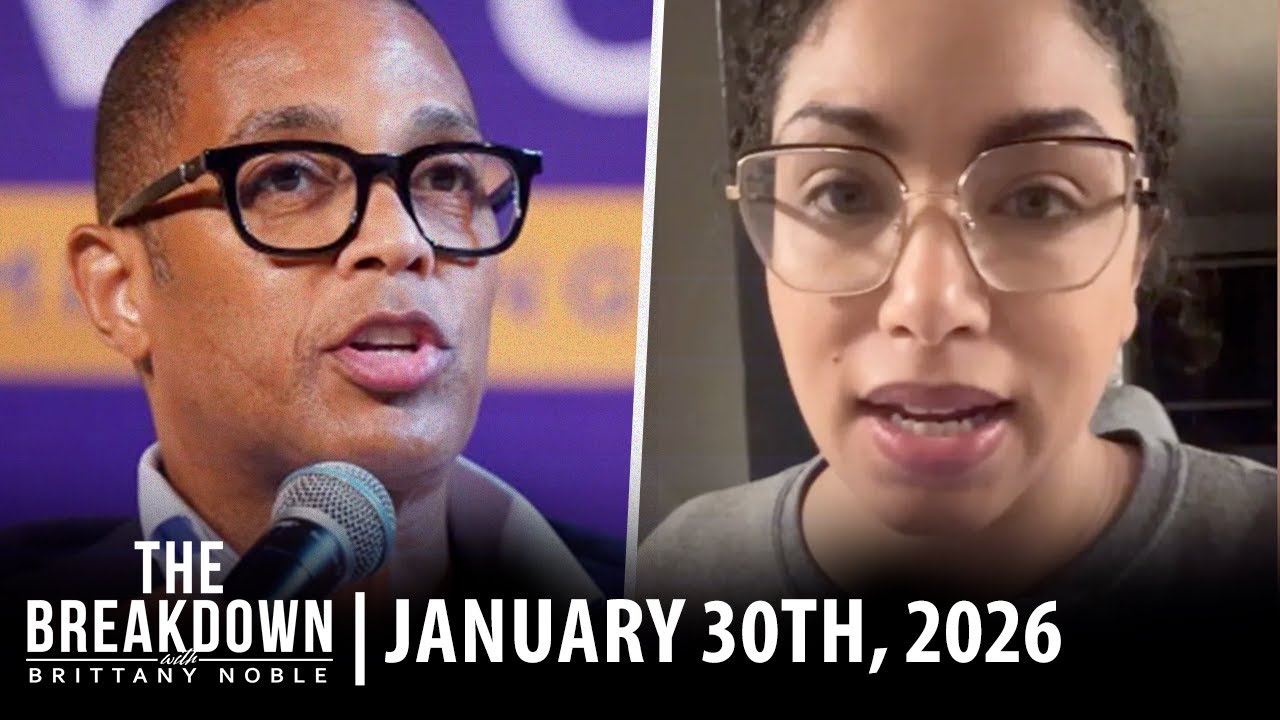
rump’s DOJ arrests journalists Don Lemon, Georgia Fort
"Federal agents arrested prominent journalists Don Lemon and Georgia Fort for covering a church protest, sparking widespread condemnation and raising critical questions about First Amendment rights and the weaponization of the Justice Department."

HOT TOPICS | Donald Trump In The Epstein Files - They Arrested The Wrong Don!
"Don Lemon and Congressman Jason Crow discuss the weaponization of the justice system against journalists and critics of Donald Trump, alongside the controversial handling of the Epstein files and the rise of independent media."
NC Mom Sues Hospital For Negligence. Black NFL Coaches Win Major Ruling. Drug Test Scandal Exposed
"This episode exposes systemic failures and racial disparities across healthcare, professional sports, and politics, featuring a mother's harrowing hospital negligence lawsuit, a landmark NFL discrimination ruling, and alarming findings on flawed drug tests criminalizing new mothers."

🚨 THEY F*CKED AROUND FOR THE LAST TIME 😭😭😭
"This episode unleashes a torrent of highly opinionated commentary on the US-Iran deal, Israel's role, and a scathing critique of 'leftist' policies and immigration, particularly highlighting the UK grooming gang report as evidence of Western societal decay."