
Alaskan Teen Snatched By Killer Cop? The Murder Of Sonya Ivanoff
YouTube · qm0qp68e98E
Quick Read
Summary
Takeaways
- ❖Sonya Ivanoff, 19, was murdered in Nome, Alaska, in August 2003, after being seen entering a police cruiser.
- ❖Initial police investigation was dismissive of Sonya's disappearance and a key witness report was ignored.
- ❖Officer Matt Owens, the killer, staged a 'shootout' to avoid a polygraph test and divert suspicion from himself and the police department.
- ❖Owens had a known history of misconduct, including picking up women and sexual assault, which the Nome Police Department failed to address.
- ❖Crucial evidence, including Sonya's clothing and Owens' personal items, was found at a burn pit Owens frequented.
- ❖A mistrial occurred in the first trial due to a deadlocked jury, but Owens was convicted of first-degree murder in a second trial.
- ❖The 'Sonya Ivanoff Law' was enacted in Alaska, mandating a 99-year sentence for police officers convicted of murder.
Insights
1Sonya Ivanoff's Disappearance and Initial Police Inaction
Sonya Ivanoff, a 19-year-old Native Alaskan, moved to Nome for better opportunities. She was last seen on August 10, 2003, walking home in the rain. Her best friend, Timery, reported her missing after Sonya didn't return home or show up for work. The Nome Police Department initially dismissed the report, with officers brushing off concerns from her friends and family.
Timery reported Sonya missing on August 12th, but police 'did not take it very seriously.' Sonya's employer also reported her missing after she missed a second shift.
2Discovery of Sonya's Body and Autopsy Results
Sonya's body was discovered on August 13, 2003, by a volunteer firefighter about three miles outside Nome. She was found naked except for one sock, hidden in bushes. An autopsy revealed she died from a single .22 caliber gunshot wound to the back of her head, fired at point-blank range. No foreign DNA or signs of sexual assault were found, suggesting the killer knew how to cover their tracks.
A volunteer firefighter found Sonya's body at approximately PM. The autopsy confirmed a .22 caliber bullet to the back of the head as the cause of death.
3False Lead with Suspect 'Kunuk'
Investigators initially focused on a friend of Sonya's, 'Kunuk,' who had a romantic interest in her and a history of domestic violence. His blue truck had mismatched tires, matching tire tracks found near Sonya's body. Blood was found in his truck, on his sneakers, and a rifle. However, forensic testing proved all the blood was animal blood, and the tire tracks at the scene were from an unrelated couple who drove by after the murder, clearing Kunuk as a suspect.
Kunuk had a blue truck with mismatched tires. Blood samples from his truck, sneakers, and rifle were confirmed to be animal blood, and a porcupine carcass was found in the area.
4Florence's Critical Witness Testimony and Police Negligence
Officer Brian Weyavanna, reviewing the case file, found an unpursued witness report from Florence. Florence saw Sonya get into a Nome Police Department cruiser around 1:30 AM on the night she disappeared. Florence had reported this to the police chief, including details of Sonya's clothing, but no one followed up. Florence, recognizing the importance of her statement, videotaped herself recounting the events to ensure it was documented.
Florence saw Sonya enter a car with a Nome Police Department logo around AM. She contacted police, but her report was not followed up on. She later videotaped her own statement.
5Matt Owens' Staged Incident to Evade Polygraph
As the investigation turned towards Nome police officers, Matt Owens and Stan Piscola were asked to take polygraph tests in Anchorage. The night before, Owens staged an incident: a police cruiser was reported missing, then 'found' by Owens, who claimed shots were fired at him. A bizarre letter from Sonya's 'killer' and her ID card were left in the car. Investigators quickly determined the scene was staged to prevent Owens from taking the polygraph and to redirect the investigation.
Owens reported finding the missing cruiser and being shot at. A reenactment showed his story didn't make sense, and his uniform was clean despite claiming to run through tundra.
6Matt Owens' History of Misconduct and Sexual Assaults
Further investigation into Matt Owens revealed a pattern of severe misconduct. He was known to give joyrides to friends in his patrol car and pick up women for sex while on duty. Multiple women came forward after his arrest, detailing accounts of sexual assault, coercion, and threats, including one instance where he held a woman at gunpoint. Some of these incidents had been reported to the Nome Police Department, but no action was taken.
Owens' ex-wife stated he called her about a 'missing girl' before Sonya was reported. Multiple women reported being sexually assaulted or coerced by Owens while he was on duty, some having previously reported him to the police.
7Crucial Evidence Found at Burn Pit
A tip led investigators to a burn pit at Coffee Creek, 75 miles outside Nome, where Matt Owens was seen burning gloves. A meticulous search of the pit uncovered a shoe eyelet with a Sketchers logo (Sonya's shoe brand), a bra clasp, zipper pieces, a pants button with the 'Tilt' brand (Sonya's clothing brand), and a PO box key belonging to Matt Owens' uncle. Another witness confirmed seeing Owens burning clothes there.
Investigators found a Sketchers shoe eyelet, a bra clasp, zipper pieces, a 'Tilt' brand pants button, and Matt Owens' uncle's PO box key at the burn pit.
8Mistrial and Conviction in Second Trial
Owens' first trial in Nome resulted in a mistrial due to a deadlocked jury, partly because the judge ruled sexual assault accusations inadmissible and some jurors knew Owens. The second trial was moved to Kotzebue. A key moment in the second trial was when Officer Wayavanna learned that Owens' family friend, Charlotte, had seen Sonya's ID in Owens' room. Charlotte denied this under oath, but a recorded conversation of her admitting it was played in court, proving she lied. This evidence likely swayed the jury, leading to Owens' conviction for first-degree murder and a sentence of 101 years.
First trial resulted in a deadlocked jury after 10 days. In the second trial, a recorded conversation proved Charlotte lied about finding Sonya's ID in Owens' room, leading to his conviction.
9Aftermath and the Sonya Ivanoff Law
In the aftermath, the City of Nome faced lawsuits from Sonya's family and other women harassed by Owens, paying out $750,000. The case exposed a severe lack of police resources for sexual assault cases and a pattern of inaction on complaints against officers. In 2007, the 'Sonya Ivanoff Law' was passed in Alaska, mandating a 99-year sentence for any police officer convicted of murder, aiming to hold officers accountable for betraying their communities.
City of Nome paid $750,000 in lawsuits. Between 2008-2017, Nome PD received 372 sexual assault calls but made only 30 arrests. The Sonya Ivanoff Law was passed in 2007.
Bottom Line
The Nome Police Department's systemic failure to address repeated complaints of sexual assault and misconduct against Officer Matt Owens directly enabled him to commit murder.
This highlights how internal negligence and a lack of accountability within law enforcement agencies can escalate officer misconduct into severe criminal acts, endangering the very communities they are sworn to protect.
Implement independent oversight bodies and mandatory, regular audits of internal complaint systems within small, remote police departments to ensure all allegations against officers are thoroughly investigated and acted upon, preventing future abuses of power.
The critical breakthrough in Sonya Ivanoff's murder case came from a diligent officer (Brian Weyavanna) taking a 'second look' at overlooked witness reports, rather than initial investigative efforts.
This demonstrates that even in cases with limited forensic evidence, thorough and persistent review of existing information, especially witness statements, can be paramount to solving complex crimes. It also underscores the danger of initial dismissals of witness accounts.
Develop and enforce protocols for regular, independent case file reviews in cold cases or stalled investigations, particularly those involving vulnerable populations or potential law enforcement misconduct. Train officers to prioritize and meticulously document all witness statements, regardless of initial perceived relevance.
Lessons
- Advocate for stronger independent oversight of local police departments, especially in smaller, remote communities, to ensure accountability and prevent unchecked officer misconduct.
- Support organizations and legislation addressing the crisis of Missing and Murdered Indigenous Women and Girls (MMIWG), recognizing the systemic issues that contribute to their vulnerability.
- If you witness a crime or have critical information, persist in reporting it to authorities and consider documenting your statement independently if you feel it's not being taken seriously.
Notable Moments
Sonya's older sister, Christina, did Sonya's makeup for her open-casket funeral, despite the bruising on Sonya's face, to honor her sister's care for her appearance.
This deeply personal act underscores the profound love and grief of Sonya's family and highlights the immense emotional toll of her murder, showcasing a moment of admirable strength and devotion amidst tragedy.
Sonya's brother-in-law, Tom, persistently visited the Nome Police Department every morning after Sonya's body was found, despite being yelled at by an officer for placing Sonya's photo on the wall.
Tom's unwavering persistence highlights the family's fight for justice and their distrust of the initial police handling of the case, emphasizing the critical role family advocacy often plays in true crime investigations.
Witness Florence, whose report about seeing Sonya enter a police cruiser was initially ignored, videotaped herself recounting what she saw to ensure her story was properly documented and wouldn't change.
This act of self-documentation proved crucial in the second trial, demonstrating Florence's intelligence and foresight in the face of police negligence, and ultimately helped secure Matt Owens' conviction.
Quotes
"Pigs, I hate cops. I hate every one of you. Sonya was just a person in the wrong place at the wrong time. I did not know her. As you can see, it was easy for me to take your pig car keys right there. It was not her fault. She thought I was a pig, and it just happened. She was just a person, and I just wanted to see if I could that night. Every one of you should be more careful. I watch every move. You leave me alone, and I will leave you alone. I will shoot you in the head if you get close."
"I knew from the beginning Nome wasn't the place to have the trial. Jurors attended the same church as Matt Owens. I knew there could be some kind of buddy-buddy system going on there."
Q&A
Recent Questions
Related Episodes
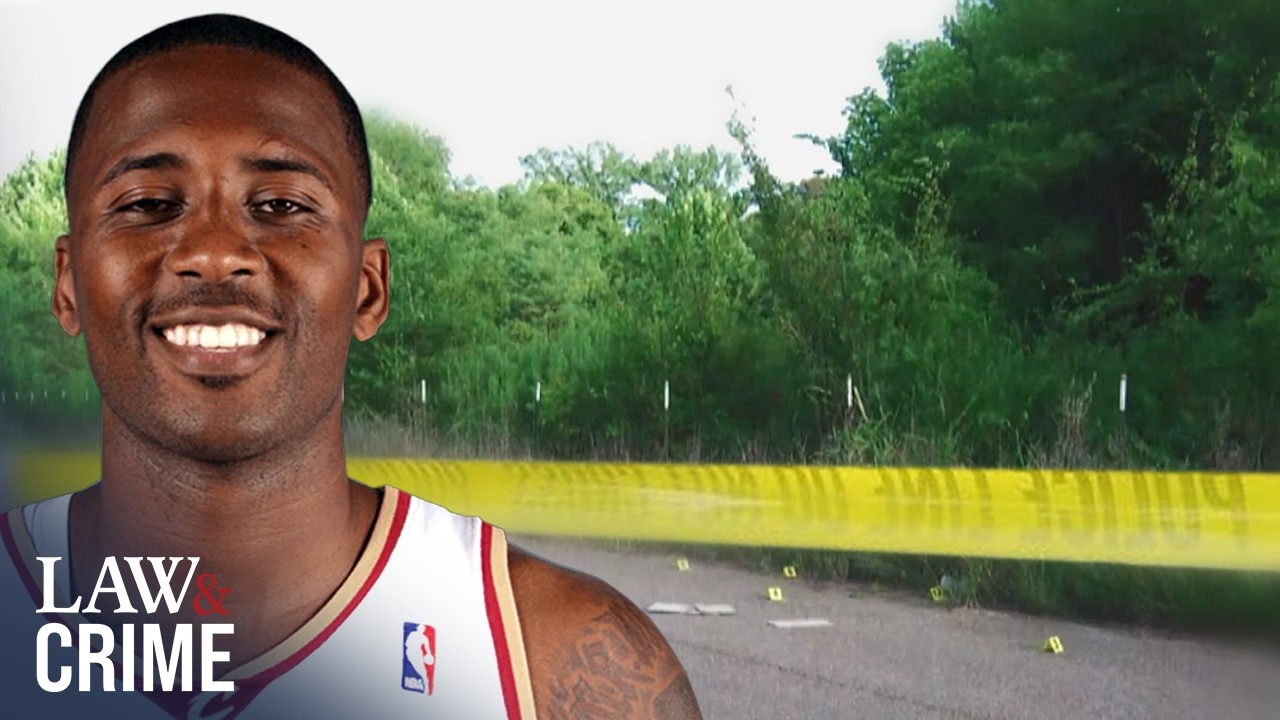
Killer Cases: NBA Star Lured to Execution In Rural Tennessee
"The decade-long cold case of NBA star Lorenzen Wright's murder was cracked through a persistent mother, a jailed informant, and a covert police operation that recovered the murder weapon from a lake and exposed a conspiracy driven by greed."

Widow Realizes Cops Know She Poisoned Her Husband
"A seemingly routine burglary unexpectedly unravels a year-old murder, exposing a mother-daughter poisoning plot and a chilling pattern of suspicious deaths."

Hell On Wheels: Mackenzie Shirilla's Double Murder Crash
"A seemingly accidental car crash that killed two young men in Strongsville, Ohio, was meticulously uncovered by investigators to be a deliberate act of double murder by the 17-year-old driver, Mackenzie Shirilla, amidst a tumultuous relationship and a shocking lack of remorse."
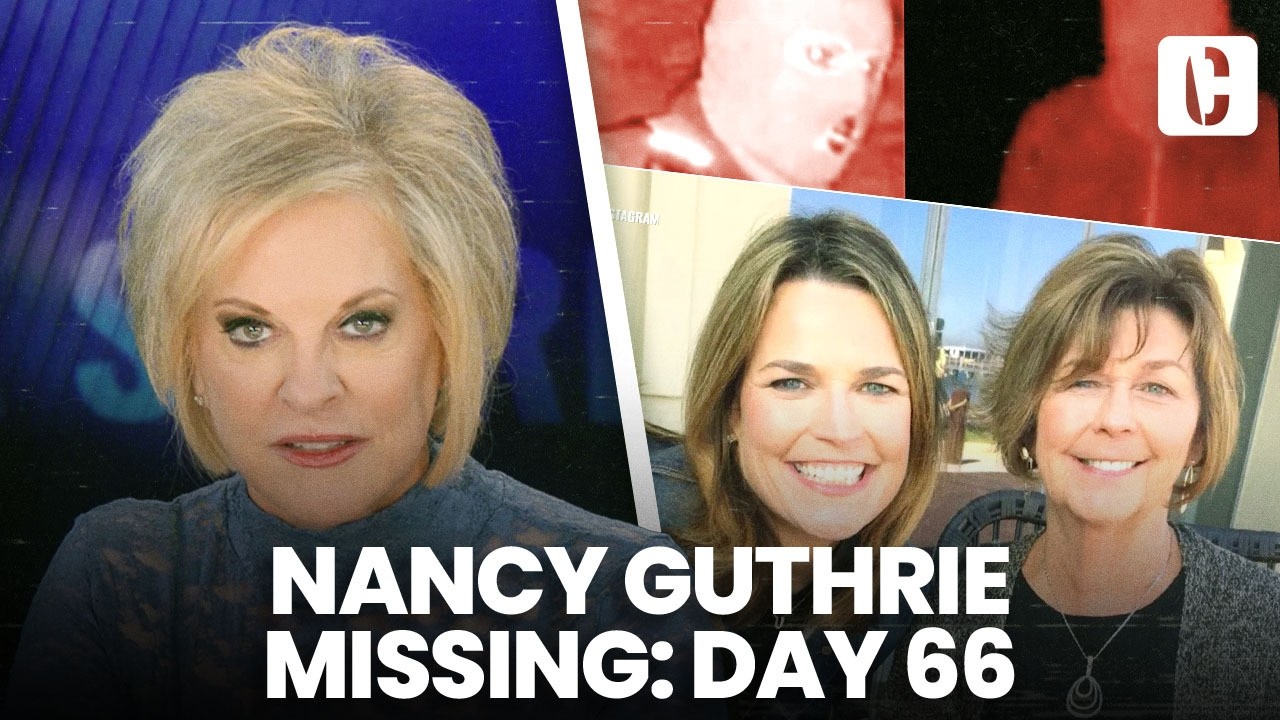
SAVANNAH GUTHRIE'S MOM MISSING: DAY 66
"On day 66 of Nancy Guthrie's disappearance, investigators grapple with two distinct sets of Bitcoin ransom notes, digital tracing challenges, and potential physical evidence like shoe coverings, as new, dubious claims emerge from a 'hyena' seeking payment for information."