
BREAKING: Hundreds Laid Off at Washington Post (w/ Max Tani)
YouTube · qwLkZ1Q6P14
Quick Read
Summary
Takeaways
- ❖One-third of Washington Post employees were laid off, impacting metro, sports, books, podcasts, and international bureaus.
- ❖Owner Jeff Bezos and publisher Will Lewis were absent from the layoff announcement, which occurred via Zoom.
- ❖The Post's financial losses (estimated $100-150 million) are seen as negligible for Bezos, indicating a lack of commitment.
- ❖Key strategic missteps included selling Kaplan, investing in a CMS platform, a $5 million Super Bowl ad, and an Alexa-first content strategy.
- ❖The Post alienated its subscriber base by not endorsing Kamala Harris, contradicting its 'Democracy Dies in Darkness' mission.
- ❖Over-reliance on Facebook traffic and organic search, which declined by half, exposed a fragile business model.
- ❖The Post failed to define its identity, vacillating between local and national/international focus, ultimately becoming 'neither fish nor fowl'.
- ❖Management, not editorial quality, is identified as the primary cause of failure, with a lack of vision for rebuilding the business.
Insights
1Bezos's Disengagement and Mismanagement
Jeff Bezos, despite his vast wealth, is criticized for allowing the Washington Post to incur significant losses without intervention, and for approving the strategic decisions of publisher Will Lewis. The hosts argue that Bezos's personal projects (like a Melania documentary or a 10,000-year clock) cost him more than the Post's annual losses, indicating a lack of serious commitment to the paper's financial health.
JVL states Bezos is worth $250 billion and lost $60 million on a Melania documentary, while the Post lost $100-150 million. He also notes Bezos spent $40 million on a clock inside a mountain. (, , , )
2Strategic Blunders and Misallocated Resources
The Post made several costly and ill-conceived business decisions under Bezos's ownership. These included selling Kaplan (a profitable test prep business), attempting to become a CMS tech vendor for other news organizations, spending $5 million on a Super Bowl ad, and pushing reporters to create content for Amazon's Alexa.
JVL details the sale of Kaplan, the failed CMS vendor initiative, the $5 million Super Bowl ad in 2019, and the investment in Alexa content. (, , , )
3Failure to Cultivate a Direct Audience and Mission
The Post failed to build a sustainable business model based on direct subscriber relationships, instead relying heavily on volatile third-party platforms like Facebook and organic search. Furthermore, a decision not to endorse Kamala Harris alienated a significant portion of its subscriber base who had joined under the 'Democracy Dies in Darkness' banner, leading to subscriber churn and a loss of clear identity.
Max Tani points out the decision not to endorse Kamala Harris alienated subscribers. Sam Stein highlights the 'organic search has fallen by nearly half' memo. JVL emphasizes the Post's continued chasing of Facebook traffic and SEO instead of 'going full hog into audience and subscriptions'. (, , )
4Identity Crisis: Local vs. National/International
The Washington Post struggled to reconcile its identity as a local paper with ambitions for national and international reach. This led to inconsistent strategic choices, such as maintaining a strong local sports section while aiming for millions of national subscribers, and ultimately cutting vital local and international coverage, leaving it without a clear market position.
JVL notes the Post's inability to reconcile being a national or local paper, citing the excellent but local sports section and an 'insane' goal of 25-200 million subscribers. He concludes that after the layoffs, the Post is 'neither fish nor fowl'. (, , )
Bottom Line
The Post's decline demonstrates that even a strong editorial product cannot compensate for incompetent business leadership and a lack of strategic vision.
Many media companies focus heavily on content quality, but this case shows that without a robust, audience-centric business model and strategic execution, even excellent journalism can fail to translate into financial stability.
Media organizations must invest equally in business strategy and editorial excellence, ensuring leadership understands how to 'productize' journalism and build direct, loyal audience relationships.
An owner's perceived disengagement or personal priorities can significantly impact a media organization's morale and strategic direction, even with vast financial resources.
Bezos's 'hands-off' approach, coupled with his personal spending habits, created a perception that the Post's financial health was not a top priority, leading to a deflated staff and a lack of clear vision for recovery.
Owners of media properties, especially those with significant personal wealth, need to visibly demonstrate commitment and a clear vision for the organization's future to maintain staff morale and public trust.
Lessons
- Prioritize direct audience relationships and subscription models over volatile third-party traffic from social media and search engines.
- Ensure business leadership possesses deep industry knowledge and a coherent strategy, avoiding costly, experimental ventures that divert resources from core competencies.
- Clearly define your publication's mission and identity to attract and retain a loyal subscriber base, avoiding actions that alienate core audiences.
- Diversify revenue streams beyond advertising and subscriptions, exploring complementary businesses or niche products that leverage journalistic strengths.
Notable Moments
Lindsey Johnson, Ukraine correspondent, tweeted about being laid off mid-war zone, highlighting the severity and insensitivity of the cuts.
This specific example underscores the human cost of the layoffs and the abrupt nature of the decision, particularly impacting critical international coverage.
The discussion about Bezos spending more on a Melania documentary or a 10,000-year clock than the Post's annual losses.
This illustrates the hosts' and guest's perception of Bezos's disinterest or lack of priority for the Post's financial well-being, despite his immense wealth.
Quotes
"I was just laid off by the Washington Post in the middle of a war zone. I have no words. I am devastated."
"No, this didn't have to happen. Look, it has been a long time since Jeff Bezos had to do something right. It's the guy's worth 250 billion with a B dollars."
"The Post has taken a slightly more old school approach to its coverage, leaning into, you know, articles and and the kind of print product. It's allowed itself to be outflanked by a lot of people who either are approaching reporting with fair reporting with a little bit of a view point of view."
"The fundamental problem I think the Post had was that they couldn't reconcile whether they were a national or a local paper."
"I'm sorry like when you are pulling in referral traffic, referral traffic is not meaningful except for serving ads. You know the referral traffic does not stick around. Those people do not become loyal people."
Q&A
Recent Questions
Related Episodes

"Journalism Deserves Better": Ex-Washington Post Staffers Slam Billionaire Bezos for Gutting Paper
"Former Washington Post staff criticize Jeff Bezos for laying off over 300 journalists, gutting critical international and local coverage, and betraying the paper's mission, while he was seen partying in Paris."
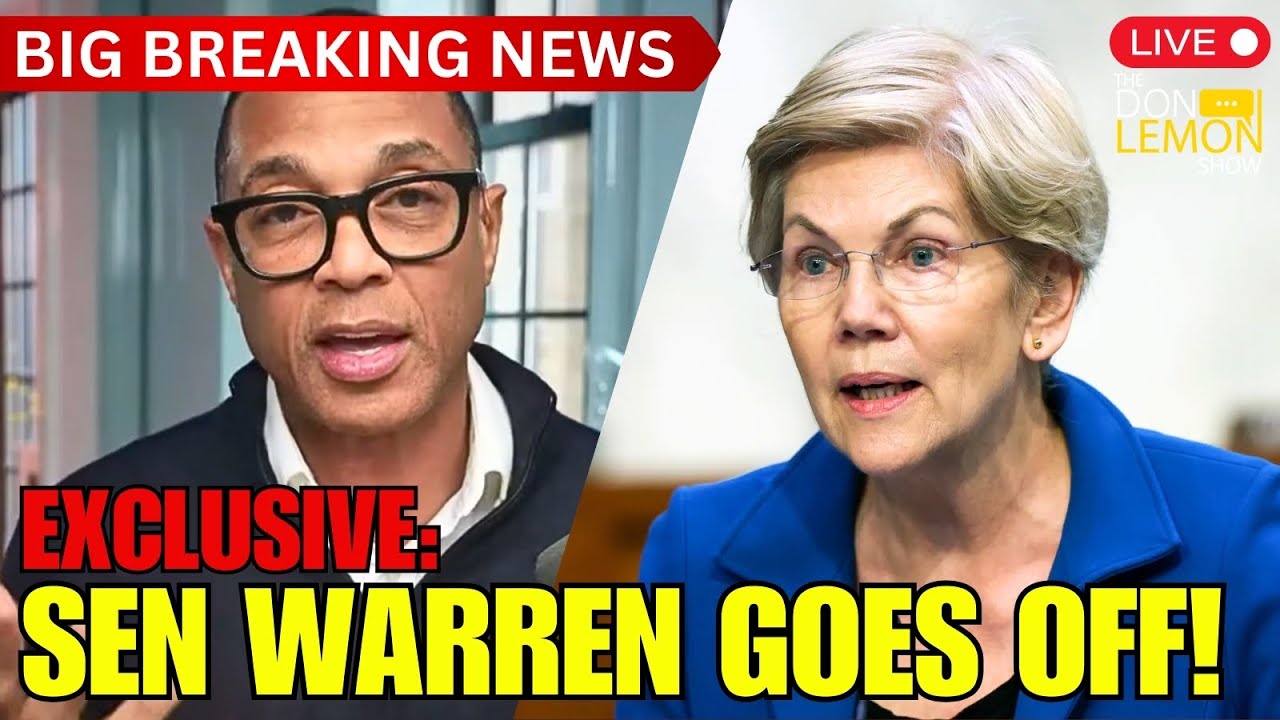
Lemon LIVE at 5 | Senator Elizabeth Warren Stands With Don Lemon to Support The First Amendment!
"Senator Elizabeth Warren and Don Lemon dissect the escalating attacks on press freedom and accountability for government abuses, arguing that corporate media is neutered and independent journalism is under deliberate assault."

THIS is How Backlash Against ICE Starts (w/ Sam Stein) | The Bulwark Podcast
"The hosts dissect the Trump administration's aggressive ICE tactics in Minneapolis, arguing they are a deliberate attempt to instigate chaos, erode civil liberties, and highlight the Democratic Party's internal struggles in mounting an effective response."

Amanda Knox and John Ramsey - Megyn Kelly's "Double Feature" of Fascinating Interviews
"This episode features two individuals, Amanda Knox and John Ramsey, whose lives were irrevocably altered by tragic crimes and subsequent wrongful accusations, revealing systemic failures in justice and media manipulation."