
ICE Defeated In Minnesota; US Starving Cuba w/ Noah Kulwin, Brendan James | MR Live
YouTube · rBgG9_iqSPc
Quick Read
Summary
Takeaways
- ❖The Trump administration is imposing massive tariffs on countries sending fuel to Cuba, leading to widespread power outages and a 'slow siege' on the island nation.
- ❖The current situation in Cuba is described as more severe than the 'special period' following the collapse of the USSR, indicating unprecedented hardship.
- ❖ICE's 'surge operation' in Minnesota is concluding, partly due to sustained public protests and the agency's inability to maintain a prolonged occupation.
- ❖The Cato Institute's research indicates immigrants reduce deficits and account for only 5% of welfare fraud, challenging common anti-immigrant narratives.
- ❖DHS is accused of 'the largest fraud' in US immigration history by collecting billions in fees for applications it does not process, and targeting low-threat immigrants for arrests.
- ❖Marco Rubio is identified as a primary driver of US policy towards Cuba, leveraging the powerful Cuban-American diaspora to pursue regime change.
- ❖The hosts argue that discussions of civil liberties in countries like Cuba must be contextualized by the ongoing 'war' (assassination attempts, terrorism, embargo) waged by the US against them.
Insights
1US Intensifies Economic Warfare Against Cuba
The Trump administration has escalated its economic pressure on Cuba by threatening massive tariffs on any country supplying fuel, particularly oil. This policy has led to severe fuel shortages, widespread power outages, and a 'slow siege' on the island, causing immense suffering and pushing the country into a crisis worse than the 'special period' after the Soviet Union's collapse.
Noah Kulwin states Trump's threat to issue massive tariffs on any country sending fuel to Cuba, resulting in kids being sent home from school and massive power outages (). Brendan James confirms the measure of cutting off the island from its regularly scheduled fuel deliveries, chiefly from Mexico (). The hosts and guests repeatedly refer to the situation as a 'slow siege' and 'unprecedented' (, ).
2ICE Operations in Minnesota: Drawdown Amidst Controversy and Alleged Fraud
ICE's 'surge operation' in Minnesota is reportedly drawing down, a move the host attributes partly to sustained public protests and the agency's inability to maintain an indefinite occupation. Despite a narrative of targeting 'public safety threats,' data from the Cato Institute reveals that 60% of ICE arrests in Minnesota involve no criminal convictions or charges, and 75% are classified as 'not a threat at all.' The host and a Cato Institute representative accuse DHS/ICE of systemic fraud, including pocketing billions in immigration fees without processing applications and illegally sharing non-citizen taxpayer info with ICE.
Tom Homan announces the conclusion of the surge operation (). The host notes protests made it difficult for ICE to stay () and that ICE's own numbers show they are not going after high-risk individuals (). David Bier of the Cato Institute states non-citizens account for only 5% of welfare fraud losses () and that DHS is 'openly carrying out the largest fraud in the history of the US immigration system' by not processing applications despite collecting billions in fees (). Bier also states 60% of Minnesota arrests have no criminal convictions and 75% are classified as 'not a threat at all' (, ).
3The Enduring Influence of the Cuban-American Lobby and Marco Rubio
The Cuban-American diaspora, particularly in Florida, is described as an 'incredibly potent and reactionary force' in US domestic politics, cultivated by the US government since the 1960s to promote anti-communist causes. Marco Rubio, a key figure from this lobby, is portrayed as the primary architect of the current aggressive Cuba policy, often dictating terms and even misrepresenting ongoing 'discussions' with Cuba to the White House, while the Cuban government denies any dialogue.
Noah Kulwin describes the Cuban-American diaspora as an 'incredibly potent and reactionary force' () and details how the US government cultivated them (). Brendan James states Marco Rubio is 'the one actually calling the shots and making policy' regarding Cuba () and that Rubio was 'telling even his own president that oh yeah we're in touch with the Cubans' while Cubans denied any dialogue ().
Bottom Line
The US, despite its declining global influence, is becoming more dangerous and destructive in its foreign policy, acting like a 'cornered animal' rather than a weakening power.
This perspective challenges the assumption that a weakening empire is necessarily less harmful. Instead, it suggests that desperation or a perceived loss of control can lead to more volatile and devastating actions, particularly against smaller nations.
Analysts and policymakers should consider this 'cornered animal' dynamic when predicting US behavior, rather than solely focusing on a linear decline of power. This could inform strategies for de-escalation or international solidarity to mitigate harm.
The US government, through DHS, is accused of perpetrating 'the largest fraud' in its immigration system by collecting billions in fees for applications it then fails to process, while simultaneously using 'fraud' as a pretext to target immigrants.
This highlights a profound hypocrisy and systemic corruption within a major federal agency, where the very narrative used to justify enforcement (combating fraud) is allegedly being undermined by the agency's own practices. It suggests that the 'fraud' narrative is a smokescreen for other objectives, such as political scapegoating or revenue generation.
Investigative journalism and legal challenges could focus on the financial and administrative discrepancies within DHS's immigration processing, potentially exposing widespread mismanagement or intentional obstruction that impacts millions of applicants.
Key Concepts
The Cornered Animal
The guest Noah Kulwin suggests that while America's global power may be in decline, it becomes 'quite dangerous when cornered or sick,' leading to more aggressive and destructive actions in its foreign policy, such as the intensified strangulation of Cuba.
Lessons
- Support organizations and advocacy groups working to counter US economic sanctions and embargoes against Cuba, raising awareness about the humanitarian crisis.
- Investigate and challenge local ICE operations, using data from organizations like the Cato Institute to expose inconsistencies in their stated objectives versus actual arrests.
- Demand transparency from DHS regarding immigration application processing times and fee utilization, pushing for accountability for alleged systemic fraud and constitutional violations.
Notable Moments
Tom Homan announces the conclusion of ICE's surge operation in Minnesota, attributing it to 'success' and coordination, while the host frames it as a response to public pressure.
This moment highlights the tension between official narratives of success and the reality of public resistance impacting federal enforcement operations, suggesting that sustained protest can yield results.
David Bier of the Cato Institute testifies, presenting data that immigrants are not the primary cause of welfare fraud and that DHS itself is engaged in massive fraud by not processing applications.
This provides a data-driven counter-narrative to common anti-immigrant rhetoric, exposing the alleged hypocrisy and inefficiency within DHS, and reframing the 'fraud' issue as an internal government problem rather than an immigrant one.
Quotes
"Trump's threat to issue massive tariffs on any company or sorry any country that sends fuel uh in particular oil most of all uh to Cuba right now. And consequently, because Cuba does not produce enough oil to keep its grid running and to meet the needs of its own country, uh this has resulted in the I mean sort of a a slow siege uh that is picking up steam in Cuba."
"DHS is itself openly carrying out the largest fraud in the history of the US immigration system. DHS and the State Department are raking in billions of dollars in immigration fees and not providing the adjudications that applicants are entitled to."
"I think any liberal in America should be able to understand that uh war is not conducive to civil liberties in our current environment."
"This is worse than the special period which if people don't know was the period after the collapse of the USSR... Now, this is unprecedented this level."
Q&A
Recent Questions
Related Episodes
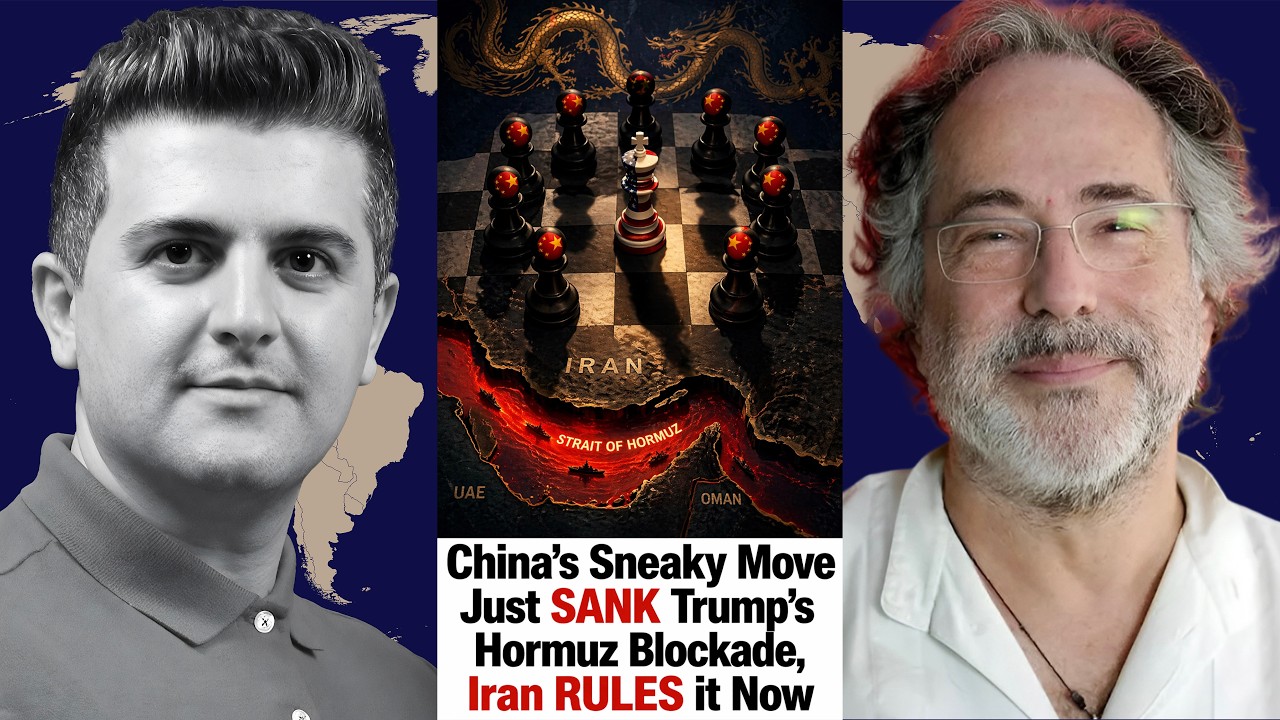
Pepe Escobar: “Total Failure”: Trump’s Blockade Just Backfired Disastrously
"Pepe Escobar argues that the US blockade against Iran, spearheaded by Donald Trump, has utterly failed and backfired, accelerating global economic chaos and challenging US geopolitical dominance."

🚨 TOTAL F*CKING CHECKMATE 😂😂😂
"The host argues that Trump's 'ceasefire' with Iran was a calculated '5D chess' move to orchestrate a global energy market reshuffle, while simultaneously lambasting 'woke' domestic policies and the 'freefall' of anti-Trump conservative figures."
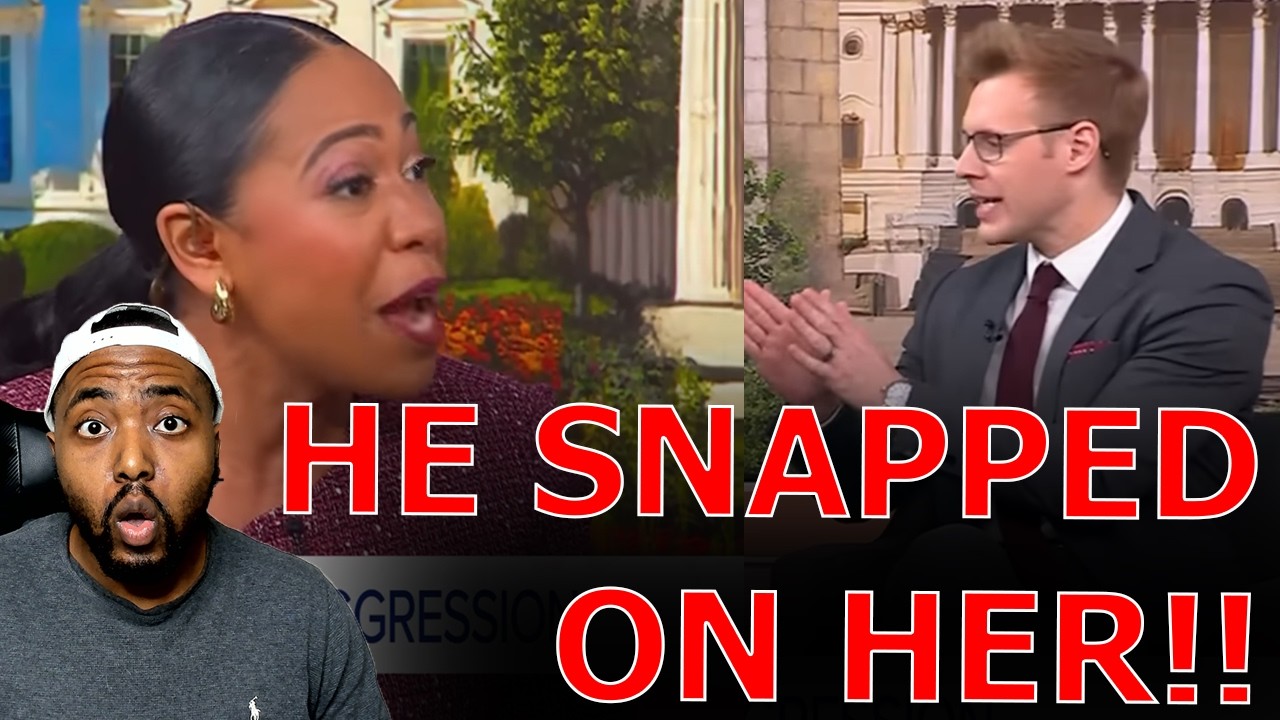
Robby Soave GOES OFF On ANNOYING Liberal Black Woman Making Emotional Trump Deranged Arguments!
"The host dissects a heated foreign policy debate, arguing that 'left-wing' emotionalism and 'Trump derangement' prevent a rational understanding of US sanction strategies against Cuba and Iran."

Top U.S. & World Headlines — February 4, 2026
"President Trump's controversial calls for nationalizing voting, escalating federal immigration enforcement, and tense international relations dominate headlines, alongside a significant media workers' strike for AI protections."