
Archived Investigations | "48 Hours" Full Episodes
YouTube · rhq-FFUCXcM
Quick Read
Summary
Takeaways
- ❖Amy Hurst's body, found in 1982, was identified 30 years later by her family through a distinctive homemade afghan and green bedspread, leading to her husband Bill Hurst's murder conviction.
- ❖Wendy Huggy's 1982 disappearance case was initially closed by police because her marriage made her an 'adult,' hindering early investigation and leaving her fate unknown.
- ❖David Harmon's 1982 murder was a conspiracy by his wife, Melinda Harmon, and her lover, Mark Manglesdorf, who sought to avoid the social stigma of divorce in their conservative Nazarene community.
- ❖Melinda Harmon's conflicting stories and Mark Manglesdorf's eventual confession, after Melinda's conviction, revealed the true nature of David Harmon's murder.
- ❖John Gardner, a serial predator, abducted and murdered Amber Dubois and Chelsea King; his confession to Amber's murder was part of a plea deal to avoid the death penalty for Chelsea's murder.
- ❖The initial suspicion on Amber Dubois's stepfather, Dave Cave, was cleared by John Gardner's confession, highlighting the emotional toll on families during unsolved cases.
Insights
1The Intertwined Cold Cases of Amy Hurst and Wendy Huggy
In 1982, Amy Hurst disappeared in Florida, and her body was found in the Gulf of Mexico, weighted down and wrapped in a distinctive afghan. Separately, 16-year-old Wendy Huggy also vanished. Decades later, a detective investigating Wendy's cold case exhumed a Jane Doe body, which, though not Wendy, was later identified as Amy Hurst through DNA and her family's recognition of the unique afghan. This led to the conviction of Amy's abusive husband, Bill Hurst, who confessed to her murder and body disposal.
Amy's sister, Sharon, identified the afghan as one made by their mother, and her son Jeff found the Doe Network description. Bill Hurst confessed to killing Amy and dumping her body off the Sunshine Skyway Bridge.
2David Harmon's Murder: A Conspiracy Driven by Social Stigma
David Harmon was brutally murdered in his Kansas home in 1982. His wife, Melinda Harmon, initially claimed a home invasion, but inconsistencies in her story and a lack of evidence for intruders raised suspicions. Decades later, new detectives uncovered her affair with Mark Manglesdorf. Melinda eventually confessed that she and Manglesdorf conspired to kill David, choosing murder over divorce due to the severe social stigma within their conservative Nazarene community.
Melinda's changing accounts of the night, lack of forced entry, blood spatter analysis on her pillowcase, love letters found in Manglesdorf's apartment, and Melinda's videotaped confession implicating Manglesdorf. Both were ultimately convicted.
3John Gardner: The Serial Predator Behind Amber Dubois and Chelsea King's Murders
The 2009 disappearance of 14-year-old Amber Dubois and the 2010 murder of 17-year-old Chelsea King in San Diego were linked to John Gardner, a convicted sex offender with numerous parole violations. Gardner was arrested for Chelsea's murder based on DNA evidence. To avoid the death penalty for Chelsea's murder, Gardner confessed to abducting Amber at knifepoint, raping, and stabbing her, leading authorities to her remains.
DNA evidence linked Gardner to Chelsea King. Gardner's confession detailed the abduction and murder of Amber Dubois, leading to the recovery of her remains. He pleaded guilty to both murders and a prior assault.
Lessons
- Families of missing persons should document all details and maintain communication with law enforcement, ensuring accurate records and persistent follow-up, as clerical errors can severely impede investigations.
- Law enforcement agencies should regularly review and re-evaluate cold cases, leveraging advancements in forensic science like DNA analysis and new investigative technologies to uncover previously missed clues.
- Communities and families should be aware of the psychological pressures that can lead individuals to extreme actions, such as murder, to avoid social disgrace, and recognize when initial narratives in criminal cases may be misleading.
Quotes
"If you're an adult and you want to go missing and there's nothing to lead us to believe that you're a harm to yourself or somebody harmed you, you can go missing."
"I don't think anybody was comfortable saying that first day, you know, we don't believe it. But there are eyebrows beginning to be raised about this story."
"I'm the most dangerous type. I'm a sexual predator. I will kill. I know I will. I am the type that needs to be locked up forever."
"I have to forgive in order to live my life. I could sit here and be angry at the world. But what's that going to give me?"
Q&A
Recent Questions
Related Episodes

True-crime cases with recent developments | 48 Hours Full Episodes
"This episode reconstructs four complex true-crime cases, detailing the harrowing searches for missing persons, the challenges of prosecuting murders without bodies, and the enduring quest for justice in cold cases spanning decades."

The Blue River Murder | Full Episode
"A mother of three vanishes during a blizzard in a small Colorado town, only to be found brutally murdered, leading investigators to uncover a web of secrets and a husband's dark past."
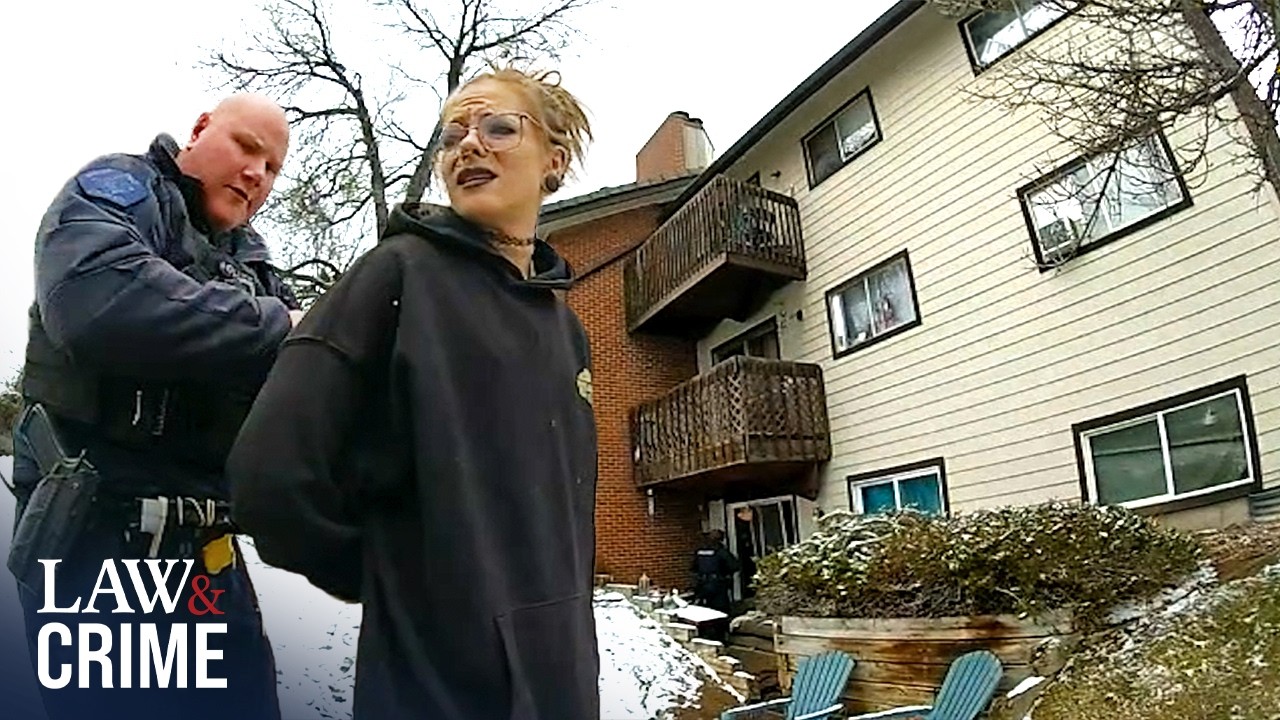
Cops Find Dead Body In Her Crawlspace After Anonymous Tip
"An anonymous Facebook tip leads police to a shocking discovery: a missing man's body encased in concrete within a crawl space, unraveling a tale of murder, domestic violence, and a coerced cover-up."
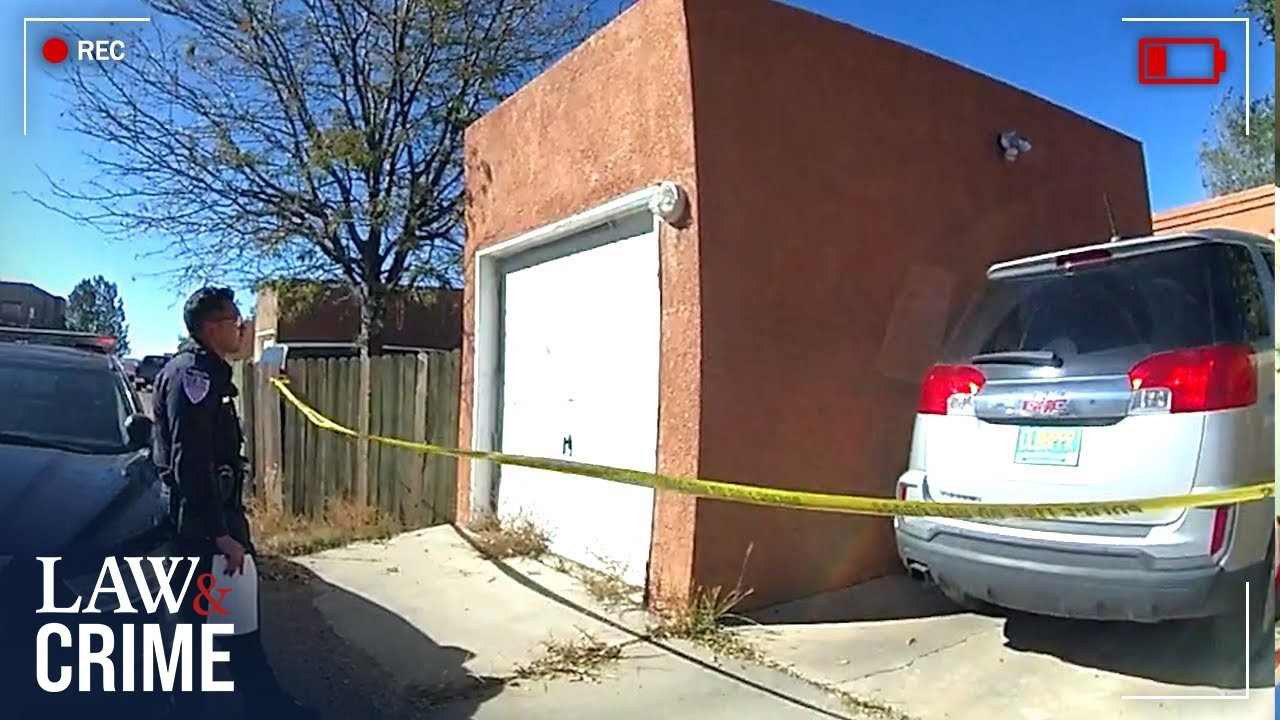
5 Most Wicked Murder Cases Caught On Bodycam
"Bodycam footage provides an unfiltered, real-time look into five brutal murder investigations, exposing the immediate aftermath of horrific crimes and the initial interactions with suspects and witnesses."