
🚨 BREAKING: Iranians HUNT Down IRGC Members - Islamists In Hiding
YouTube · sHZLjw-OBaM
Quick Read
Summary
Takeaways
- ❖Iranian protesters are actively confronting and pushing back IRGC Basij units in multiple cities, gaining control of streets.
- ❖The Crown Prince has directly addressed the Iranian military, urging them to abandon the regime and join the people.
- ❖Protesters are disabling surveillance cameras and telecommunication posts to hinder regime control.
- ❖The regime is resorting to kidnapping injured citizens from hospitals, prompting calls for underground medical aid.
- ❖The decentralized nature of the current protests makes it harder for the regime to implement a widespread crackdown compared to previous uprisings.
- ❖The host criticizes US politicians like Mike Pompeo and Rudy Giuliani for supporting the Mojahedin-e Khalq (MEK), labeling them as 'Islamic communists' with no popular support.
Insights
1Protesters Actively Target and Displace Regime Forces
Unlike previous protests, Iranians are directly confronting and pushing out Islamic Revolutionary Guard Corps (IRGC) Basij units from cities like Darasht, Hamadan, Karaj, and Mashad. They are also destroying IRGC motorcycles, setting fire to government buildings, and tearing down symbolic posters and statues of regime figures.
Videos show IRGC Basij units abandoning areas, motorcycles set on fire in Mashad, protesters moving into IRGC governor's offices, and statues of Qassem Soleimani being brought down.
2Crown Prince Appeals Directly to Iranian Military
The exiled Crown Prince, Reza Pahlavi, issued a statement directly to the Iranian military and law enforcement, urging them not to tie their fate to the 'sinking ship' of the Islamic Republic. He called on them to join the people, reminding them their weapons are for national defense, not suppression, and warned that those who fire on civilians will be identified and punished.
Host reads a direct quote from the Crown Prince's statement addressing the military and law enforcement.
3Protesters Adopt Counter-Surveillance Tactics
To counter regime control and identification, protesters are actively disabling surveillance cameras and telecommunication posts across cities. This tactic aims to paralyze the regime's communication and monitoring capabilities.
Videos show protesters bringing down surveillance cameras. The host mentions telecommunication posts were targeted previously.
4Regime Kidnaps Injured from Hospitals, Prompts Call for Underground Clinics
The Islamic occupation forces are reportedly breaking into hospitals in places like Ilam to kidnap injured citizens, using hospitals as easy places to identify and apprehend protesters. This forces injured individuals to avoid official medical care, leading to a call for temporary, underground clinics.
Reports of forces breaking into a hospital in Ilam to kidnap injured citizens. Host suggests setting up underground clinics.
5Decentralized Protests Hinder Regime Crackdown
The current uprising differs from previous ones because protests are spread across thousands of people in numerous villages, towns, and cities, rather than concentrated in one large central location. This dispersed strategy makes it significantly more difficult for the IRGC, which has smaller numbers, to contain and suppress the movement effectively.
Host's analysis comparing current tactics to previous protests, noting the regime's smaller numbers and the difficulty of containing widespread, decentralized demonstrations.
Bottom Line
The host suggests that the recent events in Venezuela, particularly the capture of Maduro, have re-energized Iranian protesters, as they perceive it as an example of President Trump's willingness to act against dictators if a popular uprising persists.
This indicates that external geopolitical events, especially those involving US intervention against authoritarian regimes, can significantly influence the morale and strategic calculations of protest movements in other nations.
International actors seeking to support democratic movements could strategically highlight successful interventions or strong stances against dictatorships to inspire and embolden similar movements globally.
Lessons
- Understand that the Iranian uprising is not a singular event but a complex, decentralized movement with evolving tactics against the regime.
- Recognize the Crown Prince's strategic efforts to appeal directly to the Iranian military, potentially fracturing the regime's support base.
- Be aware of the regime's brutal tactics, such as kidnapping injured protesters from hospitals, and the counter-tactics employed by protesters, like disabling surveillance.
- Consider the role of external events and international support in influencing the morale and persistence of protest movements.
Notable Moments
A mother, whose son was killed by the regime, is shown protesting and dancing, symbolizing defiance and strength rather than surrender.
This act is framed as a significant cultural symbol of resistance in parts of Iranian culture, directly contrasting with mourning and surrender, and serving as a powerful motivator for other protesters.
Protesters in Esfahan successfully seize control of a riot police van and its equipment after clashes with security forces.
This represents a concrete tactical gain for the protesters, demonstrating their ability to overcome regime forces and acquire resources, signaling a potential escalation in the conflict.
Quotes
"We the people of Iran will pull you down from your teetering purge like Zahak the despot and will free our beloved Iran from you and your regime. To the military and law enforcement forces. Do not tie your fate to the sinking ship of the Islamic Republic. Join the people and separate yourselves from this corrupt system. Your weapons are for defending the nation, not suppressing it. Those who fire bullets at the people should be certain that they will be identified and punished. Fellow countrymen, do not abandon the streets. Increase your presence. the world sees your resistance and bravery and supports you."
Q&A
Recent Questions
Related Episodes
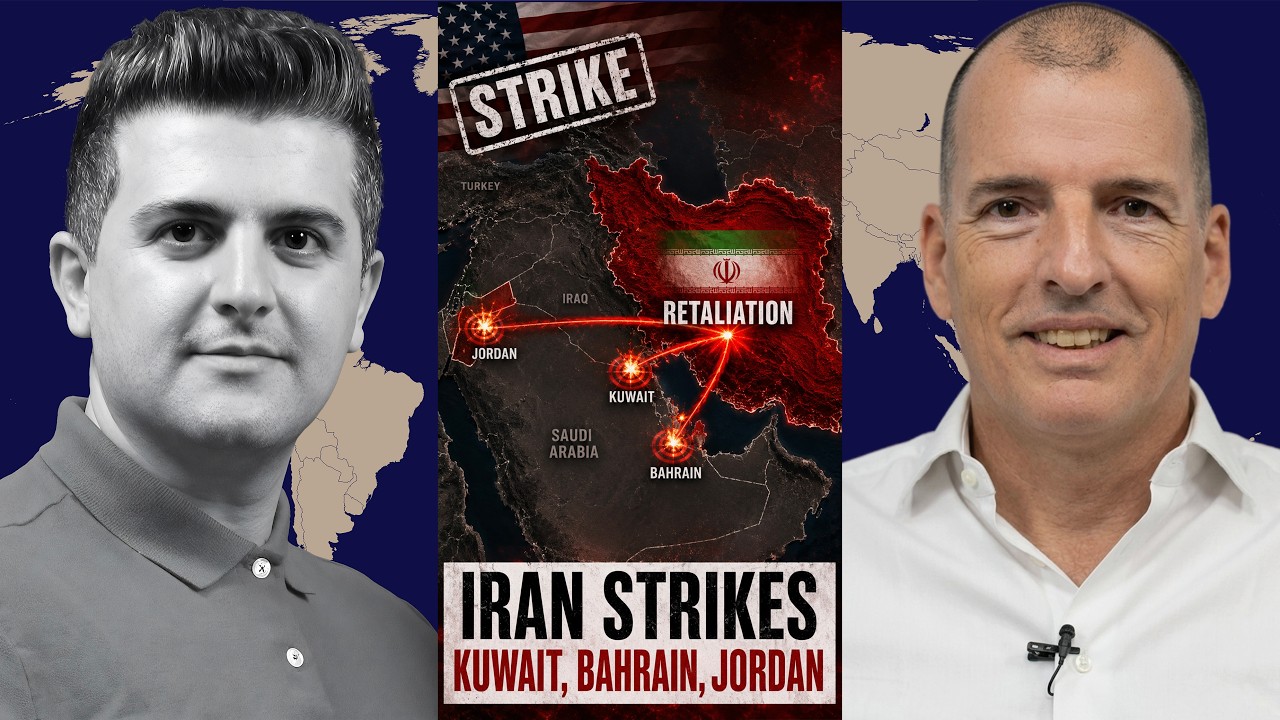
Alex Krainer: US STRIKES Iran – Iran RETALIATES Against Kuwait, Bahrain & Jordan!
"Amidst escalating US-Iran conflict and Iranian retaliation against regional US allies, this episode argues that US foreign policy is deeply controlled by an 'Anglo-Zionist conspiracy' led by the Rothschild banking dynasty, prioritizing Israeli interests over American ones."

Iran Update: Israel’s Newest Bombing Campaign, the Oncoming War With China and How to Avoid It
"Colonel Wilerson reveals how the US and Israel are actively bombing China's strategic infrastructure in Iran, escalating a covert economic war that Beijing intends to win without direct military conflict by dismantling the dollar's global dominance."

Patrick Henningsen: Hezbollah JUST Fired Back at Israel - Iran Vows to “Crush” All Attacks
"Patrick Henningsen argues that the US and Israel initiated an illegal war against Iran, driven by Trump's incompetence and Israeli influence, leading to an inevitable escalation with severe global economic repercussions."
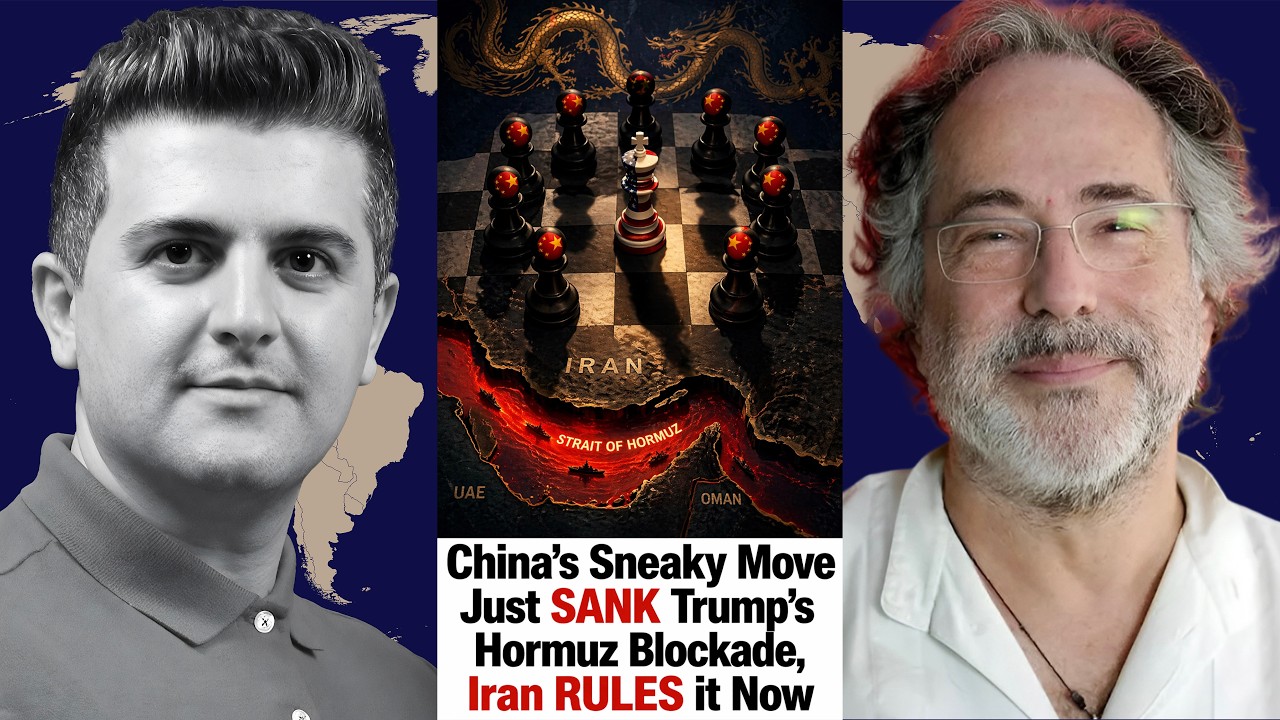
Pepe Escobar: “Total Failure”: Trump’s Blockade Just Backfired Disastrously
"Pepe Escobar argues that the US blockade against Iran, spearheaded by Donald Trump, has utterly failed and backfired, accelerating global economic chaos and challenging US geopolitical dominance."