BREAKING:US - Iran Talks COLLAPSE; IDF On High Alert; Hezbollah War Escalates | TBN Israel
YouTube · sLaEkiEnajE
Quick Read
Summary
Takeaways
- ❖US-Iran negotiations in Pakistan collapsed after Iran rejected a 'take it or leave it' offer, maintaining hardline positions on nuclear, missile, and Hormuz control.
- ❖The IDF is on immediate high alert, preparing for potential military confrontation with Iran, while the US threatens a naval blockade of the Strait of Hormuz.
- ❖Iran's economy is vulnerable due to sanctions and war damage, yet its negotiation strategy relies on projecting superiority and seeking concessions through delay tactics.
Insights
1US-Iran Talks Collapse Over Core Disagreements
Negotiations in Pakistan between the US and Iran ended without an agreement. The US presented a 'take it or leave it' offer, focusing on the nuclear issue. Iran, however, demanded broader concessions, including control over the Strait of Hormuz, enriched uranium, sanctions relief, war compensation, and recognition of its rights, refusing to discuss its missile program.
VP Vance returned to Washington and made it clear that the Americans had arrived with a final and simple offer, but the Iranians did not accept it. From Washington's point of view, the heart of the disrupt was the remains of the nuclear issue. From Thran's point of view, the issues were broader: Hormuz, uranium, sanctions, war compensation, the end of the fighting, and recognition of Iran's rights. ()
2IDF on High Alert Amid Escalating Tensions
Following the collapse of talks, the Israeli Chief of Staff, Lieutenant General Aal Zamir, instructed the IDF to move to a heightened alert posture, preparing for a potential return to military confrontation with Iran within a short timeframe. This involves accelerating planning, execution processes, and maintaining high readiness across all formations.
By directive of the Israeli chief of staff, the IDF is an immediate alert for the possibility of a return to fighting with Iran. The chief of staff, Lieutenant General Aal Zamir, instructed the IDF to move to a heightened alert posture following the collapse of the talks between the United States and Iran and to prepare for the possibility of a return to military confrontation within a short time frame. ()
3US Threatens Naval Blockade of Strait of Hormuz
President Trump announced that the United States Navy would begin blockading any ships attempting to enter or leave the Strait of Hormuz. This move aims to cut off Iran's economy by preventing its 'shadow fleet' of oil tankers from operating, signaling a strategic shift to apply direct economic pressure.
President Trump says, he says, uh, the United States Navy, the finest in the world, will begin the process of blockading any and all ships trying to enter or leave the straight of Homus. ()
4Iran's Economic Vulnerability and Strategic Delay
Despite projecting strength and demanding control over the Strait of Hormuz, Iran's economy is severely weakened by sanctions, war damage, and internal market issues. The regime is attempting to restore refining capabilities within 60 days to prevent public unrest, indicating significant internal pressure. Iran's strategy is to use negotiations as a delay tactic for reorganization.
Iran's oil ministry said it intends to restore most of the country's refining capability within 60 days... The regime understands that if the refineries do not return to war quickly, the problem will not be only oil exports. The problem will also be transport, industry, internal markets, long lines at gas stations, and perhaps a new wave of public unrest. ()
5Hezbollah Conflict Intensifies in Lebanon
The IDF continues to encircle the Shiite village of Benchbell in southern Lebanon, a Hezbollah stronghold, employing a 'ring warfare' strategy. This involves closing access routes, choking movement, adding intelligence and air power, and then bringing in ground forces. This sustained pressure occurs even as the US attempts to separate Lebanon from the broader Iran negotiations.
The IDF continues to encircle the Shiite village under the control of the Kizbala terrorist organization. At this very moment, the IDF is attacking with dozens of heavy munitions... The encircumment of Benchbell points to a method. First, you close the routes. Then, you choke the movement. Then, you add more intelligence and more air power. And only after that do you bring the ground forces deeper into the contact. ()
Bottom Line
The geopolitical competition for alternative oil and gas transit routes bypasses the Strait of Hormuz, creating a strategic battle between Israeli-friendly (via Jordan and Israel to Greece/Europe) and Turkish-friendly (via Arabian Peninsula, Syria to Turkey) corridors.
This competition highlights a long-term strategy to neutralize Iran's leverage over global energy supplies, but the Turkish route faces significant instability risks due to passage through Iraq and Syria.
Investing in the development and security of the Israeli-Jordanian-Greek pipeline and land corridor could offer a more stable and reliable energy transit solution for Europe, reducing reliance on volatile regions and adversaries.
Despite possessing well-equipped, American-trained armies, Gulf States like Saudi Arabia and the UAE have shown surprising inaction in directly confronting Iranian aggression, leading to a perception of fear and a failure to 'rebuild their dignity' in the region.
This inaction places a disproportionate burden on the US and Israel to counter Iranian threats, potentially emboldening Iran and prolonging regional instability. It also suggests a lack of unified regional defense strategy.
A coordinated diplomatic and military effort to empower and incentivize Gulf States to take a more active role in regional security, potentially through joint defense initiatives or security guarantees tied to direct action against Iranian proxies, could shift the regional power balance.
Opportunities
Develop and secure an alternative oil and gas pipeline/land corridor bypassing the Strait of Hormuz through Israel.
This involves constructing or upgrading infrastructure from Saudi Arabia/Jordan through Israel to the Mediterranean coast, connecting to Europe via Greece. This project would offer a stable, Iran-proof energy route, reducing global reliance on the Strait of Hormuz.
Key Concepts
Bazaar Negotiation Tactic
The hosts describe Iran's negotiation style as rooted in a 4,000-year-old merchant culture, characterized by projecting superiority, blowing up talks to gain concessions, creating pressure, and hardening positions to buy time and extract more favorable terms.
Lessons
- Monitor global oil markets closely, as the Strait of Hormuz situation and potential US naval blockade could trigger significant price volatility.
- Assess geopolitical risk exposure in the Middle East, particularly concerning supply chain disruptions and energy security, given the heightened alert levels and potential for renewed conflict.
- Understand Iran's negotiation tactics, which involve projecting strength and delaying, to better anticipate their responses in diplomatic or economic engagements.
IDF's 'Ring Warfare' Strategy Against Hezbollah
Close all main access routes to the target area, creating an almost complete encirclement.
Choke movement within the encircled area, trapping enemy forces.
Add more intelligence and air power to soften targets and gather real-time information.
Bring ground forces deeper into contact only after initial isolation and attrition, acting slowly and carefully.
Notable Moments
US Vice President JD Vance and envoys walked out of negotiations with Iran in Pakistan after 21 hours, declaring 'no deal' due to Iran's uncompromising demands.
This signifies a complete breakdown of diplomatic efforts, immediately escalating tensions and shifting the focus to military and economic pressure.
President Trump publicly threatened a naval blockade of the Strait of Hormuz by the US Navy.
This is a direct and significant economic threat to Iran, aiming to cut off its oil trade and apply maximum pressure, marking a critical escalation in the conflict.
The IDF Chief of Staff put the entire Israeli military on immediate alert for a return to war with Iran.
This indicates Israel's assessment of the imminent threat and its readiness for military action, highlighting the severe regional implications of the failed talks.
Quotes
"The United States Navy, the finest in the world, will begin the process of blockading any and all ships trying to enter or leave the straight of Homus."
"The Iranians have a 4,000-year-old negotiation culture. They are a culture of merchants, of the bazar inside the room. The Iranians project superiority. They feel free enough to blow up the talks on the assumption that the Americans under pressure from the deadlock will try to soften them with another concession to bring them back to the table."
"From Thran's point of view, both tracks continue at the same time. And that connects directly to another message that Trump himself has projected in recent days. He wrote that Iranians do not understand that they have no cards, that they are alive only in order to negotiate, and that they are better at dealing with the fake news media and public relations than at fighting."
Q&A
Recent Questions
Related Episodes

BREAKING: Iran Threatens To END Talks; U.S. Vows Retaliation; Hezbollah Collapsing? | TBN Israel
"Iran is leveraging Hezbollah and the Strait of Hormuz to manipulate US negotiations, while Israel asserts its right to dismantle Hezbollah's eroding but still dangerous infrastructure in Lebanon, independent of international talks."

Patrick Henningsen: Hezbollah JUST Fired Back at Israel - Iran Vows to “Crush” All Attacks
"Patrick Henningsen argues that the US and Israel initiated an illegal war against Iran, driven by Trump's incompetence and Israeli influence, leading to an inevitable escalation with severe global economic repercussions."
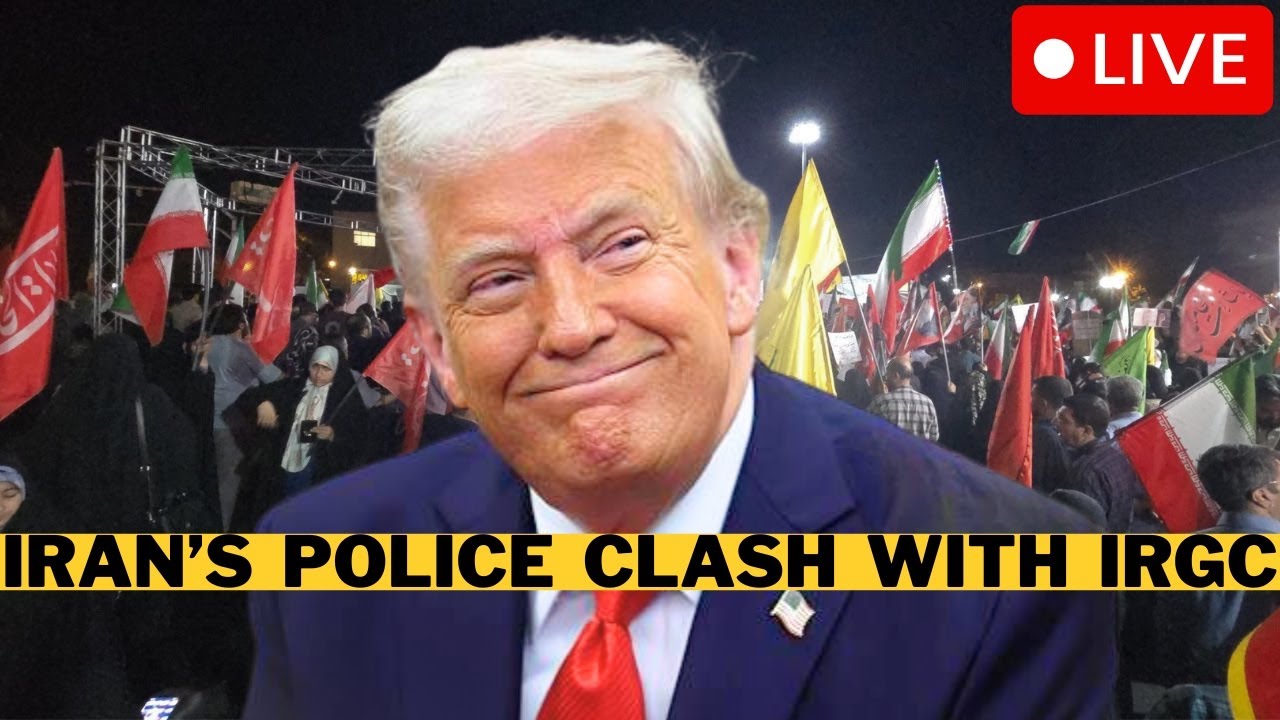
BREAKING: Protests ERUPT In Iran Over IRGC Surrendering To Trump - Infighting Clashes In Tehran
"Iran is experiencing severe internal infighting and protests as hardline IRGC elements clash with government figures over a perceived 'surrender' to the US, while mainstream Western media misrepresents the situation."
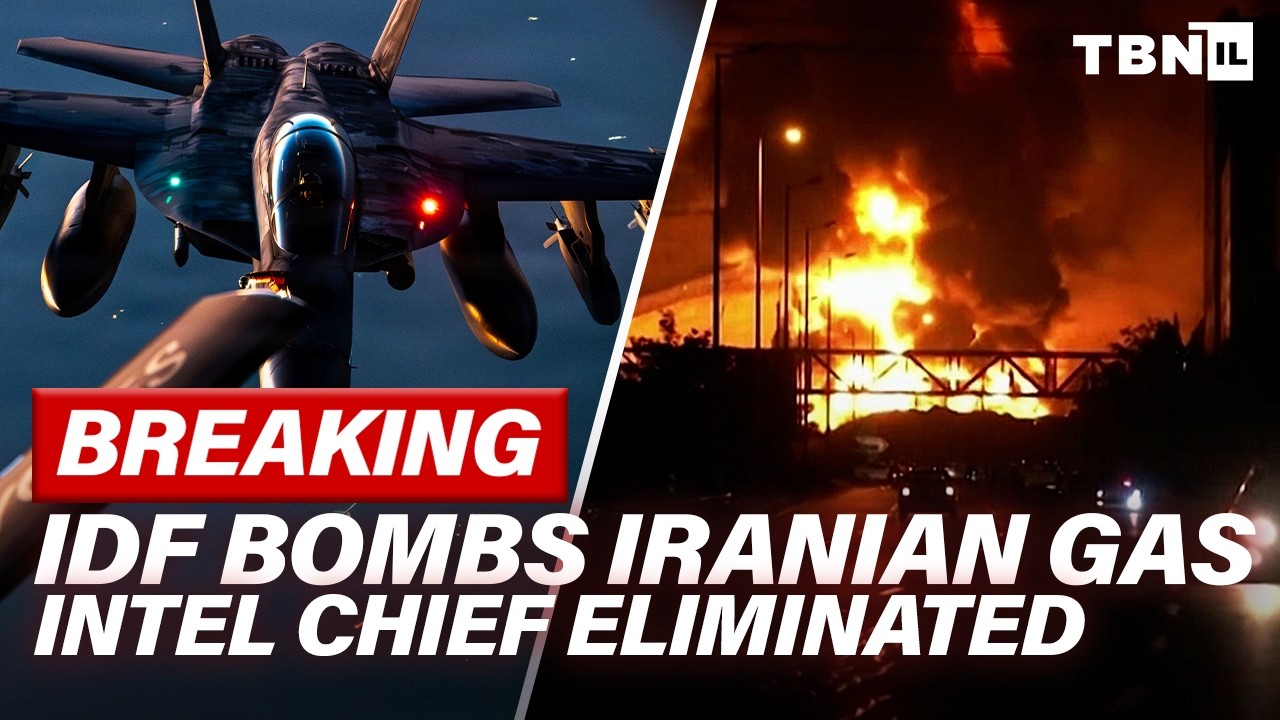
BREAKING: Israel BOMBS Major Iran Gas Site; Top Mullah ELIMINATED; Iran Vows VENGEACE | TBN Israel
"Israel and the United States have escalated their 'Roaring Lion War' against Iran, striking its largest gas facilities, eliminating key intelligence and military figures, and disrupting missile production, while Iran threatens a broader energy war in the Gulf."