DRIVE (2011) Movie Reaction! | First Time Watch! | Ryan Gosling | Ron Perlman | Bryan Cranston
YouTube · sQuI12oVS8M
Quick Read
Summary
Takeaways
- ❖The 2011 film 'Drive' unexpectedly evolves from a perceived action movie into a character-driven drama with sudden, intense violence.
- ❖Ryan Gosling's character, 'Driver,' is largely silent, yet his performance conveys immense empathy and emotion through subtle acting.
- ❖The film's cinematography makes extensive and creative use of mirrors and dynamic angles to tell the story visually.
- ❖Sound design is crucial, with muffled sounds and sharp contrasts heightening tension and emotional impact without relying on dialogue.
- ❖The movie's pacing is described as 'intentional,' shifting between moments of 'drive, neutral, parked, and reverse,' subverting typical action film expectations.
- ❖The initial car chase is methodical and stealth-focused, setting a tone of deliberate tension rather than explosive speed.
Insights
1Genre Subversion and Unexpected Violence
The film masterfully subverts audience expectations. Initially appearing as a high-octane action movie, it quickly transitions into a slow-burn character drama, punctuated by sudden, brutal acts of violence that shock the viewer.
The hosts initially expected a 'Baby Driver'-esque experience, focusing on car chases, but were surprised by the 'heartfelt slow burn kind of romance' and the 'crazy violent' shifts, particularly the hotel bathroom scene.
2Ryan Gosling's Silent, Empathetic Performance
Ryan Gosling's portrayal of the 'Driver' is highly effective despite minimal dialogue. He conveys deep empathy and a complex emotional landscape through subtle facial expressions and body language, allowing the audience to project their own understanding onto his character.
The hosts note 'the amount of empathy and emotion and anything that just pours off of him in all of these silent shots is incredible,' highlighting that 'even without that, Ryan Gosling paints such an incredible picture with his performance.'
3Meticulous Cinematography and Visual Storytelling
The film's visual language is highly sophisticated, utilizing creative camera angles and reflections, especially through mirrors, to convey narrative and character relationships without explicit dialogue. This meticulous framing enriches the storytelling.
The hosts praise the 'absolutely phenomenal work' of the cinematographer, specifically mentioning the 'utilization of mirrors in the car and the hotel room and everywhere' and how 'you're filling the frame with so much story by utilizing these little camera tricks.'
4Strategic Use of Sound Design and Pacing
Beyond visuals, the film's sound design and deliberate pacing are critical narrative tools. The strategic use of muffled sounds, sharp contrasts, and recurring musical themes, combined with an intentional rather than fast pace, builds tension and emotional depth.
The hosts discuss how 'the use of sound in this movie is really interesting,' noting how 'everything else was heightened in the scene' when the Driver was silent. They also observe the film's 'intentional' pacing, which 'didn't feel like we were like moving through anything really fast.'
Notable Moments
The opening car chase is characterized by stealth and methodical driving rather than high-speed action, setting an unexpected tone for the film.
This scene immediately subverts audience expectations for an action movie titled 'Drive,' establishing the film's deliberate pacing and focus on tension over spectacle.
The hotel bathroom scene marks a significant tonal shift, introducing extreme and graphic violence unexpectedly.
This moment shatters any lingering expectations of a 'calm and slow' narrative, firmly establishing the film's capacity for brutal realism and shocking the audience.
The film frequently uses mirrors and reflections to frame characters and convey unspoken narratives or internal states.
This visual technique allows for complex storytelling without dialogue, showing multiple perspectives or hidden aspects of characters within a single shot, such as seeing the Driver, Irene, and a photo of her husband and son simultaneously.
Quotes
"This is a really excellent character drama that takes its time in the best way possible."
"Even without that, Ryan Gosling paints such an incredible picture with his performance. It gives us so much to empathize with and project on to in this movie while you're waiting for him to speak, you're not missing anything."
"It's a smart movie because it's not relying on dialogue to tell the story. We get to create our own narrative. It's not narrating it for us."
"The opening car chase... sets such an excellent tone for the rest of the movie. Because it does not haul ass. It keeps a low profile for the most part except for those shocking moments of violence or drama that you're getting."
Q&A
Recent Questions
Related Episodes

PRACTICAL MAGIC Movie Reaction! | First Time Watch! | Sandra Bullock | Nicole Kidman | Dianne Wiest
"CinePals hosts Jabby and Brandon react to 'Practical Magic' for the first time, praising its unexpected dark tone, 90s filmmaking artistry, and the powerful sisterhood theme, while critiquing its ambiguous plot points and underutilized male lead."
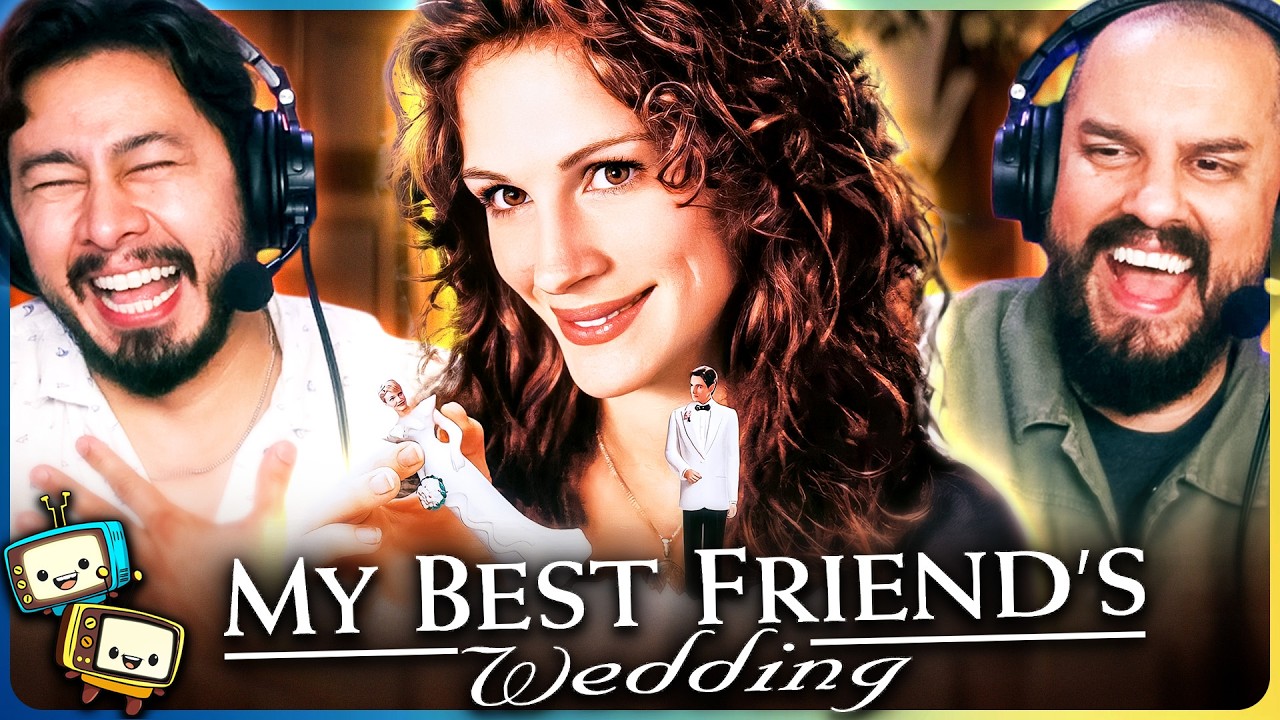
MY BEST FRIEND'S WEDDING (1997) Movie Reaction! | First Time Watch | Julia Roberts | Dermot Mulroney
"The hosts react to 'My Best Friend's Wedding,' highlighting how Julia Roberts' inherent charm makes her morally questionable character likable and how Cameron Diaz's 'perfect' bride subverts rom-com tropes."

THE LEGO MOVIE (2014) Movie Reaction! | First Time Watch! | Chris Pratt | Will Ferrell | Will Arnett
"CinePals hosts Kristen Stefino and Ashley Morgan react to 'The Lego Movie,' praising its animation, humor, and the profound message of creativity and individuality, especially after a pivotal third-act reveal."

EXTRACTION Movie Reaction! | First Time Watch | Chris Hemsworth | Randeep HoodaIndian | Sam Hargrave
"CinePals hosts react to 'Extraction,' praising its groundbreaking action cinematography, Chris Hemsworth's nuanced performance, and the film's profound exploration of fatherhood and grief."