Double Lives | 48 Hours Full Episodes
YouTube · sb_CJ6AiOq0
Quick Read
Summary
Takeaways
- ❖Patrick Welsh successfully faked his death for 15 years, building a new identity and respected life in Galveston, Texas, before being exposed by a Social Security discrepancy.
- ❖Welsh's ex-wife, Elizabeth, and sons endured 15 years believing he was dead, facing financial hardship and emotional trauma.
- ❖Steven Nodine, a prominent Alabama politician, led a six-year double life with his mistress, Angel Downs, whose death by gunshot became a highly publicized and controversial case.
- ❖The investigation into Angel Downs' death was complicated by her prior suicide attempt, lack of direct forensic evidence, and allegations of political influence in the prosecution.
- ❖Nodine was ultimately convicted of perjury and harassment, not murder, leading to significant frustration and a sense of injustice for Angel's family.
- ❖Gregory Bender, an ex-boyfriend, meticulously planned the murder of Patrick De Laserta, his former girlfriend's fiancé, driven by obsessive jealousy.
- ❖A handwritten 'murder plan' found in Bender's trash, along with matching ammunition and cell phone data, provided crucial evidence for his conviction.
- ❖Bender's conviction for first-degree murder resulted in an automatic life sentence without parole, bringing a measure of closure to Patrick's family, despite the failure of a restraining order to prevent the crime.
Insights
1The Long Reach of Deception and Faked Death
Patrick Welsh successfully faked his suicide in 1983 to escape financial and personal problems, establishing a new identity as Tim Kingsbury in Galveston, Texas. For 15 years, he lived a respected life, becoming president of the Galveston Historical Foundation and a radio station manager. His deception was only uncovered when a forgery conviction forced him to use his original Social Security number, triggering an alert regarding his sons' survivor benefits.
Welsh's ex-wife, Elizabeth, received a letter from Social Security stating that the 'number holder was alive' and demanding repayment of $56,000 in survivor benefits. This led to an FBI investigation and Welsh's eventual arrest in Ohio.
2Justice Undermined by Ambiguity and Influence
The death of Angel Downs, mistress to married politician Steven Nodine, presented a complex legal challenge. Despite Nodine's double life and Angel's friends' claims of his controlling and violent behavior, forensic evidence for murder was inconclusive. Angel had a prior suicide attempt, and no direct physical evidence tied Nodine to the shooting. The case saw a mistrial, reduced charges, and allegations of political maneuvering, leaving Angel's family feeling justice was denied.
The state's medical examiner initially found the manner of death 'inconclusive,' leaning towards suicide, while a second expert called it homicide. Nodine was eventually convicted of perjury and harassment, serving a relatively short jail sentence, rather than murder.
3Obsession Manifested in Premeditated Murder
Gregory Bender, driven by obsessive jealousy after his ex-girlfriend Jessica Devani moved on, meticulously planned the murder of her new fiancé, Patrick De Laserta. Bender's detailed 'murder plan,' found in his trash, outlined every step, from using specific ammunition to disposing of evidence. He lured Patrick to his door with a fake package delivery, then ambushed him.
Investigators found a handwritten 'murder plan' detailing Patrick's address, methods for avoiding detection (e.g., duct tape on shoes), and disposal of items. Matching 300 Blackout ammunition was found at Bender's home, and cell phone records linked a burner phone used for the fake delivery to Bender's personal phone and the crime scene.
Lessons
- Recognize that individuals can maintain elaborate facades; a 'pillar of the community' may harbor a hidden past of deception and abandonment.
- Understand that legal outcomes in complex cases can be influenced by factors beyond direct forensic evidence, including witness credibility, prior history, and even political dynamics.
- Be aware that restraining orders, while important, may not guarantee safety against highly obsessive or determined individuals, especially if enforcement mechanisms (like seizing firearms) are not robust.
Notable Moments
Patrick Welsh's ex-wife, Elizabeth, discovers he is alive 15 years after his supposed suicide, due to a Social Security notification regarding their sons' benefits.
This moment shatters years of grief and financial struggle, revealing a calculated deception that had profound emotional and legal repercussions for everyone involved.
Angel Downs' sister receives a text message from Angel just minutes before her death, stating 'Steven Nodine is here,' directly implicating him in the final moments.
This text message became a crucial piece of circumstantial evidence, providing a direct link between Nodine and Angel's presence at the time of her death, despite the lack of physical evidence.
Investigators discover Gregory Bender's handwritten 'murder plan' in his trash, detailing the precise steps to kill Patrick De Laserta.
This discovery transformed the case from circumstantial to overwhelmingly strong, providing irrefutable proof of premeditation and directly linking Bender to the murder method.
Quotes
"If he was alive, he would never be able to leave my brother and I behind."
"I think it is out of respect for Tim that people didn't gossip and didn't talk."
"I did this thing to make life better for my boys without having to live under the shadow of this criminal who was Pat Welsh."
"Do we have proof beyond reasonable doubt? No. That and that was the basis of the plea."
"I'm giving instructions and I'm going to have my my plan put into action."
"This case is about the difference between a fantasy and reality. People should not be judged on their worst thoughts just because they put them to paper."
Q&A
Recent Questions
Related Episodes

TEEN'S DNA REVEALED IN ANNA KEPNER'S R*** KIT
"The investigation into Anna Keaptainner's death on a cruise ship reveals shocking DNA evidence, a previously unknown male minor, and critical questions about evidence handling and family dynamics."
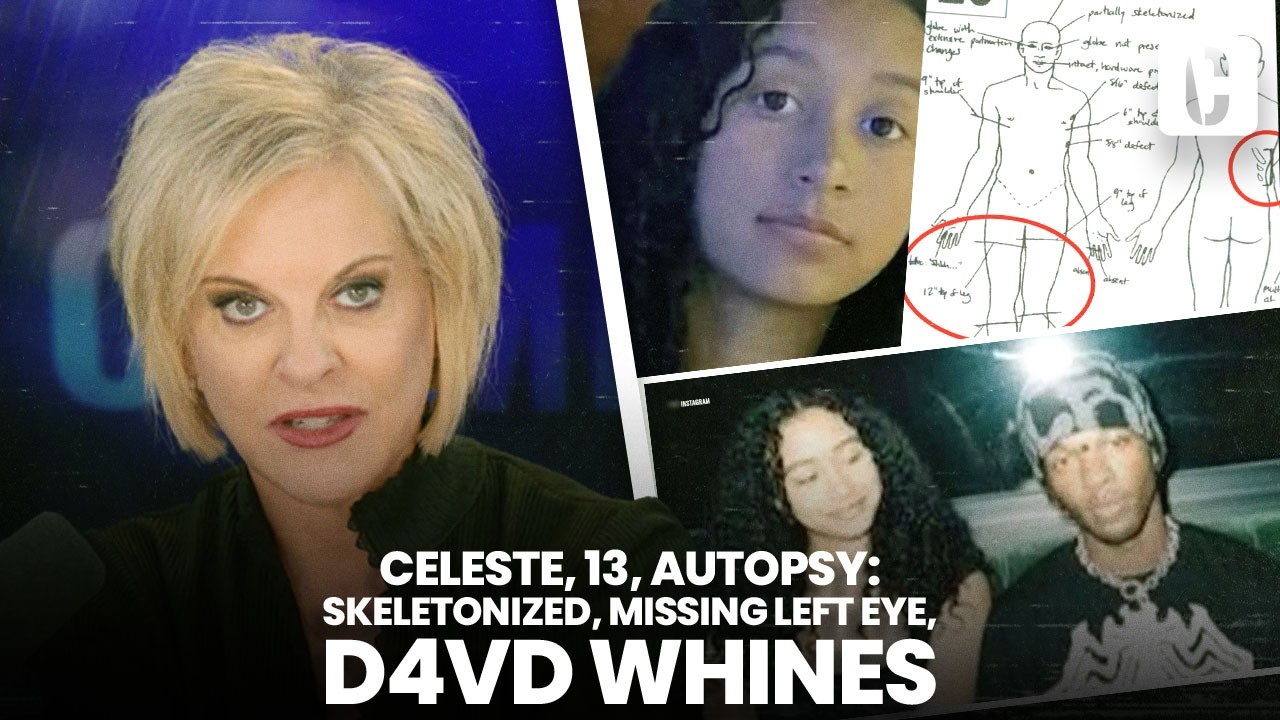
CELESTE, 13, AUTOPSY: SKELETONIZED, MISSING LEFT EYE, D4VD WHINES
"A 13-year-old girl, Celeste Rivas, was found partially skeletonized with a missing left eye, traces of meth and MDMA, and fatal stab wounds, while the accused musician David Anthony Burke (D4VD) complains about jail conditions."
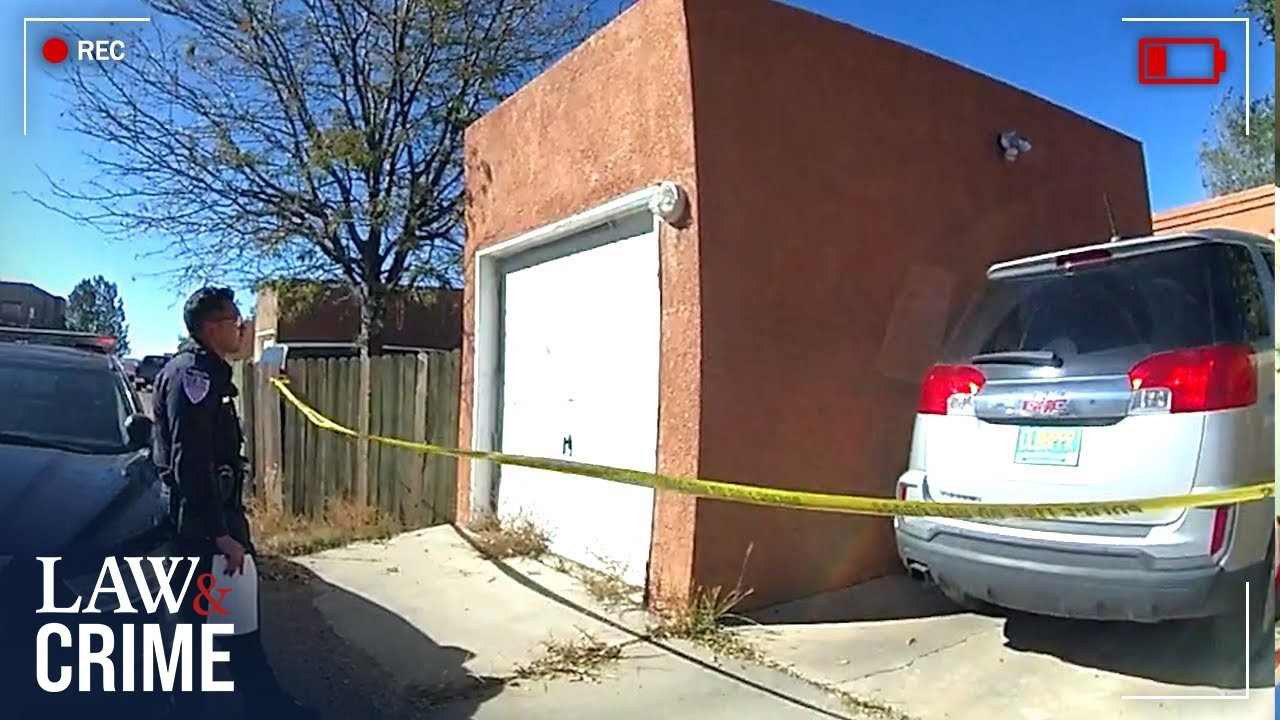
5 Most Wicked Murder Cases Caught On Bodycam
"Bodycam footage provides an unfiltered, real-time look into five brutal murder investigations, exposing the immediate aftermath of horrific crimes and the initial interactions with suspects and witnesses."

Cheating Fire Chief Murders Wife Hours Before Divorce
"A decorated fire chief, just hours before his divorce was finalized, murdered his wife to avoid financial ruin, then meticulously crafted a false narrative of her sudden medical death."