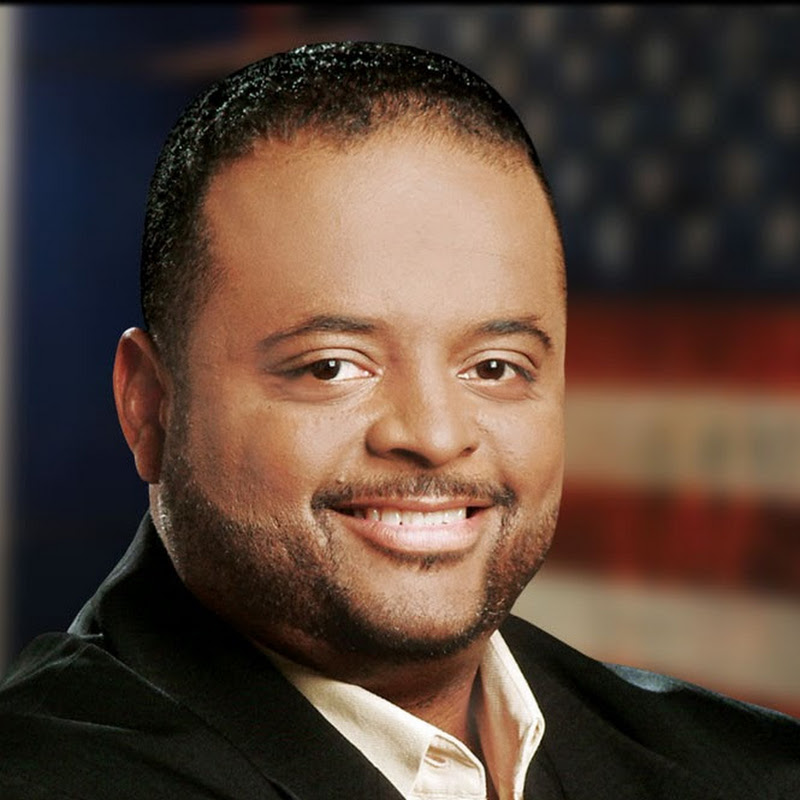
Roland Martin, others honored in 2017 by Hank Aaron as Champions of Justice
YouTube · sihgqvlGQu4
Quick Read
Summary
Takeaways
- ❖Hank Aaron's legacy extends beyond baseball, serving as a beacon for social change and human rights advocacy.
- ❖Corporations now prioritize 'reputational value' and the 'triple bottom line,' connecting customer and community values to business decisions.
- ❖Social media provides immediate platforms for activism, but effective communication requires depth, context, and a clear message.
- ❖The military historically served as a primary path for Black men and women to achieve career advancement relatively free of racism.
- ❖Economic ownership is a fundamental lever for power and control, with a historical deficit for African Americans due to systemic exclusion and a lack of focus on business integration.
- ❖Black success in America has historically been followed by white backlash, creating a cyclical pattern of advancement and resistance.
Insights
1Evolution of Corporate Engagement with Social Issues
Alexis Herman notes a significant shift in how companies engage with social issues. Initially, there was a disconnect between corporate decisions and social values. Today, leading companies understand the 'triple bottom line,' valuing reputational standing as much as profit, and recognizing the interconnectedness of shareholders, employees, customers, and communities. This shift is driven by a values-based society, especially by younger generations demanding corporate responsibility.
Alexis Herman states, 'companies in particular when you talk about the endorsement and the sports world uh it really is about understanding now the values of customers of the communities in which they live and work. Uh and understanding that it is more than just the bottom line... it is about the triple bottom line.'
2The Power of Media and Informed Activism
Roland Martin emphasizes that while social media offers immediate dissemination of information, its impact depends on the substance and context of the message. He advocates for informed activism, where public figures and individuals understand history and facts to challenge misinformation effectively. He highlights that media control is a primary objective in power struggles, underscoring its influence.
Roland Martin explains, 'Social media is a lot faster. It's much more immediate. Uh but the reality is you still have to have something to say.' He later adds, 'If you study cools that take place around the world, they always get control of the military first, media is always second... that right there tells you uh the power of uh information and how you use it.'
3Economic Ownership as a Foundation for Freedom
Hank Thomas, a Freedom Rider turned successful entrepreneur, and Roland Martin both stress that economic ownership is fundamental to true freedom and power for African Americans. Historically, black communities were systematically denied opportunities for ownership, leading to a lack of control and leverage. They argue that being an 'employer' rather than just an 'employee' provides critical independence and influence.
Hank Thomas states, 'without ownership of something... we don't still don't own much of anything.' Roland Martin adds, 'when your checkbook can be controlled, then your mouth and your mind can be controlled.'
4Military as a Pathway for African American Advancement
Hank Thomas highlights the U.S. armed forces as a historical 'point of the spear' for human and civil rights for African Americans. He notes that President Truman's desegregation order in 1948 created the only organization where Black men and women could pursue careers relatively free of racism, leading to significant advancements and leadership roles, including Colin Powell and other high-ranking generals.
Hank Thomas recounts, 'It was the army or the armed forces that was the point of the spear for human rights and civil rights for African-Americans... made it possible for the only organization in this country for black men and women to have careers that was relatively free of racism.'
Bottom Line
The historical pattern of 'black success followed by white backlash' is a critical, often overlooked, dynamic in American history that explains cyclical social and political challenges faced by African Americans.
Recognizing this pattern is essential for understanding contemporary racial tensions and for developing strategies that anticipate and mitigate reactive opposition to Black advancement.
Advocates and leaders can use this historical understanding to frame current events, educate the public, and build more resilient movements and institutions that can withstand backlash.
Many of the first successful Black entrepreneurs, particularly in franchise businesses like McDonald's, emerged directly from the civil rights movement, understanding the intrinsic link between activism and economic power.
This suggests that a deep commitment to social justice can be a powerful motivator and foundation for business success, driven by a desire for community empowerment and independence.
Future entrepreneurial initiatives within marginalized communities could explicitly integrate social justice missions, leveraging the collective experience and commitment of activists to build sustainable economic ventures.
Opportunities
Socially Conscious Franchise Development Program
Create a program specifically designed to support individuals from social justice backgrounds or underserved communities in acquiring and operating franchise businesses. This program would offer mentorship, access to capital, and training, drawing inspiration from how civil rights activists became successful entrepreneurs.
Values-Based Corporate Consulting for Social Impact
Establish a consulting firm that helps corporations integrate social and community values into their core business strategy, moving beyond mere philanthropy to a 'triple bottom line' approach. This would involve advising on ethical supply chains, diverse hiring practices, community investment, and leveraging corporate platforms for social advocacy.
Media Platform for Contextualized Social Discourse
Develop a digital media platform (e.g., podcast network, online news channel) dedicated to providing in-depth, historically contextualized discussions on social issues, specifically targeting underserved communities. The platform would prioritize substance over sensationalism, empowering audiences with knowledge to engage in informed activism.
Key Concepts
Triple Bottom Line
Businesses increasingly consider not just financial profit, but also their social and environmental impact (people, planet, profit) in their decision-making and values. This expands corporate responsibility beyond shareholders to include communities and employees.
Present vs. Presence
In activism and public discourse, it's not enough to merely 'be present' in a space; one must exert 'presence' by having a substantive message, being informed, and actively challenging misinformation or injustice. This applies to individuals and organizations leveraging their platforms.
Black Success Followed by White Backlash
A historical pattern in American society where periods of significant advancement or empowerment for African Americans are often met with organized resistance or regression from white communities, hindering sustained progress.
Lessons
- Prioritize economic ownership and entrepreneurship within your community, understanding that financial independence provides significant leverage and power for social change.
- Engage with social issues on public platforms (including social media) with a commitment to historical accuracy and substantive context, rather than just immediate reactions.
- Seek out and support businesses and organizations that demonstrate a commitment to the 'triple bottom line' (people, planet, profit), actively integrating social and community values into their operations.
- Educate yourself and others on American history, particularly the cycles of 'black success followed by white backlash,' to better understand and navigate current social and political dynamics.
- Leverage your individual leadership and position to advocate for inclusion and fairness in any room or at any table, recognizing that personal values should not be checked at the door.
Notable Moments
Hank Thomas, a Vietnam veteran and Freedom Rider, recounts shooting down a Confederate flag that soldiers had hung in the center of his post in Vietnam.
This powerful anecdote illustrates direct, courageous action against symbols of racial oppression, even in a military context, and highlights the personal risks taken by Black service members to challenge injustice.
Quotes
"Good companies today, good organizations today... it really is about not just the profit motive anymore. It's a values-based conversation."
"When your checkbook can be controlled, then your mouth and your mind can be controlled."
"It was the army or the armed forces that was the point of the spear for human rights and civil rights for African-Americans."
"I don't care where you sit. And you have to always ask yourself, you know, are you doing your part in that room at that table uh to make sure that you're opening the doors even wider for others to come through?"
"We are operating based upon his story and not history. And as long as you still are are repeating his story and you don't actually understand history, then you fall for the okey do."
Q&A
Recent Questions
Related Episodes
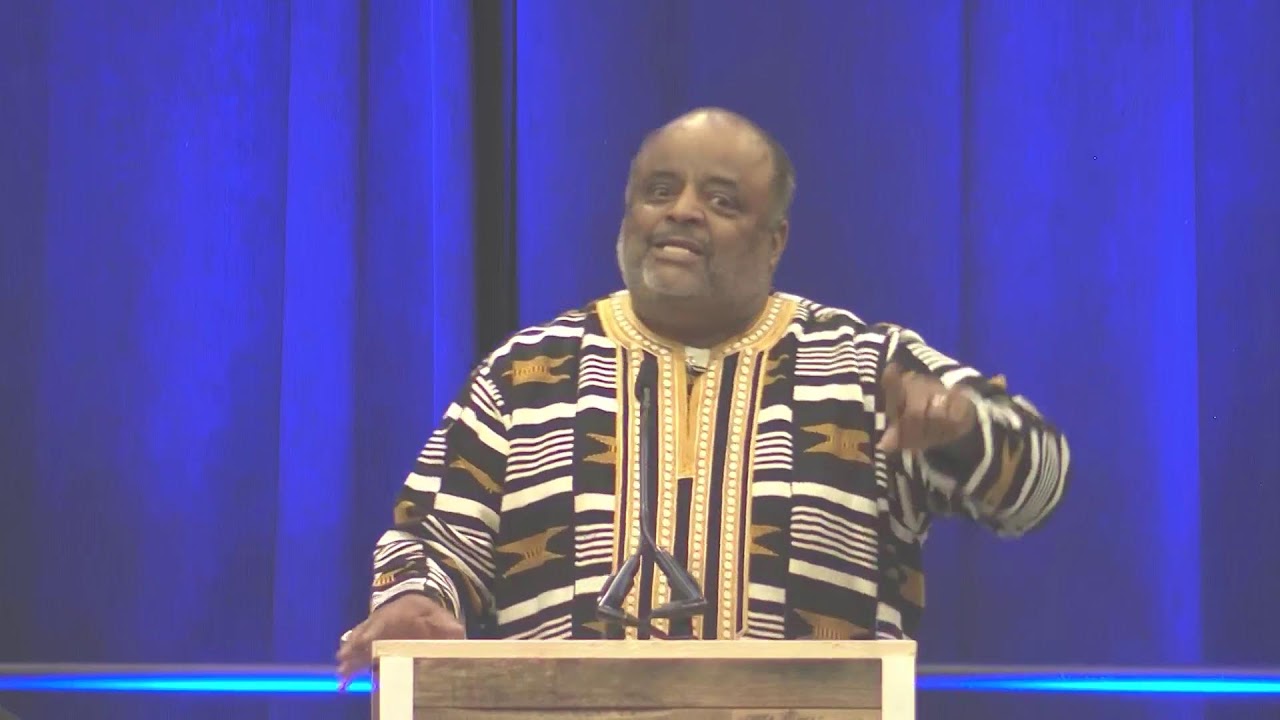
Roland speaks at Columbus Educ. Assoc. MLK Dinner
"Roland Martin challenges the audience at an MLK dinner to move beyond passive celebration and engage in active, sustained political and economic struggle, emphasizing that 'rest time is over' for those seeking real societal change."

PATREON EXCLUSIVE | The Human Experience (feat. Eric Benet and T.I) | The Joe Budden Podcast
"Eric Benét and T.I. offer candid insights into the evolving music industry, the challenges of maintaining authenticity, and their personal philosophies on career longevity, health, and societal changes."

NC Targets DEI. Trump Blocks Housing Bill. Minority Banks Face New Rules. Kohen Wiley Protests
"This episode exposes how current political actions, from changes in minority bank definitions to attempts to regulate college athlete earnings and block foreign aid, are systematically undermining Black economic power, voting rights, and social justice."
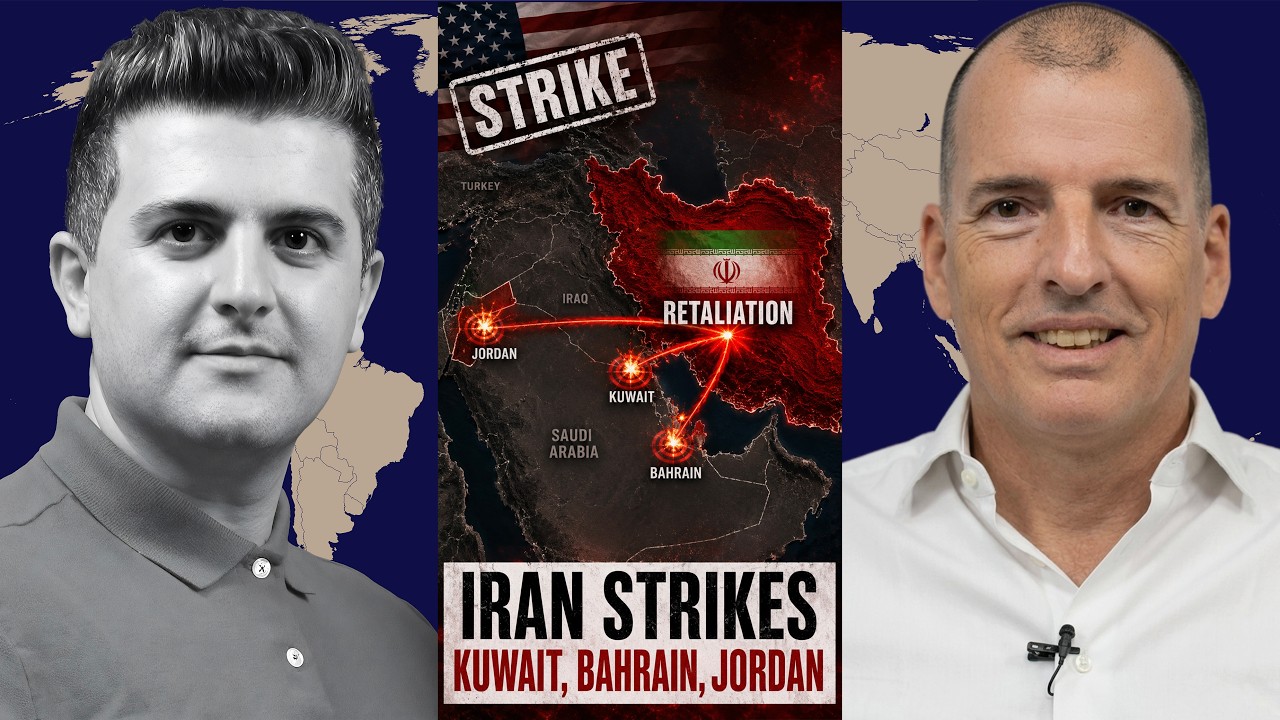
Alex Krainer: US STRIKES Iran – Iran RETALIATES Against Kuwait, Bahrain & Jordan!
"Amidst escalating US-Iran conflict and Iranian retaliation against regional US allies, this episode argues that US foreign policy is deeply controlled by an 'Anglo-Zionist conspiracy' led by the Rothschild banking dynasty, prioritizing Israeli interests over American ones."