
Israel Sets Its Sights On TURKEY. Vance HECKLED For Abetting GENOCIDE. Prof. Glenn Diesen Joins.
YouTube · tJpB3GBkDRM
Quick Read
Summary
Takeaways
- ❖The US military buildup in the Middle East, including three aircraft carriers, contradicts Trump's claims that the war with Iran is 'almost over' and suggests escalation.
- ❖Israel's primary goal in the conflict is to weaken Iran as a challenge to its 'expansionist project,' not solely to prevent nuclear weapons.
- ❖The Strait of Hormuz blockade, while impacting some shipping, has not crippled Iran, which is reportedly collecting 'tolls' and finding alternative oil transport routes.
- ❖The war has caused a significant energy crisis, leading to massive 'unearned profits' for global oil and gas companies, including Saudi Aramco, Exxon Mobil, and Russia's Gazprom.
- ❖Italy, under Prime Minister Giorgia Meloni, has distanced itself from the US-Israel conflict, implementing an arms embargo against Israel and criticizing the war's legality.
- ❖Israeli politicians like Naftali Bennett are actively portraying Turkey as 'the new Iran,' signaling a potential future conflict target and advocating for Turkey's expulsion from NATO.
- ❖Allegations of fraud and 'backdoor blacklisting' functions are surfacing against World Liberty Financial, a cryptocurrency company founded by Trump's sons, with a major investor claiming he cannot sell his tokens.
- ❖JD Vance was heckled at a Turning Point USA event for defending the US-Israel war, with audience members challenging his claims of 'peace' in Gaza and accusing the administration of abetting genocide.
Insights
1US-Israel War with Iran: A Manipulated Escalation
The host and Professor Diesen contend that the US was 'goaded' into a disastrous war with Iran by Israel, despite Trump's public statements that the conflict is 'almost over.' They point to a significant US military buildup, including three aircraft carriers and thousands of troops, as evidence of ongoing escalation, not de-escalation. The true objective, they argue, is Israel's desire to weaken Iran to facilitate its regional expansionist agenda, rather than solely preventing nuclear weapons.
Trump's contradictory statements on the war's status (, ), US deployment of 6,000 troops on USS George HW Bush and 4,200 Marines (), Israel's demand for regime change (), Joe Kent's analysis of an 'escalation trap' (), Professor Diesen's view that diplomacy has not been genuine ().
2Economic Fallout: Oil Profits and Allied Alienation
The conflict has triggered an energy crisis, causing oil prices to surge and generating billions in 'windfall profits' for major oil and gas companies globally. This economic impact is seen as a direct consequence of the war, benefiting fossil fuel interests and even Russia, which has seen its oil export revenues increase significantly. Simultaneously, the US's unilateral actions and demands for allied involvement have alienated long-standing European partners like Italy, which has implemented an arms embargo against Israel and criticized US policy.
Oil and gas companies banked $30 million/hour in unearned profits (), Saudi Aramco projected to make $25 billion in extra profits (), Russia's oil export revenues increased by 50% (), Italy's PM Giorgia Meloni implementing an arms embargo against Israel and criticizing Trump (, ), US not consulting European allies before attacking Iran ().
3Turkey: The Next Target in Israel's Regional Strategy
Israeli politicians, including Naftali Bennett, are actively campaigning to portray Turkey as 'the new Iran,' suggesting it as the next target for conflict. This alleged propaganda aims to justify future military action and potentially push for Turkey's expulsion from NATO, thereby removing an obstacle to US intervention. The host highlights how Israel has historically used disinformation and manufactured threats to achieve its geopolitical objectives.
Naftali Bennett's statement: 'Turkey is the new Iran' (), Israeli operatives allegedly working to kick Turkey out of NATO (), Netanyahu accusing Erdogan of accommodating Iran and massacring Kurds (), Jerusalem Post recycling old quotes to create false impressions of Turkish threats (), Laura Loomer calling for Turkey's removal from NATO (), Whitney Webb's reporting on alleged Israeli ties to ISIS ().
Bottom Line
Iran's ability to maintain control over the Strait of Hormuz and levy 'tolls' on shipping provides it with significant leverage, complicating any US declaration of victory and offering a means to rebuild its economy and pressure Gulf states.
This challenges the perception of US escalation dominance, suggesting Iran possesses strategic 'cards' that can prolong the conflict and force regional realignments (e.g., Gulf states expelling US bases, dismantling the petrodollar).
For countries seeking to challenge US hegemony or diversify energy trade, Iran's sustained control over a vital choke point offers an alternative economic and geopolitical partner, potentially accelerating a multipolar world order.
The alleged 'backdoor blacklisting function' in World Liberty Financial's crypto tokens, if true, represents a significant vulnerability in decentralized finance (DeFi) platforms, allowing founders unilateral control over investor assets.
This undermines the core principles of decentralization and financial freedom often touted by crypto projects, exposing investors to potential confiscation and manipulation by platform operators.
This incident could spur demand for truly decentralized and transparent crypto platforms with immutable smart contracts, or lead to increased regulatory scrutiny and consumer protection measures in the DeFi space.
Opportunities
Develop alternative, secure energy transit routes and infrastructure.
The vulnerability of the Strait of Hormuz to blockades highlights the need for nations and energy companies to invest in and develop alternative pipelines or shipping routes that bypass geopolitical choke points, ensuring energy security and price stability.
Invest in non-fossil fuel energy sources to mitigate geopolitical price volatility.
The war's impact on oil prices and the 'windfall profits' for fossil fuel companies underscore the economic and geopolitical risks of reliance on oil. This creates a stronger business case for accelerated investment and development in renewable energy and other non-fossil fuel alternatives.
Key Concepts
Neoclassical Realism
Professor Glenn Diesen explains that while classical realism focuses on international distribution of power, neoclassical realism incorporates internal state factors like ideology, corruption, and political infighting (e.g., US-Israel relationship) to explain seemingly irrational foreign policy decisions.
Nuclear Peace Theory
Discussed by Kenneth Waltz, this theory suggests that nuclear proliferation can lead to a more peaceful world due to the concept of mutually assured destruction, making large-scale wars less likely by elevating the cost of conflict to an existential level.
Lessons
- Critically evaluate official narratives regarding military conflicts, especially those involving US intervention, and seek out diverse, independent analyses to understand true motivations and consequences.
- Recognize the potential for geopolitical conflicts to be driven by external interests and domestic political agendas, rather than stated national security concerns.
- Support political candidates and movements that advocate for decoupling from foreign alliances that consistently drag the US into costly and destabilizing wars, and prioritize domestic investment over military spending abroad.
Notable Moments
Discussion of Kenneth Waltz's Nuclear Peace Theory and its implications for international relations.
This theoretical framework helps explain the dynamics of nuclear deterrence and how the threat of mutually assured destruction can paradoxically lead to peace, providing context for discussions about Iran's potential nuclear ambitions.
JD Vance heckled by audience members at a Turning Point USA event for defending the US-Israel war and claiming 'peace' in Gaza.
This highlights growing public dissent, even within conservative circles, against US foreign policy in the Middle East and the perceived complicity in war crimes, demonstrating a shift in public opinion.
Quotes
"Israel wants regime change. The head of MSAD just came out and said, 'We demand regime change. You're not going to get it overnight, but we're going to get it.'"
"We need to decouple from Israel. There is no middle ground with Israel. As as I think a lot of conservatives who used to be avid supporters of Israel but then started to criticize some of what Israel's been up to have learned, there is no middle ground. You have to be allin. And if you're not allin, you're an anti-semite who supportsah or kamas. Literally, that's their ideology. So just like rip the band-aid off."
"Israel cannot live without an enemy, and its government is now trying to portray Turkey as one."
"If you want to be a politician because you want to be a public servant and actually be effective at your job, if you're a pervy wanker, stay home. Stay home."
Q&A
Recent Questions
Related Episodes
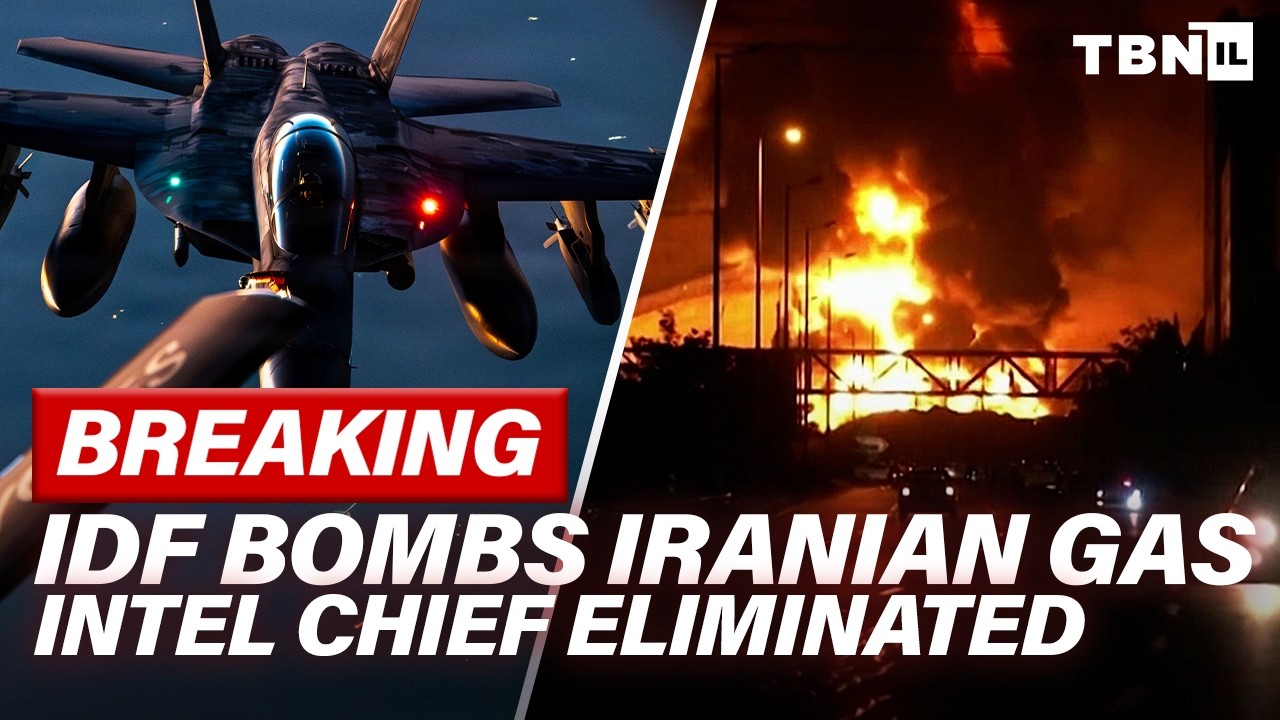
BREAKING: Israel BOMBS Major Iran Gas Site; Top Mullah ELIMINATED; Iran Vows VENGEACE | TBN Israel
"Israel and the United States have escalated their 'Roaring Lion War' against Iran, striking its largest gas facilities, eliminating key intelligence and military figures, and disrupting missile production, while Iran threatens a broader energy war in the Gulf."

🚨 THEY F*CKED AROUND FOR THE LAST TIME 😭😭😭
"This episode unleashes a torrent of highly opinionated commentary on the US-Iran deal, Israel's role, and a scathing critique of 'leftist' policies and immigration, particularly highlighting the UK grooming gang report as evidence of Western societal decay."
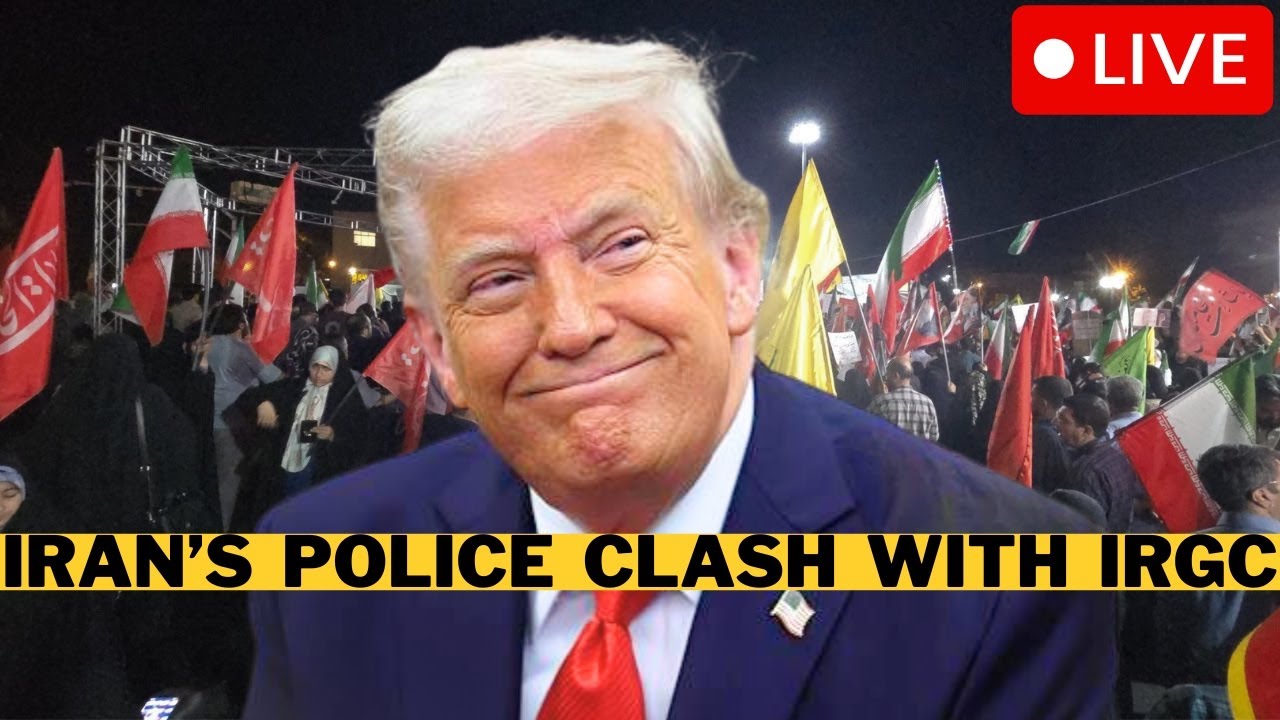
BREAKING: Protests ERUPT In Iran Over IRGC Surrendering To Trump - Infighting Clashes In Tehran
"Iran is experiencing severe internal infighting and protests as hardline IRGC elements clash with government figures over a perceived 'surrender' to the US, while mainstream Western media misrepresents the situation."
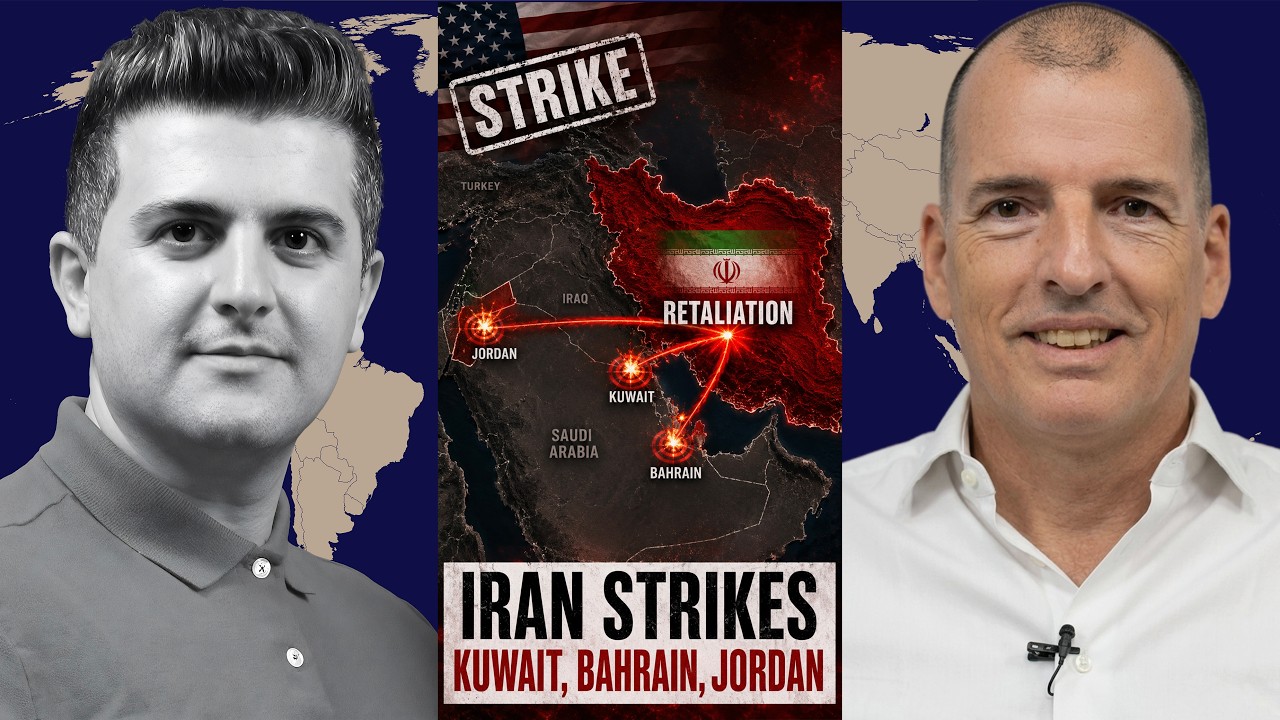
Alex Krainer: US STRIKES Iran – Iran RETALIATES Against Kuwait, Bahrain & Jordan!
"Amidst escalating US-Iran conflict and Iranian retaliation against regional US allies, this episode argues that US foreign policy is deeply controlled by an 'Anglo-Zionist conspiracy' led by the Rothschild banking dynasty, prioritizing Israeli interests over American ones."