BREAKING: U.S. INTERCEPTS Iran Drone Attacks; Tensions FLARE Amid Iran Deal Secrecy | TBN Israel
YouTube · tmt601hfVJo
Quick Read
Summary
Takeaways
- ❖Iran has launched UAVs nightly towards the Strait of Hormuz since the memorandum of understanding (MOU) was signed, with US forces intercepting them.
- ❖The agreement between the US and Iran is viewed by Israel as a 'ticking time bomb' that will not hold and could explode at any moment.
- ❖Israel has not received the full text of the US-Iran agreement, raising significant concerns about its implications for Israeli security and freedom of action, especially regarding Lebanon.
- ❖Hezbollah claims Iran promised no final nuclear agreement without an Israeli withdrawal from southern Lebanon, attempting to leverage the deal for its own strategic goals.
- ❖The draft MOU outlines an immediate end to war, lifting naval blockades, economic reconstruction for Iran ($300B), waivers for oil exports, and release of frozen funds, all before final nuclear monitoring.
- ❖Israel fears the deal allows Iran to gain time, money, and leverage, potentially recognizing Iran's control over shipping lanes and enabling its proxies.
- ❖The Israeli IDF is preparing for a 'next round of fighting' against Iran, building a target bank across the Middle East, indicating a lack of optimism about the agreement's long-term stability.
Insights
1Iran's Continued Provocations Amidst Deal Negotiations
Despite the ongoing negotiations and the electronic signing of a memorandum of understanding with the United States, Iran's Revolutionary Guards continue to launch UAVs nightly towards shipping routes in the Strait of Hormuz. American forces are actively intercepting these drones, highlighting Iran's persistent testing of defensive systems and its use of the strait as a 'global pressure tool' even while discussing peace.
An official American source stated that since the electronic signing of the MOU, multiple UAV launchers have been carried out every night towards shipping routes in the area. American forces deployed in the area are succeeding in intercepting the aircrafts before they pose a real threat. (, )
2Secrecy and Israeli Exclusion from Deal Details
Israel has not received the full text of the US-Iran agreement, despite requests, leading to significant anxiety in Jerusalem. The lack of transparency fuels Israeli concerns that the broad agreement, which includes Lebanon, economic relief, and a nuclear status quo, could severely limit Israel's freedom of action against its terror proxies and compromise its security interests.
In Jerusalem, they admit that they still have not received the full text of this agreement even though they asked for it. This worries the political echelon because if Washington and Tehran are moving towards a broad agreement which also includes Lebanon, removal of the blockade, economic relief and a nuclear status quo, it leaves Israel in a precarious position. (, )
3Hezbollah's Leverage and Demands for Israeli Withdrawal
Hezbollah claims to have received guarantees from Tehran that a final nuclear agreement with the United States will not be signed without an Israeli withdrawal from southern Lebanon. This indicates Iran's strategy to use its proxies' demands as bargaining chips in the broader negotiations, effectively turning Israel's security presence into a clause in the nuclear talks.
Hezbollah declared this morning that Iran promised not to sign a final nuclear agreement with an Israeli withdrawal from Lebanon. Hezbollah admits that the current memorandum does not bring an immediate withdrawal, but claims this will be one of Iran's demands in future negotiations. (, )
4Economic Relief Precedes Nuclear Concessions in Draft Deal
The leaked draft memorandum of understanding prioritizes immediate economic relief for Iran, including waivers for oil exports, release of frozen funds (tens of billions of dollars), and a $300 billion reconstruction program, all before a final agreement on nuclear issues or enriched materials leaves the country. This 'first relief, then concession' approach is seen as a dangerous reversal of priorities, empowering Iran economically without securing its full nuclear compliance.
Clause 10 states Washington will allow Iran to renew oil exports. Clause 11 speaks about releasing frozen Iranian assets and funds, involving tens of billions of dollars. Clause 13 indicates final negotiations begin only after guarantees for key clauses like lifting blockades, oil waivers, and fund releases are implemented. (, , )
Lessons
- Monitor official statements and leaked drafts of the US-Iran agreement closely, paying attention to clauses concerning regional military activity and economic sanctions relief.
- Analyze the sequence of concessions in any emerging deal: if economic relief and lifting of blockades precede verifiable nuclear disarmament, assess the increased risk of Iran gaining leverage and resources.
- Evaluate the implications of any agreement on regional proxies like Hezbollah; specifically, if the deal implicitly or explicitly limits a nation's ability to act against terror organizations.
Notable Moments
US forces intercepting Iranian UAVs in the Strait of Hormuz nightly since the MOU signing.
This demonstrates Iran's continued aggressive posture and testing of international resolve, even as diplomatic efforts for a peace agreement are underway, undermining the spirit of the deal.
Hezbollah's public declaration that Iran will not sign a final nuclear agreement without an Israeli withdrawal from Lebanon.
This reveals how Iran's proxies are attempting to leverage the nuclear negotiations to achieve their own strategic goals, directly impacting Israel's security and sovereignty in the region.
Trump's public criticism of Israel's actions in Lebanon, calling strikes 'excessive' and urging Netanyahu to be 'more responsible'.
This signals a potential shift in US-Israel relations and a clash of interests, where US diplomatic priorities might override Israel's security concerns, especially if Lebanon is integrated into the broader US-Iran understanding.
Quotes
"The agreement between Iran and the United States will not hold. It is a ticking time bomb that could explode at any moment."
"In the IDF, they estimate that it is only a matter of time, days, weeks, maybe a little more until this whole story blows up in the Americans face."
"If Iran receives the ability to sell oil before a final nuclear agreement and before the enriched materials leaves its country, then the order of operations is reversed. First relief, then concession, first money, then monitoring, first maritime traffic, then nuclear questions."
"If in all three Iran keeps leverage for itself, then the agreement does not close this war. It only rearranges it."
Q&A
Recent Questions
Related Episodes

BREAKING: Iran Threatens To END Talks; U.S. Vows Retaliation; Hezbollah Collapsing? | TBN Israel
"Iran is leveraging Hezbollah and the Strait of Hormuz to manipulate US negotiations, while Israel asserts its right to dismantle Hezbollah's eroding but still dangerous infrastructure in Lebanon, independent of international talks."

Patrick Henningsen: Hezbollah JUST Fired Back at Israel - Iran Vows to “Crush” All Attacks
"Patrick Henningsen argues that the US and Israel initiated an illegal war against Iran, driven by Trump's incompetence and Israeli influence, leading to an inevitable escalation with severe global economic repercussions."
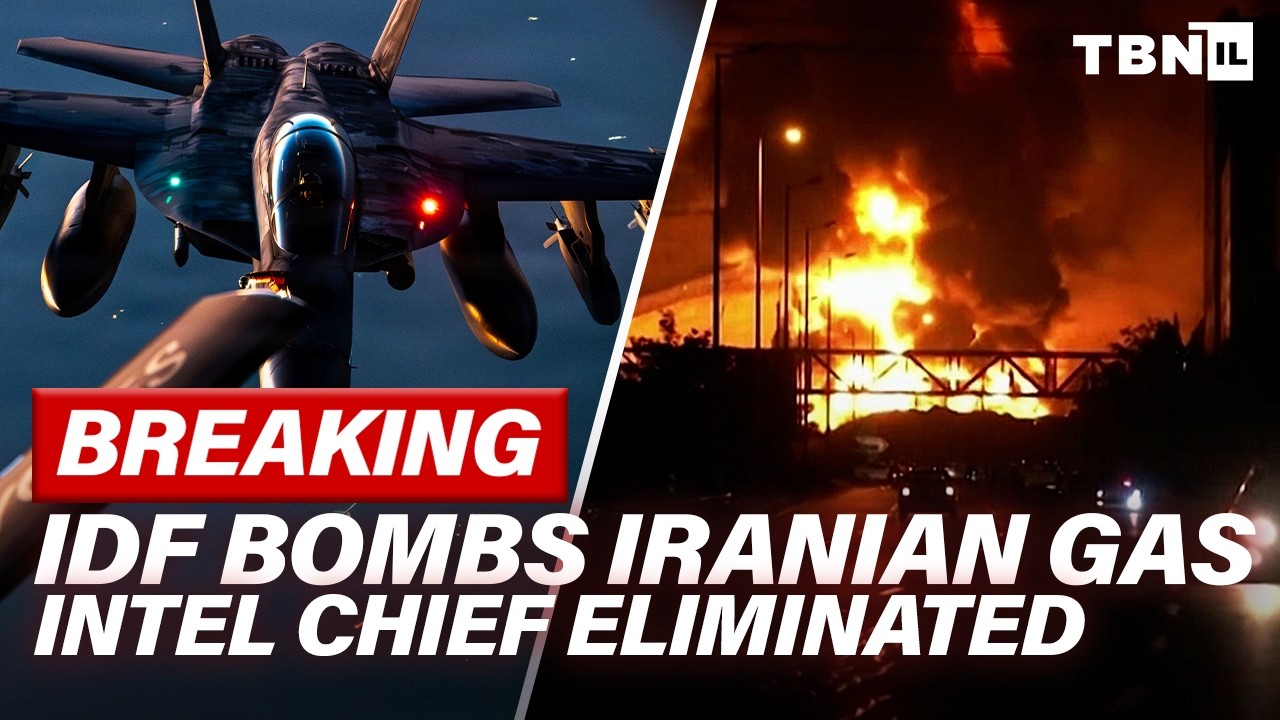
BREAKING: Israel BOMBS Major Iran Gas Site; Top Mullah ELIMINATED; Iran Vows VENGEACE | TBN Israel
"Israel and the United States have escalated their 'Roaring Lion War' against Iran, striking its largest gas facilities, eliminating key intelligence and military figures, and disrupting missile production, while Iran threatens a broader energy war in the Gulf."
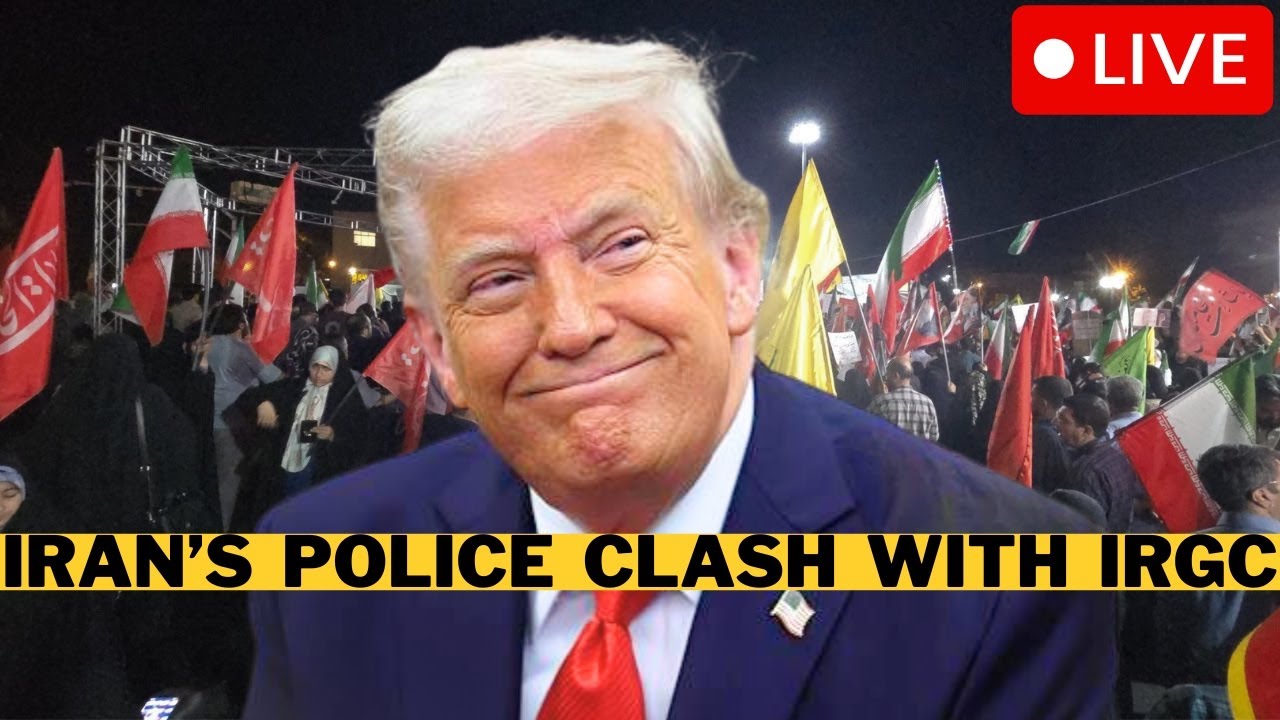
BREAKING: Protests ERUPT In Iran Over IRGC Surrendering To Trump - Infighting Clashes In Tehran
"Iran is experiencing severe internal infighting and protests as hardline IRGC elements clash with government figures over a perceived 'surrender' to the US, while mainstream Western media misrepresents the situation."