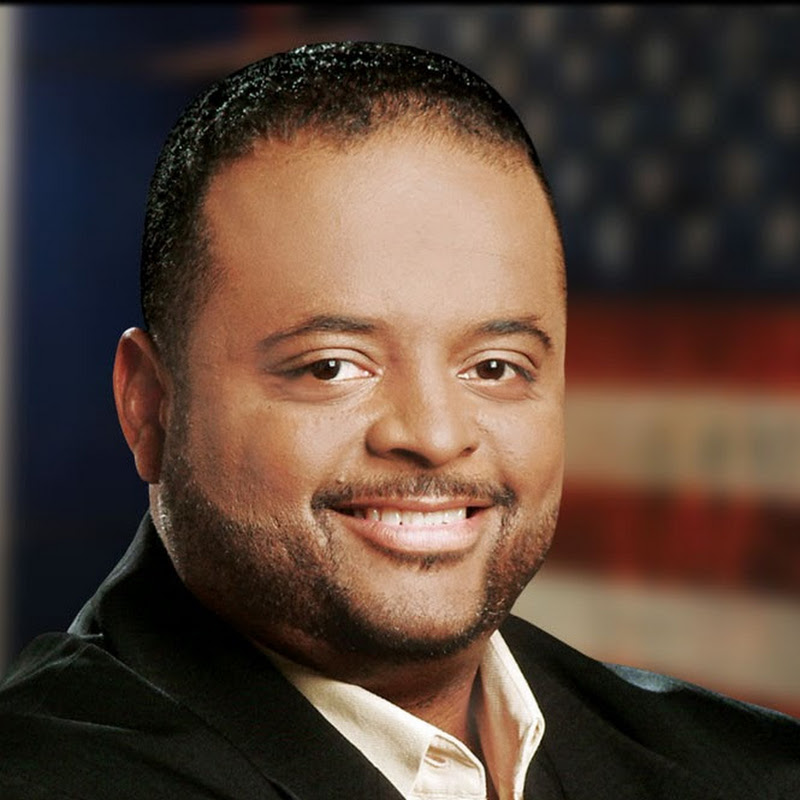
Justin Fairfax murder-suicide. Black Male Psychologists break it down
YouTube · tn_AqUCNNWg
Quick Read
Summary
Takeaways
- ❖Justin Fairfax's murder-suicide was preceded by a 'narcissistic injury cascade' involving political defeat, sexual assault allegations, financial issues, alcoholism, and a bitter divorce with custody loss.
- ❖Black men face immense pressure to suppress emotions, leading to untreated mental health issues and a higher risk of implosion.
- ❖The traditional mental health system is ill-equipped for Black men, with only 4% of psychologists being Black men and a lack of culturally relevant approaches.
- ❖Vulnerability is a strength, not a weakness, for men's mental wellness, allowing for stress reduction and access to coping mechanisms.
- ❖Community spaces like churches, barber shops, and fraternities can serve as vital 'first responder' hubs for mental health support among Black men.
- ❖Sleep deprivation is a major predictor of suicidal ideation, drastically impacting mood and clear thinking.
Insights
1The 'Fallen High Status Black Man' Phenomenon
Justin Fairfax exemplifies the 'fallen high status Black man' phenomenon. He was a public figure who lost everything publicly, including his political career, law firm job, and family stability. This public downfall, coupled with private struggles like alcoholism and a bitter divorce, created an intolerable level of stress. The inability to prove his innocence or be found guilty left him in a 'no man's land,' fueling anger and a sense of injustice.
Dr. Alwin Tart describes Fairfax as an 'individual who could not handle the destruction of his political career which impacted the personal career.' Roland Martin details Fairfax's rise (US attorney, Lt. Governor, potential presidential candidate) and fall (sexual assault allegations, loss of job, divorce, custody battle).
2Barriers to Mental Health for Black Men
Black men face significant systemic and cultural barriers to accessing mental health care. There is a severe shortage of Black male psychologists (only 4%), making it difficult to find trusted, culturally competent therapists. Culturally, men are often taught to 'cowboy up' and suppress emotions, viewing vulnerability as a weakness, especially for public figures who fear it could disqualify them from leadership roles. This leads to suffering in silence, which can exacerbate mental health conditions.
Dr. Tart states, 'There's only 4% of psychologists are black men. 4%. So who could he go to and trust?' He adds, 'A lot of times men would say, 'Hey, that makes me weak.' If someone found out I was seeing a psychologist, would that disqualify me as mentally stable or mentally strong or able to govern?'
3The Link Between Untreated Male Mental Health and Domestic Violence
The podcast argues that domestic violence often stems from untreated male mental health issues, including ego, narcissism, anger, selfishness, and post-traumatic stress. By focusing solely on domestic violence from a female perspective, society misses the opportunity to address the root causes in men. Understanding why a man is angry or triggered is crucial for intervention and prevention.
Roland Martin states, 'If you do not address the mental health issue, then it's going to lead to domestic violence.' He later adds, 'If we do not confront domestic violence from a male perspective, then we're not getting at the individuals who are largely committing domestic violence.'
4Community-Based Mental Health as a Solution
Traditional one-on-one therapy is often insufficient or inaccessible for Black men. A more effective approach involves integrating mental health support into existing community structures where men already gather, such as churches, barber shops, gyms, and fraternities. These 'doing together' spaces can be transformed into 'being moments' where men feel safe to be vulnerable, share their struggles, and receive peer support without judgment. This 'Afrocentric' model emphasizes communal healing and early intervention.
Dr. Washington suggests, 'We have to better do a better job of as therapists is have a presence in spaces where we are doing together.' Dr. Tart mentions, 'The number one place that is shifting... is in the church. It is now the number one mental health delivery system to men.' He also highlights barber shops and gyms.
Opportunities
Culturally Competent Mental Health Training for Barbers
Develop and implement training programs for barbers to act as 'early responders' to mental health challenges in their clients. This would involve teaching mental health literacy, how to identify signs of distress, and how to gently encourage men to seek further help or connect them with resources. This leverages the trusted relationship many Black men have with their barbers.
Men's Mental Wellness 'Doing Together' Initiatives
Create and market mental wellness programs that integrate therapy and support into activities men typically engage in, such as fishing trips, sports leagues, or cigar lounges. These initiatives would provide structured opportunities for men to connect, share, and discuss their mental health in a comfortable, non-traditional setting, reframing counseling as a 'mental strength training' rather than a sign of weakness.
AI-Powered Confidential Mental Health Chat for Men
Develop an AI chatbot specifically designed for men to discuss mental health issues anonymously and without perceived judgment. Research indicates men are more willing to open up about sensitive topics like sexual orientation, suicidal ideation, and feelings of inferiority to an AI. This could provide a crucial first step for men hesitant to engage with human therapists, offering resources and de-escalation techniques.
Key Concepts
Narcissistic Injury Cascade
This model describes a series of compounding blows to an individual's ego and self-worth, particularly relevant for high-achieving individuals. In Fairfax's case, it included sexual abuse allegations, political defeat, IRS issues, alcoholism, and the loss of family/custody, leading to an overwhelming sense of loss and hopelessness.
Ubuntu in Psychotherapy
Rooted in the Zulu phrase 'Umuntu ngumuntu ngabantu' (a person is a person through other people), this model emphasizes interconnectedness and community for healing. It posits that individual well-being is tied to the collective, advocating for communal approaches to mental health where healing one person can have a communicative exchange to others, fostering shared responsibility and support.
The Body Keeps Score (Emotional Suppression)
This concept, referenced by Dr. Tart, highlights that suppressed emotions and unaddressed trauma accumulate in the body, leading to physical and psychological distress. For men, particularly Black men, cultural pressures to 'cowboy up' and avoid vulnerability can lead to internal 'rumination' and increased anger, eventually imploding or externalizing in destructive ways.
Lessons
- As a man, prioritize vulnerability as a strength; openly discuss your pain and struggles to decrease stress and prevent escalation to destructive behaviors.
- If you know a man struggling, be a 'first responder': check in deeply, ask 'On a scale of 1 to 10, how happy are you with your life?' to encourage honest sharing, and offer concrete support like accompanying them to appointments or providing temporary housing.
- Actively seek out or create community spaces (churches, fraternities, barber shops, gyms) where men can gather, share experiences, and support each other's mental well-being without judgment.
- If experiencing prolonged sleep deprivation (30-60 days consistently), recognize it as a critical warning sign for depression and suicidal ideation, and seek immediate professional help.
- Advocate for and support mental health initiatives that are culturally competent and meet men where they are, rather than expecting them to conform to traditional therapy models.
Notable Moments
Roland Martin's strong stance on discussing male mental health in the context of domestic violence, despite pushback.
This highlights the societal resistance to addressing male-centric aspects of domestic violence and the host's commitment to a holistic, preventative approach.
Dr. Kevin Washington sharing his personal experience with suicidal thoughts during his divorce.
This moment normalizes the experience of mental health struggles, even for professionals, and underscores the importance of reaching out and finding value beyond external circumstances.
The revelation that men are more likely to open up about deep struggles to AI chatbots than to other people.
This points to the profound impact of stigma and the need for non-judgmental, accessible avenues for men to express their feelings, even if unconventional.
Quotes
"If you do not address the mental health issue, then it's going to lead to domestic violence."
"The stronger the if we're talking about mental wellness, our mental fitness is actually to be vulnerable about what's going on."
"If I cannot express this out in the world to someone as how I'm frustrated, it often may implode within our homes."
"Vulnerability is a strength because then you can name it. And when you can name it, I'm depressed."
"Men evaluate themselves all the time on the external. We provide, we profess, we protect with our families, we're judged on money, job success, so forth and so on."
"When we roam free in our heads with no adult supervision, that's a Dr. Ajan Lean, we cause a lot of problems."
"You are not defined by your job. You are not defined by your paycheck. You are not defined, your life is not defined by what other people say about you."
"On a scale of 1 to 10, when it comes to life satisfaction, that means how happy you are in your life and with your life, on a scale of 1 to 10, how happy are you? Roll into this every day, almost every single man is honest. A three, a four."
"I need folk to understand that men are literally yelling and screaming, 'I need help.' But you can't hear it because they don't yell and scream the same way women do."
Q&A
Recent Questions
Related Episodes

Amanda Knox and John Ramsey - Megyn Kelly's "Double Feature" of Fascinating Interviews
"This episode features two individuals, Amanda Knox and John Ramsey, whose lives were irrevocably altered by tragic crimes and subsequent wrongful accusations, revealing systemic failures in justice and media manipulation."

Sadhguru - Stop Letting Your Mind DESTROY You | SRS #315
"Sadhguru challenges conventional wisdom on 'being in the moment' and stress, arguing that mastering the mind requires understanding its sophisticated design and consciously directing one's internal chemistry for profound well-being."

Every Time You Think This Story Can't Get Weirder—IT DOES | The Trio
"A bizarre tale unfolds in MAGA D.C. as a Students for Trump founder and his associate are arrested, revealing a two-week-long Secret Service impersonation scheme involving fake badges, club entry, and claims of ordering airstrikes."

Jimmy Kimmel Gets Emotional Admitting Political Differences w/ Adam Carolla
"Dave Rubin, Dr. Drew, and Sage Steele discuss how personal relationships can transcend political divides, critique LA's failed homelessness policies, and debunk media-fueled public health scares, all while sharing personal stories of overcoming financial struggles."