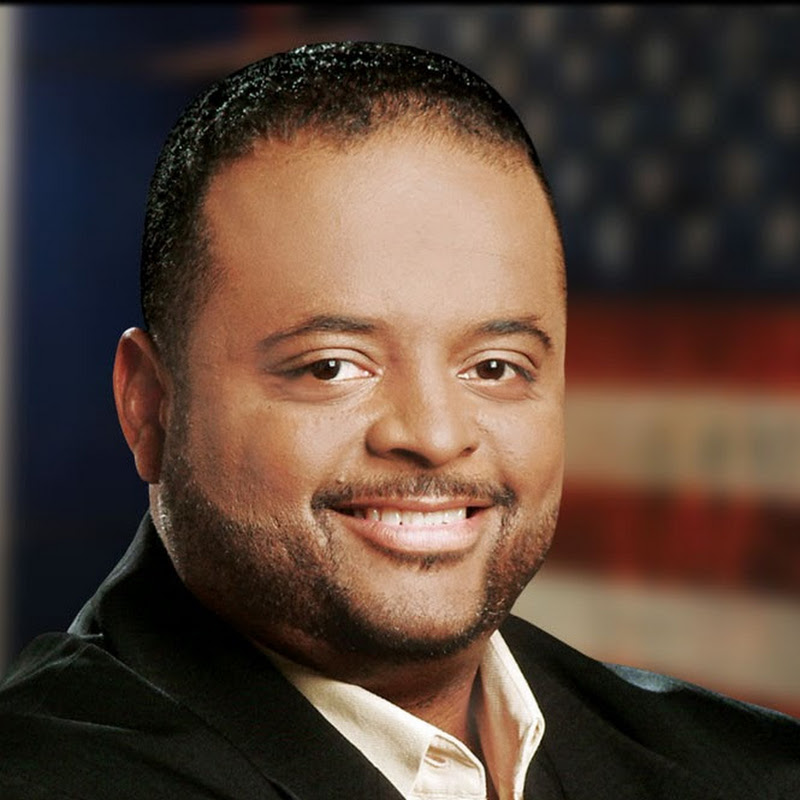
Not On Our Watch: A National Town Hall On Press Freedom
YouTube · uWYxeo9I1b4
Quick Read
Summary
Takeaways
- ❖Recent arrests of journalists Don Lemon and Georgia Fort represent a dangerous escalation in the targeting of media by the administration, reminiscent of the Nixon era.
- ❖Press freedom is democratic infrastructure; its weakening places democracy itself at risk, turning reporting into a criminal conspiracy.
- ❖Independent journalists and journalists of color are disproportionately affected by these threats, often lacking the legal and financial resources of major media outlets.
- ❖Journalists on the ground need protective gear (goggles, gas masks, bulletproof vests) and access to legal and trauma support.
- ❖Covering protests in the U.S. has become one of the most dangerous assignments for journalists, with incidents of shoving, pepper-spraying, and being hit by projectiles.
- ❖The targeting of journalists creates a chilling effect, discouraging coverage of critical events and depriving the public of firsthand reporting.
- ❖U.S. actions against journalists set a global precedent, making it harder to advocate for imprisoned journalists in authoritarian countries.
- ❖Journalism education must adapt to train students in safety planning, protective equipment use, and navigating online harassment, skills once reserved for conflict zones.
- ❖The definition of 'journalist' has expanded with social media, but organizations track those identifying as journalists, with a history of publishing for public consumption, and engaged in news gathering.
- ❖Public support and collective action from journalism organizations, community leaders, and citizens are essential to protect press freedom and hold institutions accountable.
Insights
1Escalating Threats and Criminalization of Journalism
The arrests of journalists like Don Lemon and Georgia Fort for covering protests are framed as a 'dangerous escalation' by the Society of Professional Journalists. This involves using civil rights, conspiracy, and interference statutes to reframe legitimate reporting as criminal participation. This tactic is seen as a deliberate move by the administration to target media, creating a 'chilling effect' on journalists, especially those covering protests and civil unrest.
Roland Martin references arrests of Don Lemon and Georgia Fort by 'Donald Trump's Department of Justice' (). Aaron Hayne states, 'arrests and intimidation and retaliation and criminalization of coverage are no longer theoretical risks' (). Caroline Hendry from SPJ condemns 'arresting journalists under civil rights, conspiracy, and interference statutes... represents a very dangerous escalation' ().
2Vulnerability of Independent and Black Journalists
Independent journalists, small media companies, and Black-owned media lack the extensive legal and financial resources (e.g., large law firms, media liability insurance) that major media corporations possess. This makes them uniquely vulnerable to lawsuits and criminal charges, as defending against such actions can cost tens to hundreds of thousands of dollars, which is often beyond their budget. Black journalists disproportionately cover civil unrest, immigration, and police violence, placing them at higher risk.
Sheree Curry notes the added fear for independent journalists 'who do not have the same resources behind them as those who work for media outlets' (). Roland Martin highlights that 'a lot of independent journalists, small journalists, black own media, they don't have that' legal and insurance backing (). Trevor Tim states, 'for black journalists, we disproportionately are covering things like civil unrest, protests, immigration, right, police violence' ().
3U.S. Press Freedom Erosion Mirrors Global Authoritarian Trends
The current state of press freedom in the U.S. is described as 'imperiled,' with democratic norms eroding. Experts from organizations like CPJ and IWMF, which historically focused on journalists in war zones and authoritarian countries, now dedicate a significant portion of their work to U.S. safety trainings. This 'democratic backsliding' sends a message globally that prosecuting journalists is acceptable, undermining U.S. advocacy for press freedom overseas and creating a 'permission structure' for authoritarian rulers.
Elise Lee Munoz (IWMF) states, '85 to 90% of our safety work is in the United States' () and 'it's the first time that a person's immigration status has been included in our analysis of risk of a journalist' (). Katherine Jacobson (CPJ) notes 'US actions shape global norms. When American authorities prosecute journalists for covering protests, it sends a message to governments everywhere that this behavior is acceptable' (). Joel Simon (CUNY) observes, 'the first line of attack is against journalists and the media' in authoritarian creep, true in Russia, Venezuela, Hungary, Poland ().
4The Broadening Definition of 'Journalist' and Public Documentation
The internet has democratized news broadcasting, leading to an expanded definition of who is considered a journalist. While this includes professional journalists, it also encompasses content creators and ordinary citizens documenting events with cell phones. This broader participation, exemplified by individuals like Darnella Frazier filming George Floyd's murder, is crucial for accountability, especially when traditional media might be absent or when authorities attempt to control narratives. However, this also complicates protections and can lead to targeting of anyone documenting public officials.
Trevor Tim acknowledges the internet has 'democratized the ability of people to broadcast news whether they are a full-time professional journalist or not' (). Nicole Carr highlights Darnella Frazier's Pulitzer citation for filming George Floyd, noting that without her, the story 'would be unknown' (). Joel Simon states, 'so many people are out there practicing journalism informally and and their ability to document the activities of law enforcement is being utilized by traditional media' ().
Bottom Line
The current administration's approach to media, particularly the use of criminal charges for reporting, is characterized by 'cruelty is the point' and 'chaos is the point,' a significant departure from previous administrations, even those with high deportation numbers.
This shift indicates a deliberate strategy to instill fear and silence dissent, rather than merely enforcing laws. It suggests a more profound ideological attack on the role of a free press.
Journalists and the public must recognize this intentionality to effectively counter it, moving beyond traditional critiques to address the underlying authoritarian playbook. This requires communicating the 'why' behind the actions, not just the 'what'.
The presence of thousands of 'off-duty' ICE and Customs and Border Patrol agents, fast-tracked through recruitment and training, poses an unrecognized threat to communities, potentially overwhelming local law enforcement and operating with unknown standards.
This influx of federal agents, potentially lacking adequate training or oversight, creates a volatile environment where civil liberties, including press freedom, are easily disregarded. It also strains local police forces who must deal with the aftermath.
Investigative journalism is needed to expose the recruitment processes, training standards, and operational guidelines of these federal agencies, especially regarding their interactions with the public and journalists. Local leaders also need strategies to manage or push back against federal overreach.
Lessons
- **Stand with Black Journalists Publicly:** Follow their work, share it responsibly, and push back against challenges to their credibility or presence. Visibility is a form of protection.
- **Invest in Protective Institutions:** Support organizations like NABJ, Black-led newsrooms, and groups providing legal, safety, and professional resources for journalists.
- **Speak Up Where You Have Influence:** Leaders in newsrooms, classrooms, foundations, and community organizations should establish and review policies, protections, and partnerships for targeted journalists, identifying and addressing existing gaps.
- **Refuse Silence and Neutrality on Human Rights:** Recognize that press freedom does not defend itself; it survives because people actively choose to protect it. There is no room for neutrality when human rights are under attack.
- **Prioritize Safety Training and Resources:** Journalists, especially independent ones, should seek out and utilize free resources for physical, digital, psychological, and legal safety, including protective gear, legal hotlines, and trauma support.
Notable Moments
Sheree Curry (NABJ Minnesota) details the personal and professional toll on journalists of color covering local stories, highlighting needs like protective gear, food, and bulletproof vests due to physical threats and arrests.
This illustrates the immediate, tangible dangers and psychological burden faced by journalists, particularly those embedded in the communities they report on, underscoring the shift from theoretical risks to real-time threats.
Nicole Carr (Journalist, Author, Professor) draws a historical parallel between Hoover's FBI targeting Black journalists during WWII and current threats, noting Black journalists' unique ability to cover events like the Holocaust due to their understanding of Jim Crow.
This provides crucial historical context, demonstrating that attacks on Black journalists are not new, and highlights their historical role in providing accurate, often overlooked, reporting in times of crisis, while also challenging the notion of neutrality in human rights issues.
Nick Valencia (Independent Journalist) shares his experience of being first on scene after Alex Pretty's killing, emphasizing the power of independent media and the military-style tactics used against activists and journalists.
This highlights the agility and critical role of independent journalists in breaking news and providing immediate, unfiltered coverage, while also exposing the escalating, militarized response from authorities that directly impacts their ability to report.
Jerome Richardson, a student journalist who assisted Don Lemon, shares a video plea detailing his targeting by the Department of Justice, anticipating federal custody, and requesting support for his legal defense fund.
This personal account from a young, aspiring journalist starkly illustrates the 'chilling effect' of these arrests, showing how even assisting a reporter can lead to severe personal and legal consequences, potentially deterring future generations from pursuing journalism.
Quotes
"Press freedom is not just a professional perk. It is democratic infrastructure. And when it is weakened, democracy itself is placed at risk."
"If proximity to a protest, advance awareness of a protest or real time reporting, live streaming something can be reframed as criminal conspiracy, that's very dangerous to our first amendment rights uh and our press freedom."
"In the United States, covering a protest is is probably one of the most dangerous things um a reporter can do."
"It's the first time that a person's immigration status has been included in our analysis of risk of a journalist. I mean, imagine uh where we've come."
"The way the press is treated is frequently an indicator of a healthy democracy. In the United States, the free press is imperiled and democratic norms are eroding."
"I always maintain that if we as a collective... had stood up for the uh April Ryans, the way Jaangs, the the Jim Acastas as a collective... and not accepted that from this man in this administration... perhaps we wouldn't be where we are now. We have largely fed this beast."
"Cruelty is the point. Chaos is the point. It's part of the system. And and that's what's significantly different. In any other country, we would be saying secret police target ethnic minority. That would be the headline."
Q&A
Recent Questions
Related Episodes
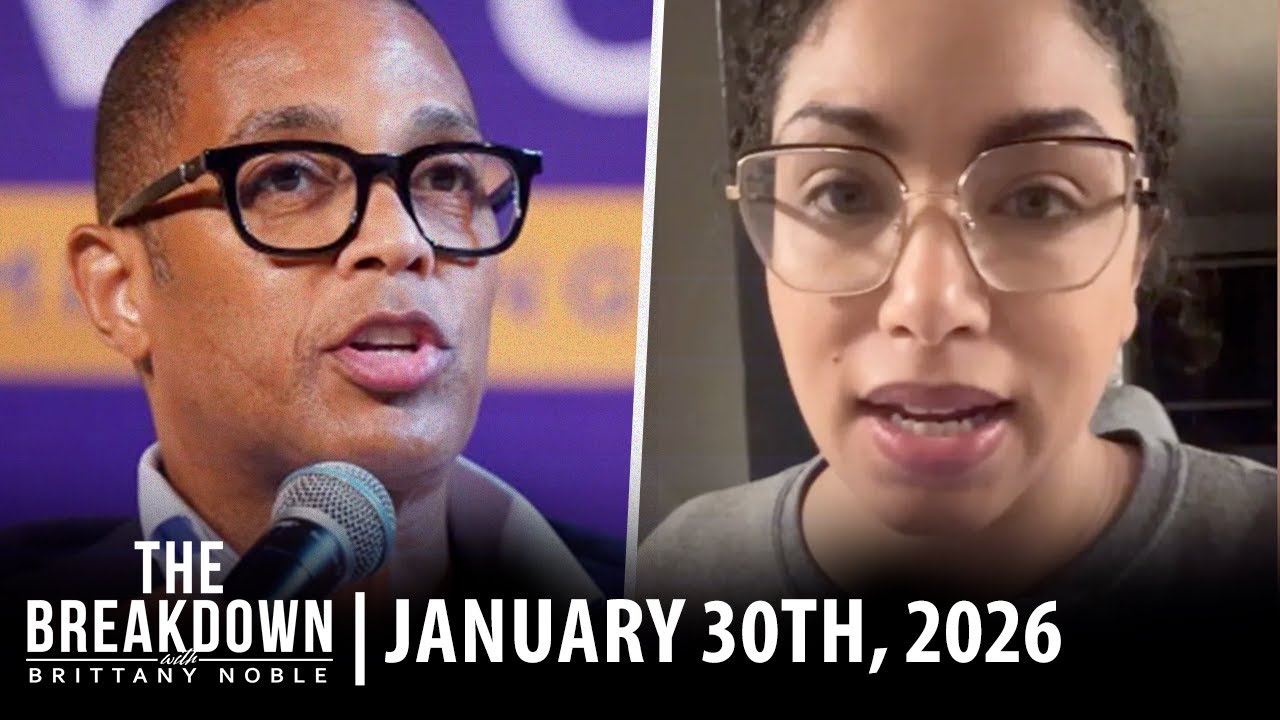
rump’s DOJ arrests journalists Don Lemon, Georgia Fort
"Federal agents arrested prominent journalists Don Lemon and Georgia Fort for covering a church protest, sparking widespread condemnation and raising critical questions about First Amendment rights and the weaponization of the Justice Department."
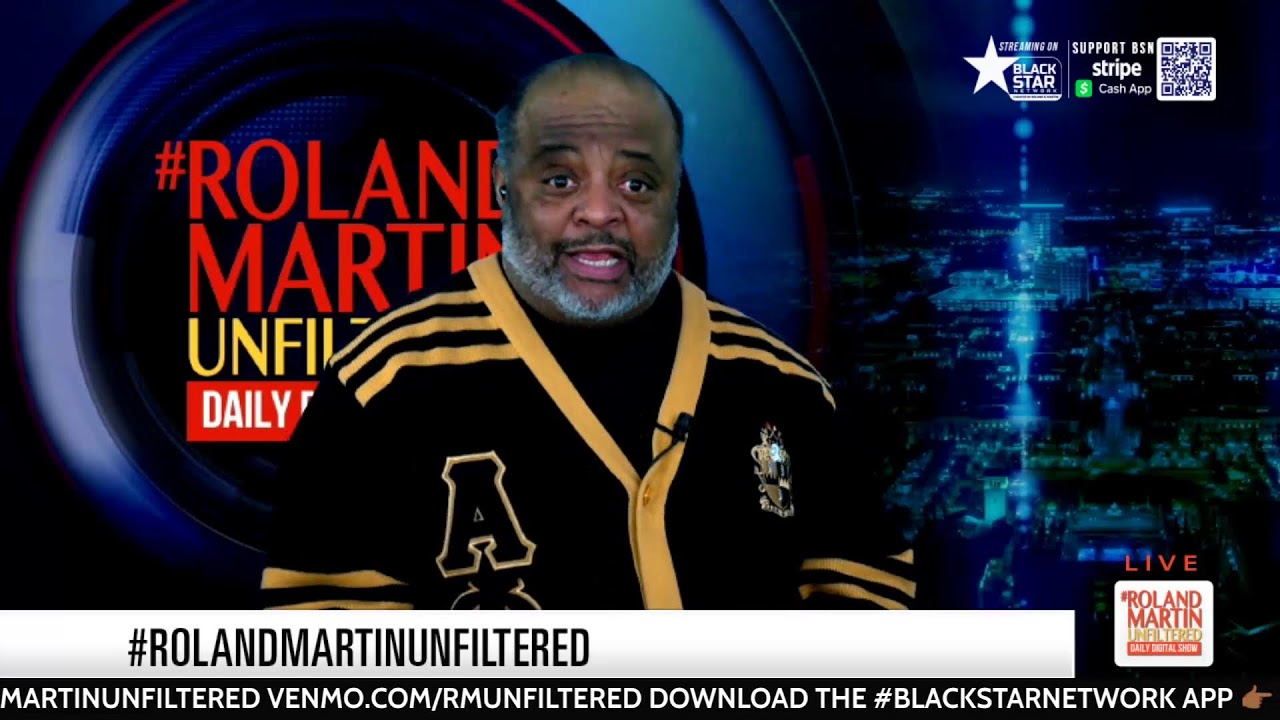
Don Lemon, Georgia Fort Arrested Over Church Protest. Press Freedom on the Line Under Trump.
"The Trump administration's arrest of journalists Don Lemon and Georgia Fort for covering a church protest is framed as a direct assault on press freedom and a calculated distraction from the release of damaging Epstein files."

CNN And Liberal Media LOSE THEIR MINDS Over Don Lemon Arrest As DEVASTATING INDICTMENT GETS UNSEALED
"The host dissects the Don Lemon indictment, arguing it proves Lemon was an active co-conspirator in a church protest, not a passive journalist, and predicts his conviction despite 'liberal media' claims of racism and press freedom violations."

LIVE: Epstein BOMBSHELLS and Trump’s ATTACK on US LAWS!! | Legal AF
"The hosts dissect alleged bombshells from the Epstein document release, the controversial FBI raid on Georgia election offices, and the arrest of journalist Don Lemon, framing these events as a coordinated assault on the rule of law and independent media by the Trump administration."