
Killer Cases: Airman Murders Mennonite Woman In Twisted Fantasy
YouTube · vN6AdQlhOG8
Quick Read
Summary
Takeaways
- ❖Sasha Krause, a 27-year-old Mennonite woman, disappeared from her church in Farmington, New Mexico, on January 18th.
- ❖Her body was discovered a month later, 250 miles away near Sunset Crater outside Flagstaff, Arizona, with hands bound and a fatal gunshot wound to the head.
- ❖The Mennonite community's non-use of technology made the initial missing person investigation challenging, requiring traditional methods.
- ❖Cell phone data analysis was the critical breakthrough, showing Sasha's phone traveled the same path as a single other phone, leading to Airman Mark Gooch.
- ❖Mark Gooch, raised Mennonite, initially lied about his travel but later admitted to visiting Mennonite churches in New Mexico.
- ❖Text messages and testimony from Gooch's brother, Sam, revealed Mark's animosity and 'grudge' against the Mennonite community, suggesting a motive.
- ❖Gooch attempted to cover his tracks by detailing his car and asking a friend to hide his .22 caliber rifle, which was later identified as the murder weapon.
- ❖Mark Gooch was found guilty of first-degree murder and kidnapping, and sentenced to natural life in prison.
Insights
1Challenges of Investigating in a Non-Technological Community
The Mennonite community's adherence to a simple, non-technological lifestyle, including limited use of cell phones and social media, significantly complicated the initial missing person and murder investigation. Detectives had to rely on '1950s style investigation' methods due to the lack of digital footprints.
The host and detectives repeatedly mention the difficulty in gathering information due to the Mennonite community's lifestyle, stating, 'We really had to go to a 1950 style investigation' and 'They do not use technology like most of us do today.'
2Cell Phone Data as the Critical Breakthrough
Despite Sasha's conservative lifestyle, her cell phone's ability to be tracked became the linchpin of the investigation. Analysis of cell tower pings revealed her phone's exact travel path from Farmington to the body's discovery site, and crucially, identified a single other phone that mirrored this exact route.
Detective Lauren Nagel states, 'Sasha, even though she was a conservative Mennonite, did have a cell phone, which did have the capability to be tracked, and that is where we started.' She details how 'only one phone that was in all of the areas that were pertinent to our investigation' matched Sasha's route.
3Perpetrator's Hidden Grudge as Motive
Mark Gooch, who grew up Mennonite but left the community, harbored a deep-seated animosity towards Mennonites. This grudge, revealed through text messages discussing 'surveillance on Mennonites' and expressing hope that a state trooper 'treated him like shit,' provided the prosecution with a motive for the otherwise senseless crime.
Sam Gooch, Mark's brother, testified that Mark 'had a grudge against the community,' and prosecutors presented text messages from Mark stating, 'I hope you treated him like shit' in response to a Mennonite receiving a ticket.
4Ballistic Evidence as Conclusive Proof
While much of the evidence was circumstantial, the prosecution secured a conviction based on definitive ballistic evidence. Expert testimony confirmed that the bullet removed from Sasha Krause's skull was fired from Mark Gooch's .22 caliber rifle, directly linking him to the murder.
The prosecutor stated, 'The defendant's rifle fired the fatal round to Sasha's head.' Later, a prosecution witness testified 'there was no doubt that Mark Gooch's rifle fired the bullet that killed Sasha Kraus.'
Lessons
- Law enforcement should be prepared for '1950s style investigations' when dealing with communities that eschew modern technology, requiring adaptable investigative strategies.
- Investigators must leverage all available digital forensics, as even minimal cell phone usage can provide critical data points to track movements and identify suspects.
- When a suspect's narrative conflicts with known facts, persistent questioning and strategic revelation of evidence can break down denials and elicit admissions, as demonstrated by Detective Nagel's interview with Mark Gooch.
Notable Moments
Discovery of Sasha Krause's body 250 miles from her home, bound and shot.
This discovery transformed a missing person case into a murder investigation, highlighting the extreme distance the victim was transported and the violent nature of her death, immediately suggesting criminal activity.
The breakthrough identifying Mark Gooch through matching cell phone travel data.
This moment was the turning point in a 'dead end' investigation, demonstrating the power of digital forensics to connect a suspect to a crime even when traditional forensic evidence is scarce or deliberately obscured.
Mark Gooch's demeanor change and request for a lawyer after learning his brother was being questioned.
This indicated Gooch's realization of the gravity of the situation and the potential for his brother to reveal damaging information, leading directly to his arrest.
The revelation of Mark Gooch's text messages expressing a 'grudge' against Mennonites.
These texts provided a crucial, albeit disturbing, motive for the crime, explaining the seemingly random targeting of Sasha Krause and strengthening the prosecution's case.
Quotes
"We really had to go to a 1950 style investigation due to the way the Mennonite community lives."
"There was only one phone that was in all of the areas that were pertinent to our investigation."
"I'm a little confused cuz at first you said you you hadn't traveled, but now did you go to New Mexico?"
"The defendant's rifle fired the fatal round to Sasha's head."
"This case is truly the most senseless case I have ever presided over."
Q&A
Recent Questions
Related Episodes
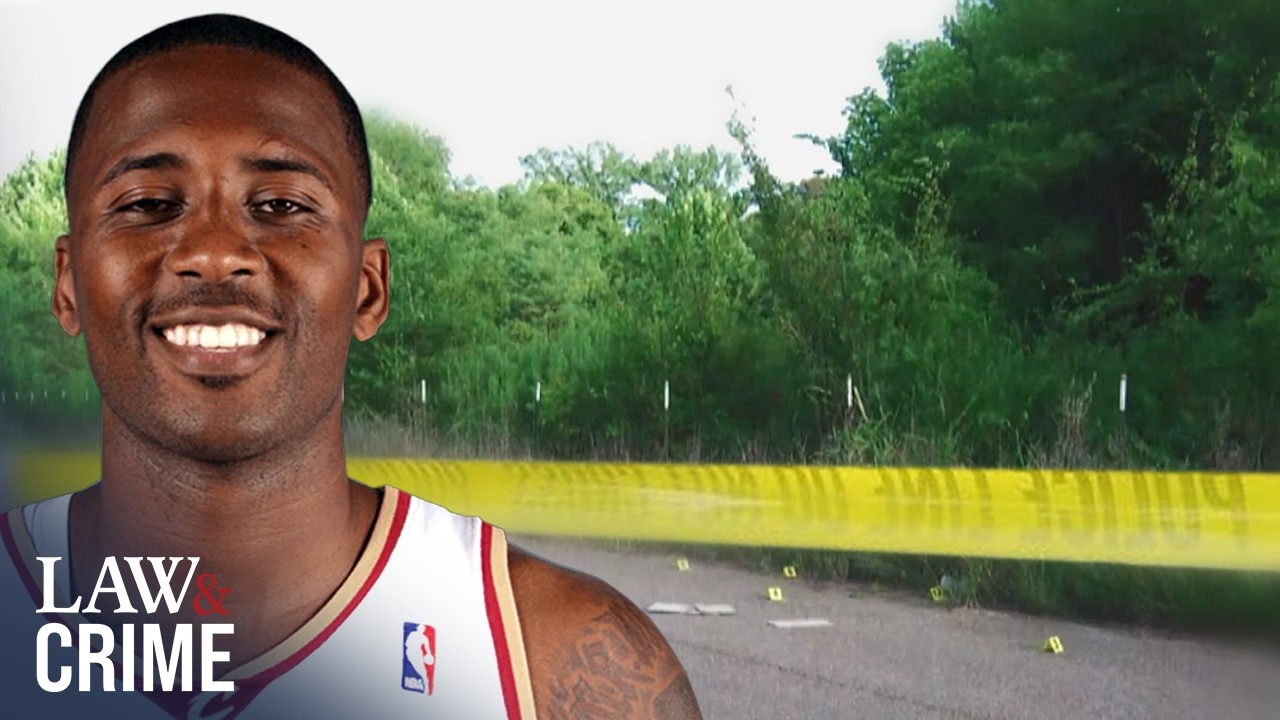
Killer Cases: NBA Star Lured to Execution In Rural Tennessee
"The decade-long cold case of NBA star Lorenzen Wright's murder was cracked through a persistent mother, a jailed informant, and a covert police operation that recovered the murder weapon from a lake and exposed a conspiracy driven by greed."
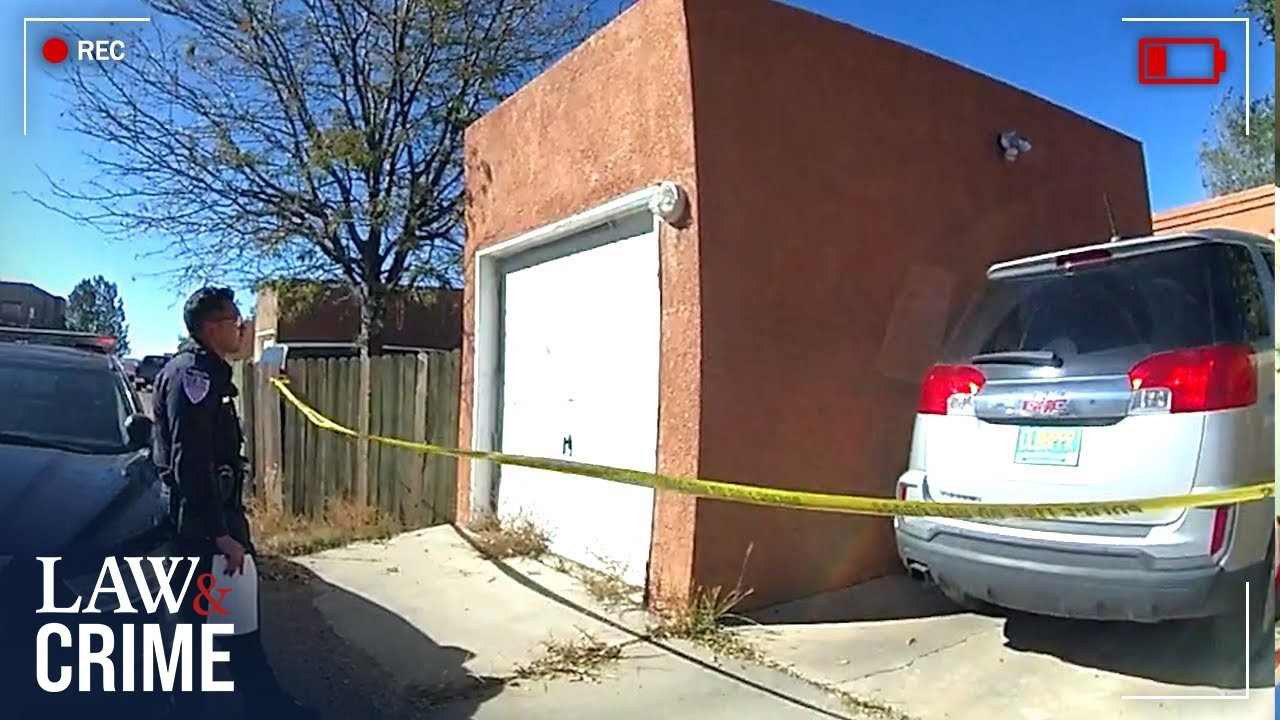
5 Most Wicked Murder Cases Caught On Bodycam
"Bodycam footage provides an unfiltered, real-time look into five brutal murder investigations, exposing the immediate aftermath of horrific crimes and the initial interactions with suspects and witnesses."

Widow Realizes Cops Know She Poisoned Her Husband
"A seemingly routine burglary unexpectedly unravels a year-old murder, exposing a mother-daughter poisoning plot and a chilling pattern of suspicious deaths."

Hell On Wheels: Mackenzie Shirilla's Double Murder Crash
"A seemingly accidental car crash that killed two young men in Strongsville, Ohio, was meticulously uncovered by investigators to be a deliberate act of double murder by the 17-year-old driver, Mackenzie Shirilla, amidst a tumultuous relationship and a shocking lack of remorse."