
6 'Thieves' Busted in the Act: Caught on Bodycam
YouTube · w-vICH6ao-0
Quick Read
Summary
Takeaways
- ❖Carrie Miller was caught stealing mail, targeting credit cards, with evidence including discarded mail matching the addresses of victims.
- ❖Mark Anthony Taylor attempted to deposit a $1 million fraudulent check using a stolen identity, detected by suspicious bank tellers and facial recognition technology.
- ❖Valerie Sahai used a lost debit card for thousands of dollars in fraudulent purchases at high-end stores, with the victim receiving immediate fraud alerts.
- ❖Malahigh Fuller Albury, a store employee, defrauded his employer of over $16,000 by processing fake returns to his personal debit card, exposed by an audit and surveillance video.
- ❖Kell McFersonson was arrested for picking up a food order placed with a stolen credit card, claiming a friend from Ohio ordered it for him.
- ❖Arian Leester and Lamisha Hillman, store employees, were caught on camera stealing over $3,000 worth of wigs from their workplace.
Lessons
- Individuals should actively monitor credit card and bank alerts, and consider using data protection services to safeguard personal information from online exposure.
- Businesses must invest in robust surveillance systems and implement stringent loss prevention protocols, especially in areas like returns and high-value merchandise, to deter and detect internal and external theft.
- Law enforcement effectively leverages digital evidence, including bodycam footage, store surveillance, and transaction data, for rapid suspect identification and building strong cases against offenders.
Notable Moments
Carrie Miller's attempt to deflect blame for mail theft by inventing a 'redhead' accomplice named Rachel, despite surveillance showing her alone.
Illustrates a common tactic of denial and misdirection by suspects, which is often easily disproven by digital evidence.
Mark Anthony Taylor's calm demeanor and persistent denial of bank fraud, even when confronted with evidence of a $1 million fraudulent check and stolen identity.
Highlights the audacity of some fraudsters and their commitment to a false narrative, even in the face of irrefutable proof.
Valerie Sahai's shifting stories about her presence and actions at Louis Vuitton, which quickly unraveled when officers referenced surveillance footage.
Demonstrates how video evidence provides a concrete timeline that exposes inconsistencies in a suspect's account.
Malahigh Fuller Albury's admission of 'just being dumb' after being shown surveillance video of him processing fake returns to his own card, totaling over $16,000.
Reveals the simplicity of some internal frauds and the often-underestimated power of consistent surveillance and auditing.
Kell McFersonson's increasingly convoluted story about a friend from Ohio ordering him food with a credit card, which police quickly debunked.
Shows how easily fabricated alibis fall apart when confronted with basic investigative checks and the victim's testimony.
Lamisha Hillman's frustration at being 'prolonged' by police and her insistence on needing to pick up her kids, despite being caught on video stealing wigs.
Exemplifies how some suspects attempt to shift blame or evoke sympathy, even when caught in the act of a serious crime.
Quotes
"What in the world would compel you to steal all that mail today? You're running around here looking like freaking Santa Claus."
"The problem with committing a crime in the digital age, the cameras capture everything."
"The only problem is is that all the surveillance footage that we obtained in the last hour from all these areas only show you, Miss Miller. They don't show any other redhead or anybody else with you."
"I'mma light you up, buddy. I'm telling you. You move. I'mma light you up."
"I just look at it like I one day I just seen it. I was like you could do it. But it wasn't like me thinking straight. Like I just did it just to do it."
"I didn't mean to. I just found it and I It was a stupid decision."
"I'm broke. Just as simple as that, man. I lost everything."
Q&A
Recent Questions
Related Episodes

Andrew Guthrie Ferguson on How Your Data Will Be Used Against You | Mindscape 347
"Modern smart devices create a 'self-surveillance trap,' generating vast amounts of personal data that law enforcement can access with minimal legal safeguards, fundamentally altering privacy in the digital age."

McDonald’s Credit Card Fraud Scheme | BandGang Javar
"BandGang Javar details his journey from a childhood marked by tragedy and crime to orchestrating sophisticated credit card fraud schemes, ultimately transitioning his expertise into legitimate businesses focused on fraud prevention and credit repair."

The Joe Budden Podcast Episode 939 | On Some Bro Shit
"The Joe Budden Podcast crew dives into personal grooming, the chaotic Knicks championship parade, the decline of unique cultural experiences, and controversial celebrity revelations, sparking lively debates on relationships, addiction, and public behavior."
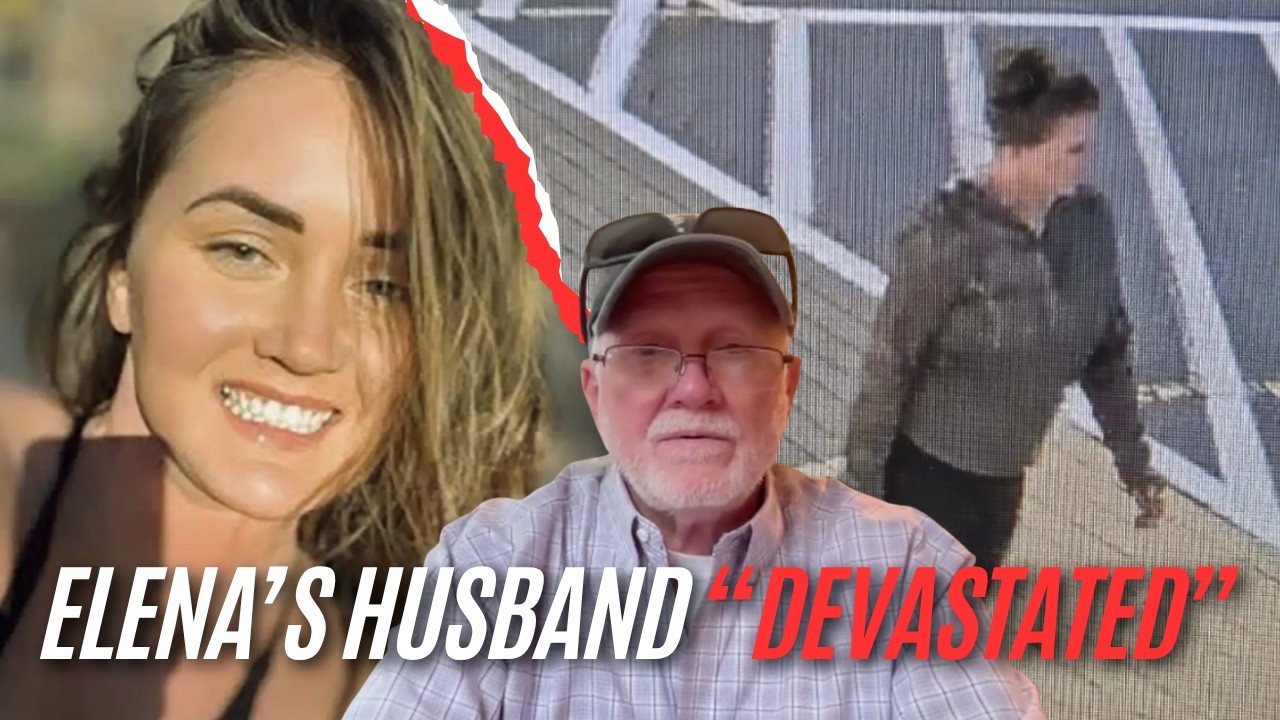
Elena Moore’s husband “not doing well” — planned on spending rest of his life with her, friend says
"Private Investigator Henry Dukes provides an update on the Alina Moore case, detailing the ongoing forensic investigation and defending Alina's husband against public speculation and claims of marital trouble."