
SAVANNAH GUTHRIE'S MOM MISSING: DAY 39
YouTube · xFY_QsJ7Oq4
Quick Read
Summary
Takeaways
- ❖The FBI is analyzing a 'black and gray' tattoo on the 'porch guy' suspect, a style prevalent among Southwestern gangs and prison populations.
- ❖Tattoo expert Darren Rosa suggests the suspect likely has full sleeves, hand, and neck tattoos due to the observed fragment and common patterns.
- ❖Forensic expert Jeffrey Gentry highlights tattoos as unique identifiers, advocating for public and artist assistance in recognition.
- ❖Pima County Sheriff's Department launched an online portal for easy public submission of video evidence, critical for expanding search perimeters.
- ❖Past cases like Brian Kohberger and Molly Tibbetts were cracked by crucial public surveillance video.
- ❖Ransom notes are a 'treasure trove' for behavioral analysis, revealing kidnapper intent (money vs. stalking) and unique 'affectations'.
- ❖Law enforcement often withholds specific ransom note details to use as unique identifiers when questioning suspects, preventing false confessions or copycat demands.
Insights
1Tattoo Analysis Reveals Suspect Profile and Origin
A sliver of a 'black and gray' tattoo on the suspect's wrist, seen in video, is a significant clue. Tattoo artist Darren Rosa explains this style is common in the Southwestern U.S., particularly among gangs and incarcerated individuals. The fine line work, shading with diluted black ink, and resilience to sun exposure are hallmarks. Rosa suggests the fragment indicates a larger 'sleeve' tattoo, likely extending to hands and neck, a common practice for those deeply embedded in gang culture or with long prison sentences.
Darren Rosa, a tattoo artist with 30+ years of experience, analyzed the tattoo, describing 'black and gray' work and its prevalence. He noted that inmates often develop sophisticated tattooing skills and access to equipment while incarcerated. Jeffrey Gentry, a certified forensics expert, corroborated the significance of hand/wrist/neck tattoos in profiling individuals, often indicating a lack of concern for professional appearance.
2Public Video Submissions are Case-Breaking Evidence
The Pima County Sheriff's Department issued an urgent plea for all residents in the surrounding area to submit any video footage, creating a simple online portal. This strategy is critical because initial assessments of video relevance can be incorrect, and footage can be overwritten if not secured quickly. Examples from high-profile cases like Brian Kohberger (white Elantra) and Molly Tibbetts (distinct SUV markings) demonstrate how public video has directly led to suspect identification and arrests.
Dave Mack, Crime Stories investigative reporter, detailed the new Pima County Sheriff's evidence submission portal. Digital forensics expert Scott Iiker emphasized the need to collect all video before it's lost. Brian Fitzgibbons, Director of Operations at USPA Nationwide Security, cited specific cases where public video was instrumental in solving homicides.
3Ransom Note Details Offer Deep Behavioral Insights and Unique Identifiers
The FBI's decision to withhold the ransom note's specific content is a strategic investigative tactic. Psychoanalyst Dr. Bethany Marshall explains that ransom notes are a 'treasure trove' for understanding kidnapper motivation (e.g., purely financial vs. stalking/obsession) and revealing 'affectations' or unique linguistic patterns. Forensic expert Jeffrey Gentry adds that withholding specific, unique details allows law enforcement to use them as 'pocket' questions during interrogation to confirm a suspect's guilt and prevent false confessions.
Dr. Bethany Marshall, a psychoanalyst, discussed how ransom notes reflect a criminal's psychology and intent, citing examples like Ted Kaczynski and BTK. Brian Fitzgibbons compared the length of Nancy Guthrie's note to Kaczynski's manifesto to explain why the FBI might withhold it. Jeffrey Gentry confirmed that unique identifiers in notes are kept secret to validate suspects.
Bottom Line
The sophistication of 'jail tats' has evolved significantly, with inmates gaining access to compact, advanced tattooing equipment and developing refined artistic skills while incarcerated.
This challenges the stereotype of crude prison tattoos, meaning law enforcement must consider that even 'professional-looking' tattoos could have been acquired during incarceration, potentially linking suspects to criminal records and networks.
Forensic analysis of tattoo styles and techniques needs to account for this evolving sophistication, potentially requiring more specialized tattoo artist consultation to distinguish between professional studio work and high-quality prison work.
The FBI maintains specialized units like the 'TAG' (Tattoo and Graffiti) sub-specialty at Quantico, which analyzes and databases tattoos for identification purposes, alongside state-level databases (e.g., Arizona's gang and tattoo database).
This indicates a highly organized, data-driven approach to using body art as a forensic tool, suggesting that even partial or obscured tattoos can be cross-referenced against vast criminal databases.
Developing AI-powered image recognition for tattoo fragments, integrated with these existing databases, could significantly accelerate suspect identification, especially for obscured or partial images from surveillance footage.
Key Concepts
Ink Therapy
The concept that individuals use tattooing as a form of emotional coping or stress relief, particularly during difficult life events like divorce or loss, or even seasonal depression.
The Forensic Value of Specificity
The principle that even minute, seemingly insignificant details (like a sliver of a tattoo or a specific word choice in a note) can be highly distinctive and serve as critical unique identifiers in criminal investigations, often more valuable when kept confidential by law enforcement.
Lessons
- If you reside in the greater Tucson area and have any surveillance video from around the time of Nancy Guthrie's disappearance, submit it immediately via the Pima County Sheriff's online portal.
- Understand that even seemingly insignificant details from a crime scene, like a partial tattoo or a specific phrase in a note, are critical forensic evidence that law enforcement strategically analyzes and sometimes withholds.
- Recognize that tattoos, especially those on hands, wrists, and necks, can provide significant clues about a person's background, geographic origin, and potential affiliations, and can be used as unique identifiers in investigations.
Leveraging Public Video for Crime Solving
Establish an easy-to-use, dedicated online portal for public video and photo submissions, ensuring it's accessible to all demographics (e.g., senior citizens less adept with technology).
Issue urgent, broad pleas for video from a wide geographical area, emphasizing that even seemingly irrelevant footage should be submitted before it's overwritten.
Utilize digital forensics experts to analyze submitted video, cross-referencing with other evidence (e.g., suspect descriptions, vehicle types) to identify patterns and generate leads.
Notable Moments
Savannah Guthrie's emotional public plea for help in finding her mother, Nancy Guthrie, on day 39 of her disappearance.
This moment humanizes the high-profile case, underscoring the family's desperation and directly appealing to the public for assistance, which can galvanize community involvement in the search.
Quotes
"Black and gray work is a very prevalent style... among gangs... Mexican people who might be in these gangs or cartels like to get black and gray."
"This is also the kind of... style of tattooing that withstands... heavy sun exposure... the southern western states get heavy sun exposure. So this style of artistry... can withstand... the elements."
"When you start looking at tattoos that are lower down on the hands and wrists, you start thinking about the people that get these tattoos and they are people like your tattoo artist said... they might have been in prison, they might be parts of gangs, they are most likely not testifying as a professional in court."
"Those ransom notes are a treasure trove of information... it can tell us what the intent or the motivation of the kidnap is."
"A lot of times when there is a police investigation and there is something specific... that the police do not want to release, it's usually because it's unique and it can be a unique identifier of this suspect."
Q&A
Recent Questions
Related Episodes
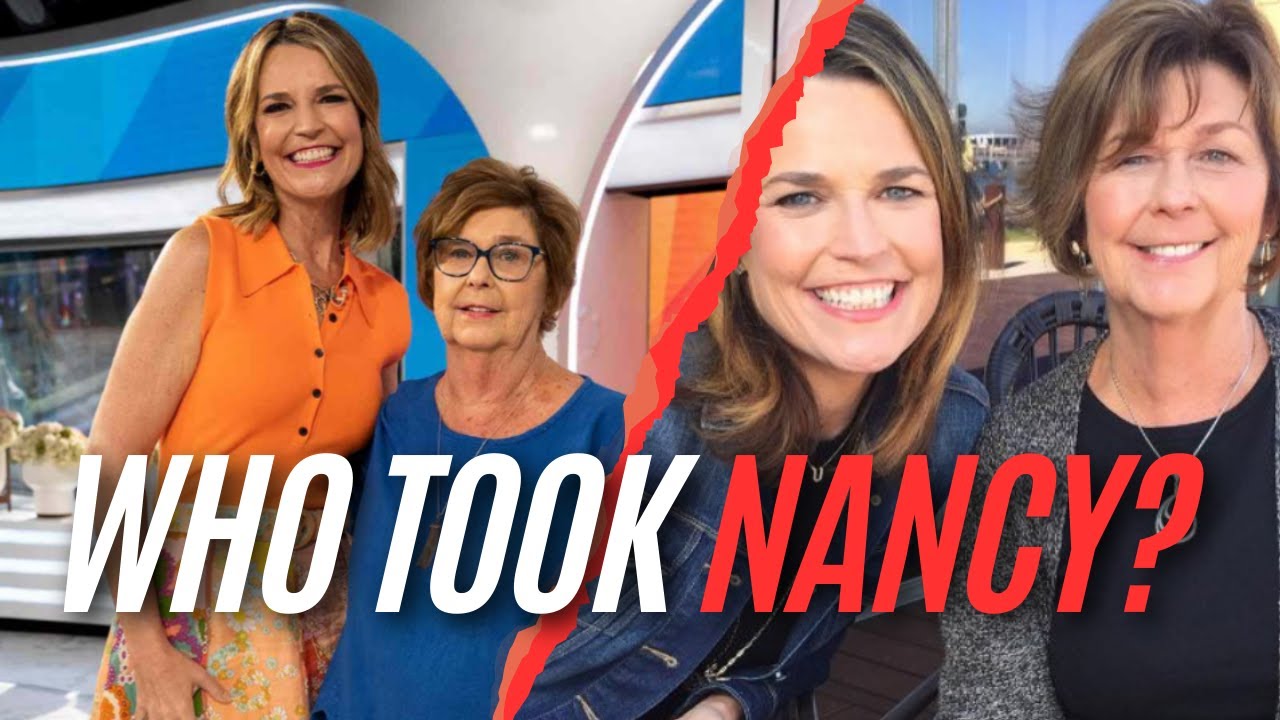
Who took Nancy Guthrie? Savannah Guthrie's mother missing and police call her home a crime scene
"The 84-year-old mother of TV host Savannah Guthrie has vanished from her Arizona home, with police declaring the residence a crime scene and suspecting foul play rather than a simple disappearance."
Killer Cases: NBA Star Lured to Execution In Rural Tennessee
"The decade-long cold case of NBA star Lorenzen Wright's murder was cracked through a persistent mother, a jailed informant, and a covert police operation that recovered the murder weapon from a lake and exposed a conspiracy driven by greed."

TEEN'S DNA REVEALED IN ANNA KEPNER'S R*** KIT
"The investigation into Anna Keaptainner's death on a cruise ship reveals shocking DNA evidence, a previously unknown male minor, and critical questions about evidence handling and family dynamics."

M&M's Employee Steals $26 MILLION (How He Did It)
"This episode details a series of white-collar crimes, from an M&M's sugar expert embezzling $26 million to a fake immigration attorney scamming undocumented immigrants, highlighting vulnerabilities in various systems and the surprising leniency of some sentences."