
TEPE MURDERS: FAKE ALIBI BUSTED, WIFE & NEW HUBBY MURDERED IN BED
YouTube · xL8B8x193H0
Quick Read
Summary
Takeaways
- ❖Dr. Michael McKe, a vascular surgeon, is charged with the murder of his ex-wife and her new husband.
- ❖McKe's alibi of being at the hospital was disproven by surveillance video and the 14-hour absence of his cell phone from his person.
- ❖He reportedly drove nearly seven hours to the crime scene, navigating via memory, indicating premeditation.
- ❖A clerical error in the court system, re-docketing his 2017 divorce case for 2025, is suggested as a potential trigger for the murders.
- ❖McKe's ex-girlfriend described him as emotionally distant, having a 'wall up,' and never discussing his adopted parents, which a psychologist linked to traits of psychopathy.
- ❖McKe is currently held in a newly built, 'biophilic' correctional facility designed for rehabilitation, sparking debate about its appropriateness for murder suspects.
Insights
1Fake Alibi and Digital Footprint Deception
Dr. Michael McKe attempted to establish an alibi by booking a sleep room at his hospital and leaving his cell phone there for 14 hours. Investigators, however, used surveillance video to contradict his story, showing him near the crime scene. The act of intentionally leaving his phone behind was interpreted as a deliberate attempt to avoid electronic tracking and create a false sense of presence.
Police found Dr. McKe's cell phone was left in a cot at OSF St. Anthony Medical Center for 14 hours (). Surveillance videos from the hospital and doorbell cams reportedly showed McKe in a private alley near the victims' home (, , ).
2Premeditation Evidenced by Travel and Knowledge of Locale
The suspect's actions, including a nearly seven-hour drive to the victims' home without GPS and using a private alley, strongly suggest a planned attack. His familiarity with the route and the specific, less-trafficked access points to the home indicates prior knowledge and surveillance.
McKe reportedly drove a nearly 7-hour route without GPS, knowing the way to his ex-wife's home (, ). Surveillance footage showed a person believed to be McKe 'skulking' in a private alley at the back of the Tepe's home, an area known to residents (, ).
3Psychological Profile: Emotional Detachment and Control
Testimony from McKe's ex-girlfriend, corroborated by a forensic psychologist, painted a picture of a man with significant emotional walls, an inability to connect deeply, and a lack of discussion about his adopted parents. These traits were linked to 'shallow affect,' characteristic of psychopathy, suggesting a pattern of viewing others as objects rather than individuals for genuine connection.
McKe's ex-girlfriend stated he never talked about his adopted parents and had a 'wall up,' preventing deep connection (, ). Dr. John Delator, a forensic psychologist, explained this as 'shallow affect,' a key indicator in psychopathy, where individuals can mimic emotions but lack true intimacy ().
4Clerical Error as a Potential Catalyst for Murder
A shocking revelation suggests that a simple clerical error in the court system, which re-docketed McKe's divorce case (settled in 2017) for a hearing in 2025, may have reignited his animosity and served as a trigger for the murders. Although the error was corrected, the initial notification could have been a significant stressor.
A clerical error in the court system's docket number resulted in the McKe divorce case, settled in 2017, being put on the docket for June 2025 with a scheduled trial date for September. This brought 'everything back to the forefront for McKe' ().
Key Concepts
Shallow Affect (Psychopathy)
Described as the ability to mimic emotions and empathy on a surface level without genuine connection. Psychopaths can appear highly intelligent but lack the deep emotional capacity to form intimate bonds, often viewing others as objects to control or break. This trait was suggested by Dr. John Delator in analyzing Dr. McKe's ex-girlfriend's description of his emotional unavailability.
Lessons
- Be vigilant about 'red flags' in relationships, such as a partner's inability to discuss their family, emotional detachment, or a history of blaming all past relationship failures on others.
- Understand that even highly intelligent or professionally successful individuals can harbor dangerous psychological traits, and intelligence does not preclude criminal behavior.
- If facing legal issues, especially criminal charges, exercise your right to remain silent and consult an attorney immediately, as any statements made before legal counsel can be used against you.
Notable Moments
The panel's strong reaction and debate over the 'biophilic design' of the new Franklin County Jail, where Dr. McKe is being held, featuring natural light, comfy mattresses, and Gatorade stations.
This segment highlights a philosophical divide in the justice system regarding the purpose of incarceration—punishment versus rehabilitation—and sparks a discussion on whether such amenities are appropriate for individuals accused of heinous crimes, especially given the victims' fate.
Quotes
"Oh, what a tangled web we weave when first we practice to deceive. Busted."
"As a vascular surgeon, let that sink in. That's a critical job. If you are absent your phone, you can wind up putting patients at risk."
"The relationships that you have with your parents are often going to be the prototypes for the relationships that you have with other people."
"The psychopath wants to hurt other people because they think that they're more... the narcissism is such that they are above other people."
"He's got a lot more space than Spencer and Manique have. They're in a coffin now."
Q&A
Recent Questions
Related Episodes
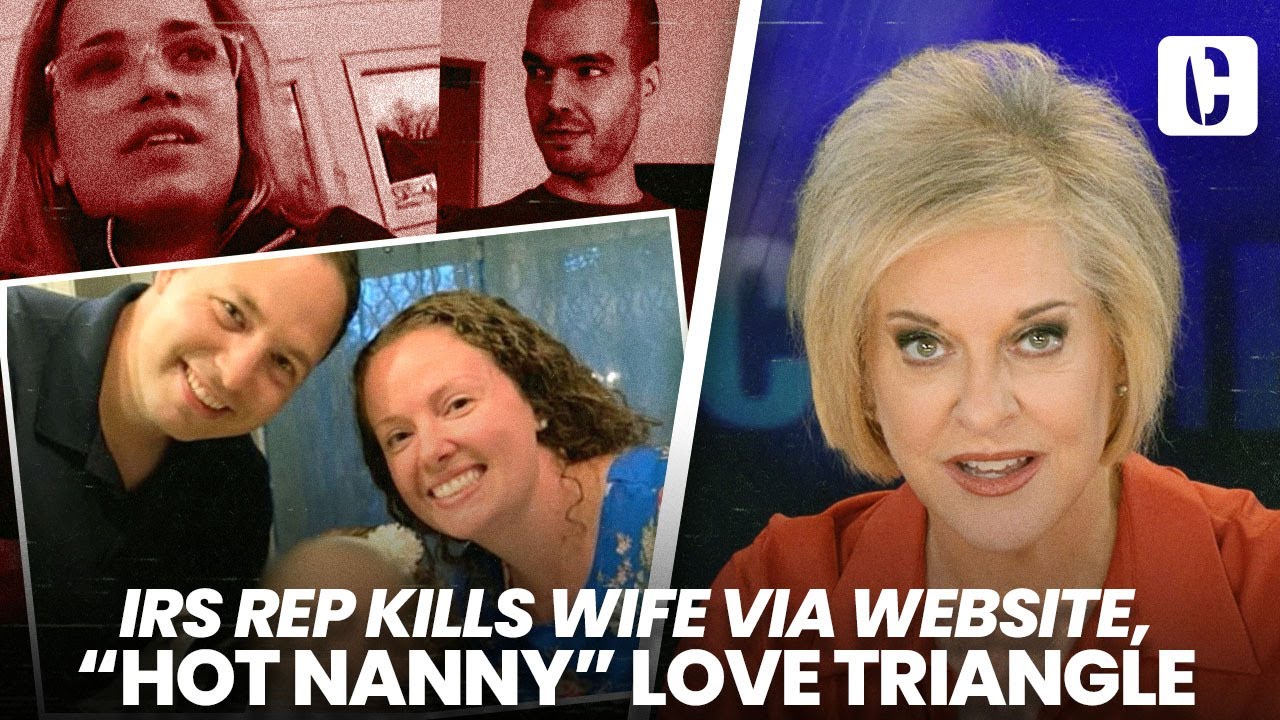
HUBBY-FROM-HELL: IRS REP KILLS WIFE, "HOT NANNY" LOVE TRIANGLE, COPS
"An IRS agent and his 'hot nanny' lover allegedly orchestrated a double murder, luring a stranger via a fetish website to cover up the brutal stabbing of the wife."
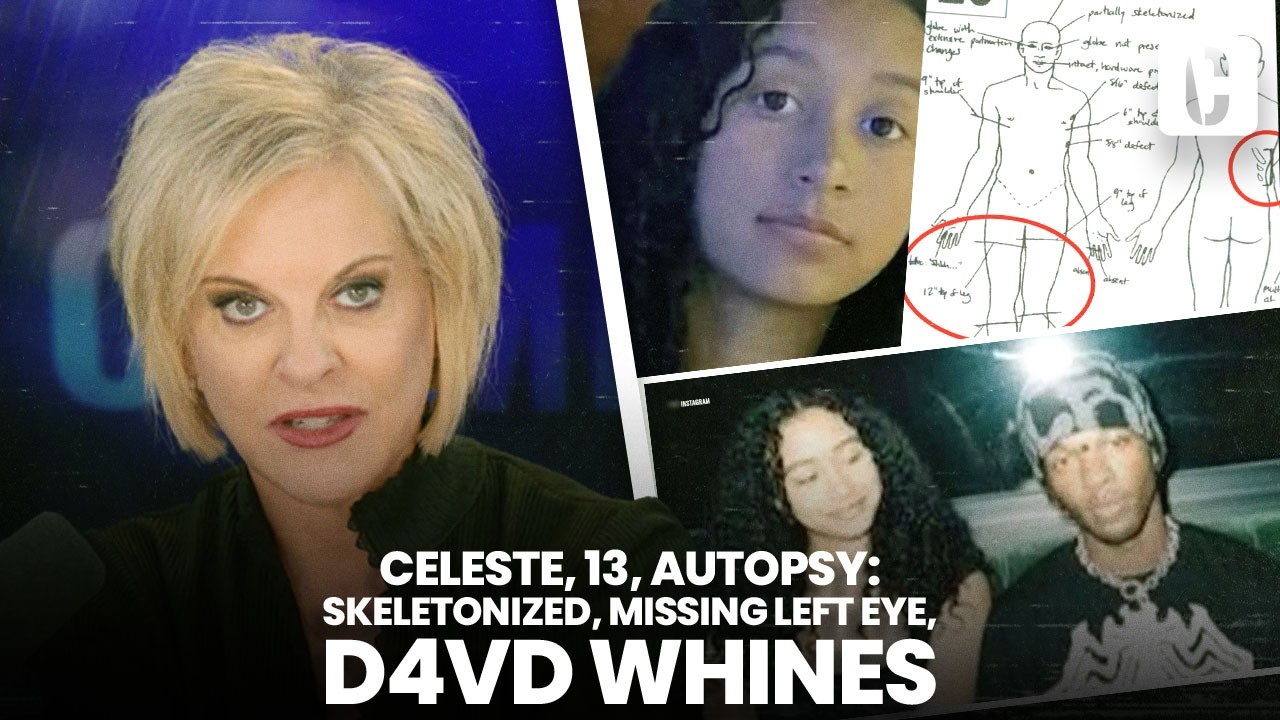
CELESTE, 13, AUTOPSY: SKELETONIZED, MISSING LEFT EYE, D4VD WHINES
"A 13-year-old girl, Celeste Rivas, was found partially skeletonized with a missing left eye, traces of meth and MDMA, and fatal stab wounds, while the accused musician David Anthony Burke (D4VD) complains about jail conditions."
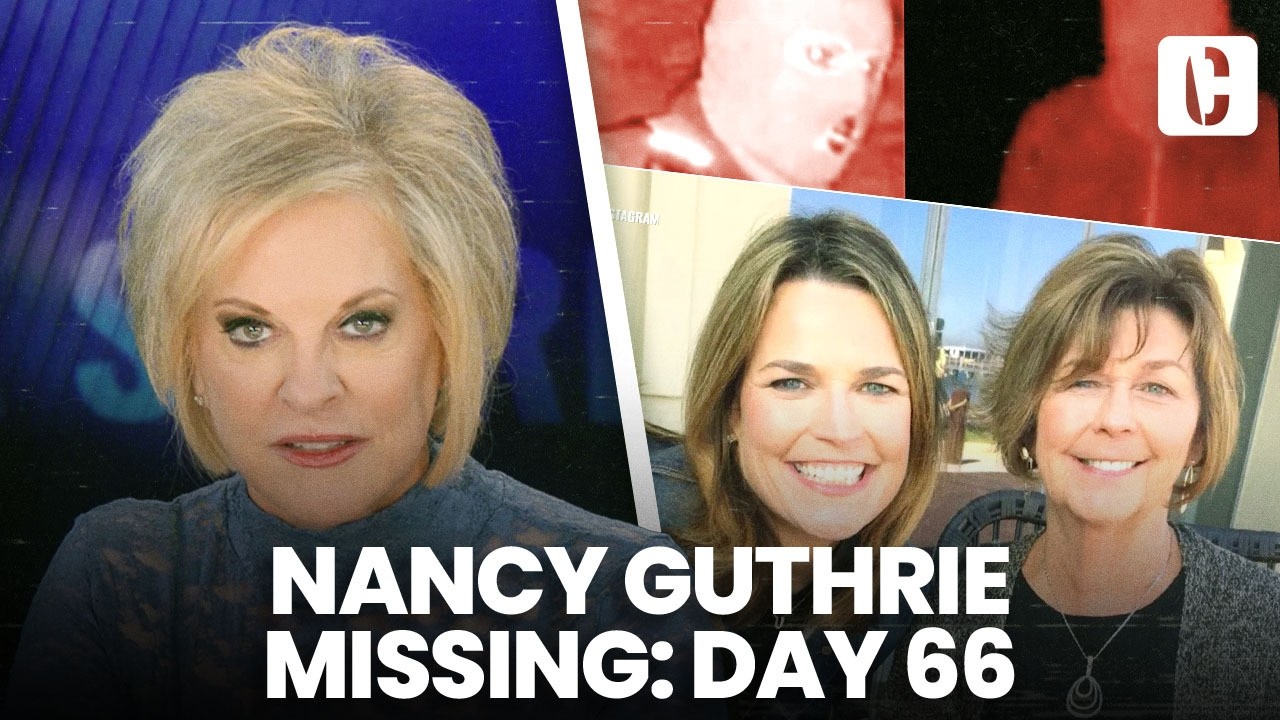
SAVANNAH GUTHRIE'S MOM MISSING: DAY 66
"On day 66 of Nancy Guthrie's disappearance, investigators grapple with two distinct sets of Bitcoin ransom notes, digital tracing challenges, and potential physical evidence like shoe coverings, as new, dubious claims emerge from a 'hyena' seeking payment for information."

Alex Murdaugh Crimes, Jodi Arias Trial, "Bad Vegan" Deep Dive - Megyn's "True Crime" Mega-Episode
"This true crime mega-episode dissects the generational criminality of the Murdaugh family, the psychological manipulation behind the 'Bad Vegan' scandal, and the chilling premeditation and trial controversies of the Jodi Arias murder case."