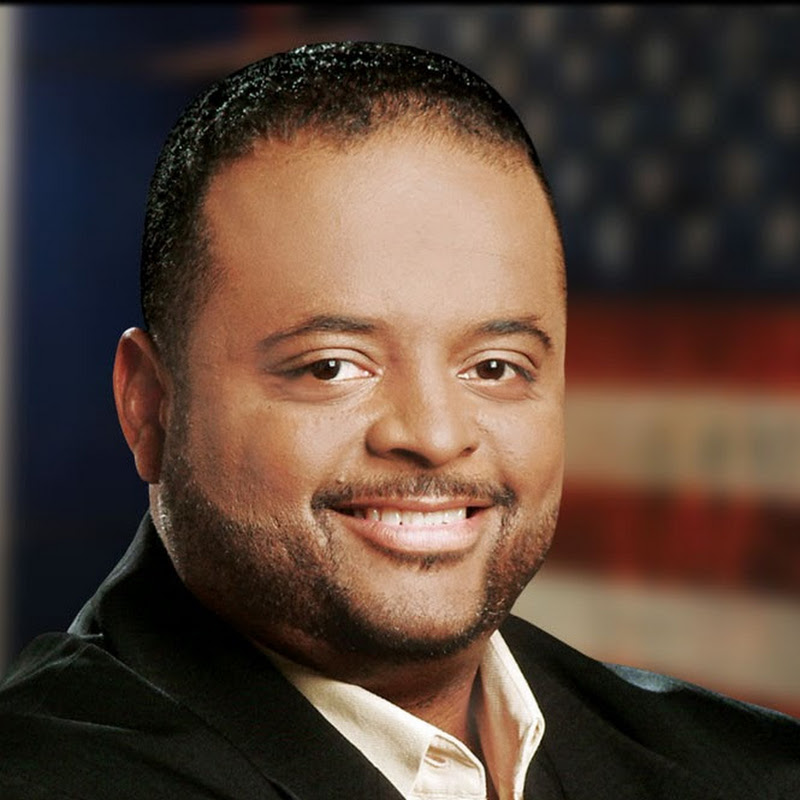
The 2026 Midterms. Voters Demand Results, Not Promises | #TheOtherSideOfChange
YouTube · yGN0ZmyCJQ0
Quick Read
Summary
Takeaways
- ❖Voters, particularly young, Black, and Brown communities, are frustrated with the Democratic Party's slow, incremental approach to urgent issues.
- ❖Republicans are aggressively pursuing their agenda, using tactics like government shutdowns and voter suppression (e.g., the SAFE Act) to consolidate power.
- ❖The verdict against Meta and Google for social media harm highlights corporate greed over child protection, mirroring political failures to regulate powerful entities.
- ❖Democrats' 'big tent' rhetoric is often used to silence progressive voices rather than genuinely unite diverse interests.
- ❖Voter inaction stems from deep dissatisfaction with candidates who fail to represent their interests, not from apathy.
- ❖Democrats need a proactive plan and a compelling vision for the future, beyond simply opposing Donald Trump, to re-engage their base.
- ❖Hope for political change comes from 'naysayers' who refuse to fall in line and from young people who challenge the status quo.
Insights
1Voter Disillusionment with Democratic Incrementalism
Many voters, especially younger, Black, and Brown communities, feel the Democratic Party is not meeting the urgency of the moment. They perceive Democrats as too slow and incremental in their approach to critical issues, contrasting sharply with the rapid, destructive actions of Republicans.
Host Jamira Burley states, 'many voters... are questioning whether or not the Democratic Party is meeting the urgency of the moment.' () Guest Preston Mitchum notes, 'Democrats are still playing in our faces and pretending like we don't need something vastly different than what we've been doing for the last few decades.' ()
2Republican Aggression and Systemic Exploitation
Republicans are effectively using government mechanisms, such as shutdowns and legislative proposals like the SAFE Act, to advance their agenda, privatize government functions, and suppress votes. This is framed as a deliberate strategy to dismantle existing systems and consolidate power.
Bria Baker details how Trump is 'intentionally using this moment to target TSA to escalate his version of America that doesn't want to sell off aspects of the US government to private companies.' () She also explains how the SAFE Act 'puts additional barriers in place that prevents legal citizens... from being able to vote.' ()
3Corporate Accountability for Social Media Harm
A jury verdict found Meta and Google negligent for the mental health harm caused by compulsive social media use in children, awarding $6 million. This case highlights how tech corporations prioritize profit over user well-being, especially for vulnerable youth, and underscores the need for external regulation.
Jamira Burley reports, 'Juries have found that Meta and Google were neglectful in their social media harm... awarding her $6 million in a rare verdict holding Silicon Valley accountable for his role in fueling youth mental health crisis.' She adds, 'they knew that what they were doing were harmful to young people and they did it anyway.' (, )
4The 'Big Tent' as a Tool to Silence Progressives
The Democratic Party's rhetoric of a 'big tent' is often a thinly veiled attempt to silence or marginalize progressive voices, rather than genuinely embracing diverse viewpoints. This strategy prioritizes appealing to a perceived 'middle' at the expense of its most committed and impacted constituents.
Preston Mitchum states, 'When people ever say big tent, I'm like red flag. Red flag. Because what you're really saying is there are some people here who are way too progressive and they need to shut up.' ()
5Voter Inaction as Informed Dissatisfaction
People who choose not to vote are often not apathetic, but deeply informed and frustrated by political options that fail to represent their interests or materially improve their lives. Dismissing these 'naysayers' as unintelligent is a losing strategy for Democrats.
Preston Mitchum argues, 'Most people who sit out elections sit out elections not because they don't care, but it's because they care so much that none of the people that they think are their candidates for choice or who are actually their candidates represent their interests.' ()
Bottom Line
The Democratic Party's consistent strategy of 'playing to the middle' is strategically flawed because the middle will ultimately 'fall in line' with a more left-leaning candidate if that's the only viable option against a conservative opponent. This suggests that a bolder, more progressive candidate could actually unify the base and attract moderate voters more effectively than a centrist approach.
This challenges conventional Democratic campaign wisdom, implying that fear of alienating moderates might be unfounded and counterproductive. A more progressive platform could energize the base and still capture the center, leading to stronger electoral outcomes.
Progressive candidates and strategists should advocate for and implement campaigns that prioritize bold, left-leaning policies, trusting that the electorate, including moderates, will coalesce around a clear, impactful vision rather than settling for incrementalism.
The guest suggests that Donald Trump's actions, such as increasing militarized presence in DC through agencies like ICE, are a strategic test for a potential non-transfer of power scenario, rather than solely about public safety.
This implies a deeper, more concerning motive behind certain administrative actions, suggesting a deliberate erosion of democratic norms and a preparation for potential challenges to electoral outcomes. It frames seemingly disparate actions as part of a larger, coordinated effort.
Voters and civil liberties advocates should closely monitor and challenge any expansion of militarized presence or interference at voting sites, recognizing these actions as potential precursors to undermining democratic processes.
Lessons
- Demand a clear, proactive vision from political candidates that addresses material improvements in daily life, rather than just symbolic gestures or opposition to a rival party.
- Recognize that voter inaction often stems from deep dissatisfaction with available political options, not apathy, and engage with these concerns rather than dismissing them.
- Support local organizing efforts and initiatives that protect voting rights and push for accountability from both political parties and powerful corporations.
- Challenge political rhetoric that uses 'big tent' or 'unity' to silence progressive voices or compromise on core values.
- Advocate for stronger government regulation of tech companies to protect vulnerable populations, especially youth, from harmful online practices.
Quotes
"Many voters, especially younger voters, black and brown communities, are questioning whether or not the Democratic Party is meeting the urgency of the moment."
"If we are going to win in the future, that has to cease. We cannot be the progressives who are coming at the Epstein files, but don't hold abusers within our own spaces accountable."
"These tech corporations are built to protect their profit lines, their stakeholders, their investors, their executives. They are not interested in protecting your children because they're protecting their children by making sure they're not on it at all."
"It's not enough to say that progress is takes time... We need real change like legislative change that is going to be enshrined within how this government works and who it works for."
"Most people who sit out elections sit out elections not because they don't care, but it's because they care so much that none of the people that they think are their candidates for choice or who are actually their candidates represent their interests."
"If the Democratic party... put forth a more left-leaning candidate, I promise you who will fall in line is actually the middle."
"I promise you I don't care... I don't want to hear that y'all are friends."
"Our naysayers are the ones giving me hope... because I think that's what we need. If we claim to actually care about democracy, that means their voices also are equally important, too."
Q&A
Recent Questions
Related Episodes

Shutdown Vote Showdown. Ossoff Grills Gabbard. Young Trumpers Shift. Afroman Lawsuit Explodes
"This episode dissects high-stakes political maneuvers, including House Democrats' strategy to end a government shutdown and contentious congressional hearings, alongside the hilarious and legally significant First Amendment victory of rapper Afroman against Ohio deputies."

Trump Pushes Election Takeover. Dems Demand Noem Firing. Colin Allred Claps Back at Talarico.
"This episode exposes Republican efforts to nationalize elections, highlights rising Black unemployment due to specific policy shifts, and dissects critical civil rights and political controversies."

NC Targets DEI. Trump Blocks Housing Bill. Minority Banks Face New Rules. Kohen Wiley Protests
"This episode exposes how current political actions, from changes in minority bank definitions to attempts to regulate college athlete earnings and block foreign aid, are systematically undermining Black economic power, voting rights, and social justice."
BREAKING: CUT THE CAMERA FEED, Trump is NOT OKAY!
"The host dissects the escalating 'dark woke' political rhetoric from Democrats, the perceived hypocrisy of Trump allies, and the concerning mental state of Donald Trump, arguing these dynamics distract from critical issues."