The Soldier's Wife | Full Episode
YouTube · yRU0t8CJKjI
Quick Read
Summary
Takeaways
- ❖Skyler Neitz, an infantry soldier, shot his wife Danielle in their apartment with an AR-15 rifle.
- ❖Skyler claimed the shooting was an accident, believing the gun was unloaded, but prosecutors alleged it was intentional murder driven by jealousy.
- ❖Evidence included Skyler's changing accounts of the incident, his failure to call 911, and texts showing controlling behavior.
- ❖The defense argued Skyler was exhausted from military training and genuinely distraught, making a tragic mistake.
- ❖The jury deliberated for seven days, ultimately finding Skyler guilty of first-degree manslaughter, not murder, due to insufficient evidence of intent.
- ❖Skyler was sentenced to 13.5 years in prison, the maximum for manslaughter in the first degree.
Insights
1Conflicting Narratives of the Shooting Incident
Skyler Neitz maintained that he picked up his wife Danielle's AR-15 rifle, believing it was unloaded, and it accidentally discharged, striking her in the back of the head. He stated he was checking the weapon when it went off. Prosecutors argued that Skyler, an expert in firearms, would not make such a mistake and that the direct hit to the back of Danielle's head suggested an intentional act.
Skyler's initial statements to police varied regarding how he held the gun (thigh vs. shoulder). Defense experts testified that AR-15s can be mistakenly loaded even by experts if safety protocols are not followed precisely. The prosecution highlighted Skyler's military training and obsession with guns as evidence against an accidental discharge.
2Prosecution's 'Jealous Rage' Motive
The prosecution contended that Skyler shot Danielle in a fit of jealous rage, not an accident. They presented evidence of his controlling behavior and a specific incident involving Danielle purchasing alcohol with an old male friend, Jeremy Henry, which Skyler allegedly discovered just before the shooting.
Texts from Skyler to Danielle showed controlling language (e.g., 'You're an idiot' regarding Amazon Prime). An army buddy, Anthony Foss, testified that Skyler became visibly angry when he learned Danielle had obtained alcohol from other men, including Henry, after Foss failed to do so. Prosecutors suggested Skyler's anger was hidden until after a FaceTime call with Danielle's friend, then he 'lay in wait' and shot her.
3Defense's Argument of Exhaustion and Emotional Distress
The defense portrayed Skyler as a loving husband who was dead tired after 19 days of intense military training. They argued his actions immediately after the shooting, such as not calling 911 or holding Danielle, were due to shock, fear, and a 'destroyed' mind, not malice.
Skyler's mother described him as a 'gentle and kind soul' deeply in love with Danielle. Skyler himself stated he was 'buzzed and tired' upon returning home. His lawyer, Michael Stewart, emphasized that Skyler was 'dead tired' and struggling to recall events, suggesting investigators pushed him towards a specific narrative. Skyler expressed deep regret for not holding his wife, attributing it to being 'scared' and 'freaked out'.
4Jury's Deliberation and Verdict on Intent
The jury struggled for seven days to determine Skyler's intent. While troubled by his post-shooting behavior and perceived lack of credibility, they found insufficient evidence to prove he acted with premeditated intent to murder. They ultimately concluded his actions were reckless, leading to a conviction for first-degree manslaughter.
Jurors found the prosecution's star witness, Anthony Foss, unreliable due to contradictions. They performed their own test to see if an AR-15 could be mistakenly believed to be unloaded, concluding it was possible. Despite finding Skyler's testimony 'coached' and 'unreliable', they lacked 'one good piece of evidence' proving intent for murder. The defense attorney even suggested a manslaughter conviction, acknowledging negligence.
Lessons
- Always treat every firearm as if it is loaded, regardless of perceived status, and adhere strictly to all gun safety rules (e.g., never point a weapon at anyone).
- Recognize that emotional distress, fatigue, or intoxication can severely impair judgment and increase the risk of accidental harm, especially when combined with dangerous objects like firearms.
- Be aware of controlling behaviors in relationships, such as monitoring finances, demanding specific home conditions, or expressing extreme jealousy, as these can escalate into dangerous situations.
Notable Moments
Skyler's mother's premonition dream
A month before the shooting, Skyler's mother had a 'horrible dream' that Danielle shot Skyler in the head, which she felt was a chilling premonition of the tragedy, albeit with the roles reversed.
Defense attorney's recommendation for manslaughter
In a rare strategic move, Skyler's defense attorney, Michael Stewart, advised the jury to find his client guilty of the lesser charge of manslaughter, acknowledging negligence while vehemently denying intent for murder. This move likely aimed to guide the jury away from a murder conviction given the difficult facts.
Jury's re-enactment of gun loading
To resolve doubts about whether Skyler could genuinely believe the AR-15 was unloaded, jurors conducted their own re-enactment of the state's gun expert's demonstration. This hands-on approach was critical in convincing them that a mistake was plausible, influencing their decision against a murder charge.
Quotes
"I'm always so big about gun safety. Always so big about gun safety. I'm the my friends cuz I'm so big about it. And then I'm the I'm the I'M THE GUY that it happens to."
"I can live with I'm the reason Daniel died, but I can't live with being called a murderer."
"I believe his soul is pure, but his hands aren't. He was negligent in the operation of that weapon."
"This is not a who done it case. Like, we know who did it. He says he pulled the triggers. So, our question was what was going on in his head, which was what made this case so challenging."
"If they could have given me one good piece of evidence that proves that there could have been intent, I might have taken that and said, 'Well, it's good enough for me.' But it wasn't there."
Q&A
Recent Questions
Related Episodes
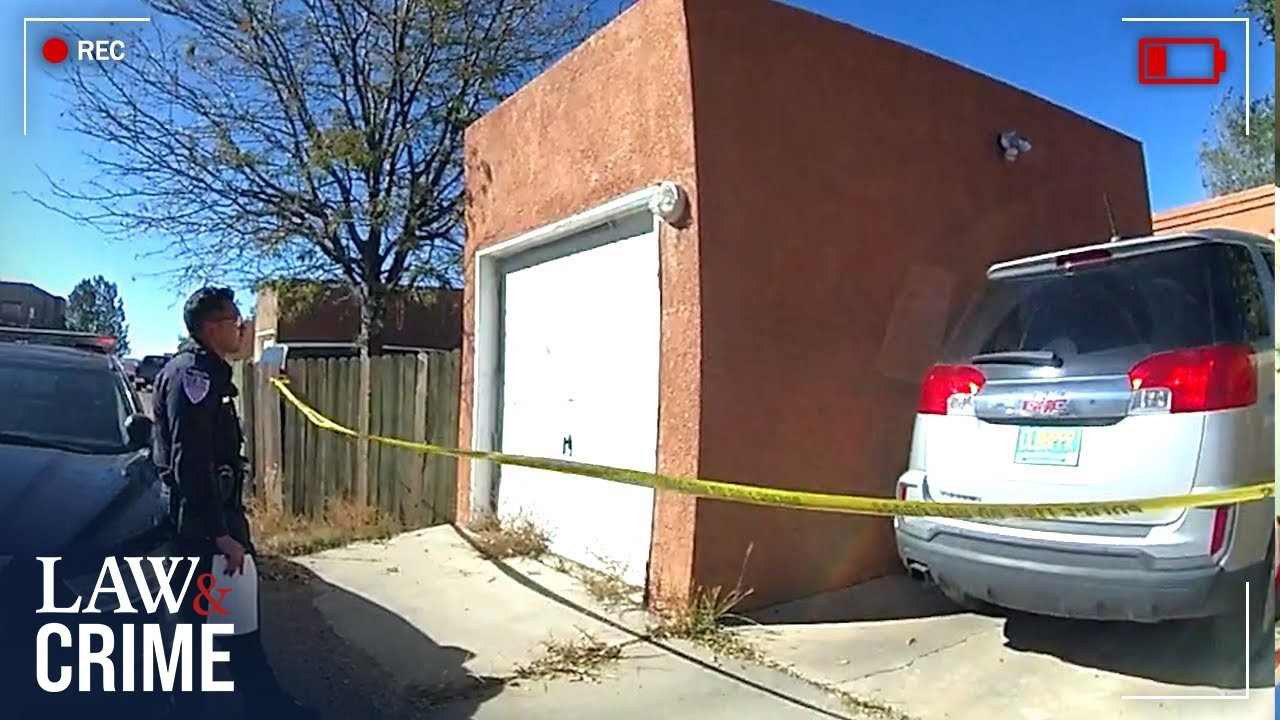
5 Most Wicked Murder Cases Caught On Bodycam
"Bodycam footage provides an unfiltered, real-time look into five brutal murder investigations, exposing the immediate aftermath of horrific crimes and the initial interactions with suspects and witnesses."
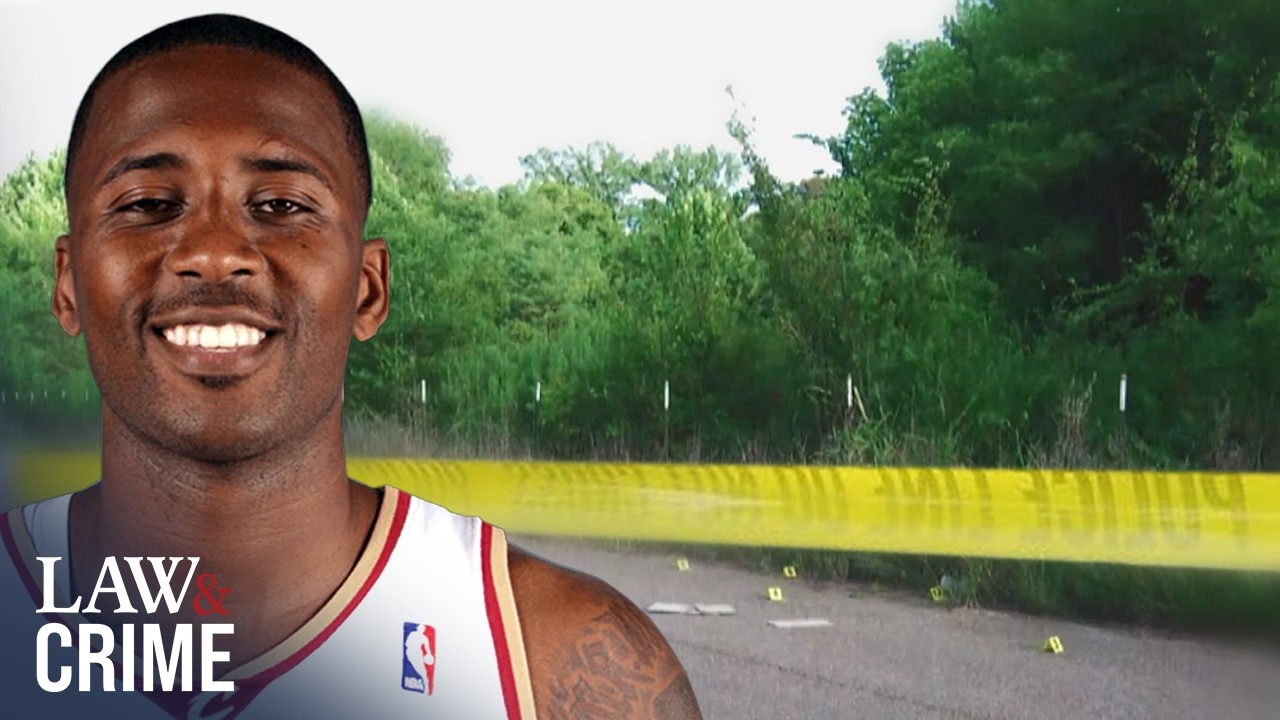
Killer Cases: NBA Star Lured to Execution In Rural Tennessee
"The decade-long cold case of NBA star Lorenzen Wright's murder was cracked through a persistent mother, a jailed informant, and a covert police operation that recovered the murder weapon from a lake and exposed a conspiracy driven by greed."

Every Time You Think This Story Can't Get Weirder—IT DOES | The Trio
"A bizarre tale unfolds in MAGA D.C. as a Students for Trump founder and his associate are arrested, revealing a two-week-long Secret Service impersonation scheme involving fake badges, club entry, and claims of ordering airstrikes."
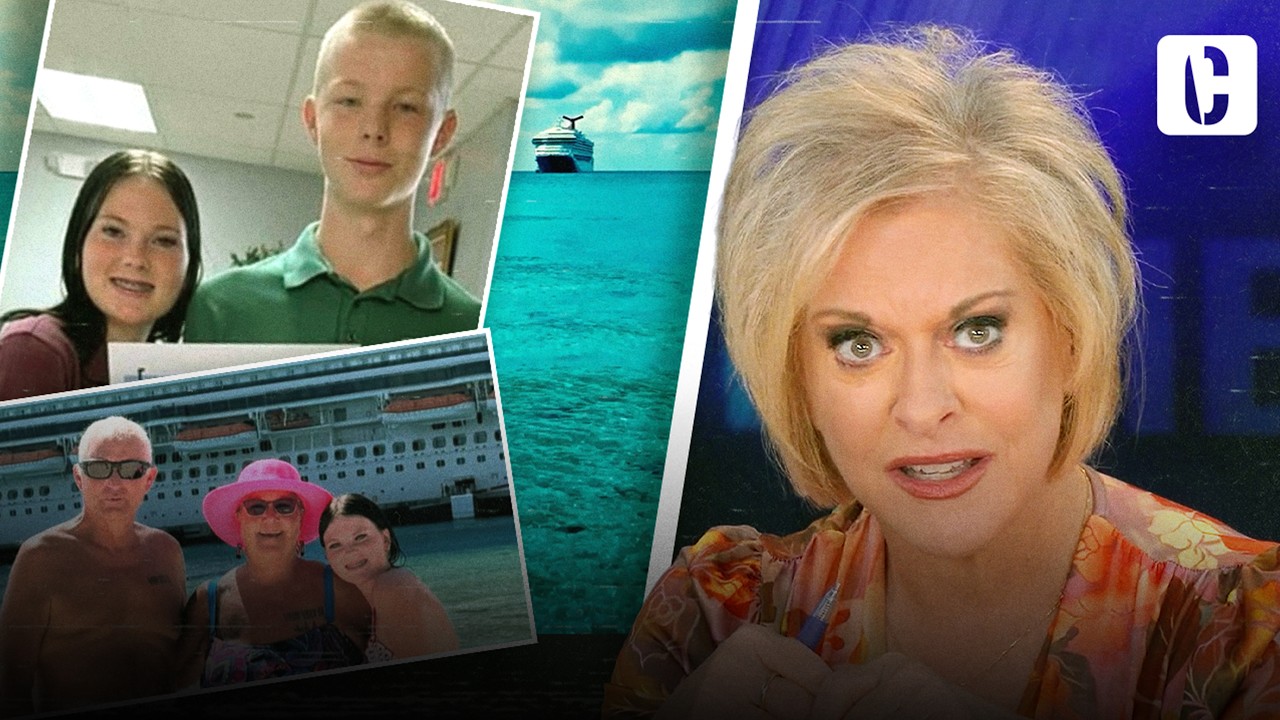
TEEN'S DNA REVEALED IN ANNA KEPNER'S R*** KIT
"The investigation into Anna Keaptainner's death on a cruise ship reveals shocking DNA evidence, a previously unknown male minor, and critical questions about evidence handling and family dynamics."