Trump Threatens IRAN STRIKES, Israeli Media ADMITS Arming Protesters
YouTube · ynnQTLLRte4
Quick Read
Summary
Takeaways
- ❖Trump's public statements on Iran were contradictory, suggesting both economic pressure and potential 'very strong action' if protesters were hanged.
- ❖Skepticism surrounds high casualty figures reported by Western media outlets for Iranian protests, with some numbers lacking credible verification.
- ❖Israeli Channel 14 reported 'foreign actors' with live firearms among Iranian protesters, suggesting external arming and training.
- ❖US officials like Marco Rubio and Vance are reportedly counseling against direct kinetic intervention in Iran, favoring 'non-kinetic responses'.
- ❖The hosts criticize Western media for hyping Iranian protests without a clear, organized opposition or a viable plan for taking power, potentially endangering protesters.
- ❖Sources like Iran International and Human Rights in Iran are noted for their anti-regime bias and funding ties to US-backed organizations like the National Endowment for Democracy.
Insights
1Trump's Ambiguous Stance on Iran Strikes
Former President Trump delivered contradictory messages regarding potential US military action against Iran. While initially suggesting 'economic help' in response to protests, he later threatened 'very strong action' if Iran executed protesters, leaving the US's actual policy unclear and reflecting internal divisions among his advisors.
Trump stated, 'Well, there's a lot of help on the way and in different forms including economic help from our standpoint and not going to help Iran very much.' Later, regarding hangings, he said, 'If they hang them, you're going to see some things that… you'll perhaps be very happy.' When pressed, he added, 'We will take very strong action.'
2Skepticism Over Iranian Protest Casualty Figures
The hosts expressed significant skepticism regarding the high casualty numbers reported by some Western media outlets, particularly CBS News's claim of 20,000 deaths. They highlighted that such figures often lack verifiable sourcing, relying on rumors or biased sources, and contrasted them with lower, though still unverified, numbers from Iranian government sources or US-backed organizations.
Trump questioned reporter Tony Dupill's numbers, stating, 'I've heard two numbers, but we'll see what that is.' The hosts elaborated that CBS's 20,000 figure was based on 'somebody called them from Iran and said that that was the number they'd been hearing,' deeming it unreliable for print. They also noted that a US-backed human rights organization reported numbers 'way under what CBS News is out there claiming.'
3Israeli Media Implies Arming of Iranian Protesters
Israeli Channel 14 reported that 'foreign actors' with live firearms were present among Iranian protesters, which was cited as the reason for hundreds of regime personnel deaths. This report, combined with the Iranian foreign minister's presentation of videos showing tactically sophisticated armed protesters, strongly implies external support, potentially from Israel, for the armed elements within the protests.
Israel's Channel 14 reported, 'foreign actors are among the protesters in Iran with live firearms, which is the reason for the hundreds of regime personnel killed. Everyone is free to guess who is behind it.' The hosts added that the Iranian foreign minister showed diplomats videos of 'armed protesters… firing methodically at at security personnel' and 'operating with what looked like some level of training.'
4Lack of Viable Opposition Undermines Regime Change Efforts
The hosts argue that Western media's enthusiastic promotion of Iranian protests is irresponsible because there is no organized, credible opposition with a clear plan or leader to take power. The son of the former Shah, Pahlavi, is dismissed as not 'remotely serious' and his claims of defectors were deemed 'a complete lie,' highlighting the absence of a coherent alternative to the current regime.
The hosts stated, 'there isn't a serious kind of opposition that is organized with a plan to take power and and run Iran. Like that that doesn't exist.' They added that the Shah's son 'claimed that he had 50,000 uh regime defectors ready to go. That that clearly was a complete lie.'
Bottom Line
The National Endowment for Democracy (NED), a US-backed organization, heavily funds sources like 'Human Rights in Iran,' which are then used by mainstream media like the AP, creating a potentially biased information ecosystem during conflicts.
This suggests that even seemingly independent human rights reporting can be influenced by geopolitical agendas, making it difficult for the public to get unbiased information about events in countries like Iran. It highlights a systemic issue in how 'credible' sources are established and utilized.
Develop independent, transparently funded media monitoring tools or news aggregators that explicitly flag the funding and affiliations of sources reporting on geopolitical conflicts, allowing consumers to assess potential biases more easily.
US officials like Marco Rubio are reportedly advocating for 'non-kinetic responses' to aid Iranian protesters, even as Trump's rhetoric implies military action, and external actors are potentially arming protesters on the ground.
This creates a dangerous disconnect: the US encourages protests with promises of 'help' (which turns out to be 'non-kinetic' or economic), while protesters risk their lives against an armed regime, potentially also facing armed foreign-backed elements. This strategy puts protesters in harm's way without a clear, kinetic commitment or a viable path to success.
Policy analysts and media should critically examine the ethical implications of 'non-kinetic' support for protest movements in authoritarian regimes, especially when it encourages citizens to confront state power without a clear, achievable endgame or robust protection.
Key Concepts
Fog of War
The inherent uncertainty and confusion in combat, where accurate information is scarce and often manipulated, making it difficult to discern facts from propaganda, especially in real-time conflicts like the Iranian protests.
Regime Change Operations Dilemma
The recurring challenge in foreign policy where external powers seek to overthrow a government but lack a credible, organized, and democratically viable alternative leader or plan for post-regime stability, often leading to unintended negative consequences.
Lessons
- Always question the sourcing and methodology behind casualty figures and other sensitive information reported during geopolitical conflicts, especially when they appear dramatically high or align perfectly with a political narrative.
- Be aware that 'human rights' organizations or news outlets reporting on conflicts may have financial ties or affiliations that introduce bias, such as links to government-funded entities like the National Endowment for Democracy.
- Recognize that external encouragement for protest movements in authoritarian states, particularly without a clear, organized opposition or a viable plan for transition, can put local populations at extreme risk without a path to achieving their goals.
Notable Moments
Trump's interview with CBS News' Tony Dupill, where he gave ambiguous answers about US action against Iran, oscillating between 'economic help' and 'very strong action' if protesters were hanged.
This exchange highlighted the internal debate and lack of a clear, unified US policy regarding Iran, creating uncertainty about potential military intervention and its triggers.
The hosts' critique of Western media's reporting on Iranian protest casualty figures, specifically challenging CBS News's 20,000 death count as unsubstantiated rumor.
This segment underscored the critical importance of media literacy and skepticism during conflicts, revealing how unverified information can be amplified and potentially influence public opinion and policy decisions.
The discussion of the Shah's son, Pahlavi, as a potential opposition leader, and the hosts' dismissal of him as 'not remotely serious' with 'a complete lie' about 50,000 defectors.
This illustrated the fundamental challenge in regime change operations: the absence of a credible, organized, and viable alternative leadership, making external calls for overthrowing a government potentially reckless and dangerous.
Quotes
"If they hang them, you're going to see some things that uh I don't know what your uh where you come from and what your thought process is, but you'll perhaps be very happy."
"Well, we'll see what that is. I've heard two numbers, but we'll see what that is."
"It's not crazy to think uh that there would be a high number of casualties. Imagine if here in the United States uh 100 plus police officers were killed in protests. How many Americans do you think would be killed in response to that? Be more than 100. That's for sure."
"If you peeled back the sourcing on their 20,000, they probably did hear 20,000. They definitely heard 20,000. The sourcing was like like somebody called them from Iran and said that that was the number they'd been hearing. It's like, all right, that's interesting, but you can't that's not that's not a number you put in print and circulate."
"And the MSAD is using this media outlet quite regularly for its information war."
"You're asking people to get to put their lives on the line with no plan to actually win."
Q&A
Recent Questions
Related Episodes

Pentagon Prepares For EXTENDED War With Iran
"This episode dissects the geopolitical maneuvers surrounding potential US-Iran conflict, revealing strategic leaks, Netanyahu's diplomatic sabotage playbook, and the true intent behind economic sanctions."

🚨 THEY F*CKED AROUND FOR THE LAST TIME 😭😭😭
"This episode unleashes a torrent of highly opinionated commentary on the US-Iran deal, Israel's role, and a scathing critique of 'leftist' policies and immigration, particularly highlighting the UK grooming gang report as evidence of Western societal decay."
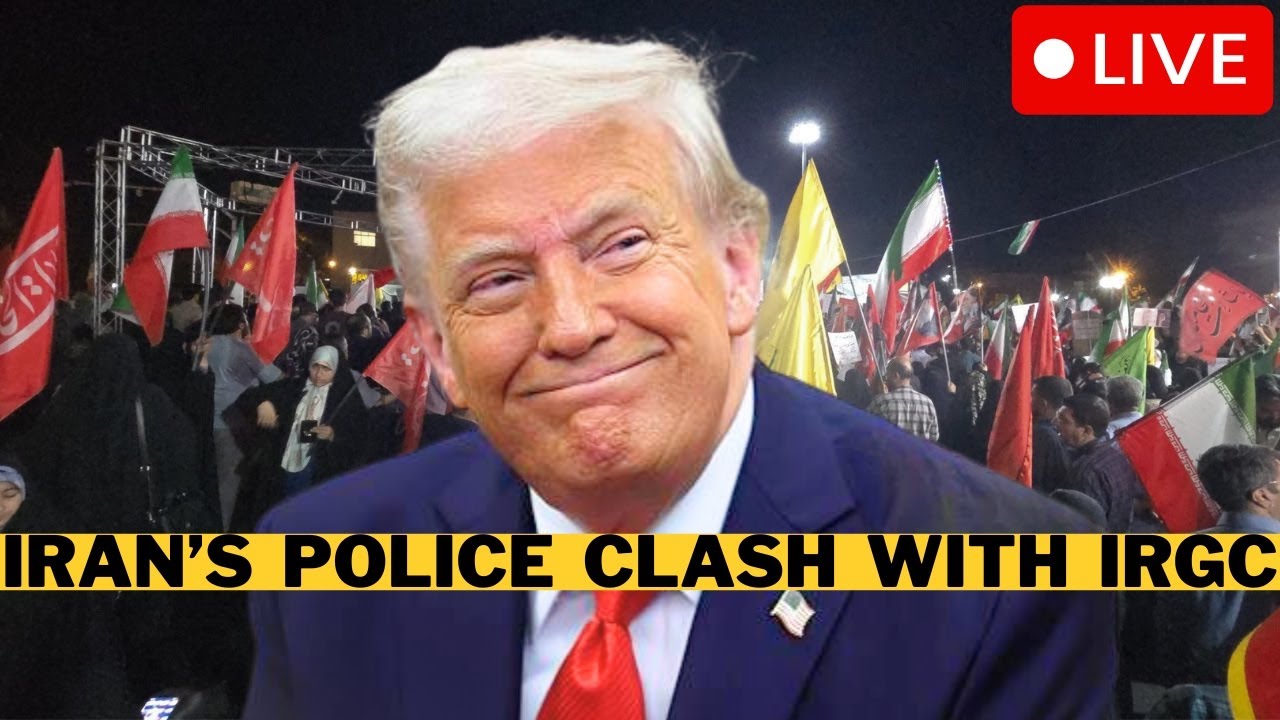
BREAKING: Protests ERUPT In Iran Over IRGC Surrendering To Trump - Infighting Clashes In Tehran
"Iran is experiencing severe internal infighting and protests as hardline IRGC elements clash with government figures over a perceived 'surrender' to the US, while mainstream Western media misrepresents the situation."
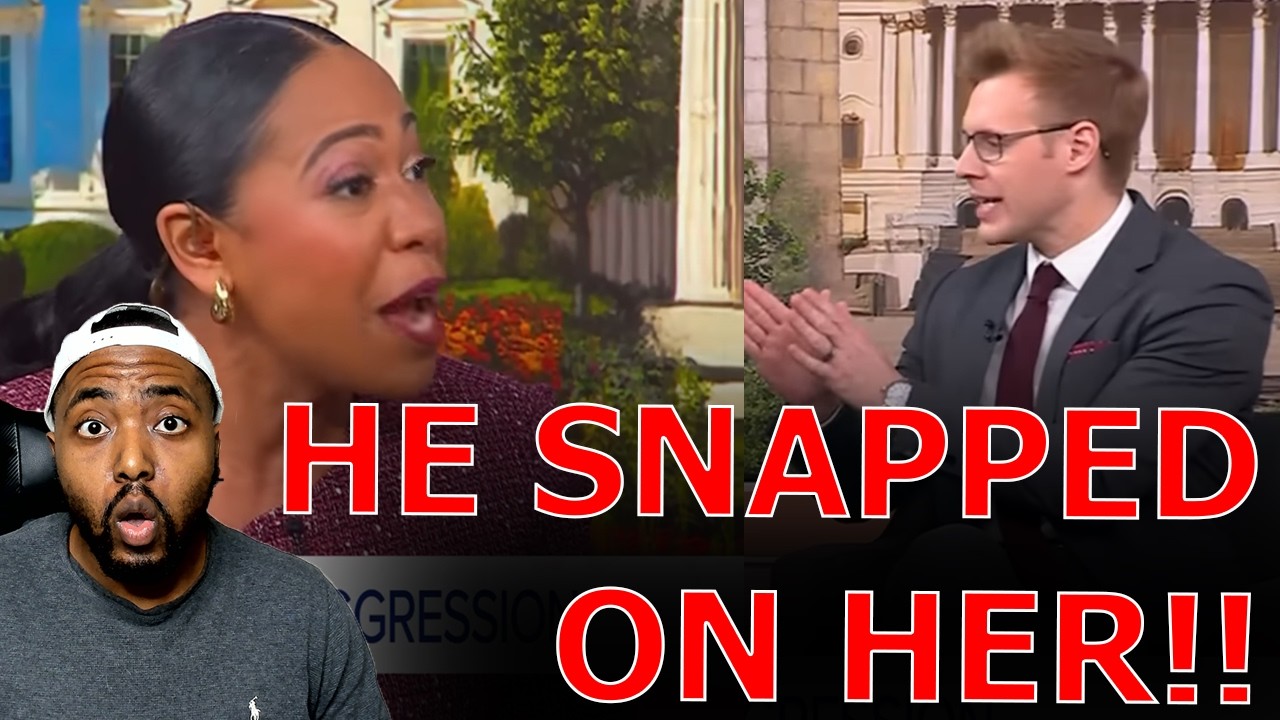
Robby Soave GOES OFF On ANNOYING Liberal Black Woman Making Emotional Trump Deranged Arguments!
"The host dissects a heated foreign policy debate, arguing that 'left-wing' emotionalism and 'Trump derangement' prevent a rational understanding of US sanction strategies against Cuba and Iran."