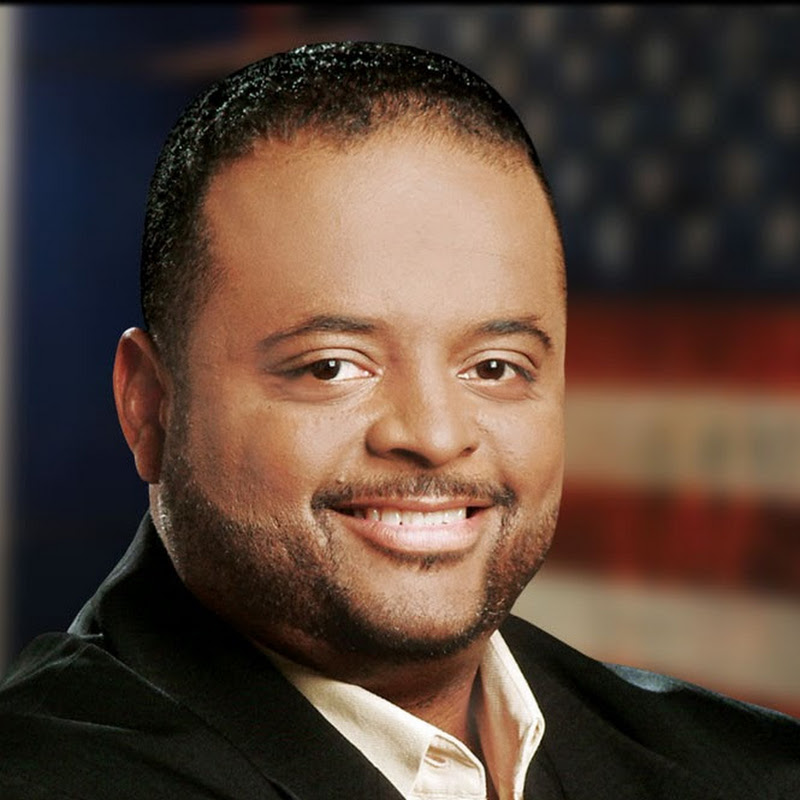
The State of the Black Male. Presence, Purpose, and the Pressure to Provide #ABalancedLife
YouTube · zIh42sfzIoA
Quick Read
Summary
Takeaways
- ❖Black men are urged to stay engaged in political, economic, and human crises, drawing strength from historical resilience.
- ❖Black women are encouraged to provide safe spaces for Black men to express themselves without immediately seeking to 'fix' their problems.
- ❖Mentorship is crucial for younger Black men, as they cannot aspire to what they have not seen.
- ❖Job loss can be reframed as an opportunity for self-assessment, career pivots, and entrepreneurial exploration.
- ❖Many current struggles among Black men stem from foundational trauma related to absent or overworking fathers, leading to an external need for validation.
- ❖Men need to cultivate internal well-being and external support systems (like trusted friends) to manage stress and emotional burdens.
- ❖Distinguishing between 'boundaries' (focused on personal growth) and 'barriers' (focused on keeping others out) is key for self-protection and progress.
- ❖Leaders, including Black men, often struggle with guilt when saying 'no' due to the pressure to be available and supportive 24/7.
- ❖Embracing 'coaching' (therapy) helps men manage stress, improve family relationships, and invest genuinely in friendships rather than exploiting them.
Insights
1Sustained Engagement in the Face of Systemic Challenges
Black men, and the Black community at large, must remain politically, economically, and legally engaged. Despite facing significant challenges, including potential policy rollbacks, drawing on the historical resilience of their forefathers is essential to fight within and outside existing systems.
Scott Bolden compares current challenges to those faced by his civil rights activist father and earlier generations, stating, 'black people are a people that thrive. They don't just survive, they thrive and we wouldn't be here without the struggle.' He urges, 'We got to fight within the system and outside of the system which is both legal, business, and political.'
2Creating Safe Spaces for Emotional Expression
Black women have a role in supporting Black men by creating safe spaces where men can express their struggles and emotions without the immediate expectation of finding a solution. This involves active listening and understanding their unique experiences.
Dr. Tierney advises, 'we as black women have to practice what we preach... 'Hey, I just need you to listen. I don't need you to fix it.' And we have to give that that same thing to them.' She emphasizes being 'a safe space to listen to what their experiences are because yes, it's hard being a black woman but we don't know what it is to be a black man.'
3The Imperative of Mentorship and Role Models
Mentorship is crucial for the younger generation of Black men, as they often lack visible role models. Seeing successful Black men in various fields helps them believe in and achieve their own potential.
Art Robinson states, 'you can't be what you haven't seen. And you have to see it to be able to achieve it.' Carlos Scott details his work with the Men of Vision Foundation, taking kids to HBCUs and historic sites 'because to piggyback on what the brother said, it's hard to be something that you've never seen.'
4Reframing Job Loss as Opportunity for Growth
In the face of economic setbacks, such as job losses due to DEI rollbacks, Black men should view these challenges not as failures but as opportunities for self-assessment, career re-evaluation, and potential entrepreneurial ventures. A strong 'team concept' within relationships is vital during these transitions.
Scott Bolden advises, 'You're not going to do anything about Donald Trump and cutting people... This is an opportunity. This is a career move... God wants you to do something else.' He suggests, 'It may be an entrepreneurship opportunity... Maybe it's time to take a moment of silence and really assess your life and assess what you really enjoy doing.'
5Addressing Trauma Masculinity and Foundational Gaps
Many of the behaviors labeled 'toxic masculinity' are rooted in 'trauma masculinity,' stemming from foundational gaps in upbringing, such as absent fathers or fathers who were present but primarily focused on work. This leads to an external need for validation and a struggle to fulfill traditional roles.
Dr. Tierney explains, 'I want to change that into trauma masculinity because a lot of the things that we're seeing now that we're calling toxic masculinity, it is born out of that brokenness of the trauma that happened in the home or what that man did not get or what that man did not know.' She notes, 'it take a man to help a man become a man.'
6The Burden of Expectation and the Need for Self-Care
Black men often carry immense stress from societal expectations to be providers and protectors, leading to a burdensome feeling. It is crucial for men to acknowledge their humanity, allow for a full range of emotions, and prioritize their mental health and self-care.
Carlos Scott emphasizes, 'as a black man I can tell you there is a lot of stress on us at all times... that can be burdensome.' He adds, 'we have to strip down this superhero mantra. We're not superheroes... And I think as soon as we acknowledge that and live that, I think we'll be in a better place.'
7Distinguishing Between Boundaries and Barriers for Personal Growth
For effective self-care and progress, individuals must understand the difference between setting boundaries (focused on personal goals and needs) and erecting barriers (focused on keeping others out). True growth comes from self-accountability and focusing on one's own path.
Dr. Tierney differentiates: 'Boundaries are about me. Boundaries are about my goals, what I've been called to do, my purpose... Barriers are about them. Okay? And what they did, what they said.' She concludes, 'You're protecting yourself from is your own progress.'
8The Shared Struggle of Saying 'No'
Many men, particularly those in leadership or supportive roles, experience guilt when they decline requests or set limits, feeling pressure to be available 24/7. This struggle is common across genders and highlights a shared human challenge.
Art Robinson admits, 'I do [feel guilty when I say no]. And when you're the person in your in your group or sphere of people that is leaned on most... you really feel like it's your job to show up that way for everybody for everything and and I feel that pressure all the time.' Dr. Tierney adds, 'We are more alike than what you think.'
9Embracing 'Coaching' for Holistic Well-being
Men should engage in 'coaching' (therapy or professional counseling) to manage the high stress levels of professional life, prevent it from negatively impacting family relationships, and learn to invest genuinely in personal connections. This journey leads to greater happiness and a more balanced life.
Scott Bolden shares his personal experience: 'I had to learn how to to love my family as much as I love my law practice... to be emotionally available.' He notes, 'I've done a lot of work, professional development, on separating those two and being a better human being instead of being a great lawyer.'
Lessons
- Actively seek out and engage in mentorship opportunities, both as a mentor to younger generations and as a mentee to experienced individuals.
- Practice setting clear boundaries in personal and professional life by focusing on your own goals and needs, rather than reacting to external demands.
- Prioritize mental health by finding healthy outlets for stress, connecting with trusted friends, and considering 'coaching' (therapy) to navigate life's pressures and improve relationships.
Quotes
"Black people are a people that thrive. They don't just survive, they thrive and we wouldn't be here without the struggle."
"You can't be what you haven't seen. And you have to see it to be able to achieve it."
"Don't ever delegate the power to define who you are to someone else. It's too precious of a power."
"It take a man to help a man become a man. As a woman we can only do so much."
"We have to strip down this superhero mantra. We're not superheroes, human."
"Boundaries are about me. Boundaries are about my goals, what I've been called to do, my purpose, things of that nature. Barriers are about them."
Q&A
Recent Questions
Related Episodes

Sadhguru - Stop Letting Your Mind DESTROY You | SRS #315
"Sadhguru challenges conventional wisdom on 'being in the moment' and stress, arguing that mastering the mind requires understanding its sophisticated design and consciously directing one's internal chemistry for profound well-being."

Crooners Welcome | This Past Weekend w/ Theo Von #664
"Theo Von shares raw, unfiltered opinions on life's 'greasy' moments, from his unexpected Stagecoach performance as a 'crooner' to his strong stance against AI data centers and candid advice on relationships and fatherhood."

EXTRACTION Movie Reaction! | First Time Watch | Chris Hemsworth | Randeep HoodaIndian | Sam Hargrave
"CinePals hosts react to 'Extraction,' praising its groundbreaking action cinematography, Chris Hemsworth's nuanced performance, and the film's profound exploration of fatherhood and grief."

HaHa Davis on Druski, Katt Williams, Kevin Hart, Jay-Z, Relationships, Fame & Social Media Comedy
"Comedian Haha Davis offers a candid look into the unpredictable world of social media fame, the complexities of modern relationships, and the personal journey of finding success while staying true to his Detroit roots."