
LIVE: Trump REJECTS Iran Deal - IRGC Refuse To Surrender Nuclear
YouTube · zXAy38PvRps
Quick Read
Summary
Takeaways
- ❖President Trump rejected the terms of a widely reported Iran nuclear deal, stating it was not what his administration had agreed to.
- ❖The proposed deal, as reported, would have been a 'huge victory' for Iran, including the protection of Hezbollah and the release of frozen assets.
- ❖The US is using the ongoing Strait of Hormuz blockade as a key leverage point, creating significant economic pressure on the IRGC.
- ❖Iran's IRGC is demanding the immediate release of frozen financial assets (estimated at $12 billion to $100 billion) before engaging in further nuclear talks.
- ❖Israel, supported by the US, insists on Iran dismantling enrichment facilities and removing enriched material, while maintaining its right to defend against Hezbollah.
- ❖The host criticizes mainstream media for failing to report on the continued effectiveness of the Strait of Hormuz blockade, creating a false impression of its cessation.
Bottom Line
Mainstream media's reduced coverage of the Strait of Hormuz blockade creates a false perception that the economic pressure on Iran has ceased, despite its ongoing effectiveness.
This media silence allows the US to continue its 'suffocation' strategy without significant public or international scrutiny, potentially prolonging the standoff without immediate military escalation.
Analysts and policymakers should monitor less-reported economic pressure campaigns, as their quiet continuation can be a powerful, sustained leverage point in geopolitical conflicts.
Trump's strategy of actively involving Arab nations and pushing for Abraham Accords expansion aims to create a unified regional front against Iran, legitimizing potential future military actions.
This broadens the coalition against Iran, making it harder for any Middle Eastern country to object to US military operations if Iran refuses to compromise, thereby isolating the Islamic Republic further.
Observe how multilateral diplomatic efforts are used not just for negotiation, but also to build consensus and legitimacy for potential military options, shifting the geopolitical landscape.
Lessons
- Recognize that 'deals' reported by media, especially in complex geopolitical situations, may not reflect the actual state of negotiations or the final terms agreed upon by key parties.
- Understand the strategic importance of economic blockades and sanctions as long-term tools for applying pressure, even when they fall out of mainstream news cycles.
- Analyze the internal political pressures faced by regimes like the IRGC, where public narratives of strength and non-compromise can hinder their ability to make necessary concessions in negotiations.
Notable Moments
The host reacts to an Iranian state media propaganda video featuring children in oversized IRGC uniforms, mocking its poor production quality and the use of child soldiers.
This highlights the IRGC's propaganda tactics and the host's strong disdain for the regime, reinforcing the episode's opinionated perspective on the conflict.
Quotes
"President Trump and I agreed that any final agreement with Iran must remove the nuclear threat. This means dismantling Iran's nuclear enrichment facilities and removing the enrich nuclear material from its territory."
"One of the worst deals ever made by our country was the Iran nuclear deal put forth and signed into existence by Barack Hussein Obama and the rank amateurs of the Obama administration. It was a direct path to Iran developing a nuclear weapon. Not so with the transaction currently being negotiated with Iran by the Trump administration. The exact opposite."
"If I make a deal with the Islamic Republic, it will be a good and proper one, not like the one made by Obama, which gave Iran massive amounts of cash and a clear and open path to a nuclear weapon. Our deal is the exact opposite, but nobody has seen it or knows what it is. Literally no one, including the Americans, cuz it doesn't exist. It isn't even fully negotiated yet."
Q&A
Recent Questions
Related Episodes

Patrick Henningsen: Hezbollah JUST Fired Back at Israel - Iran Vows to “Crush” All Attacks
"Patrick Henningsen argues that the US and Israel initiated an illegal war against Iran, driven by Trump's incompetence and Israeli influence, leading to an inevitable escalation with severe global economic repercussions."
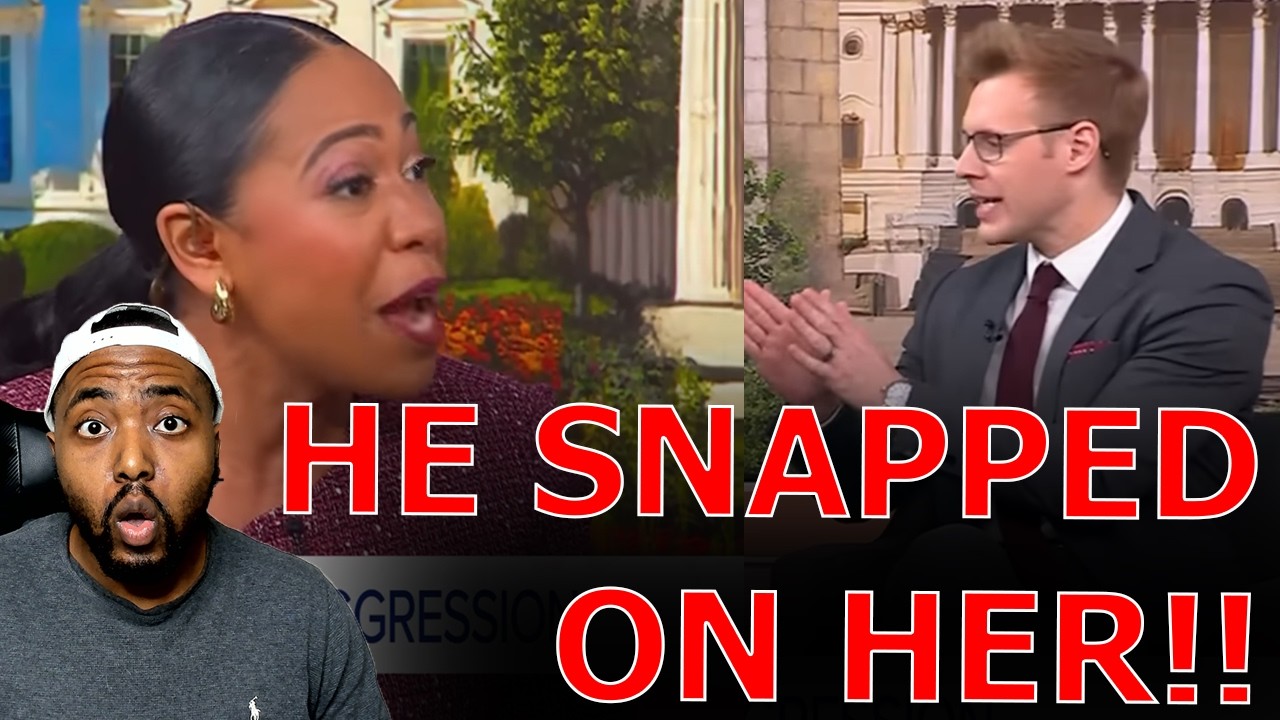
Robby Soave GOES OFF On ANNOYING Liberal Black Woman Making Emotional Trump Deranged Arguments!
"The host dissects a heated foreign policy debate, arguing that 'left-wing' emotionalism and 'Trump derangement' prevent a rational understanding of US sanction strategies against Cuba and Iran."

Pentagon Prepares For EXTENDED War With Iran
"This episode dissects the geopolitical maneuvers surrounding potential US-Iran conflict, revealing strategic leaks, Netanyahu's diplomatic sabotage playbook, and the true intent behind economic sanctions."

BREAKING: Iran Threatens To END Talks; U.S. Vows Retaliation; Hezbollah Collapsing? | TBN Israel
"Iran is leveraging Hezbollah and the Strait of Hormuz to manipulate US negotiations, while Israel asserts its right to dismantle Hezbollah's eroding but still dangerous infrastructure in Lebanon, independent of international talks."